- Category
- Meat
- State
- Fresh
- Usual unit
- g
What it is
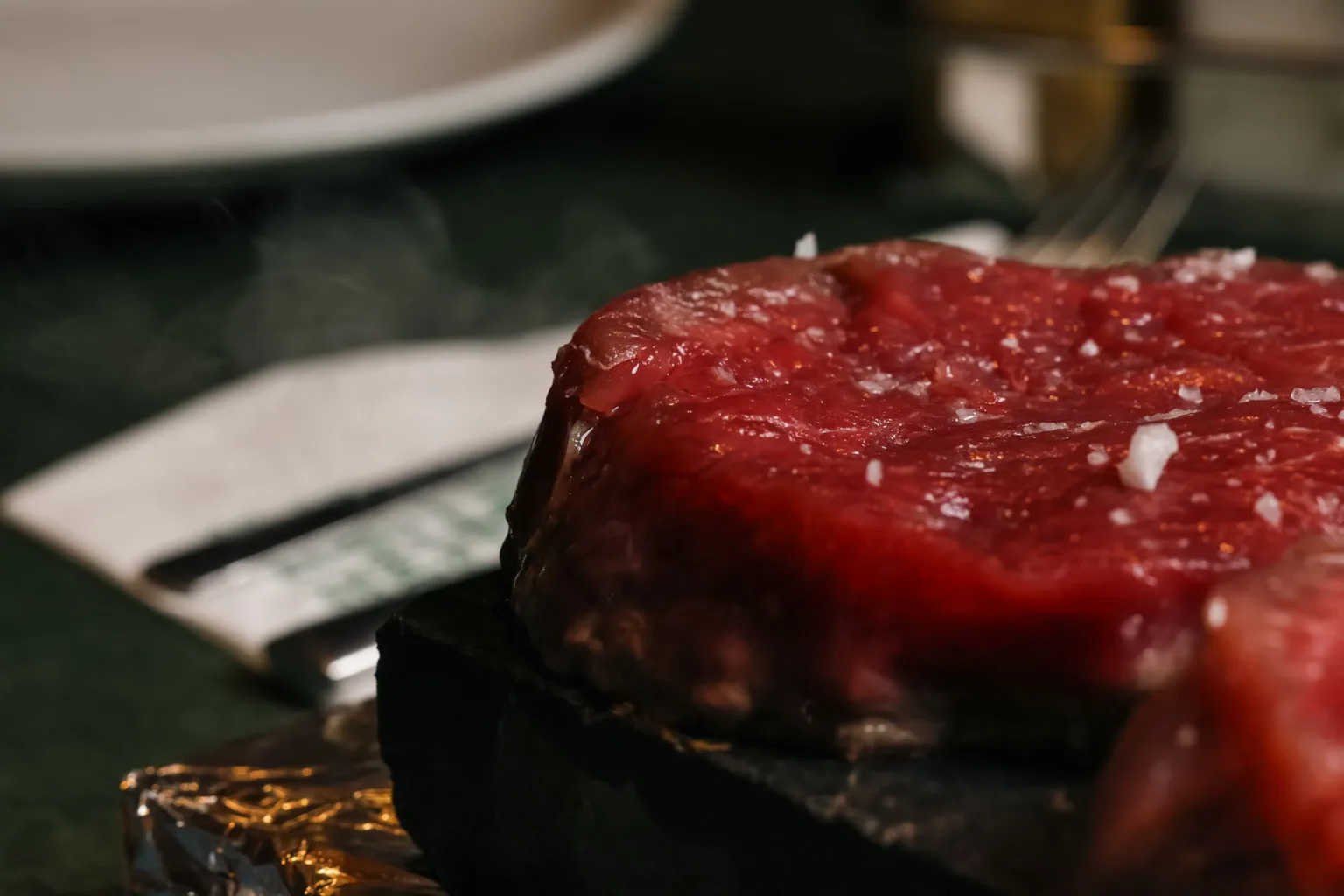
Beef tenderloin is a cut of beef also known in some regions as filet or lomo fino. It is valued in cooking for its tender texture and lean character. It can be prepared as a whole piece or cut into strips or smaller pieces for sautéing. Its tenderness makes it useful in quick preparations, although the result also depends on the size of the pieces and how they are cooked. Do not confuse beef tenderloin with pork loin or with cured and preserved products that have similar names. Since cut names vary by region, confirm the identity with the seller if the local name is unfamiliar or ambiguous.
When to use it
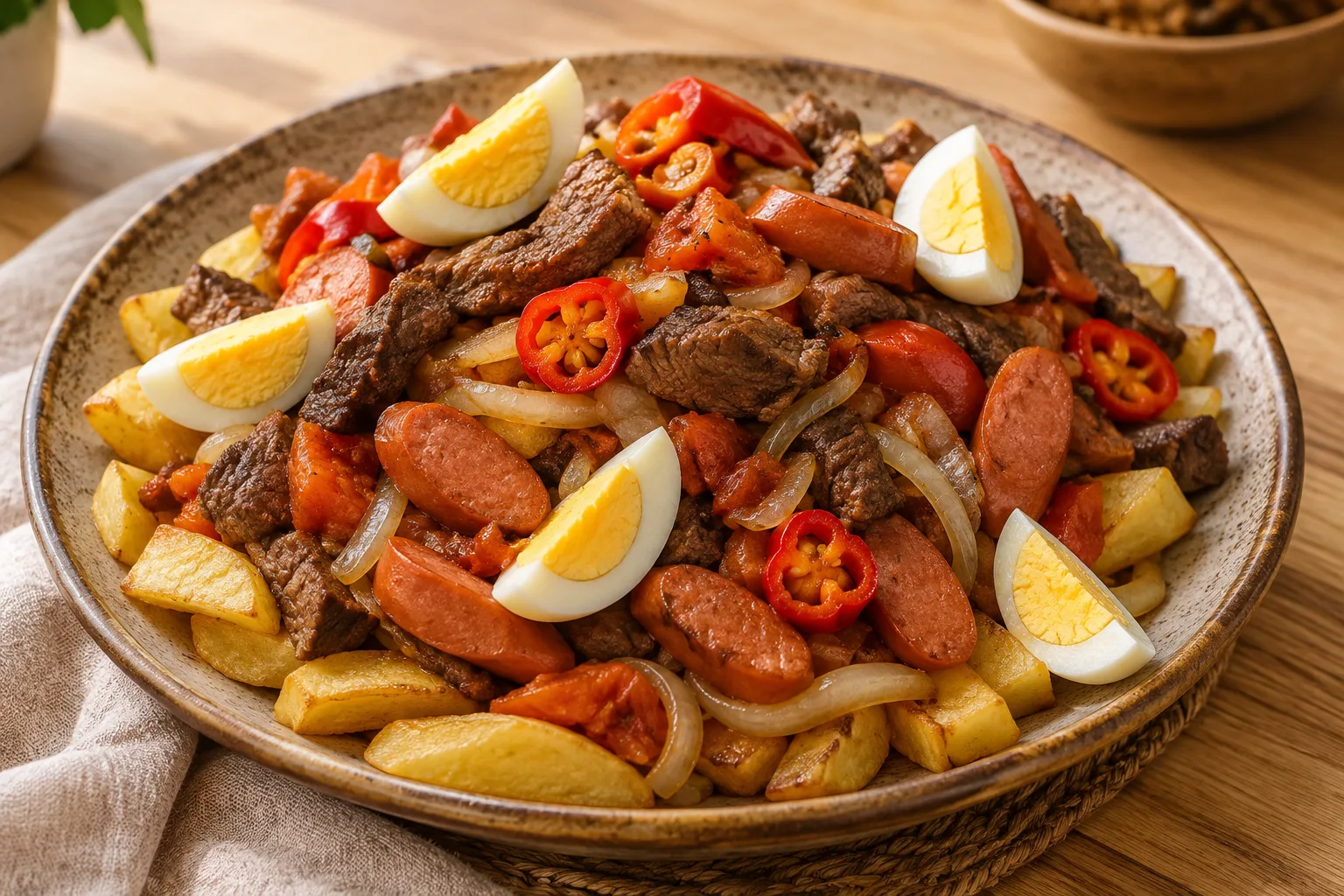
Choose tenderloin when you want tender beef to be the focus of a dish, whether cooked as a whole piece in a pan or cut up for a stir-fry. Pieces can be sautéed with vegetables or potatoes. The cut can also be prepared simply with garlic, vinegar, and pepper. If a recipe calls for a cut intended for long cooking, check that tenderloin suits that method before substituting it; different beef cuts do not all behave in the same way.
How to use it
Trim away visible membranes and any conspicuous pieces of fat before cutting. For a stir-fry, make the pieces similar in size so they cook at a comparable rate; some lomo saltado preparations use larger chunks. Heat a pan well, add a little oil, and brown the beef. Garlic, vinegar, salt, and pepper can be added, followed by onion and tomato. Alternatively, cook the tenderloin as a whole piece and serve it sliced. Match the size of the cuts to the recipe and follow the cooking directions on the package or from the seller.
Flavour and texture
Tenderloin has the characteristic flavor of beef and is especially known for its tender texture and lean nature. Flavor and texture can vary with the particular piece and preparation. Small pieces may become less juicy if overcooked. Simple accompaniments such as potatoes, onion, or tomato let the beef remain the main feature of the plate without making the dish complicated.
How to choose it
Look for beef clearly identified as tenderloin, filet, or the equivalent local name, since naming varies by region. Ask the seller to confirm the cut if the name is unfamiliar or unclear. The amount of visible fat can vary; remove membranes or fat you do not want to use before cooking. Follow any product-specific information on the package.
Storage
Store the meat according to the package directions or the instructions provided by the place where you bought it. Keep it protected from contact with other foods and use it within the date stated on the label. If you will not cook it soon, check the package or ask the seller for freezing and thawing directions. Do not substitute a generic storage period for the instructions specific to the product.
Substitutions
Other lean beef pieces can serve a similar role in a stir-fry, but they may not be as tender as tenderloin. Chicken can be used for a different kind of stir-fry, but it is not an equivalent beef cut and changes the dish's flavor and texture. Adjust the cut and cooking approach to the chosen ingredient and follow its package directions.
Common mistakes
Do not assume that beef tenderloin and pork loin are the same, or that every cut called loin has the same texture. Uneven pieces may cook at different rates. Avoid leaving this lean, tender cut in the pan longer than the preparation requires, since overcooking can make it dry.
Safety and allergens
Raw meat can be a potential source of contamination. Handle it carefully and follow the storage and cooking directions on the package or the official guidance in your area.
Culinary uses
- Tender beef cut for serving whole or sliced
- Main ingredient for quick pan-seared or sautéed dishes
Recommended techniques
- Sear in a very hot pan
- Cut into pieces or strips for sautéing
Pairs well with
- Potatoes
- Onion and tomato
Frequently asked questions
Is beef tenderloin the same as filet?
In some regions, filet or lomo fino is used for the cut known as beef tenderloin. Names vary, so confirm the cut with the seller when in doubt.
How can I cook beef tenderloin?
Cook it as a whole piece in a pan or cut it into pieces for a stir-fry. Garlic, vinegar, onion, and tomato are ingredients used in some beef preparations.
What can I use instead of beef tenderloin?
Other lean beef pieces can work in a stir-fry, though their tenderness may differ. Chicken makes a different-flavored variation rather than an equivalent replacement.
Ingredient allergens
Allergen listThere are no verified associations for these ingredients yet.
Estimated nutrition
- Fat
- 7.58 g
- Saturates
- 3.54 g
- Carbohydrate
- 0 g
- Sugars
- 0 g
- Fibre
- 0 g
- Protein
- 20.7 g
- Salt
- 0.16 g
Sources and review
Automatically researched, cross-checked and validated content. Sources consulted:
- Alérgenos alimentarios | EFSA www.efsa.europa.eu/es/safe2eat/food-allergens
- ¿Por qué la muerte es origen de miedos y tabúes? doi.org/10.64628/aao.fccyk3qj3
- Agencia Española de Seguridad Alimentaria y Nutrición www.aesan.gob.es/
- Carne - Wikipedia, la enciclopedia libre es.wikipedia.org/wiki/Carne
- Allergies - Food Safety - European Commission food.ec.europa.eu/food-safety/campaign-2026/allergies_en
- Food Allergies | FDA www.fda.gov/food/nutrition-food-labeling-and-critical-foods/food-allergies
- Food allergens | Food Safety and Quality | FAO www.fao.org/food-safety/scientific-advice/food-allergens/en
- Food allergen labelling and information requirements technical guidance - GOV.UK www.gov.uk/government/publications/food-allergen-labelling-and-information-requirements-tech…
- Lomo saltado peruano - Cravings Journal es.cravingsjournal.com/lomo-saltado/
- MedlinePlus en español: Lomo de res salteado con papas medlineplus.gov/spanish/recetas/lomo-de-res-salteado-con-papas/
- Food Safety, Quality, and Nutritional Composition of Foods of Animal Origin | National Agricultural Library www.nal.usda.gov/research-tools/food-safety-research-projects/food-safety-quality-and-nutrit…
- - YouTube www.youtube.com/watch?v=DZwzKikrib0
- ¿Qué es el lomo de orza y de dónde proviene su fama? - Gourmet Cazorla, Patés y Platos preparados gourmetcazorla.es/que-es-lomo-orza-de-donde-proviene-su-fama/
- El lomo de orza: Un viaje al alma de nuestra despensa ancestral margavilan.substack.com/p/el-lomo-de-orza-un-viaje-al-alma
- Mejores Técnicas de Cocción para Carne de Vaca Madurada - Viñals 1906 store.vinals1906.com/mejores-tecnicas-de-coccion-para-carne-de-vaca-madurada/