- Category
- Pulses
- State
- Fresh
- Usual unit
- g
What it is
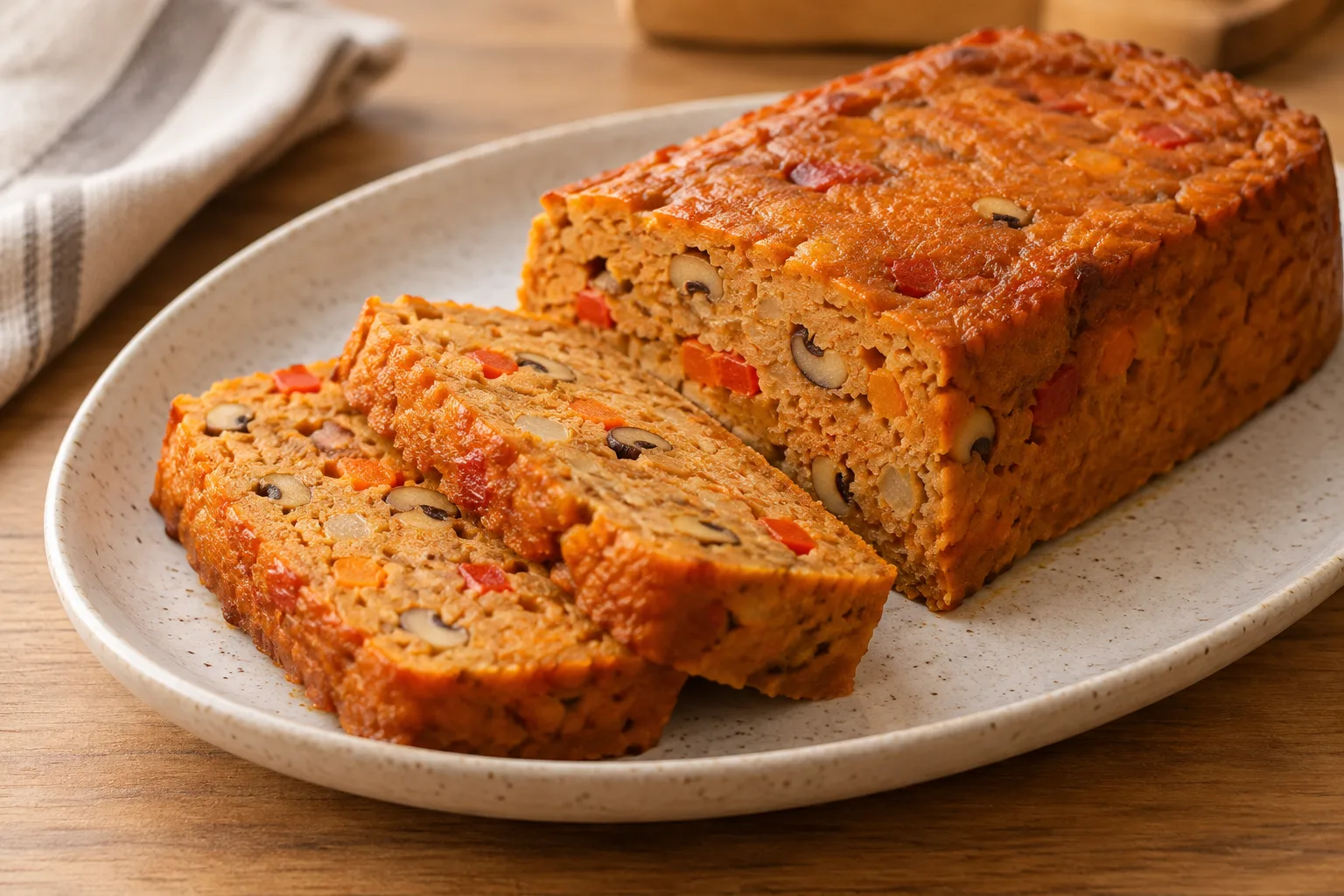
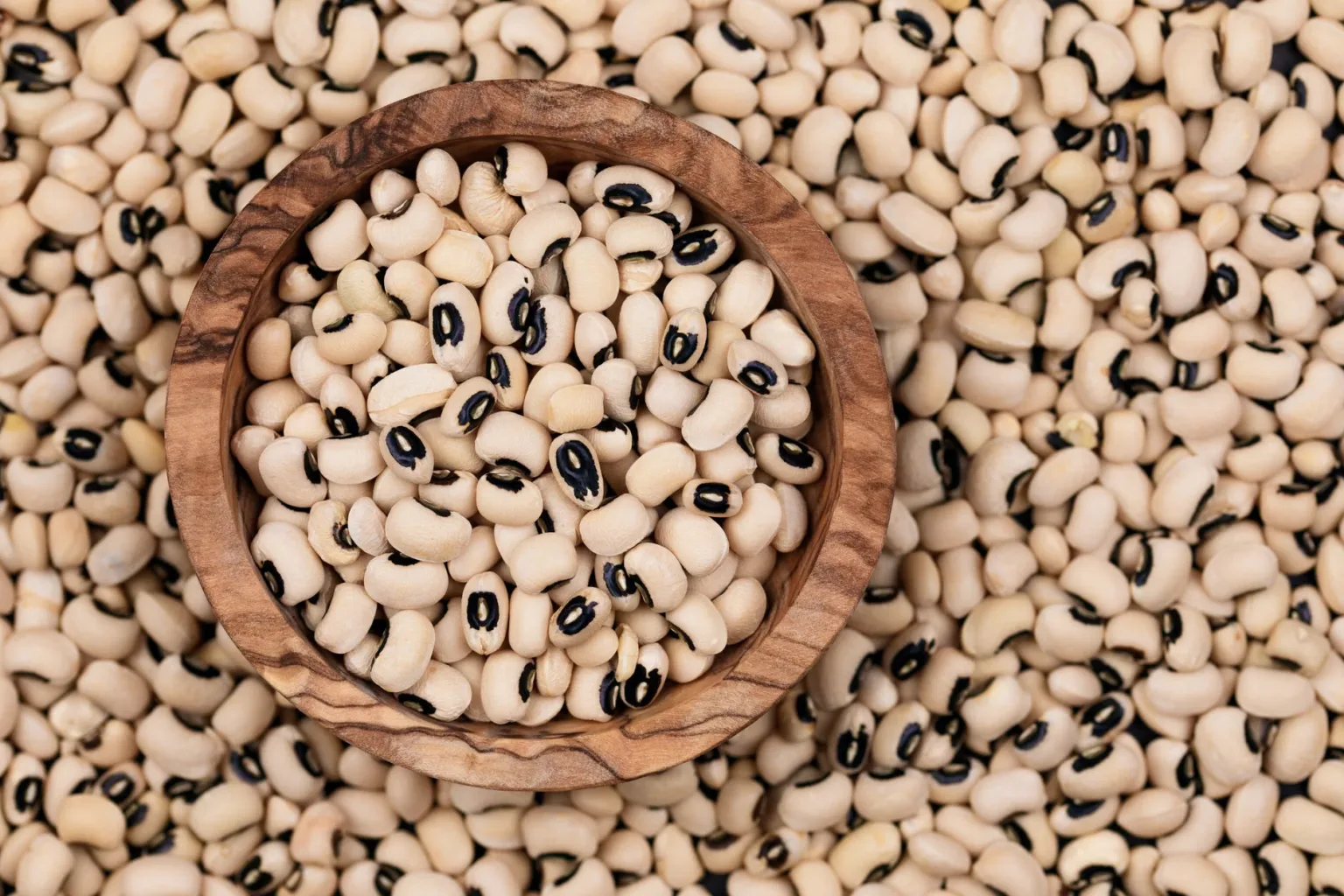
Black-eyed peas are edible seeds of a legume also known as cowpea or black-eyed bean. They are commonly recognised by a dark spot on a pale seed, although varieties can differ in colour and size. The name describes that distinctive marking; it does not mean the whole seed is black. In cooking, black-eyed peas are used in stews and soups, often with vegetables and seasonings, and can also be added to salads after cooking. A fresh form may mean newly shelled beans, while the recipes in the evidence also use dried peas, which are often soaked before cooking. Check which form you have and adapt preparation to the product instructions rather than assuming every form needs the same treatment.
When to use it
Choose black-eyed peas when you want a legume for a vegetable stew, a hearty soup or a salad that needs a substantial ingredient. For a pot-style dish, they pair readily with tomato, onion, garlic and peppers; rice is another possible variation. For salad, cook the peas first, then combine them with fresh ingredients and dressing. Consider the product form before planning: dried, freshly shelled and ready-cooked peas do not necessarily need the same preparation, so check the label or recipe directions.
How to use it
Check the product and follow its directions. If you have dried black-eyed peas and your recipe calls for soaking, soak them in water before cooking, then drain and simmer until tender. You can prepare a base of onion, garlic and peppers, add tomato, and combine it with the peas and liquid to make a stew. Adjust the liquid to suit a thicker or brothier result. Alternatively, cook them with vegetables for a soup or pot dish, add rice as a variation, or cool cooked peas for a salad. Season with ingredients such as paprika or bay leaf if they suit the dish. Check the texture as they cook: the outcome depends on the product form and the recipe, so do not assume one fixed cooking time applies to every batch.
Flavour and texture
The culinary descriptions available present black-eyed peas as mild in flavour and suitable for dishes with vegetables and seasonings. Once cooked, they can become tender and blend into a broth-based stew, or remain an ingredient in a salad. Texture depends on the product and cooking; adjust the result to the dish and do not assume dried and freshly shelled peas will behave identically.
How to choose it
Check whether you are buying dried, freshly shelled or ready-cooked black-eyed peas, since each form can call for different preparation. Pale seeds with a dark eye are a common identifying feature, but colour and size can vary among varieties. For a packaged product, read the ingredient list and cooking directions. If buying loose, ask which form it is and what preparation guidance is available.
Storage
Keep dried black-eyed peas in an airtight container in a cool, dry place away from direct light. Cooked peas that you will not use can be portioned and frozen. For fresh, canned or otherwise packaged products, follow the specific storage directions on the label; different forms do not necessarily keep in the same way. Keep advice for dried peas separate from that for cooked peas, and use suitable containers for stored portions.
Substitutions
Another type of bean may play a similar role in a stew, but it will not necessarily have the same shape, texture or cooking behaviour. Rice can be added as a variation to a black-eyed-pea dish, but it does not replace the legume itself. Adjust liquid and cooking to the ingredient you choose, and consult its directions rather than assuming the same quantities or result.
Common mistakes
Do not treat dried, freshly shelled and ready-cooked black-eyed peas as automatically interchangeable: their preparation can differ. Avoid relying on a fixed cooking time without checking texture, since product forms and recipes vary. Also, consider whether you want a thick stew or a brothy one before adding liquid, and do not assume rice is an equivalent substitute for the peas.
Safety and allergens
Follow the product instructions for the form you have and prepare it as directed by your recipe. If you have a food allergy, check the product label and ask about ingredients when they are unclear; do not infer that allergens are absent from the name of the legume.
Culinary uses
- Base for vegetable stews and legume soups
- Salad ingredient when cooked and cooled
Recommended techniques
- Soak dried beans before cooking when following a recipe that calls for soaking
- Simmer until tender, then combine with vegetables or seasonings
- Add cooked beans to salads or grain dishes
Pairs well with
- Tomato, onion, garlic and peppers
- Rice
- Pumpkin, carrots and leafy vegetables
- Paprika and bay leaf
Frequently asked questions
Are black-eyed peas and cowpeas the same?
Black-eyed pea is a common name for a cowpea type. The seed often has a distinctive dark spot, although varieties can differ in colour and size.
Do dried black-eyed peas need soaking?
The supplied recipes for dried peas use soaking, but preparation depends on the product and form. Follow the package or recipe directions.
How can I serve black-eyed peas?
Use them in a vegetable stew or soup, add rice as a variation, or cook and cool them before adding them to a salad.
Ingredient allergens
Allergen listThere are no verified associations for these ingredients yet.
Estimated nutrition
- Fat
- 0 g
- Saturates
- 0 g
- Carbohydrate
- 20 g
- Sugars
- 2.86 g
- Fibre
- 5.7 g
- Protein
- 2.86 g
- Salt
- 0.02 g
Sources and review
Automatically researched, cross-checked and validated content. Sources consulted:
- Alérgenos alimentarios | EFSA www.efsa.europa.eu/es/safe2eat/food-allergens
- ¿Por qué la muerte es origen de miedos y tabúes? doi.org/10.64628/aao.fccyk3qj3
- Etiquetado de sustancias que causan alergias e intolerancias alimentarias www.aesan.gob.es/seguridad-alimentaria/informacion-alimentaria/etiquetado-sustancias
- [Alubias carillas] ✅ Receta para los amantes de las legumbres cocinandoelcambio.com/recetas/carillas/
- Las carillas, legumbres típicas del Valle del Tiétar y La Vera saboresdegredos.com/las-carillas-tipicas-del-valle-del-tietar-y-la-vera/
- Alubia carilla - Wikipedia, la enciclopedia libre es.wikipedia.org/wiki/Alubia_carilla
- Alubia Carilla: El Tesoro de Extremadura 🌾🥣 - Slow Shop granel www.slowshopgranel.es/alubia-carilla-el-tesoro-de-extremadura/
- Alubias carillas con oreja | El Recetario de NaChef www.elrecetariodenachef.com/alubias-carillas-con-oreja/
- - YouTube www.youtube.com/watch?v=l2HR6baGdjw
- Allergies - Food Safety - European Commission food.ec.europa.eu/food-safety/campaign-2026/allergies_en
- Food Allergies | FDA www.fda.gov/food/nutrition-food-labeling-and-critical-foods/food-allergies
- Food allergens | Food Safety and Quality | FAO www.fao.org/food-safety/scientific-advice/food-allergens/en
- Food allergen labelling and information requirements technical guidance - GOV.UK www.gov.uk/government/publications/food-allergen-labelling-and-information-requirements-tech…
- Alubias carillas - Gallina Blanca www.gallinablanca.es/receta/alubias-carillas/
- Recetario Mañoso: octubre 2014 recetarioaragones.blogspot.com/2014/10/