- Category
- Meat
- State
- Fresh
- Usual unit
- unit
What it is
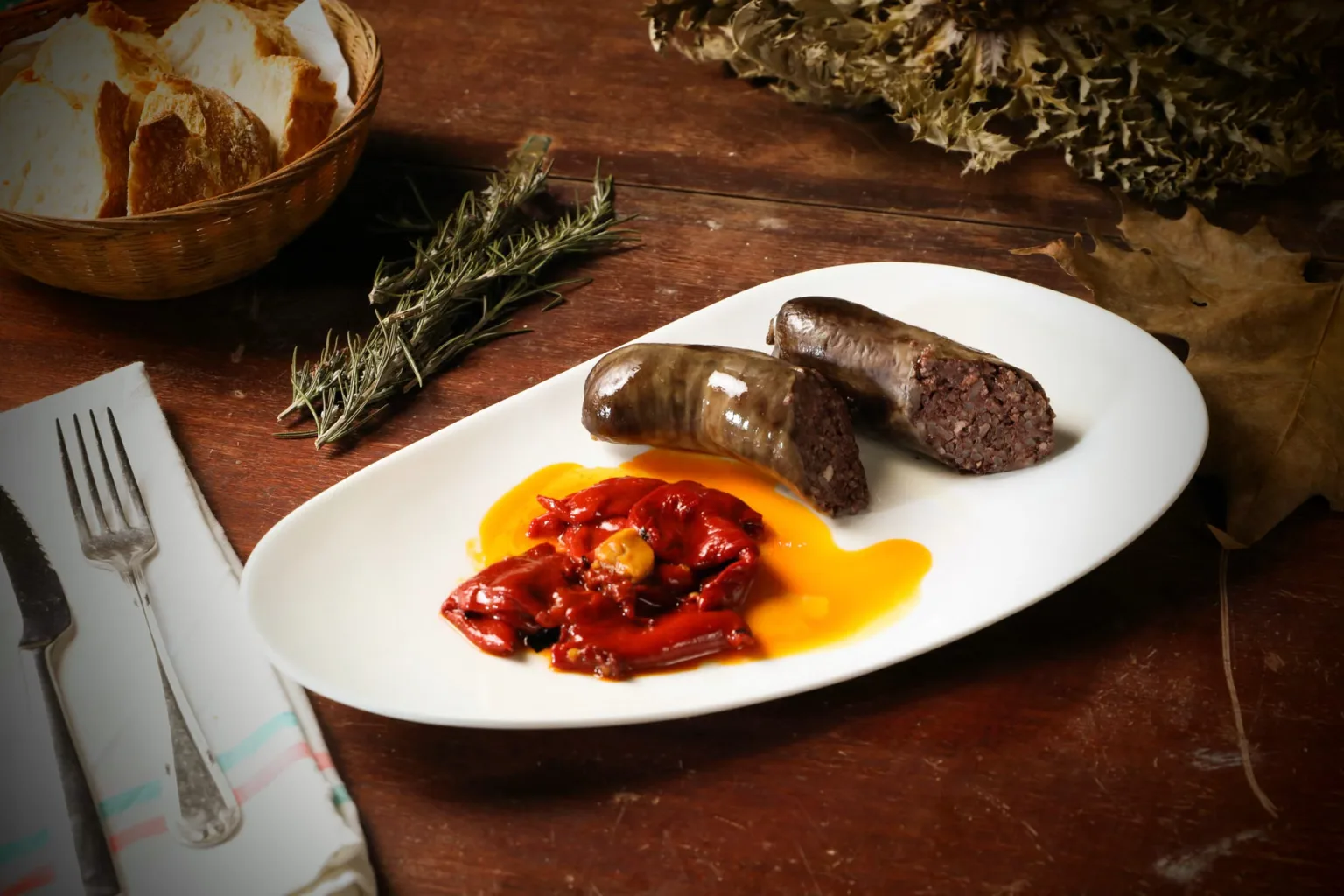
Blood sausage is a sausage commonly made with blood, often pork blood, and other ingredients that vary by style. Fat, onion and spices are common; some recipes also include rice, bread, pumpkin, nuts or other additions. Burgos-style blood sausage, for example, is associated with blood, rice, onion, fat and seasonings. Recipes and textures differ across regions: some sausages are drier or smoked, and some preparations are made without a casing. “Blood sausage” therefore does not describe one fixed recipe. Read the ingredient list and storage instructions for the particular product, especially if you need to avoid a specific ingredient or expect a particular texture.
When to use it
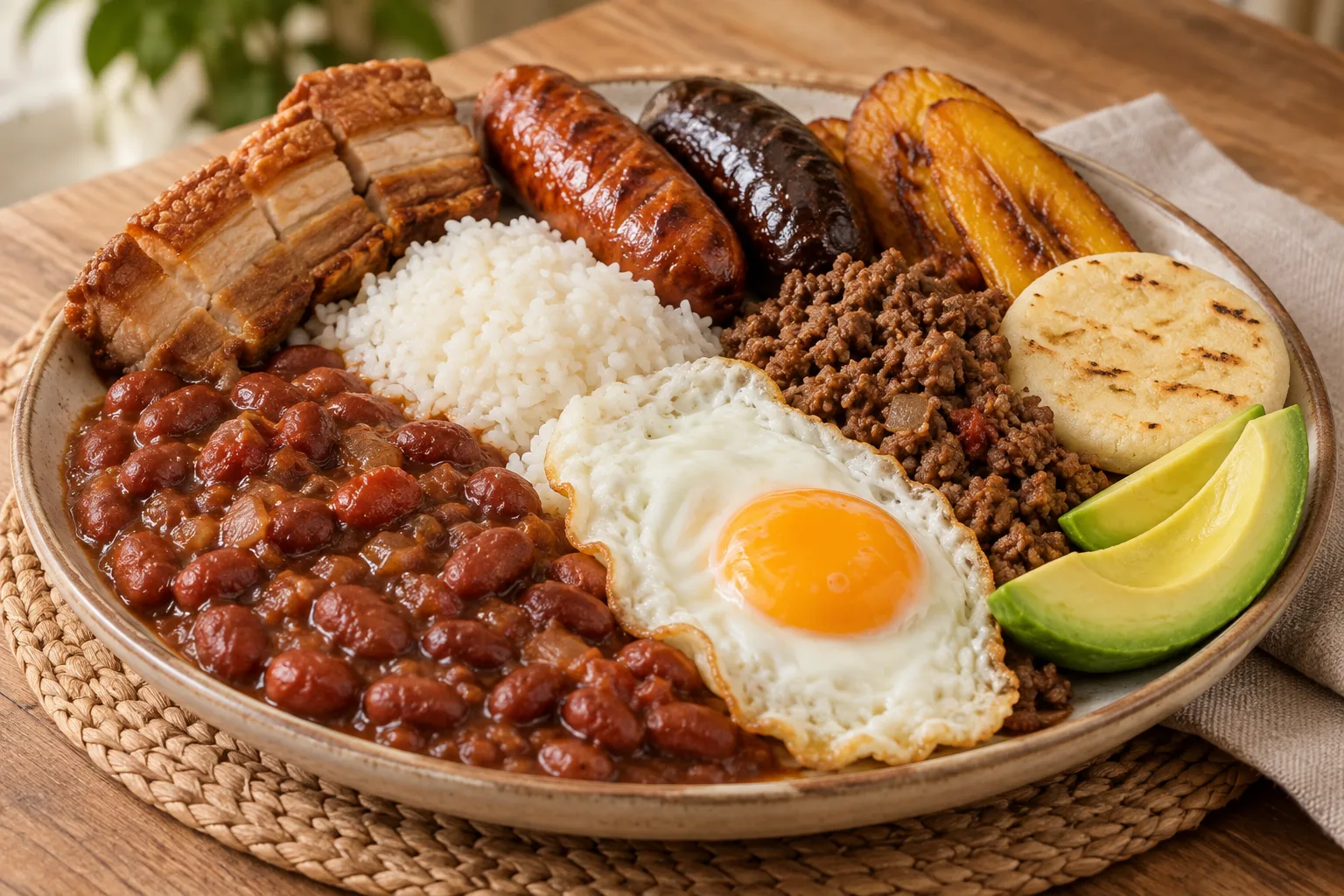
Choose blood sausage when you want a distinctive, richly seasoned ingredient for tapas, sandwiches or hearty dishes. Rice-based varieties can work well sliced in bean stews or served as a cooked accompaniment; onion-based varieties also appear in cooked dishes and small bites. The regional recipe affects the result, so do not assume that every variety will behave the same when heated. When adding it to a dish with several ingredients, take its seasoning and richness into account and adjust the rest of the dish to taste. Check the package to find out whether the product needs further cooking.
How to use it
Before cooking, check the package to identify the variety and read its preparation instructions. For slices, pan-fry or grill them, handling them carefully to help them keep their shape and heating them evenly. You can also add blood sausage to a bean stew or use it in a filling, pie or sandwich, depending on the recipe and product. In a simmered dish, add it at a point that allows it to heat through without breaking up more than you want. Blood sausages may contain rice, onion, bread, nuts or other ingredients, so check the label before cooking for others. Follow the manufacturer’s specific preparation and storage directions.
Flavour and texture
The flavor is often rich and seasoned, but varies with the recipe, spices and added ingredients. Onion can contribute sweetness, while rice changes the texture and bite. Some blood sausages are soft and moist; others are firmer, drier or smoked. The amount of fat and filling also affects how a particular sausage behaves when heated. Taste the product and choose accompaniments accordingly rather than expecting one flavor or texture from every style.
How to choose it
Choose a variety for the dish you have in mind: a rice-based sausage, an onion-based one and a drier style can produce different results. Read the ingredient list if you are looking for a specific filling or flavor, and check the date and storage directions on the package. If it is sold unpackaged or its contents are unclear, ask the seller. The name alone does not guarantee one recipe; regional and production differences are common.
Storage
Follow the storage directions on the package and observe the product’s date. Blood sausage may be sold fresh, cooked, cured or in other packaged forms, so do not assume every kind should be stored in the same way. If it is unpackaged or you are unsure how it should be kept, ask the seller before storing or eating it. Once opened, follow the manufacturer’s directions for that particular product.
Substitutions
Rice-based blood sausage can replace an onion-based variety in some stews or tapas, and the reverse may also work, but the flavor and texture will change. Check both ingredient lists: the product name does not guarantee the same composition. Do not treat either option as suitable for an allergy or dietary restriction without checking the full label.
Common mistakes
Do not assume that all blood sausages contain the same ingredients or need the same preparation. One variety may include rice, bread, nuts or other additions that another does not. Avoid cooking without reading the product instructions, and do not expect an onion-based sausage to give the same flavor or texture as a rice-based one.
Safety and allergens
Follow the product’s preparation and storage directions. If it is sold unpackaged or its handling instructions are unclear, ask the seller; do not infer storage safety from the name “blood sausage.”
Culinary uses
- Ingredient for stews, bean dishes and other hearty preparations
- Tapas, starters and sandwich filling
Recommended techniques
- Pan-frying or grilling slices
- Baking or adding to a stew
Pairs well with
- Beans and lentils
- Eggs and bread
Frequently asked questions
Does all blood sausage contain rice?
No. Some varieties contain rice, while others may use onion, bread, pumpkin or other ingredients. Check the product’s ingredient list.
How can blood sausage be cooked?
Depending on the variety, it can be sliced and pan-fried or grilled, added to stews, or used in fillings. Follow the package directions.
Can rice-based blood sausage replace onion-based blood sausage exactly?
No. It may work in some dishes, but the texture and flavor will differ. Check the ingredients of each product as well.
Ingredient allergens
Allergen listThere are no verified associations for these ingredients yet.
Estimated nutrition
- Fat
- 34.5 g
- Saturates
- 13.4 g
- Carbohydrate
- 1.29 g
- Sugars
- 1.29 g
- Fibre
- 0 g
- Protein
- 14.6 g
- Salt
- 1.7 g
Sources and review
Automatically researched, cross-checked and validated content. Sources consulted:
- Alérgenos alimentarios | EFSA www.efsa.europa.eu/es/safe2eat/food-allergens
- Client Challenge doi.org/10.2307/jj.27939689.16
- Etiquetado de sustancias que causan alergias e intolerancias alimentarias www.aesan.gob.es/seguridad-alimentaria/informacion-alimentaria/etiquetado-sustancias
- Léxico culinario autorizado en el primer diccionario académico | OpenAlex openalex.org/W2285293455
- Morcilla - Wikipedia, la enciclopedia libre es.wikipedia.org/wiki/Morcilla
- Allergen labelling for consumers | Food Standards Australia New Zealand www.foodstandards.gov.au/consumer/labelling/allergen-labelling
- Morcilla: Tipos de preparación y recetas tradicionales - Montealbor montealbor.com/blog/todo-sobre-la-morcilla-historia-variedades-y-recetas-deliciosas/
- Morcilla de Burgos. Descubre todo sobre ella | Grupo Merino Pascual www.cebollahorcal.com/morcilla-burgos/
- Morcilla española. Tipos y origen según región autónoma www.abc.es/recetasderechupete/morcilla-espanola-tipos-y-origen-segun-region-autonoma/116942/
- Morcilla, el origen de una tentación www.tierradesabor.es/blog/morcilla-origen-tentacion
- Qué tiene la morcilla: estos son sus ingredientes - productoscarnicosfernandez.es www.productoscarnicosfernandez.es/que-tiene-la-morcilla-estos-son-sus-ingredientes/
- Recetas de Morcilla de Burgos: análisis y comparativa de los mejores embutidos y quesos para maridar laovejaquebala.es/recetas-morcilla-de-burgos/
- Todo sobre Morcillas, Butifarras y Embutidos cocidos - www.globalcarnica.com www.globalcarnica.com/curiosidades-del-sector-carnico/todo-sobre-morcillas-butifarras-y-embu…