- Category
- Bread and dough
- State
- Fresh
- Usual unit
- g
What it is
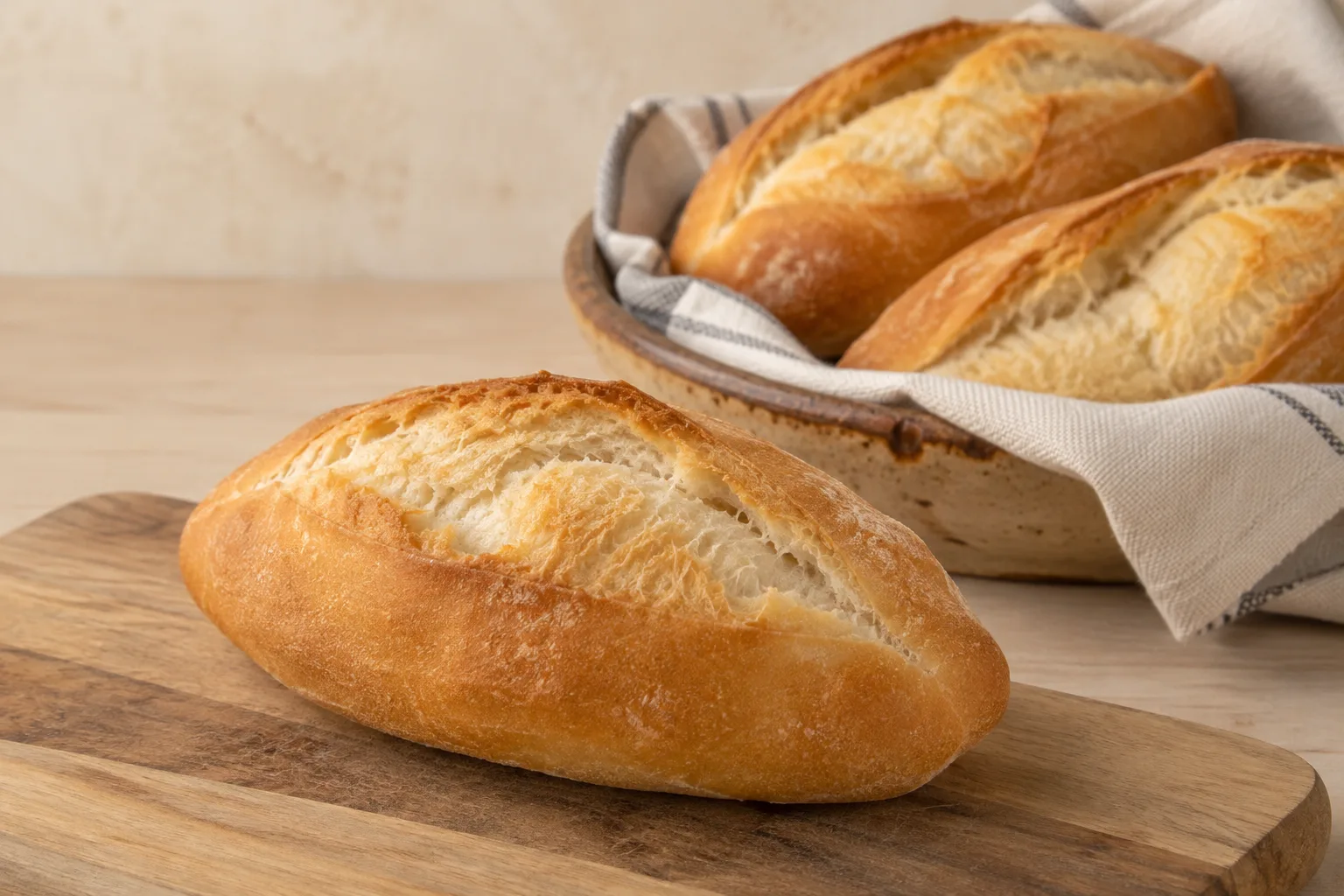
Bolillo is a white wheat bread associated with Mexican bakeries. It is usually oval or elongated, often with a cut along the top; its crust is commonly described as golden and crisp, with a soft white interior. It is not a sweet bread. Bolillo can be served whole or split for tortas and molletes, and it is also used in sweet bread preparations such as capirotada and torrijas. Telera and birote are related breads, but they are not exact duplicates: their shape, flavor and texture can differ. Recipes and finished loaves also vary between bakeries, so choose a piece according to the filling and texture you want.
When to use it
Choose bolillo when you want a mild-tasting bread to accompany a meal or hold a filling. It is commonly used for tortas and molletes and can accompany dishes such as mole. It is also useful in sweet preparations that use bread as an ingredient, including capirotada and torrijas. For a generously filled sandwich, look for a loaf that can be opened and hold the filling. If a recipe depends on a particular shape or texture, remember that telera and birote are related breads rather than identical replacements.
How to use it
Split or slice a bolillo to make a torta, then add the filling of your choice; it can also be used as the bread base for molletes. Serve it whole or in portions alongside a meal. In sweet recipes, use it as the bread specified by the recipe, for example in capirotada or torrijas; these preparations do not mean the bread itself is sweet. Match the loaf size to the dish and filling. If bolillo is unavailable, a French-style bread roll can play a similar role in a sandwich, though its shape and crumb may change the result.
Flavour and texture
Bolillo is generally mild and not very sweet, making it suitable for fillings and savory accompaniments. Its crust is often golden and crisp, while the inside is white, soft and airy. The balance of crust and crumb, degree of crispness and shape can vary between loaves and bakeries. Birote, for example, can have a more sour flavor and a chewier texture, so it should not be assumed to taste or feel exactly like bolillo.
How to choose it
Choose a loaf with a shape and size that suit its intended use: a bolillo that is easy to split and fill is practical for a torta. The crust is typically golden, and the crumb is pale and soft. Since texture can vary between bakeries and individual loaves, choose according to whether you prefer more crisp crust or a softer crumb. If you need to check ingredients because of an allergy or dietary restriction, read the product label or ask the bakery; the bread's name alone does not establish its full composition.
Storage
Bolillo is fresh bread. Follow the package directions or the bakery's advice for keeping it, since storage recommendations and usable life can depend on the product. Buy the amount you expect to use and inspect the bread before serving. There is no single storage duration that applies to every loaf. When the product has specific instructions on its label, follow those rather than relying on a general rule.
Substitutions
For a torta, a French-style roll can serve a similar purpose, although its shape, crust and crumb may differ. Telera is also a related bread that can be used for foods such as tortas or molletes, but it is not identical to bolillo. Birote has its own characteristics and can be more sour and chewy. Choose a substitute based on the dish and the texture you want, rather than assuming an exact match.
Common mistakes
Do not assume bolillo, telera and birote are interchangeable names for the same bread. They are related varieties, but can differ in shape, flavor and texture. Also, not every bolillo has exactly the same crust or crumb: the loaf and bakery affect the result. For dietary needs, do not infer the full ingredient list from the bread's name; check the product information.
Safety and allergens
If you have an allergy or need to avoid an ingredient, check the label on the specific loaf or ask the bakery about its ingredients and handling. Composition can depend on the recipe and product, so do not assume every bolillo is the same.
Culinary uses
- Base for filled sandwiches and Mexican tortas
- Bread for molletes and sweet or savory bread dishes
Recommended techniques
- Split or slice to make a filled sandwich
- Use as a bread component in molletes, capirotada, or torrijas
Pairs well with
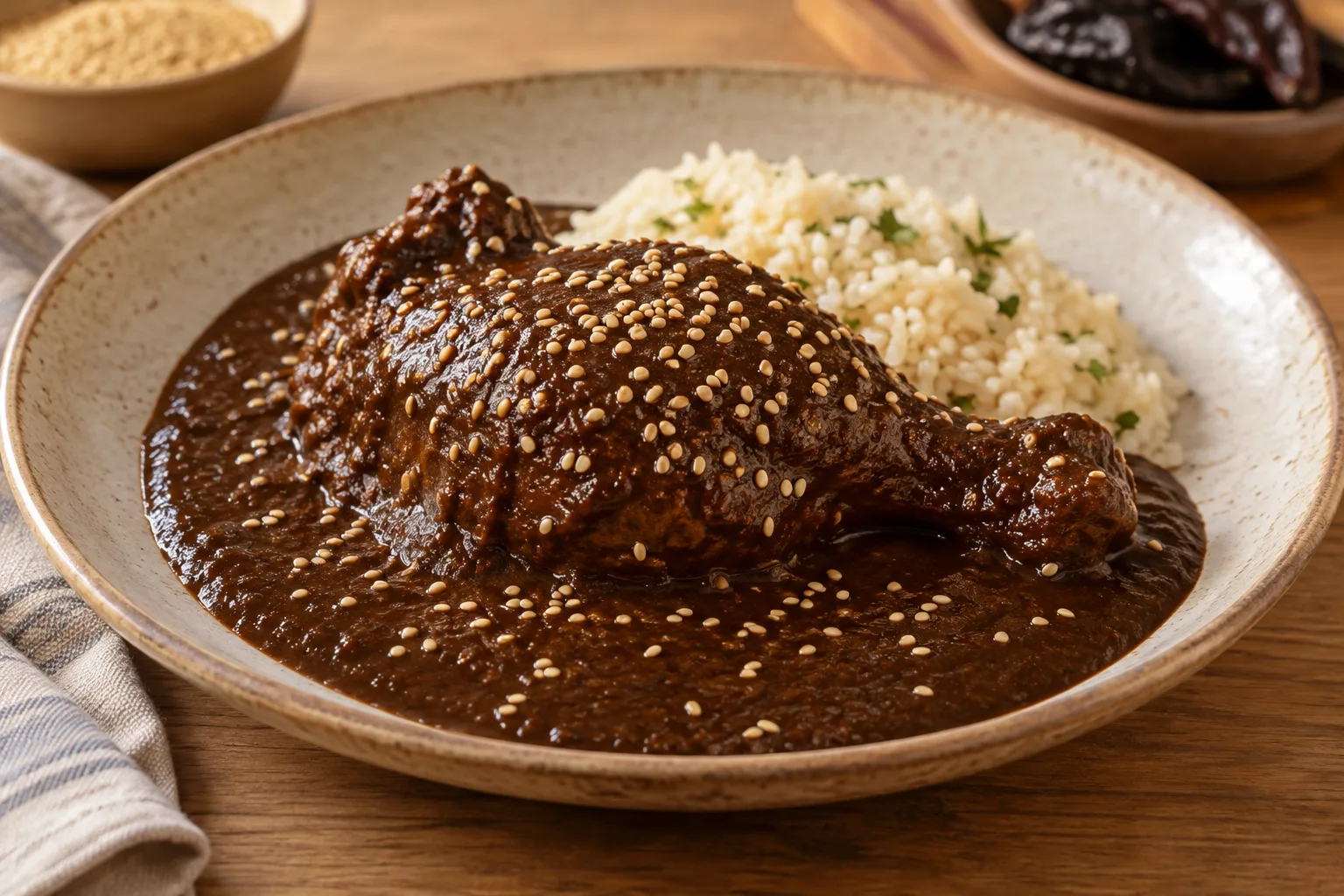
- Mole
- Sandwich fillings for tortas
- Toppings for molletes
- Sweet preparations such as capirotada and torrijas
Frequently asked questions
What does bolillo taste like?
It is generally mild and not very sweet, with a golden, crisp crust and a soft, pale crumb.
How is bolillo used?
It is used for tortas and molletes, served with meals such as mole, and used in sweet bread dishes such as capirotada.
Are telera or birote the same as bolillo?
Not exactly. They are related breads, but their shape, flavor and texture can differ; birote can be more sour and chewy.
Ingredient allergens
Allergen listThere are no verified associations for these ingredients yet.
Sources and review
Automatically researched, cross-checked and validated content. Sources consulted:
- ¿Por qué la muerte es origen de miedos y tabúes? doi.org/10.64628/aao.fccyk3qj3
- Client Challenge doi.org/10.2307/jj.27939689.16
- Gastronomía de México - Wikipedia, la enciclopedia libre es.wikipedia.org/wiki/Gastronom%C3%ADa_de_M%C3%A9xico
- Áreas de Seguridad Alimentaria www.aesan.gob.es/seguridad-alimentaria
- Obtención del ajo negro por reacción de Maillard para el desarrollo de productos culinarios y su aplicación en cocina innovadora openalex.org/W2991569715
- La cocina técnico conceptual: origen, significado, características y propuesta gastronómica a partir de 25 productos cultivados, en la provincia del Azuay-Ecuador openalex.org/W66629700
- Panadería mexicana: formas con sabor www.revistaciencia.amc.edu.mx/index.php/ediciones-anteriores/65-vol-58-num-2-abril-junio-200…
- Bolillo elgourmet.com/recetas/bolillo/pdf
- El Bolillo, una joya de la gastronomía mexicana - Spanish School´s Blog at Uninter spanishuninter.blog/2021/12/21/el-bolillo-elemento-indispensable-en-la-gastronomia-mexicana/
- Reglamento - 1169/2011 - EN - Reglamento IAC - EUR-Lex eur-lex.europa.eu/legal-content/ES/ALL/?uri=celex%3A32011R1169
- Bolillo (pan) - Wikipedia, la enciclopedia libre es.wikipedia.org/wiki/Bolillo_(pan)
- Las diferentes cortezas del pan y sus características panarte-sano.com/las-diferentes-cortezas-del-pan-y-sus-caracteristicas/
- El afrancesamiento de la cocina mexicana en el siglo XIX www.afuegolento.com/articulo/el-afrancesamiento-la-cocina-mexicana-el-siglo-xix/63/
- México y Francia, una alianza deliciosa | Saborearte www.saborearte.com.mx/mexico-y-francia-una-alianza-deliciosa/
- Historia del origen del bolillo – La Lider lalider.mx/index.php/2020/10/06/historia-del-origen-del-bolillo/