- Category
- Herbs and spices
- State
- Dry
- Usual unit
- teaspoon
What it is
Cajun seasoning is a dry blend of herbs and spices used to flavor food. There is no single fixed formula: blends may combine ingredients such as paprika, garlic and onion powder, pepper, cayenne, thyme and oregano, while some include other ingredients such as cumin, white pepper or mustard seeds. Some versions contain salt and others do not. As a result, the flavor, heat and saltiness can differ between products. It is sold ready-made and can also be prepared by mixing ground spices. It is a seasoning blend, not a single spice, so do not assume every product has the same ingredient list.
When to use it
Use it when you want to give a savory dish an aromatic, spiced character, particularly meat, fish, seafood, vegetables or rice. It can season ingredients before cooking, flavor a marinade, or be stirred into a sauce or dip. Since blends differ in heat and salt, start with a small amount and taste before adding more. If the blend already contains salt, account for that when seasoning the rest of the dish.
How to use it
Add the seasoning to ingredients before cooking, or sprinkle a little over a finished dish as a final accent. For a simple marinade, mix it with oil and use the mixture to coat meat, fish or vegetables; it can also be stirred into a sauce or dip. In rice dishes and stews, begin with a small amount and adjust the flavor as you cook. Check the ingredient list on a commercial blend: ingredients differ, and some products include salt or additional spices. To make your own, use ground spices and mix them until evenly distributed. Adjust the heat to taste rather than assuming a homemade or packaged blend will always have the same intensity.
Flavour and texture
It is generally aromatic and savory, with notes of paprika, herbs and pepper, and may be hot from cayenne or other chilies. Its texture is dry and powdery, or slightly coarse depending on how finely the ingredients are ground. The balance of heat, salt and herbal notes depends on the particular blend, so products do not all taste alike.
How to choose it
Read the ingredient list before buying because Cajun blends vary and may contain different spices, herbs and salt. Choose a product whose composition and heat suit the dish and your preference. If you want to control salt, check whether it is listed among the ingredients; do not assume the seasoning either contains salt or is salt-free.
Storage
Keep the dry blend in a tightly closed container in a dry place, such as a kitchen cupboard. Keep moisture out and use a dry spoon when measuring it. For a packaged product, follow the storage directions and date on the label. A homemade blend should also be protected from moisture and strong odors.
Substitutions
For a Cajun-style alternative, combine paprika, garlic and onion powder, black pepper, cayenne, oregano and thyme. Recipes may add or change other spices, so the result will not necessarily match a commercial blend. Adjust heat and salt separately, especially if the original seasoning contained salt.
Common mistakes
Do not assume every Cajun blend has the same ingredients, heat or salt content. Adding too much at once can overpower a dish, so start small and adjust. Before adding extra salt, check whether a purchased blend already contains it.
Safety and allergens
Commercial formulations are not all the same. If you have a food allergy, check the ingredient list on the specific package and follow your usual safety guidance; do not infer its contents from the name “Cajun.”
Culinary uses
- Seasoning blend for adding savory, aromatic and spicy notes
- Dry rub or marinade flavoring for vegetables, meat and fish
Recommended techniques
- Stir into food or sprinkle on before cooking
- Mix with oil to make a paste for coating ingredients
- Blend the spices thoroughly and store in a closed container
Pairs well with
- Chicken and other meats
- Fish and seafood
- Potatoes and other vegetables
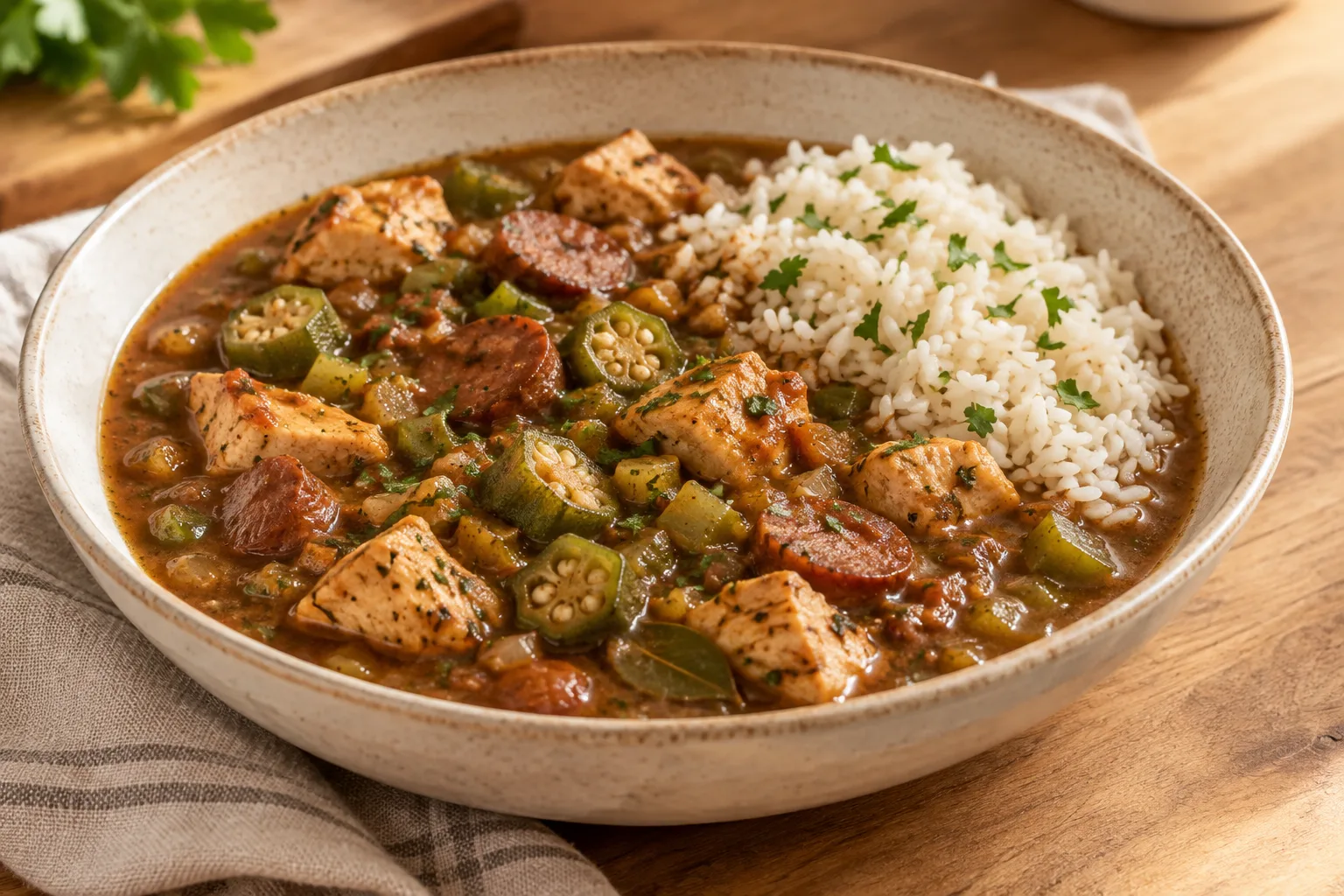
- Rice and savory sauces
Frequently asked questions
Do all Cajun seasoning blends contain the same ingredients?
No. Recipes and products vary in their spices, herbs, heat and salt content. Check the label for the specific blend.
How can I adjust the heat?
Start with a small amount, taste the dish and add more only if you want to. Blends can differ in their proportions of cayenne and other hot spices.
Can I make Cajun seasoning at home?
Yes. Mix ground spices such as paprika, garlic and onion powder, pepper, cayenne, oregano and thyme. Formulas differ, so adjust the blend to your taste.
Ingredient allergens
Allergen listThere are no verified associations for these ingredients yet.
Estimated nutrition
- Fat
- 0 g
- Saturates
- 0 g
- Carbohydrate
- 0 g
- Sugars
- 0 g
- Protein
- 0 g
- Salt
- 72.5 g
Sources and review
Automatically researched, cross-checked and validated content. Sources consulted:
- Client Challenge doi.org/10.2307/jj.27939689.16
- Agencia Española de Seguridad Alimentaria y Nutrición www.aesan.gob.es/
- Food Allergies | FDA www.fda.gov/food/nutrition-food-labeling-and-critical-foods/food-allergies
- Guía para el control oficial del etiquetado y composición de ... www.juntadeandalucia.es/export/drupaljda/Gu%C3%ADa%20etiquetado%20y%20composici%C3%B3n%20CA%…
- List of ingredients and allergens on food labels - inspection.canada.ca inspection.canada.ca/en/food-labels/labelling/industry/list-ingredients-and-allergens
- Especias Cajún - Cómo hacer tu propia mezcla de Especias Cajún - Javi Recetas www.javirecetas.com/especias-cajun-como-hacer-tu-propia-mezcla-de-especias-cajun/
- - YouTube www.youtube.com/watch?v=glMjaZ6wuug
- Cómo hacer la mezcla de especias cajún | Gastronomía & Cía www.gastronomiaycia.com/como-hacer-la-mezcla-de-especias-cajun/
- Gastronomía cajún - Wikipedia, la enciclopedia libre es.wikipedia.org/wiki/Gastronom%C3%ADa_caj%C3%BAn
- Tomillo, laurel y otras cosas de comer.: MEZCLA DE ESPECIAS CAJÚN www.tomillolaurelyotrascosasdecomer.com/2020/10/mezcla-de-especias-cajun.html
- Compra Mezcla Cajun 60g | Especias Auténticas |... www.cocinista.es/web/es/mezcla-cajun-60-g-76.html
- ▷ Cajún | ¿Cómo Hacer Una Mezcla De Especias Cajún? especiasarias.com/cajun-mezcla-especias/
- Condimento cajún, una mezcla de especias llena de aromas, receta paso a paso. www.cocinayaficiones.com/condimento-cajun-mezcla-especias/
- Condimento Cajún sin sal | American Diabetes Association diabetesfoodhub.org/es/recipes/condimento-cajun-sin-sal
- Possible presence of peanut in specific batches of Favourit Cajun Seasoning | Food Safety Authority of Ireland www.fsai.ie/news-and-alerts/allergen-alerts/possible-presence-of-peanut-in-specific-batches-…