- Category
- Vegetables
- State
- Canned
- Usual unit
- unit
What it is
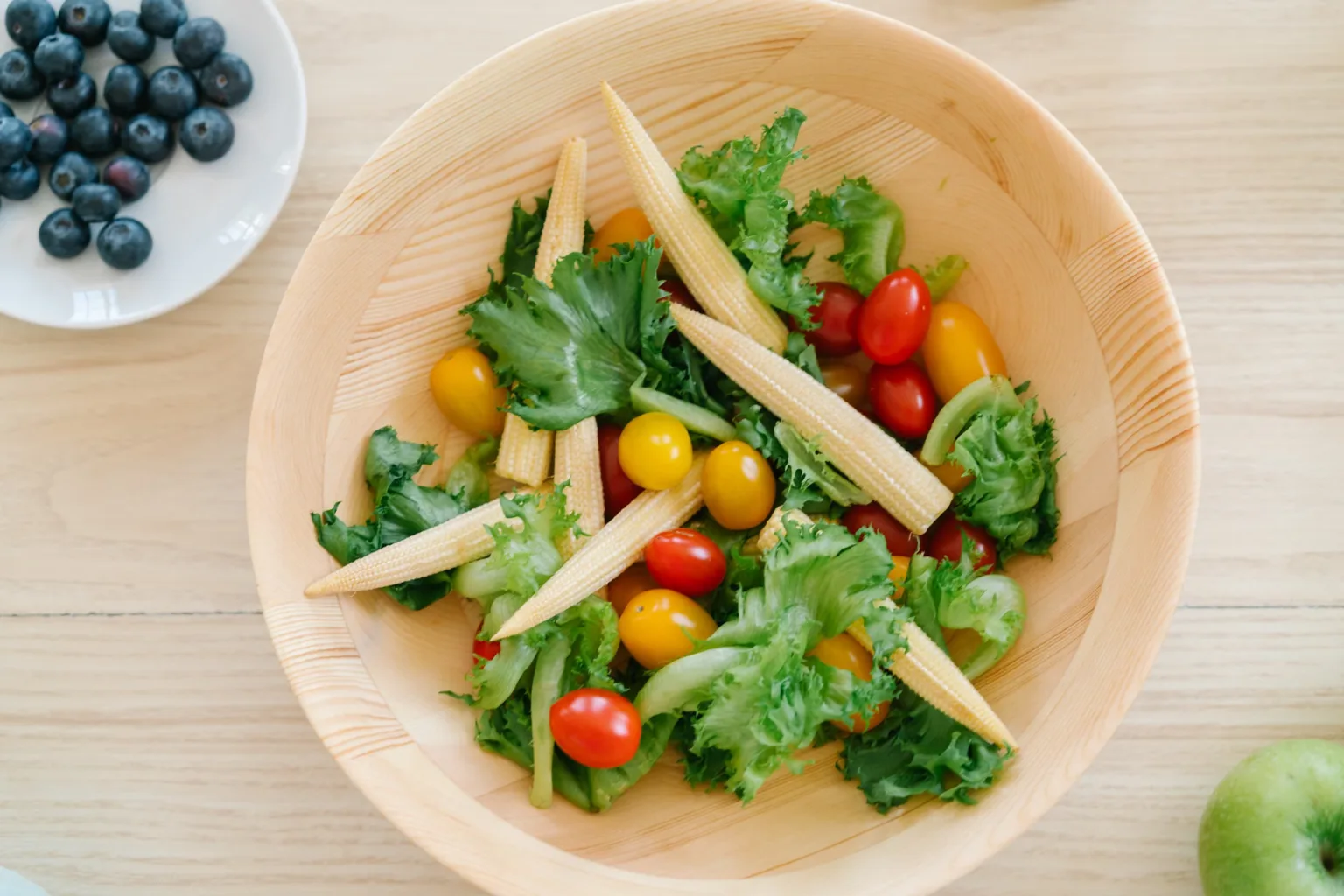
Canned baby corn is the ingredient presented as small ears of corn and packed in a can. It is different from loose canned sweet-corn kernels: the shapes differ, and the texture and result in a recipe may differ too. Available culinary information about canned corn mainly describes sweet-corn kernels, so its instructions should not automatically be applied to baby-corn pieces. Check the product presentation and package directions, and adapt cutting and preparation to the dish.
When to use it
Use it when a recipe can accommodate small pieces of canned corn and the shape of the baby-corn ears suits the dish. It can be considered for salads or hot preparations, following the recipe and package directions. The available culinary examples mainly concern sweet-corn kernels, so they do not guarantee the same result with baby corn in ear form. If a recipe calls for loose kernels, consider whether the change in shape and texture will work before substituting.
How to use it
Read the label first to check the ingredients and directions for use. Drain the pieces if the recipe calls for corn without packing liquid; rinsing is not a universal requirement, since it depends on the result you want and the product. Add them to a salad or hot dish when the recipe suits that form. Warm them briefly if the dish calls for it, following the package directions and without assuming they need the same cooking as raw corn. Cut them only if the recipe calls for it and the resulting shape suits the dish.
Flavour and texture
Flavor and texture can vary with the product and how it is made. The available information mainly describes canned sweet-corn kernels and does not establish the precise characteristics of every baby-corn product. Notice the pieces' firmness and shape when you open the can, bearing in mind that a whole piece does not give the same bite as loose kernels. Adjust cutting or warming to the recipe rather than expecting the formats to be identical.
How to choose it
Compare the product name and presentation with what the recipe calls for: baby-corn pieces and loose kernels have different shapes. Check the ingredient list and package directions, as canned products can vary. Choose a format that is practical for the dish and check whether the recipe needs whole pieces or separated kernels. Do not assume that directions for another form of corn describe this product.
Storage
Follow the storage directions on the label for the specific product. The available information about canned sweet-corn kernels does not establish storage conditions or times for baby corn. Do not infer an after-opening storage period from a different format; check the package and store the product according to its directions. If unsure, do not rely on a rule intended for another product.
Substitutions
Canned sweet-corn kernels may work in a recipe that allows loose kernels, but they do not reproduce the shape of baby corn or necessarily its texture. Fresh and vacuum-packed corn are other formats, not automatic equivalents. Before swapping, check whether the recipe can accommodate different-sized and shaped pieces; no substitution ratio is established for these options.
Common mistakes
Do not confuse baby-corn pieces with loose sweet-corn kernels: their shape and use may differ. Do not assume the packing liquid must always be kept or rinsed away; decide from the recipe and label. Avoid adding a long cooking step just because another form of corn needs one, and check the package directions.
Safety and allergens
Check the ingredients and allergen information on the specific product label. Ingredients and warnings can vary between products; general information about corn cannot confirm the composition of a particular can. Follow the manufacturer's directions for use and storage, and consult the package information if you have a food allergy.
Culinary uses
- Add small corn pieces to salads when their shape suits the dish.
- Use as a component in soups, stews, vegetable sautés or rice dishes when the recipe accommodates the product's form.
Recommended techniques
- Drain before use when the recipe calls for the corn without its packing liquid.
- Serve cold or warm briefly according to the recipe and the package directions.
Pairs well with
- Tomatoes, carrots, potatoes and legumes are suggested accompaniments for canned sweet-corn kernels; assess whether they suit the shape and texture of baby corn in the dish.
- Chilli powder or cayenne can provide a spicy contrast when that suits the recipe.
Frequently asked questions
Does canned baby corn need cooking?
Check the package and recipe directions. Do not assume that instructions for canned sweet-corn kernels apply in exactly the same way to baby-corn pieces.
Can I add it to a salad?
Yes, if the recipe allows canned corn pieces. Drain them if the recipe calls for corn without liquid, and remember that baby-corn pieces are not loose kernels.
Can I replace it with canned sweet-corn kernels?
Only if the recipe can accommodate a change in shape and texture. Loose kernels are not an equivalent replacement for baby-corn pieces.
Ingredient allergens
Allergen listThere are no verified associations for these ingredients yet.
Sources and review
Automatically researched, cross-checked and validated content. Sources consulted:
- Alérgenos alimentarios | EFSA www.efsa.europa.eu/es/safe2eat/food-allergens
- Agencia Española de Seguridad Alimentaria y Nutrición www.aesan.gob.es/
- Maíz: qué es, tipos y beneficios bonviveur.com/es/noticias/maiz
- Maíz dulce: propiedades, calorías, tipos y cómo utilizarlo en la cocina | Gastronomía & Cía www.gastronomiaycia.com/maiz-dulce/
- Maíz dulce, el cereal sin gluten que puedes disfrutar como una deliciosa verdura: propiedades, beneficios y cómo cocinarlo en casa www.directoalpaladar.com/ingredientes-y-alimentos/maiz-dulce-cereal-gluten-que-puedes-disfru…
- Granos de maíz dulce, conservados (orgánicos) | Fundación G+E www.diet-health.info/es/recetas/ingredientes/in/sh3170-maiz-dulce-amarillo-en-lata
- Allergies - Food Safety - European Commission food.ec.europa.eu/food-safety/campaign-2026/allergies_en
- Food Allergies | FDA www.fda.gov/food/nutrition-food-labeling-and-critical-foods/food-allergies
- Food allergens | Food Safety and Quality | FAO www.fao.org/food-safety/scientific-advice/food-allergens/en
- Precautionary labelling of foods for allergen content: are we ready for a global framework? - PMC pmc.ncbi.nlm.nih.gov/articles/PMC4005619/
- Food allergen labelling and information requirements technical guidance - GOV.UK www.gov.uk/government/publications/food-allergen-labelling-and-information-requirements-tech…
- Allergen labelling for consumers | Food Standards Australia New Zealand www.foodstandards.gov.au/consumer/labelling/allergen-labelling
- Maíz dulce en conserva: un ingrediente humilde con más historia (y potencial) del que parece - Garpa Alimentación - Almacenamiento y Distribución para las Islas Canarias garpa-alimentacion.com/maiz-dulce-en-conserva-un-ingrediente-humilde-con-mas-historia-y-pote…
- Maiz en conserva - - Receta - Canal Cocina canalcocina.es/receta/maiz-en-conserva-1
- - YouTube www.youtube.com/watch?v=42Nj_IpJFsk