- Category
- Vegetables
- State
- Fresh
- Usual unit
- g
What it is
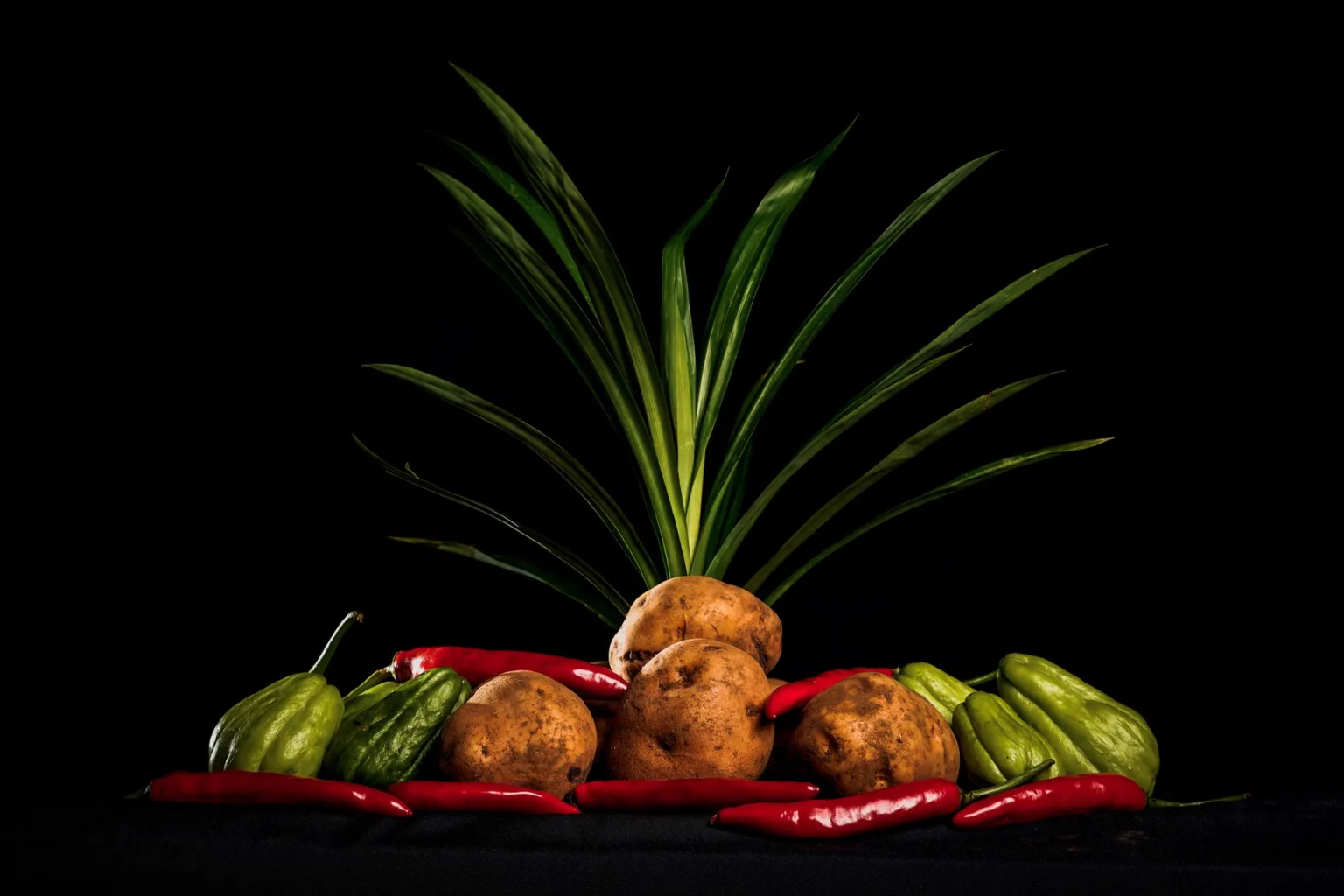
Chayote, also known in some places as mirliton or vegetable pear, is the edible fruit of a climbing plant in the cucurbit family, which also includes squash and cucumbers. Botanically it is a fruit, but it is generally prepared and served as a vegetable. The fruit is often pear-shaped, with light- to darker-green skin and pale, firm, moist flesh. Depending on the variety, the skin may be smooth, wrinkled, or spiny. Inside is a large, flat seed. It can be removed before cooking, as in a common diced preparation, or used as directed by a recipe. Chayote's restrained flavor makes it suitable for both savory dishes and some sweet preparations.
When to use it
Use chayote when you want a crisp texture and mild flavor in a salad, or a versatile vegetable for soups, stews, stir-fries, side dishes, and casseroles. Thinly sliced or grated raw chayote adds crunch without overpowering other ingredients. Cooked, it can be handled much like summer squash: steam, boil, bake, fry, stir-fry, or mash it. It can also be hollowed or halved for a stuffed baked dish. Availability varies with location and supply. Although it has traditionally been available during certain months in some markets, it may now be sold year-round.
How to use it
Wash chayote thoroughly under running water before cutting it. Remove the stem and, if the recipe calls for it, peel the skin; then halve the fruit and remove the central seed for cubes or slices. For salads and slaws, grate or slice it thinly and dress with lemon, oil, or a vinaigrette. For a side dish, steam or boil it to the texture you prefer; you can also stir-fry, fry, bake, add it to a casserole, or mash it. It fits into soups and stews with fish or meat. For a baked stuffed version, a filling can include raisins, nuts, brown sugar, and egg. Some chayote releases sap while being peeled, and this can irritate skin; wear gloves if needed and avoid touching your face.
Flavour and texture
Chayote has a very mild, sometimes slightly sweet flavor and pale, moist, firm flesh. Raw, it is crisp and refreshing; cooking softens it, although it can retain some firmness depending on the cut and cooking method. Its subtle taste lets dressings, seasonings, and other ingredients take the lead. Its appearance varies: the skin may be smooth or wrinkled and may have spines, but those differences do not prevent it from working in a range of dishes.
How to choose it
Choose fruit that feels firm, has fairly even color, and is free from significant bruises, dark blemishes, or soft spots. Skin can be smooth, wrinkled, or spiny, so do not judge quality by variety-specific appearance alone. Avoid fruit that has started to sprout if you are buying it for cooking; a young shoot emerging from the broad end is a visible sign. If you plan to peel it, be aware that sap may ooze out, and prepare a clean board and knife before you start.
Storage
Chayote can shrivel and dry out in a dry environment. To help retain moisture, place it in a closed bag or container and refrigerate it; check it periodically and discard fruit that has deteriorated. A home-preservation resource describes storage for up to a month under specified conditions, but actual keeping time depends on the fruit's condition and refrigerator temperature. To freeze it, wash the fruit, remove the ends and seed, cut it into dice, water-blanch for two minutes, cool, drain, and pack for freezing.
Substitutions
Summer squash is the closest substitute in cooked dishes because chayote can be prepared in similar ways. Potato can stand in when you want a mild piece in a stew, but the texture and moisture will differ. In some salads, cucumber can work, although it is more watery and has a different flavor. Adjust the cut and cooking time to suit the replacement rather than expecting every vegetable to behave exactly like chayote.
Common mistakes
Do not choose a soft, damaged fruit or one with a visible sprout for a dish that calls for sound, fresh produce. Washing only after cutting can transfer surface dirt to the flesh, so wash it first. Do not leave it exposed to dry air during storage, as it can lose moisture and shrivel. When peeling, do not ignore the sap: wear gloves if it irritates your skin and avoid rubbing your eyes. Finally, its mild flavor is not a substitute for seasoning, so season the dish to suit the recipe.
Safety and allergens
Wash chayote under running water before cutting and use clean utensils. Sap released during peeling may irritate skin; wear gloves if needed and wash your hands after handling it. If freezing, use a tested preparation and blanching procedure; do not improvise room-temperature canning methods.
Culinary uses
- Fresh, crisp addition to salads and slaws
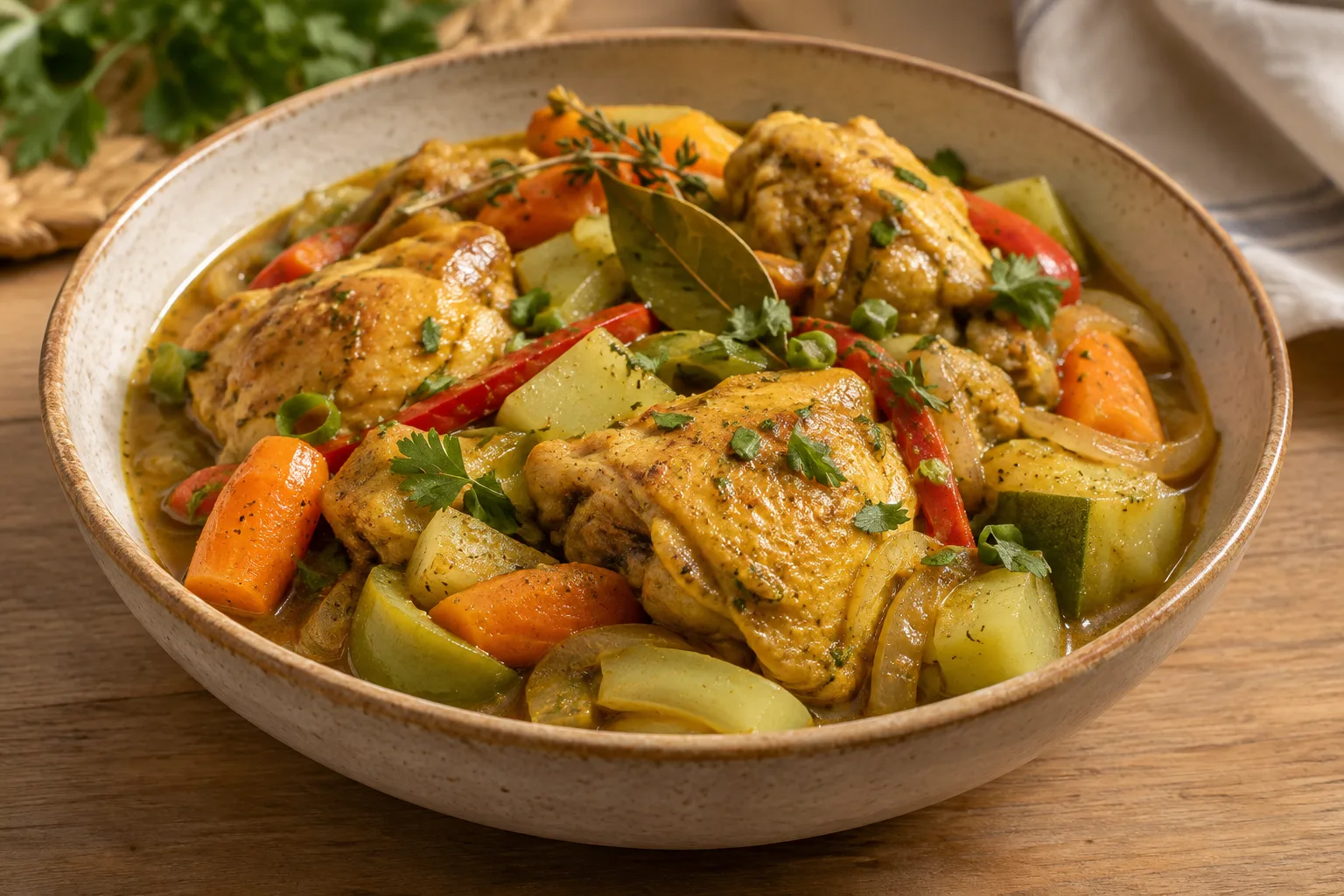
- Mild vegetable for cooked sides, soups, stews, and casseroles
- Stuffed vegetable for baked dishes
Recommended techniques
- Wash, halve, remove the central seed, and dice or slice
- Steam, boil, or simmer in stews
- Stir-fry, bake, fry, or mash
- Serve raw, thinly sliced or grated
Pairs well with
- Lemon or citrus and oil-based dressings
- Fish or meat in soups and stews
- Raisins, nuts, brown sugar, and eggs in a baked stuffed preparation
- Peppers and spices in relish or slaw
Frequently asked questions
Is chayote a fruit or a vegetable?
Botanically, it is a fruit, but it is commonly used as a vegetable in salads, stews, and side dishes.
Can chayote be eaten raw?
Yes. After washing, slice it thinly or grate it for salads and slaws. The raw flesh is firm and crisp.
Do I need to peel chayote and remove its seed?
It depends on the fruit and the recipe. A common preparation for diced cooked chayote is to peel it and remove the central seed. Wash it before cutting, and wear gloves if its sap irritates your skin.
Estimated nutrition
- Fat
- 0 g
- Saturates
- 0 g
- Carbohydrate
- 4.55 g
- Sugars
- 1.52 g
- Fibre
- 1.5 g
- Protein
- 1.52 g
- Salt
- 0 g
Sources and review
Automatically researched, cross-checked and validated content. Sources consulted:
- Client Challenge doi.org
- USDA FoodData Central libguides.marist.edu
- Using and Preserving Chayote - National Center for Home Food Preservation nchfp.uga.edu
- Chayote - Vegetable Resources Vegetable Resources aggie-horticulture.tamu.edu
- El chayote: el superalimento de Latinoamérica que llega al campo español plataformatierra.es
- Chayote: Propiedades, cómo se come... | Gastronosfera gastronosfera.com
- Sechium edule - Wikipedia, la enciclopedia libre es.wikipedia.org
- Chayote: qué es, propiedades, beneficios y recetas bonviveur.com
- Chayote—A Potential Vegetable Crop for Florida - Ask IFAS ask.ifas.ufl.edu
- Pacific Food Guide | Chayote manoa.hawaii.edu
- Let's Preserve: Squash and Pumpkins extension.psu.edu
- Squash: Value-Added On-Farm Processing - Alabama Cooperative Extension System aces.edu
- Chayote | Gastronomía & Cía gastronomiaycia.com