- Category
- Nuts and seeds
- State
- Fresh
- Usual unit
- tablespoon
What it is
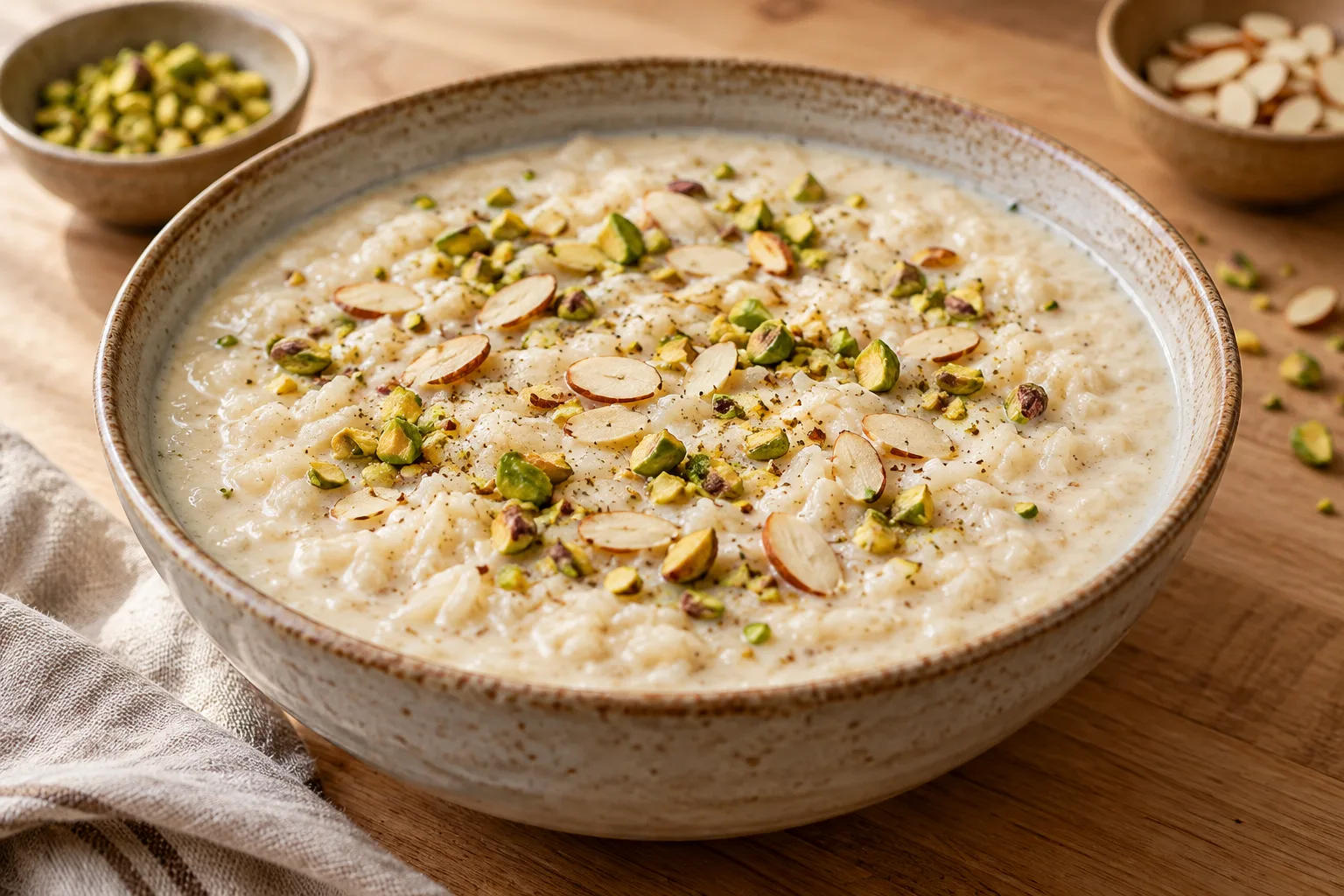
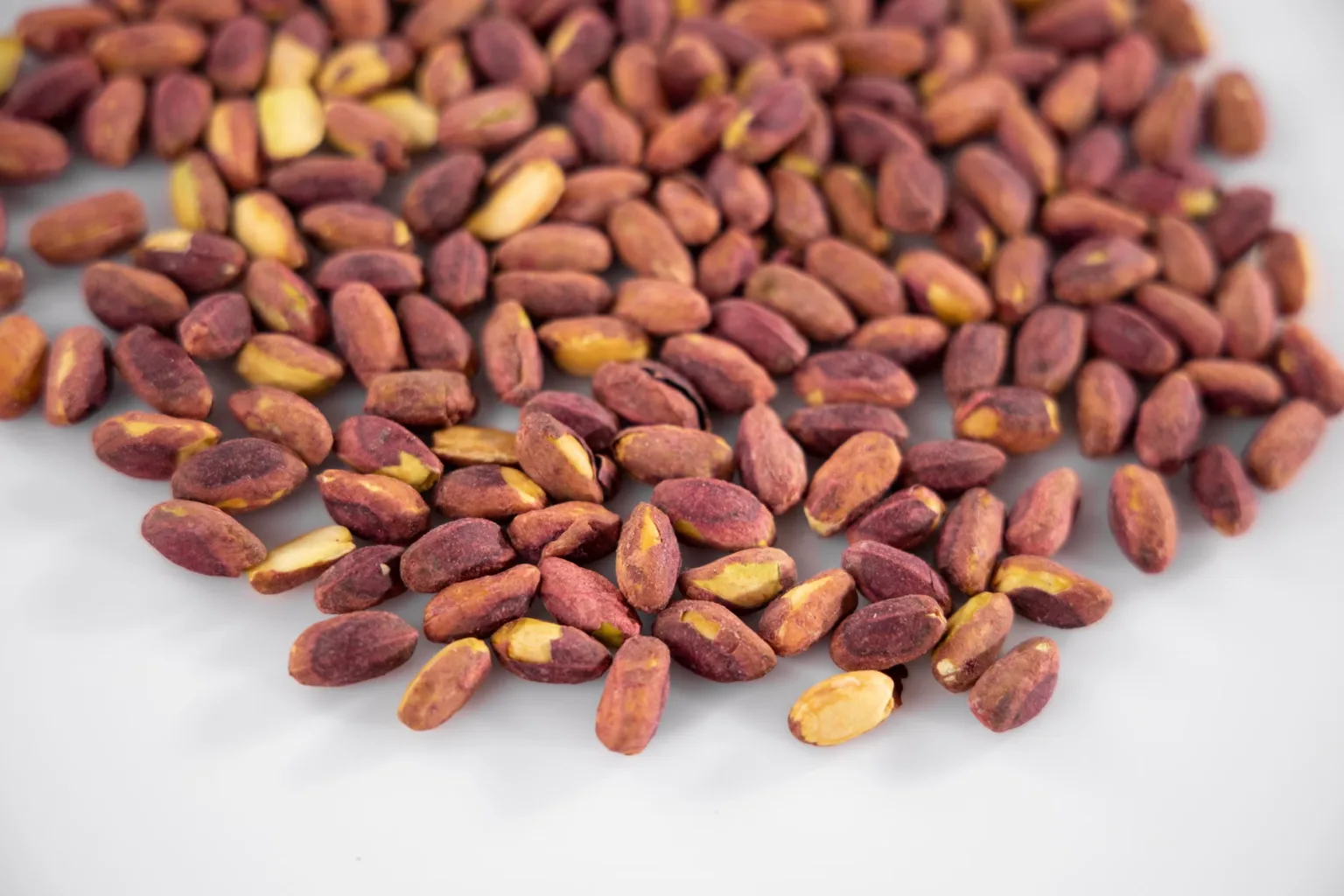
Chopped pistachios are pistachio kernels cut into pieces, ready to sprinkle or mix into a dish. The size of the pieces affects how they are noticed: larger pieces make a distinct crunchy topping, while smaller pieces spread more evenly through doughs, fillings and sauces. The product may be raw or roasted, skin-on or skinless, and salted or unsalted; these differences change its flavour and appearance, so choose a form that suits the dish. Chopped pistachios work in sweet cooking, including ice cream, cakes and biscuits, as well as savoury dishes such as salads, pasta, rice, fillings and crusts. They can also be ground for sauces or pesto. Pistachios are tree nuts, so check ingredient and allergen information whenever the ingredient is being served.
When to use it
Use chopped pistachios when you want pistachio flavour and noticeable texture without chopping whole kernels yourself. Sprinkle them over ice cream, yoghurt, bread or cakes near serving time to keep a textural contrast; mix them into doughs, fillings or other mixtures when you want them distributed through each portion. In savoury dishes, they can add texture to salads and pasta, or be used as part of a crust or coating. For sauces and pesto, grind them with the other ingredients to the consistency you want. If the product is already salted or roasted, remember that these qualities will affect the finished dish too.
How to use it
First check whether the pistachios are raw or roasted, salted or unsalted, and whether the skins are on: these features affect the flavour and appearance of the dish. For a crunchy finish, scatter them over ice cream, cakes, yoghurt, bread or salads shortly before serving. To include them in biscuits, cakes, fillings or other mixtures, add the chopped nuts and distribute them evenly. For a finer texture, grind them; they can be used in a sauce, cream or pesto. In savoury cooking, they can also form a crunchy topping or crust. Taste the dish before adjusting its salt, especially if the pistachios are salted. Do not assume that every chopped product has the same piece size or degree of roasting; check the product and adjust how you use it.
Flavour and texture
Pistachios have a distinctive flavour with vegetal and roasted notes that vary with the product. Chopped pieces give a firm, crunchy bite; when ground, they blend into a finer texture and can help make a sauce creamy. The skin may add a slight bitterness, while roasting and added salt change the final flavour. Their green colour can also provide visual contrast.
How to choose it
Choose the cut to suit the dish: visible pieces work well as a topping, while finer pieces mix more easily into doughs or fillings. Check whether the pistachios are raw or roasted, skin-on or skinless, and salted or unsalted. If you need to control the salt or want a less seasoned flavour, look for an unsalted product. Check the label carefully, especially when cooking for someone with a food allergy.
Storage
Keep chopped pistachios in an airtight container and follow the storage instructions on the package. Close the container after each use so the product is not left exposed to air. If its smell, appearance or texture seems abnormal, do not use it; safe storage conditions cannot be determined from the ingredient name alone.
Substitutions
In pesto, pine nuts can take the place of pistachios, but the flavour and texture will be different. If pistachios are only a topping, you can leave them out; the dish will lose their crunch and characteristic flavour, but does not need another ingredient in their place. Do not assume that a substitution will work the same way in every recipe.
Common mistakes
Do not overlook whether the pistachios are salted or roasted: either can change the balance of a dish. Adding them too early as a topping can reduce their crunch. Grinding them without considering the texture you want may make a sauce finer than expected. Always check the label when cooking for someone with a tree-nut allergy.
Safety and allergens
Pistachios are tree nuts and can cause an allergic reaction. If someone has a tree-nut allergy, do not serve pistachios as an ingredient, and check allergen information for both the product and the prepared dish. For packaged foods, read the ingredient list; for unpackaged food, ask how allergen information is provided.
Culinary uses
- Cobertura crujiente para postres, yogures y panes
- Ingrediente para salsas, pestos y rellenos
- Aporte de textura y sabor en ensaladas, pasta y platos salados
Recommended techniques
- Picar para espolvorear o incorporar a masas y rellenos
- Triturar para preparar salsas, cremas o pesto
- Usar como costra o rebozado en preparaciones saladas
Pairs well with
- Helados, tartas, galletas y chocolate
- Ensaladas, pasta y arroz
- Hierbas, cítricos y verduras
- Quesos y frutas
Frequently asked questions
How can I use chopped pistachios?
Sprinkle them over desserts, yoghurt, salads and bread, mix them into doughs or fillings, or grind them for sauces and pesto.
Can chopped pistachios be salted or roasted?
Yes. They may be raw or roasted, salted or unsalted, and skin-on or skinless. Check the package and account for these differences when cooking.
What can I use instead of pistachios in pesto?
Pine nuts are one option for that use, although the flavour and texture will change. You can also omit pistachios if they are only used as a topping.
Are pistachios an allergen?
Yes. Pistachios belong to the tree-nut allergen category, which must be declared when used as an ingredient in food.
Ingredient allergens
Allergen listDocumented presence
-
Tree nuts
Chopped pistachios
Estimated nutrition
- Fat
- 43.3 g
- Saturates
- 3.33 g
- Carbohydrate
- 30 g
- Sugars
- 0 g
- Fibre
- 10 g
- Protein
- 20 g
- Salt
- 0 g
Sources and review
Automatically researched, cross-checked and validated content. Sources consulted:
- Alérgenos alimentarios | EFSA www.efsa.europa.eu/es/safe2eat/food-allergens
- Client Challenge doi.org/10.2307/jj.27939689.16
- Gastronomía de Costa Rica - Wikipedia, la enciclopedia libre es.wikipedia.org/wiki/Gastronom%C3%ADa_de_Costa_Rica
- Etiquetado de sustancias que causan alergias e intolerancias alimentarias www.aesan.gob.es/seguridad-alimentaria/informacion-alimentaria/etiquetado-sustancias
- Pistachos. Propiedades, beneficios y usos en la cocina tradicional y actual www.abc.es/recetasderechupete/pistachos-propiedades-beneficios-y-usos-en-la-cocina-tradicion…
- El pistacho en restauración y pastelería - Itac Professional www.itac-professional.com/blog/el-pistacho-en-restauracion-y-pasteleria-tendencias-usos-e-in…
- Cómo utilizar los pistachos en la cocina | El Manisero www.elmanisero.es/como-utilizar-los-pistachos-en-la-cocina/
- - YouTube www.youtube.com/watch?v=9iQkp0umero
- Obtención del ajo negro por reacción de Maillard para el desarrollo de productos culinarios y su aplicación en cocina innovadora | OpenAlex openalex.org/W2991569715
- Allergies - Food Safety - European Commission food.ec.europa.eu/food-safety/campaign-2026/allergies_en
- Food allergen labelling and information requirements technical guidance - GOV.UK www.gov.uk/government/publications/food-allergen-labelling-and-information-requirements-tech…
- Pistachos ecológicos en la Gastronomía Española: Tradiciones y Recetas pistamed.com/pistachos-ecologicos-gastronomia-espanola/?srsltid=AYCX9vKShUi3ZJ9rmWKkDAoYYxQS…
- Todo sobre el pistacho en 15 minutos agroptimum.com/magazine/todo-sobre-el-pistacho
- Maridajes perfectos para pistachos gourmet pistachosbevia.com/2025/10/21/maridajes-perfectos-pistachos-gourmet/
- 12 recetas con pistachos, enriquece tus platos con sabor, textura y salud | Gastronomía & Cía www.gastronomiaycia.com/12-recetas-con-pistachos-enriquece-tus-platos-con-sabor-textura-y-sa…
- Pistachos: cómo utilizar el fruto seco de moda en la cocina www.hola.com/cocina/noticias/20231026242416/recetas-con-pistachos-fruto-seco-de-moda/