- Category
- Meat
- State
- Fresh
- Usual unit
- unit
What it is
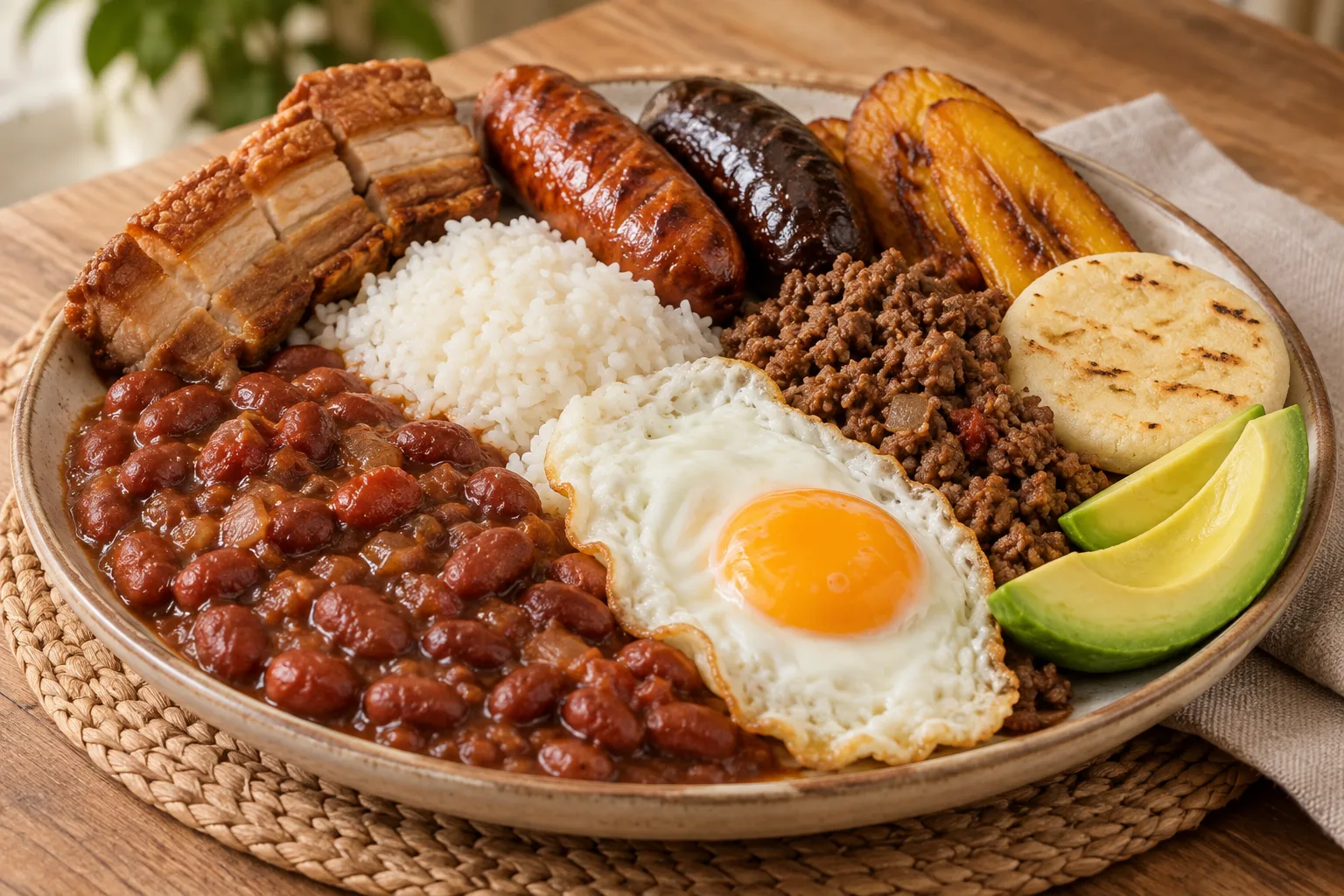
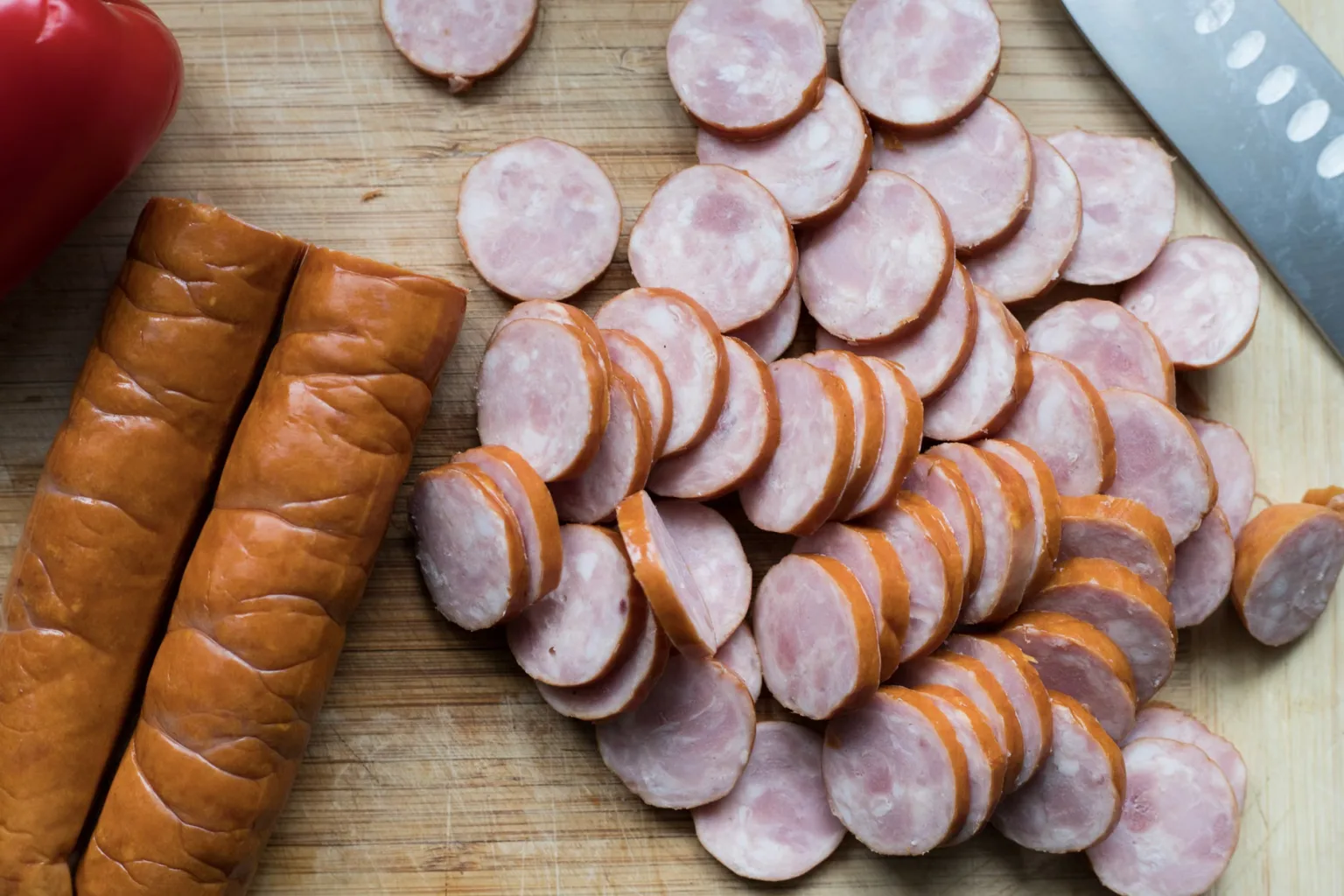
Chorizo is a seasoned sausage made from meat and fat, usually pork, mixed with salt and seasonings and stuffed into a natural or artificial casing. Paprika and garlic are characteristic flavours in many Spanish-style varieties, although recipes differ by style and region. Chorizo is not a single uniform product: it may be fresh, cured or smoked, and also varies in size and seasoning. Fresh chorizo is tender and juicy and needs cooking before eating. Cured chorizo is dried during production and is commonly served sliced without cooking. Identify the specific presentation before planning a dish, because the name alone does not always tell you whether a product is ready to eat.
When to use it
Choose fresh chorizo when you want to cook it in a pan, grill it or add it to a stew; it brings a seasoned flavour and juicy texture. Cured chorizo works well sliced in sandwiches and on charcuterie boards, and can be added to hot dishes that suit a firmer sausage. Smoked varieties contribute a different aromatic character. Recipes, curing and heat levels vary, so check the product label and match the preparation to the particular chorizo.
How to use it
Before cooking, check whether the chorizo is fresh, cured or smoked, and follow the package directions. Fresh chorizo needs cooking; it can be pan-cooked, fried or added to stews and other simmered dishes. When using a pan, avoid crowding the pieces so they can brown more evenly. Cured chorizo is commonly sliced and served in sandwiches or as a tapa; it can also be added to hot dishes when the recipe suits its firmer texture. Chorizo pairs well with eggs, potatoes, legumes and vegetables. Heat level, fat content and intensity vary by product, so taste as you go and adjust the salt and seasonings in the dish.
Flavour and texture
The flavour is generally savoury and seasoned, often with paprika and garlic notes, but heat and aroma vary by style. Fresh chorizo tends to be tender and juicy; cured chorizo is firmer and more concentrated, while smoked versions may have a deeper aroma. Fat content and sausage size also affect the texture.
How to choose it
Check whether the product is labelled fresh, cured or semi-dried, and follow its package directions for preparation and storage. The style can affect heat, smokiness, thickness and ingredients. If you need to know the ingredients or allergens in a particular brand, read its label or ask the seller.
Storage
Fresh and semi-dried chorizo should be kept refrigerated, and fresh chorizo must be cooked before eating. Cured chorizo may be stored outside the refrigerator under the appropriate conditions, but storage depends on the product. Follow the label, especially after opening; do not assume that instructions for one variety apply to another.
Substitutions
A seasoned fresh sausage can replace fresh chorizo in a cooked recipe, but the flavour will differ. Cured chorizo can work in sandwiches or dishes that suit a firmer texture, but it is not an exact substitute for fresh chorizo. Adjust the seasoning and salt to the product you use.
Common mistakes
Do not assume that every chorizo is ready to eat: fresh chorizo needs cooking, while cured chorizo is commonly served without cooking. Another mistake is treating every variety alike; heat, smoke, texture and storage differ by product. Check the label.
Safety and allergens
Distinguish fresh chorizo from cured chorizo, and cook fresh chorizo before eating. Store each type according to its package directions. If you have a food allergy, check the ingredients and allergen information for the specific product; recipes can vary between brands.
Culinary uses
- Ingrediente principal en guisos, potajes y platos de sartén
- Aporte de sabor especiado a bocadillos, tapas y platos con huevos o patatas
Recommended techniques
- Cocinar a la plancha o freír, si se trata de chorizo fresco
- Añadir a guisos o potajes; el chorizo curado también puede servirse en lonchas
Pairs well with
- Patatas y huevos
- Legumbres y verduras para guisos o potajes
Frequently asked questions
Can chorizo be eaten without cooking?
Cured chorizo is commonly served without cooking. Fresh chorizo needs to be cooked before eating; check the product type and package directions.
What is the difference between fresh and cured chorizo?
Fresh chorizo is tender and juicy and needs cooking. Cured chorizo is dried during production, becomes firmer and is commonly served sliced without cooking.
What flavours are typical of chorizo?
Many varieties have paprika and garlic notes, but heat, saltiness and aroma vary with the recipe and product.
Ingredient allergens
Allergen listThere are no verified associations for these ingredients yet.
Estimated nutrition
- Fat
- 25.1 g
- Saturates
- 8.6 g
- Carbohydrate
- 3.78 g
- Sugars
- 0 g
- Fibre
- 0 g
- Protein
- 13.6 g
- Salt
- 1.97 g
Sources and review
Automatically researched, cross-checked and validated content. Sources consulted:
- Alérgenos alimentarios | EFSA www.efsa.europa.eu/es/safe2eat/food-allergens
- Client Challenge doi.org/10.2307/jj.27939689.16
- Etiquetado de sustancias que causan alergias e intolerancias alimentarias www.aesan.gob.es/seguridad-alimentaria/informacion-alimentaria/etiquetado-sustancias
- Chorizo - Wikipedia, la enciclopedia libre es.wikipedia.org/wiki/Chorizo
- Chorizo - Conozca las diferentes variedades - BR Spanish Gourmet www.brspanishgourmet.com/es/blog/289-chorizo-conozca-las-diferentes-variedades.html
- El chorizo: historia, tipos y beneficios de un icono de la gastronomía española - Cárnicas Anjos carnicasanjos.com/historia-del-chorizo-tipos-beneficios/
- Allergies - Food Safety - European Commission food.ec.europa.eu/food-safety/campaign-2026/allergies_en
- Food Allergies | FDA www.fda.gov/food/nutrition-food-labeling-and-critical-foods/food-allergies
- Food allergens | Food Safety and Quality | FAO www.fao.org/food-safety/scientific-advice/food-allergens/en
- Food Allergy: Labelling and exposure risks - PMC pmc.ncbi.nlm.nih.gov/articles/PMC11250542/
- Allergen guidance for food businesses - GOV.UK www.gov.uk/government/publications/allergen-guidance-for-food-businesses/allergen-guidance-f…
- Allergen labelling for consumers | Food Standards Australia New Zealand www.foodstandards.gov.au/consumer/labelling/allergen-labelling
- ¿Cómo se hace el chorizo? www.campofrio.es/como-se-hace-el-chorizo
- ¿Cuál es la composición del chorizo? | Embutidos españoles directos.eu/es/blog/cual-es-la-composicion-del-chorizo?srsltid=AYCX9vJlcDnQU7-ClxD3COehdGbuV…