- Category
- Baking
- State
- Powdered
- Usual unit
- g
What it is
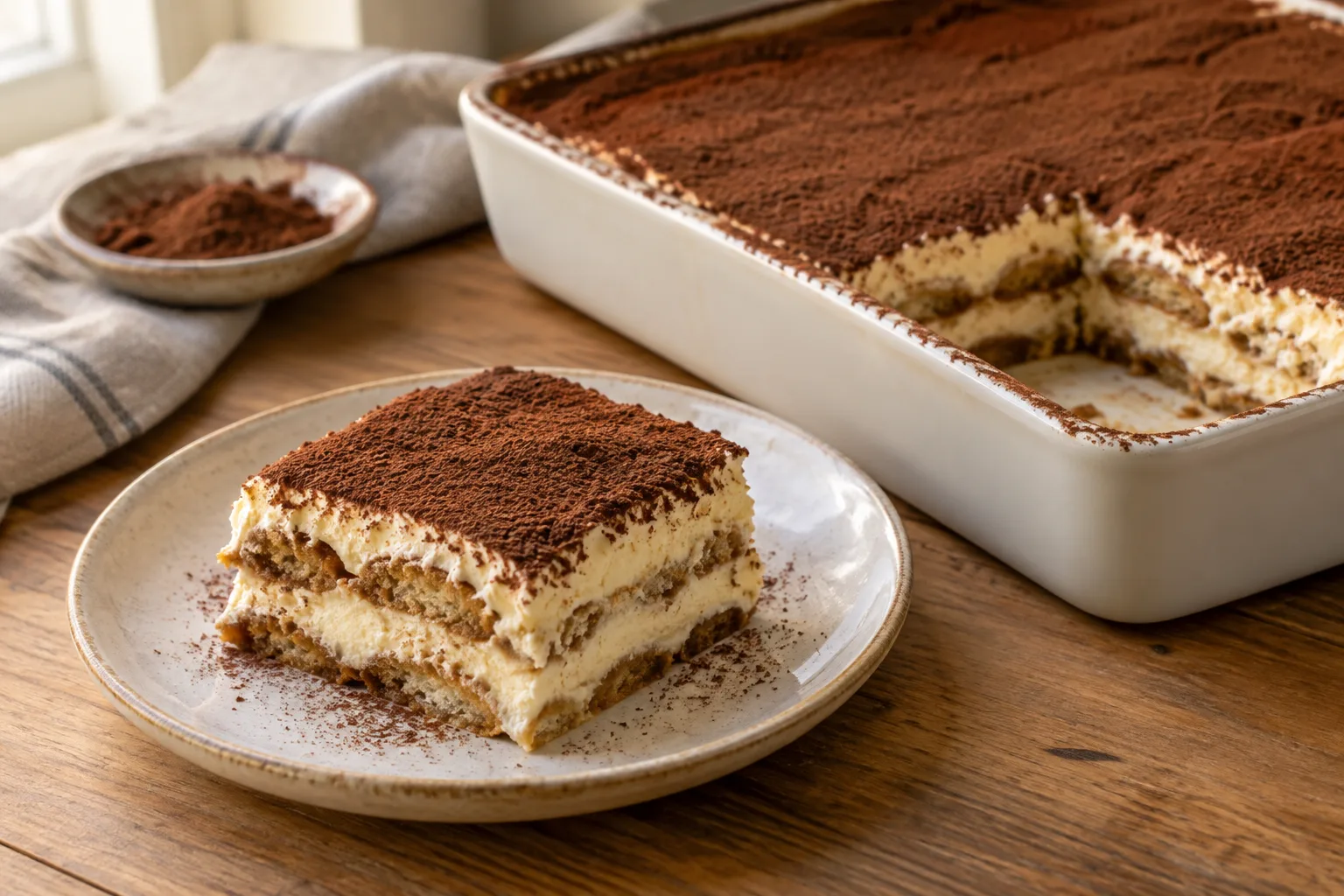
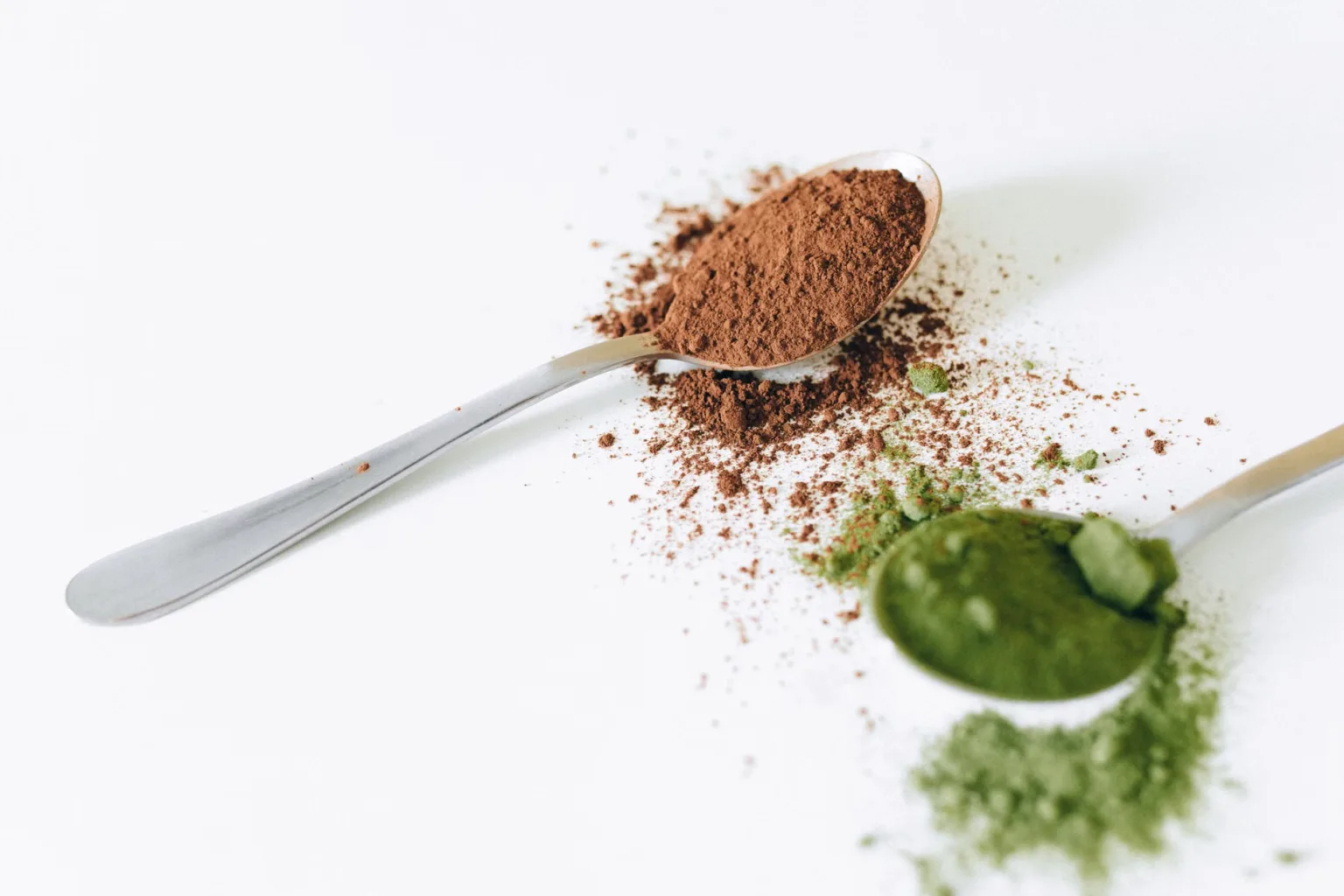
Cocoa powder is a dry product made from processed and ground cacao. It is not necessarily the same as an instant drink mix: those products may include sugar, milk powder, flavorings or other ingredients. Pure cocoa powder typically has a pronounced, bitter flavor and is used to flavor and color batters, desserts and drinks. Natural and treated products can differ in acidity, color, flavor and how they behave in a recipe. Check the package to identify the type and see whether it contains only cocoa or additional ingredients.
When to use it
Use cocoa powder when you want a distinct cocoa flavor in brownies, cakes, cookies, creams, puddings, ice cream or drinks. It can also add a cocoa note to some sauces and savory dishes when that flavor suits the preparation. Natural and treated cocoa do not always behave alike in baking, particularly when a recipe relies on a chemical raising agent. Follow the type specified in the recipe, and consider the other ingredients before making a substitution.
How to use it
For a drink, first stir the cocoa with a small amount of liquid to make a smooth paste, then add the remaining liquid; this helps distribute the powder. You can also add it to batters, creams, puddings, smoothies or ice-cream mixtures. Sifting before adding helps disperse it. In savory dishes, begin with a modest amount so the cocoa does not dominate. Do not treat pure cocoa powder, melted chocolate and instant cocoa mix as equivalent: chocolate and mixes may add fat, sugar, milk or other ingredients that change the result.
Flavour and texture
Pure cocoa powder is usually pronounced and bitter, although its flavor varies with the product and its processing. The powder is dry and fine, but it can clump when it meets liquid. Products treated to reduce acidity may taste milder and look darker than some natural cocoa powders.
How to choose it
Read the ingredient list to distinguish cocoa powder from a drink mix. Check whether the product is natural or treated, whether sugar has been added, and what the package says about its use. Color and flavor vary, so neither is a reliable way to identify the type on its own. If a recipe names a particular type, choose a product that matches it.
Storage
Check and follow the package directions because products can differ. Close the package between uses and keep moisture away from the powder. Keeping it in its original packaging makes its ingredient list and instructions easy to consult. If the package is damaged or the product has changed unexpectedly, follow the manufacturer's guidance before using it.
Substitutions
Cocoa powder is not automatically interchangeable with melted chocolate: chocolate also contributes fat and may contain sugar or milk. Drink mixes can sweeten a recipe and change its texture. A plant-based drink can be used as the liquid in a cocoa beverage, but that does not make cocoa powder a universal substitute for other ingredients.
Common mistakes
Confusing pure cocoa with a sweetened drink mix can change a recipe's sweetness and texture. Adding the powder straight to a large amount of liquid can leave lumps; mixing it with a little liquid first helps. Natural and treated cocoa are also not always interchangeable, especially when a recipe relies on cocoa acidity and a chemical raising agent.
Safety and allergens
Always check the product label and follow its directions. Commercial products and mixes can vary in composition, so do not assume a package contains only cocoa. If you have a food allergy, check the ingredients and allergen information for the specific product before consuming it.
Culinary uses
- Aporta sabor y color a masas y postres
- Ingrediente para bebidas de cacao y chocolate caliente
- Da un matiz de cacao a algunas salsas y platos salados
Recommended techniques
- Tamizar o dispersar en una pequeña cantidad de líquido para reducir los grumos
- Incorporar a masas de repostería y mezclas para postres
- Mezclar con líquidos para preparar bebidas
Pairs well with
- Plátano, fresa, frambuesa y naranja
- Canela, vainilla, cardamomo y chile
- Leche, nata, yogur y frutos secos
Frequently asked questions
Is cocoa powder the same as chocolate drink powder?
Not necessarily. Pure cocoa powder may contain only cocoa, while drink mixes may include sugar, milk powder or other ingredients. Check the package ingredient list.
Can I use natural and treated cocoa interchangeably?
Not always. They can differ in acidity, flavor, color and baking behavior. It is best to follow the type specified in the recipe.
How can I prevent lumps in a drink?
Stir the cocoa with a small amount of liquid first to make a smooth paste, then add the rest of the liquid.
Ingredient allergens
Allergen listThere are no verified associations for these ingredients yet.
Estimated nutrition
- Fat
- 12.5 g
- Saturates
- 0 g
- Carbohydrate
- 50 g
- Sugars
- 0 g
- Fibre
- 25 g
- Protein
- 25 g
- Salt
- 0 g
Sources and review
Automatically researched, cross-checked and validated content. Sources consulted:
- Romanica Olomucensia : «¿Qué pinga es esto?». Usos disfemísticos en el español de Cuba doi.org/10.5507/ro.2021.007
- Gastronomía de México - Wikipedia, la enciclopedia libre es.wikipedia.org/wiki/Gastronom%C3%ADa_de_M%C3%A9xico
- Cacao: qué es, tipos y beneficios bonviveur.com/es/noticias/cacao
- Leche en polvo | OpenAlex openalex.org/W2982248435
- El cacao: historia, variedades y usos en la gastronomía - facilisimo.com facilisimo.com/cocina/el-cacao-historia-variedades-y-usos-en-la-gastronomia_2619280.html
- Advertencia para personas con alergia o intolerancia a diferentes sustancias: posible presencia de sustancias alergénicas o que provocan intolerancia no declaradas en el etiquetado en español en mochis de chocolate (Ref ES2025/057) aesan.gob.es/alertas/2025_07
- Not so sweet: True chocolate and cocoa allergy - PMC pmc.ncbi.nlm.nih.gov/articles/PMC6815241/
- Federal Register :: Request Access www.ecfr.gov/current/title-21/chapter-I/subchapter-B/part-163
- ¿Cacao o chocolate? Curiosidades sobre este delicioso ingrediente, ideal en las especialidades sin gluten. www.proceli.com/curiosidades-cacao-o-chocolate-especialidades-sin-gluten/
- Cacao en polvo, sin azúcar (¿crudo?, ¿orgánico?) | Fundación G+E www.diet-health.info/es/recetas/ingredientes/in/ur7257-cacao-en-polvo-sin-edulcorar
- Cacao: ¿Qué es y para qué sirve? | Terranea Seguros - Un blog de seguros diferente blog.terranea.es/cacao/
- Cacao. Aplicaciones culinarias | Blog - Recetas www.cebanatural.com/cacao-aplicaciones-culinarias-blog-388.html?srsltid=AYCX9vL8faVlpw56p1FE…
- Cacao en polvo vs. chocolate fundido – La Servilleta de Tela laservilletadetela.wordpress.com/2013/02/05/cacao-en-polvo-vs-chocolate-fundido/
- Cacao Powder: Análisis y comparativa de los mejores polvos de cacao para repostería y chocolate caliente doncaramelo.es/cacao-powder/