- Category
- Drinks
- State
- Fresh
- Usual unit
- ml
What it is
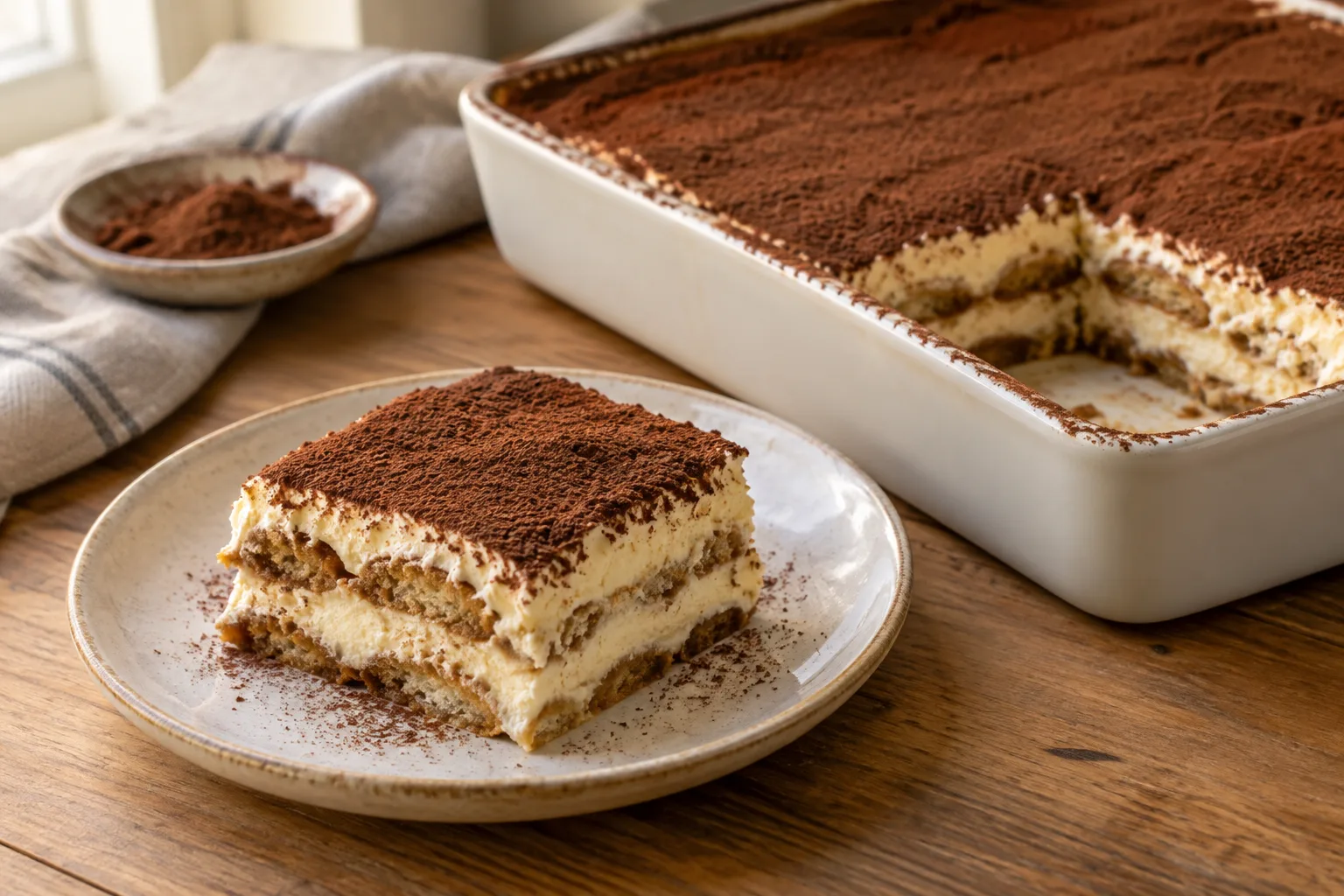
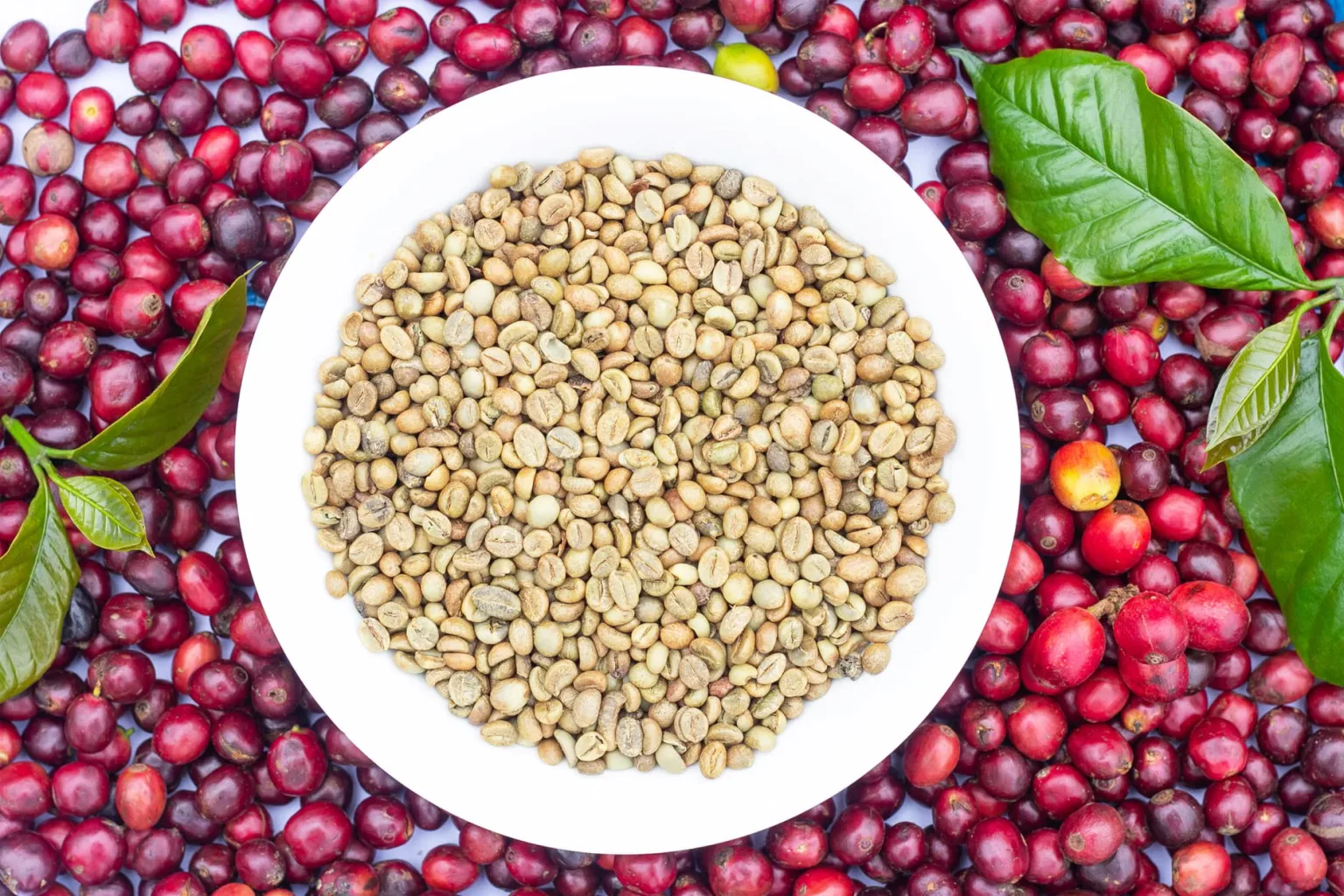
Prepared coffee is a drink made by bringing water into contact with roasted, ground coffee; one common method filters hot water through the grounds. The word also refers to the dry ingredient, sold as whole beans or ground coffee. The grounds can be infused to extract aroma and flavour, or prepared coffee can be added directly to a recipe. The result varies with the product and method: unfiltered grounds leave particles, while brewed coffee contributes liquid and aroma. Coffee is used in sweet and savoury dishes, and its intensity needs to be balanced with the other ingredients. Choose a form that suits the texture and liquid balance the recipe requires.
When to use it
Use coffee when you want a pronounced roasted aroma in a drink, dessert or savoury dish. It is often served plain or with milk or sugar; in cooking it can go into vinaigrettes, meat sauces, marinades, rice cooking liquid and desserts. Brewed coffee adds liquid, whereas ground coffee can add particles and a different mouthfeel. Choose the format for the texture you want, and taste as you go: coffee can overpower ingredients with a delicate flavour if too much is added.
How to use it
Prepare coffee in the form the recipe calls for: brewed coffee when you need liquid and aroma, or grounds when you want their particles to remain. For a vinaigrette, combine coffee with oil and the other dressing ingredients; strain it if you prefer a smoother result. For a sauce or marinade, mix coffee with the chosen seasonings and use it in the preparation, reducing the liquid when the recipe calls for it. Coffee can also flavour rice cooking liquid or be included in desserts such as flans, biscuits and ice cream. Add it gradually and taste the mixture before serving so its intensity stays balanced.
Flavour and texture
Coffee typically brings an intense roasted, bitter flavour and a distinctive aroma. Its profile varies with the product and preparation, and it can work with sweet, spicy or chocolate notes. Brewed coffee is liquid; ground coffee adds particles and a less smooth texture unless it is strained.
How to choose it
Choose whole-bean, ground or prepared coffee to suit the intended use and the equipment available. For recipes, consider whether you need to control the amount of added liquid or want particles in the finished dish: strained brewed coffee behaves differently from grounds. Check the package and its instructions, and select a format that fits the recipe without extensive adjustment.
Storage
Store coffee according to the package directions and keep the product closed when not in use. Treat prepared coffee as a ready-to-drink beverage: make the amount you need and follow the storage instructions for that specific product. There is no single storage duration that applies to every format; check the label and do not use a product if its storage history or condition is uncertain.
Substitutions
In a recipe that can accommodate liquid, brewed coffee can replace grounds, but the texture and possibly the intensity will change. In a vinaigrette or sauce, strained brewed coffee avoids particles; grounds may feel grainy. Do not assume the formats are interchangeable in equal amounts: account for the recipe's liquid and taste as you adjust.
Common mistakes
Adding too much coffee at once can make its bitter, roasted flavour overwhelm a dish. Another common mistake is replacing grounds with prepared coffee without accounting for the extra liquid and different texture. Decide whether you want a smooth infusion or particles, add coffee gradually and balance the mixture before serving.
Safety and allergens
Check the product label and follow its preparation and storage instructions. If you have a food allergy, check the label of the specific product and ask about the ingredients in prepared foods served with it.
Culinary uses
- Bebida preparada a partir de café tostado y molido
- Aromatizante para preparaciones dulces y saladas
- Ingrediente para vinagretas, salsas y líquidos de cocción
Recommended techniques
- Preparar una infusión de café y añadirla a una elaboración
- Incorporar café molido a una mezcla y colarla después si se desea una textura más lisa
- Usar café en un marinado y reducir el líquido como parte de una salsa
Pairs well with
- Aceite de oliva y verduras a la parrilla
- Cerdo y especias
- Arroz, caldo y setas
- Chocolate y postres
Frequently asked questions
Can coffee be used in savoury dishes?
Yes. It can be added to vinaigrettes, sauces, marinades and cooking liquids; use it sparingly so it does not dominate the dish.
Should I use grounds or brewed coffee in a sauce?
Brewed coffee adds liquid and can be strained to remove particles. Grounds produce a different texture if they are not strained out.
How can I replace ground coffee with brewed coffee?
You can do so when the recipe can accommodate liquid, bearing in mind that intensity and texture will change. Adjust the other liquid in the recipe.
Ingredient allergens
Allergen listThere are no verified associations for these ingredients yet.
Estimated nutrition
- Fat
- 0 g
- Saturates
- 0 g
- Carbohydrate
- 0.32 g
- Sugars
- 0 g
- Fibre
- 0 g
- Protein
- 0 g
- Salt
- 0 g
Sources and review
Automatically researched, cross-checked and validated content. Sources consulted:
- Alérgenos alimentarios | EFSA www.efsa.europa.eu/es/safe2eat/food-allergens
- Agencia Española de Seguridad Alimentaria y Nutrición www.aesan.gob.es/
- Café - Wikipedia, la enciclopedia libre es.wikipedia.org/wiki/Caf%C3%A9
- Food Allergies | FDA www.fda.gov/food/nutrition-food-labeling-and-critical-foods/food-allergies
- Food allergy risks and dining industry – an assessment and a path forward - PMC pmc.ncbi.nlm.nih.gov/articles/PMC10090668/
- Allergens in food | safefood.vic.gov.au www.safefood.vic.gov.au/allergens-in-food
- Food information to consumers - legislation - Food Safety food.ec.europa.eu/food-safety/labelling-and-nutrition/food-information-consumers-legislation…
- Client Challenge doi.org/10.2307/j.ctv1tqcw9h.3
- El café como alimento | Coffee Lounge España coffeelounge.delonghi.com/es-es/discover/el-cafe-como-alimento/
- El café en la gastronomía www.joseanalija.com/cafe/
- El café como ingrediente en la gastronomía - Guay Café guaycafe.es/el-cafe-como-ingrediente-en-la-gastronomia/
- EL CAFÉ: LOS CAMBIOS EN SUS USOS Y ... ciencialatina.org/index.php/cienciala/article/download/25325/35613
- Descubre el café como ingrediente: Cocina con café - La Española Aceites www.laespanolaaceites.com/blog/descubre-el-cafe-como-ingrediente-cocina-con-cafe/
- El café como ingrediente en la cocina: recetas www.cervezasalhambra.com/es/mirador/estendencia/el-cafe-como-ingrediente
- El mundo del café, su origen, cultivo y sabores - Diario de Gastronomía: Cocina, vino, gastronomía y recetas gourmet diariodegastronomia.com/el-mundo-del-cafe-su-origen-cultivo-y-sabores/