- Category
- Pulses
- State
- Fresh
- Usual unit
- g
What it is
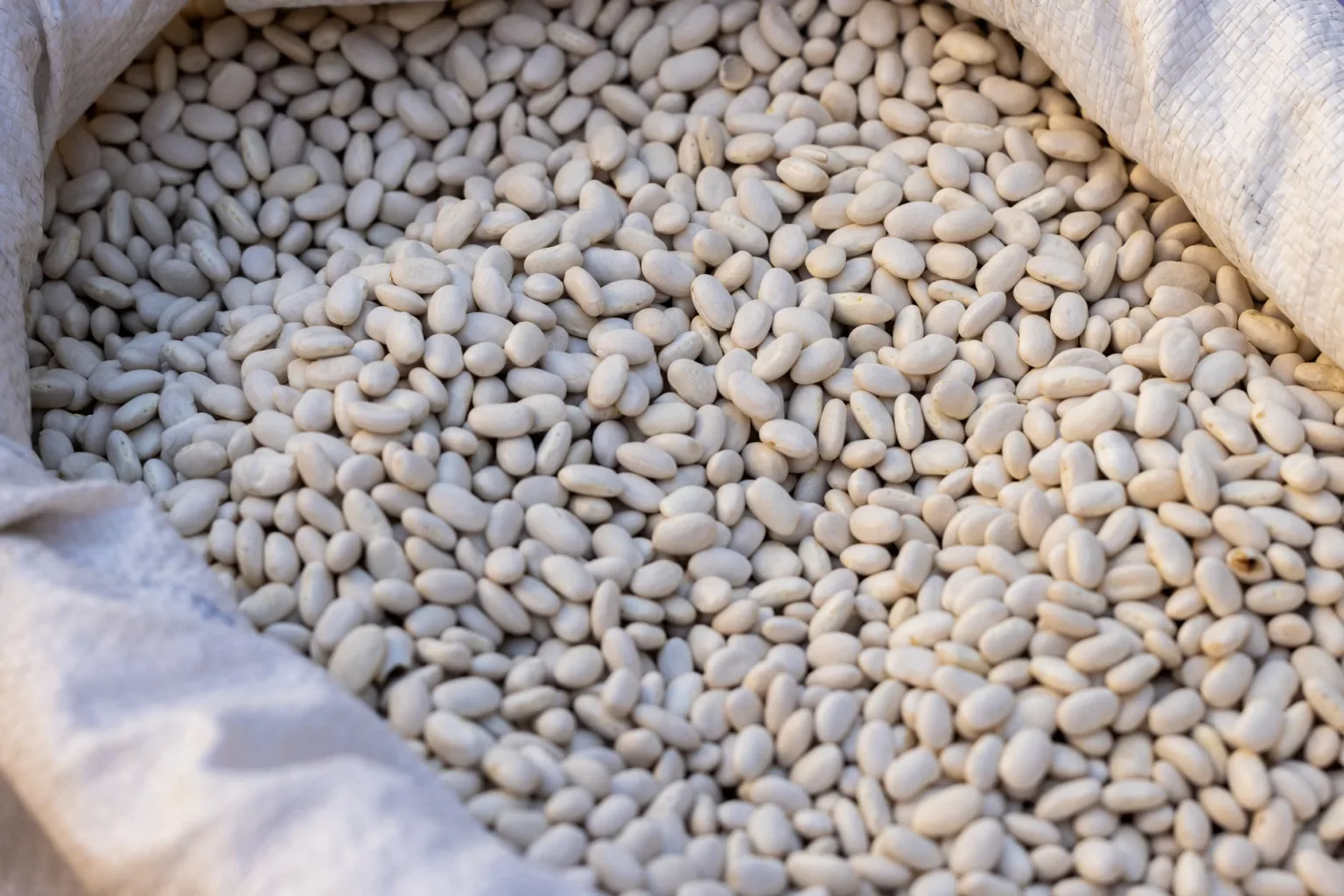
Cooked cannellini beans are white beans of the cannellini type that have already been cooked. They are elongated and kidney-shaped, with a soft flesh that can feel creamy when eaten or mashed. The word “cooked” describes their preparation state but does not say whether they were cooked at home or sold in a can or jar; check the package when buying a packaged product. White beans are sold dried as well as ready to use in cans or jars, and size and shape vary among types. In cooking, cannellini beans add substance without a strongly dominant flavor: serve them whole, toss them into a salad or add them to a hot dish. Mashing or blending some of the beans can help thicken soup or give a dish a softer, creamier consistency.
When to use it
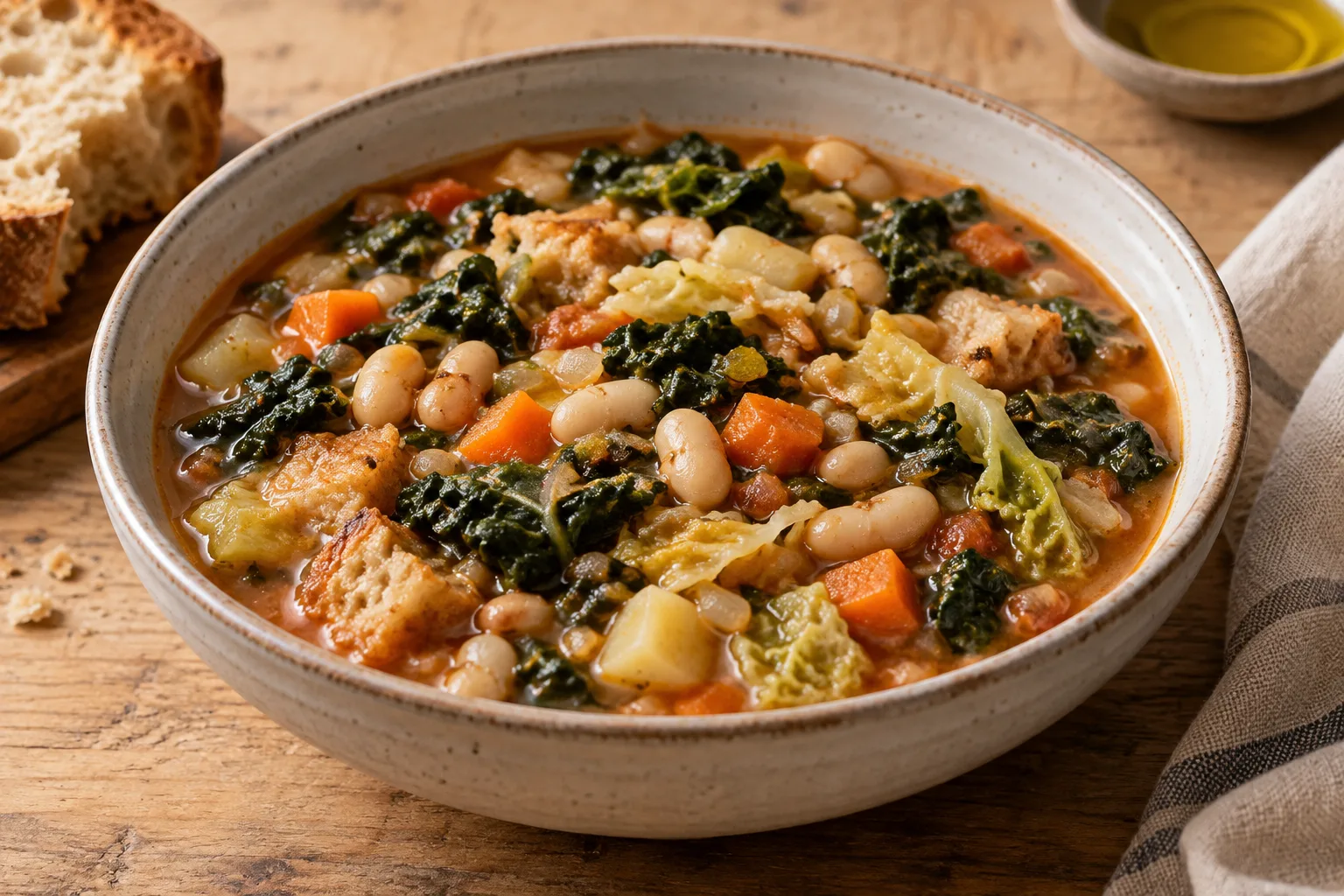
Use them when you want tender beans in a meal without starting with dried beans, provided the product is actually cooked and ready to use. They fit into soups and stews, where they can accompany vegetables and a tomato base, as well as salads dressed with olive oil and a little lemon. They can also add body to a pasta dish or form the base of a simple bean-and-herb combination. For a thicker texture, mash some of the beans and leave the rest whole. White bean varieties differ in size and creaminess, so a swap may change the final result. Check the package to confirm the preparation state and follow its directions.
How to use it
If the beans come from a can or jar and the package identifies them as cooked, drain them before using. Briefly rinsing is an option if you want to remove some of the packing liquid or soften its flavor; let them drain well, especially for a salad. Add them whole to soups and stews, stirring gently so they keep their shape. For a thicker consistency, mash a few with a fork or blend some and stir them back in. In salads, combine them with tomato, onion, olive oil and lemon, or herbs such as rosemary or sage. To warm them, add them to the dish as it cooks and check that the particular product is ready to eat according to its package; do not treat dried beans as if they were already cooked.
Flavour and texture
Their flavor is mild and unobtrusive, so they take on the character of seasonings and other ingredients. Cooked flesh is tender and can seem creamy, especially when some of the beans are mashed or blended. Skin, size and firmness may differ between products and cooking methods; do not expect every white bean to have exactly the same texture.
How to choose it
For packaged beans, check that the product is identified as cooked cannellini beans, read the ingredient list and follow the package directions for use and storage. White beans are also sold dried, canned or jarred; these forms do not all call for the same preparation. If you want whole beans for a salad, choose a product whose presentation suits your dish, bearing in mind that size and shape vary.
Storage
Storage depends on whether the beans were freshly cooked or packaged, and whether a package has been opened. Follow the package directions for storage and use when available. Once opened, do not assume that the directions for an unopened package still apply. Store home-cooked beans hygienically and refrigerate them; the evidence available here does not establish a safe storage period. Discard the product if its package is damaged or you notice signs of spoilage.
Substitutions
In soups, stews and salads, other white beans, such as navy or Great Northern beans, can replace cannellini. The dish can retain a mild bean character, but size and creaminess may differ. Adjust how and when you add them to suit the recipe and the product’s preparation state; do not assume dried beans are ready to use like cooked beans.
Common mistakes
A common mistake is treating cooked beans like dried beans, or assuming that every product called a white bean is cooked and ready to serve. Check the package and its directions. For salads, draining the beans well helps prevent packing liquid from diluting the dressing. Vigorous mashing or stirring can break up the beans.
Safety and allergens
If you have a food allergy, check the ingredient and allergen information on packaged products, and ask for allergen information for unpackaged foods. A variety name or recipe is not a substitute for checking the label. Follow the package directions for use and storage.
Culinary uses
- Base suave y cremosa para sopas y guisos
- Ingrediente principal o complemento en ensaladas y platos de legumbres
Recommended techniques
- Escurrir y enjuagar las alubias cocidas en conserva antes de incorporarlas, si se desea retirar parte del líquido de conservación
- Chafar una parte para dar más cuerpo a sopas o ensaladas
Pairs well with
- Tomate, ajo, cebolla y aceite de oliva
- Limón, romero, salvia o laurel
Frequently asked questions
How can I use cooked cannellini beans?
Add them to soups, stews or salads. You can also mash some of the beans to give soup or another bean dish more body.
Do canned cannellini beans need rinsing?
You can drain and briefly rinse them if you want to remove some packing liquid or soften its flavor. Check the product directions.
What can I use instead of cannellini beans?
Other white beans, such as navy or Great Northern beans, can work in soups, stews and salads. Their size and creaminess may differ.
Ingredient allergens
Allergen listThere are no verified associations for these ingredients yet.
Sources and review
Automatically researched, cross-checked and validated content. Sources consulted:
- Alérgenos alimentarios | EFSA www.efsa.europa.eu/es/safe2eat/food-allergens
- Client Challenge doi.org/10.2307/jj.27939689.16
- Las alubias o habichuelas: origen, variedades, beneficios y recetas para cocinar la legumbre más extendida del mundo www.directoalpaladar.com/ingredientes-y-alimentos/alubias-habichuelas-origen-variedades-bene…
- Etiquetado de sustancias que causan alergias e intolerancias alimentarias www.aesan.gob.es/seguridad-alimentaria/informacion-alimentaria/etiquetado-sustancias
- Allergies - Food Safety - European Commission food.ec.europa.eu/food-safety/campaign-2026/allergies_en
- Food Allergies | FDA www.fda.gov/food/nutrition-food-labeling-and-critical-foods/food-allergies
- Food allergen portal | Food Standards Australia New Zealand www.foodstandards.gov.au/consumer/foodallergies/food-allergen-portal
- Food allergen labelling and information requirements technical guidance - GOV.UK www.gov.uk/government/publications/food-allergen-labelling-and-information-requirements-tech…
- Alubias Riñón Cannellini: El ingrediente versátil y sabroso que no puede faltar en tu cocina mayoristas.frutosecosnavas.com/producto/alubias-rinon-canellini/
- Alubias blancas | Sabor, uso y aplicaciones – Goed en lekker goedenlekker.nl/es/pages/alubias-blancas
- Alubias cannellini: calorías e información nutricional | EatBetter www.eatbetter.app/es/alimento/alubias-cannellini
- Ensalada de alubias cannellini – fresca, nutritiva y llena de sabor - Recetas deliciosas www.gzrecipes.com/es/amicincucina/ensalada-de-alubias-cannellini-fresca-nutritiva-y-llena-de…