- Category
- Grains, flour and pasta
- State
- Dry
- Usual unit
- g
What it is
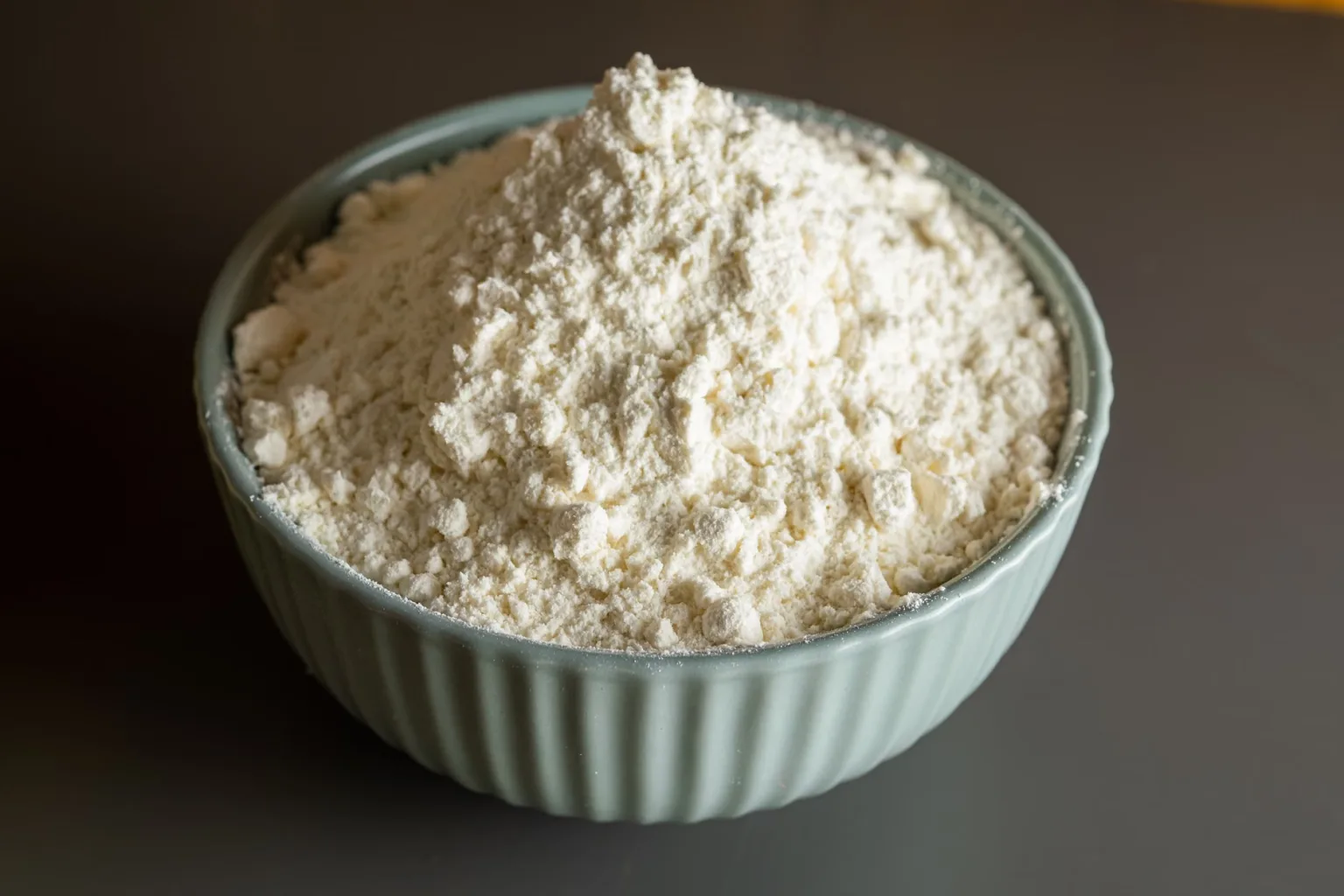
Corn flour is made by grinding corn kernels, but it is not one single product: fineness and any prior treatment of the kernels can vary. Dry-milled corn flour is different from coarser cornmeal and from cornstarch, which is a distinct fraction of the kernel. Precooked and nixtamalized corn flours are also available; they undergo particular processes and are used for different preparations. As a result, the words “corn flour” may refer to products that behave differently when mixed with water or cooked. To choose the right one, check the product name, description, and suggested use on the package. Color alone does not identify how it was processed or guarantee that two products can be substituted for each other.
When to use it
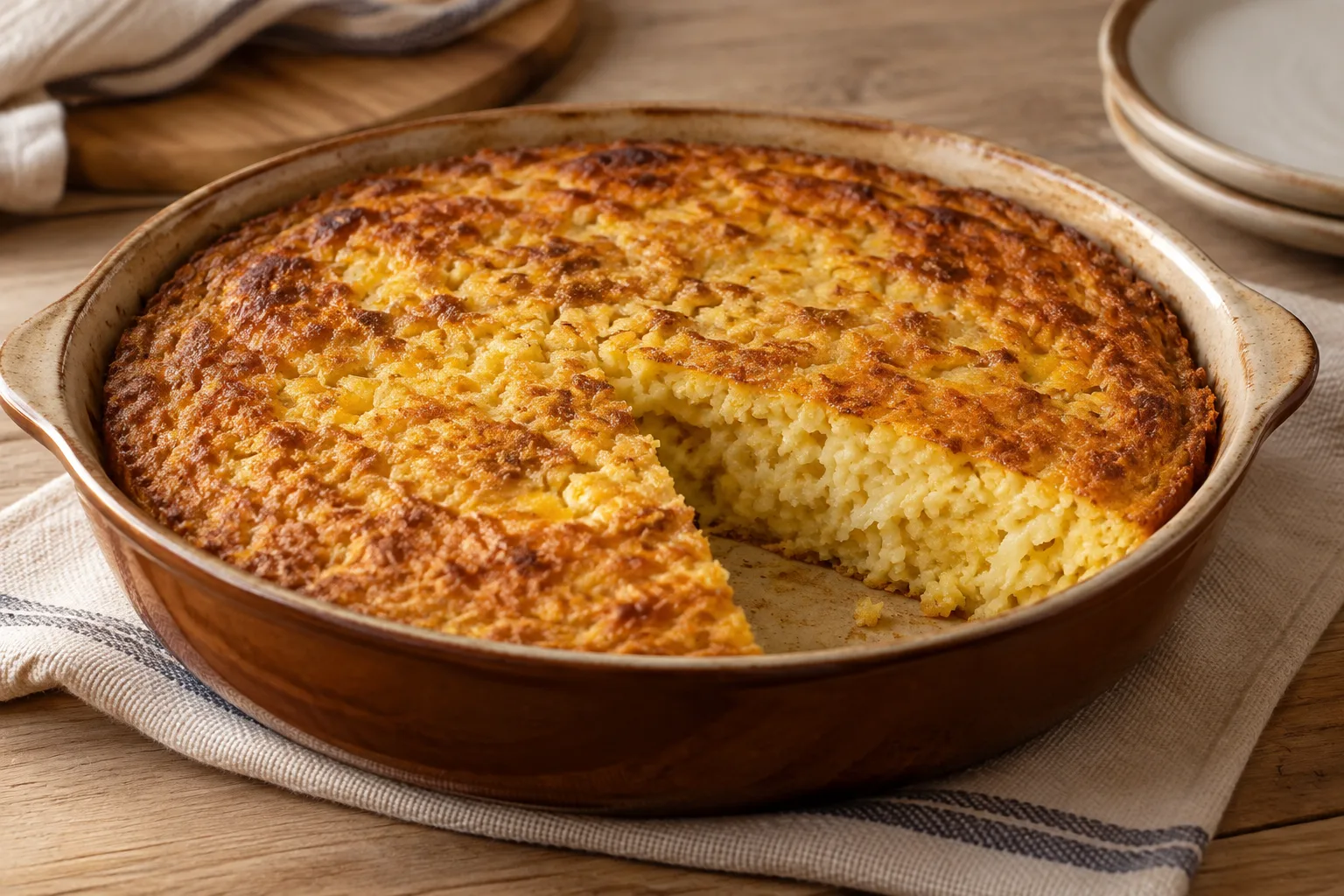
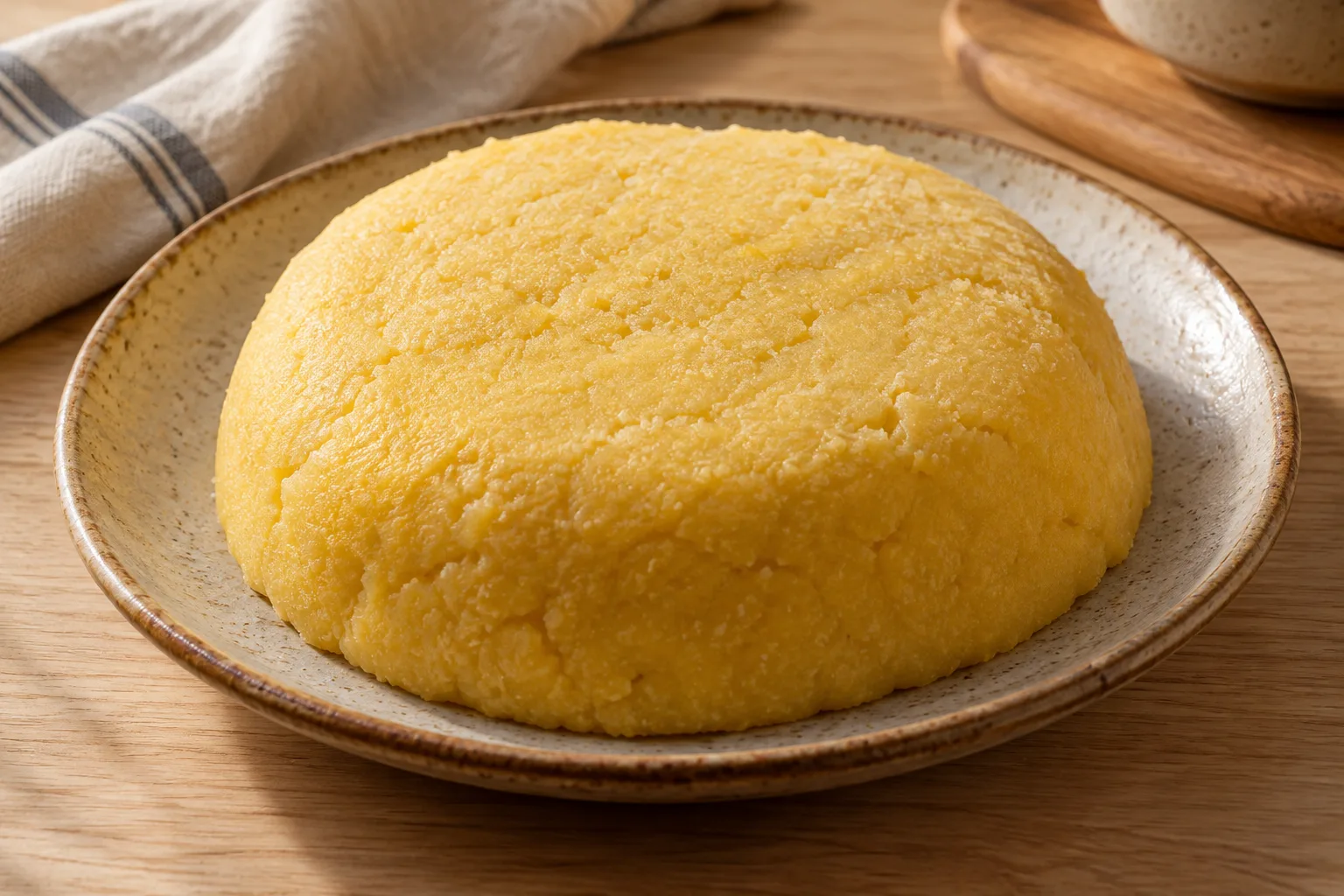
Choose corn flour when a recipe specifically calls for it and you want corn flavor, structure, or a particular texture. Depending on the product, it can be used in doughs, flatbreads, coatings, soups, creams, or baked preparations. For tortillas, arepas, and other traditional doughs, check whether nixtamalized or precooked flour is required: ordinary flour milled from dry corn may not give the same result. A recipe for thickening liquid may call for cornstarch, which is not the same as corn flour. If a recipe specifies cornmeal, do not automatically replace it with fine flour, since the difference in grind changes the finished texture.
How to use it
Read the product name and package directions before you begin: corn flour, cornmeal, cornstarch, precooked flour, and nixtamalized flour have different uses. For dough, add liquid gradually and mix to the consistency specified by the recipe; do not assume every flour absorbs liquid in the same way. In soups or sauces, add the product as directed and stir to distribute it without lumps. For coatings, use the stated proportion, either on its own or combined with other ingredients. Some breads and baked doughs combine corn flour with other flours; follow the formula rather than automatically replacing all the wheat flour. For tortillas, arepas, and other specific preparations, use the kind of ground corn the recipe calls for, since prior processing changes how the dough forms.
Flavour and texture
Its flavor is recognizably corn-like and may be mild or more pronounced depending on the corn, grind, and processing. Texture varies too: fine flour behaves differently from coarse cornmeal, which leaves a more granular result. Toasted or otherwise processed products can have their own characteristics, so color alone cannot predict flavor or performance in a recipe. Once cooked, corn flour can add body and structure, but it does not always make an elastic dough; that depends on the product and the other ingredients.
How to choose it
Look for the exact product name and check the suggested uses. Confirm whether the recipe needs ordinary corn flour, cornmeal, cornstarch, precooked flour, or nixtamalized flour; these terms are not interchangeable. Fine and coarse grinds produce different results, and color can vary with the corn used. Choose a sealed package in good condition, and check the ingredient list and any cross-contact warnings if those details matter to you.
Storage
Keep the product sealed and follow the package storage directions, since flour types and packaging can vary. As a general guide for dry corn, the available evidence emphasizes a cool, dry place; avoid moisture and protect the package after opening. Follow any more specific manufacturer directions. Do not assume that storage guidance for whole kernels guarantees the shelf life of a particular flour.
Substitutions
Do not automatically swap corn flour for cornmeal or cornstarch: their grind and composition differ and can change the texture. Precooked and nixtamalized flours are not universal substitutes either; use them when the recipe is designed for them. If you only have another type, check whether the recipe allows the change and alter the method only when its directions support doing so.
Common mistakes
A common mistake is treating all corn flours as identical. Fine flour, cornmeal, cornstarch, precooked flour, and nixtamalized flour have different properties and uses. A recipe may also fail if wheat flour is replaced completely with corn flour without adapting the formula. Check the package name and follow the type and proportions specified.
Safety and allergens
Store the flour according to the package directions and keep it from getting damp. If you need to avoid an ingredient because of an allergy or sensitivity, check the specific product’s ingredient list and warnings: manufacturing conditions can vary.
Culinary uses
- Base para masas y panes planos
- Espesante para sopas, salsas y cremas
- Ingrediente para rebozados y preparaciones horneadas
Recommended techniques
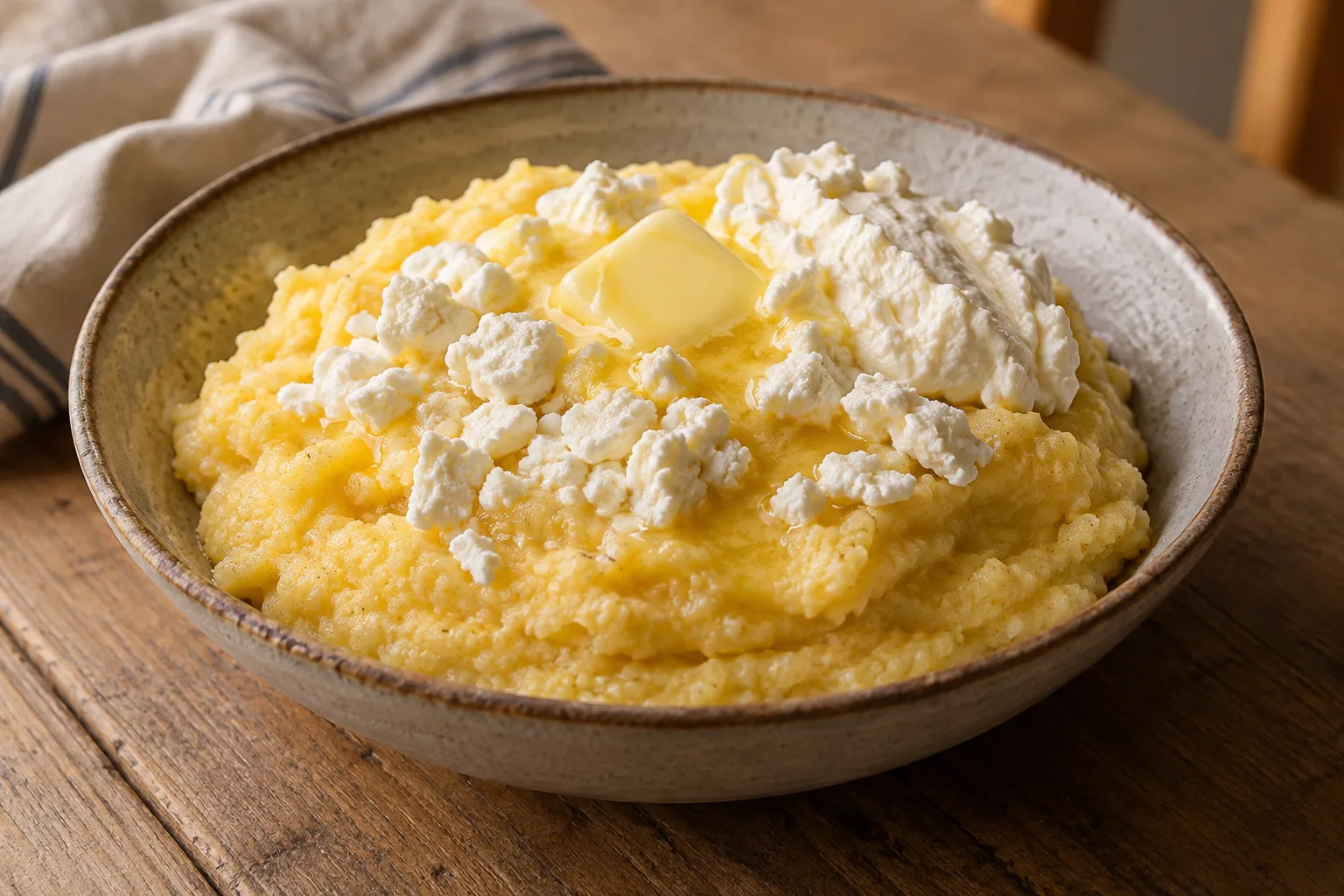
- Mezclar con líquido para formar una masa o una papilla
- Cocer para espesar sopas, salsas o preparaciones de maíz
- Combinar con otras harinas en algunas masas horneadas
Pairs well with
- Agua
- Legumbres y verduras
- Quesos y otros rellenos salados
- Ingredientes dulces para masas y postres
Frequently asked questions
Is corn flour the same as cornmeal?
Not necessarily. Cornmeal is generally more coarsely ground than corn flour, and that difference affects texture and use.
Can I use corn flour and cornstarch interchangeably?
No. Cornstarch is a different product used in recipes that call for its particular function, such as thickening. It is not a direct substitute for flour in dough.
Can I use any corn flour to make tortillas?
Not always. Some recipes require nixtamalized flour, while others use a specific dough or corn product. Check the type specified in the recipe.
Estimated nutrition
- Fat
- 5.17 g
- Saturates
- 0 g
- Carbohydrate
- 75.9 g
- Sugars
- 0 g
- Fibre
- 6.9 g
- Protein
- 10.3 g
- Salt
- 0.08 g
Sources and review
Automatically researched, cross-checked and validated content. Sources consulted:
- The Essential Glossary of Cooking Terms for the Culinary Arts - Escoffier escoffier.edu
- Evaluación de harina de amaranto como ingrediente antioxidante para la preparación de matrices alimentarias funcionales doi.org
- Washington State Food Access English-Spanish Glossary wpcdn.web.wsu.edu
- Harinas de maíz ¿Cuántos tipos hay y para qué sirven? - Formacion en Gastronomia formacionengastronomia.com
- La harina de maíz y sus diferentes usos en la cocina | masymas supermercados supermasymas.com
- Para qué sirve la harina de maíz y cuántos tipos de ella existen eldiario.es
- Agencia Española de Seguridad Alimentaria y Nutrición aesan.gob.es
- How to Cook Corn Tortillas | Institute of Culinary Education ice.edu
- ¡Manos en la masa! - Berkeley Food Institute food.berkeley.edu
- Recipes | Servicio de Extensión de OSU extension.oregonstate.edu
- ¿Qué es la harina de maíz? Propiedades y valor nutricional | Maya SL mayasl.com