- Category
- Vegetables
- State
- Dry
- Usual unit
- unit
What it is
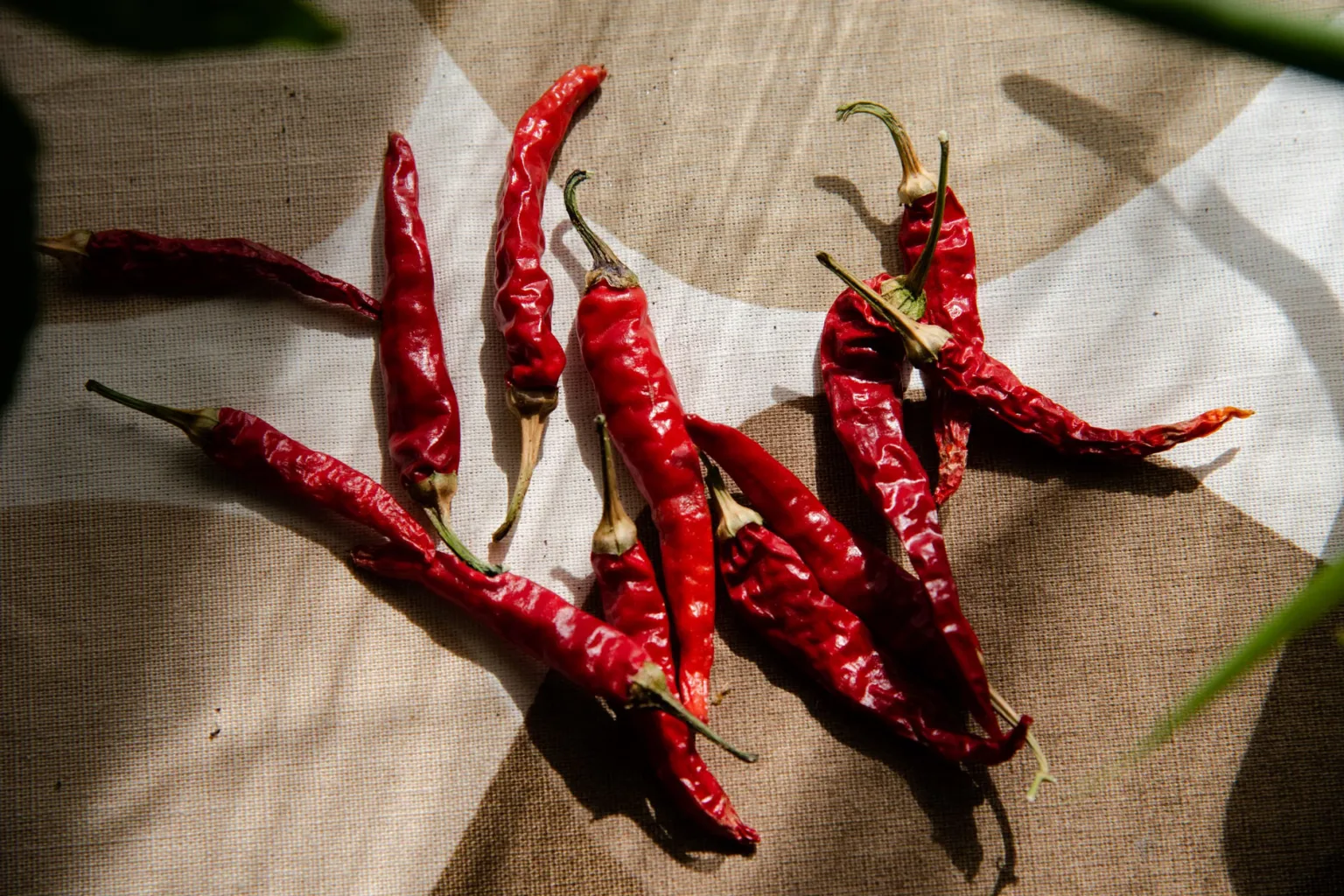
Dried árbol chiles are dehydrated chile fruits with a slender, elongated shape and usually a deep red color. They are identified as Capsicum annuum and are used chiefly as a seasoning rather than as a side vegetable. Their heat and aroma make them useful when a sauce or stew needs a noticeable kick. The level of heat can vary, so it is sensible to begin with a small amount and adjust to taste. They can be used whole, crushed, or softened by soaking before being blended into a preparation.
When to use it
Use them when a sauce, stew, or condiment needs direct, noticeable heat. They work particularly well in table sauces and preparations made with tomatillos and garlic or with other dried chiles. Because their heat can be substantial and is not always consistent, add them a little at a time and taste before adding more. If you want flavor without much heat, choose a milder dried chile rather than relying on a large quantity of árbol chile that may be difficult to correct.
How to use it
Inspect the chiles and discard any that look damaged. For a sauce, you can toast them briefly, watching closely, and then blend them with the other ingredients; avoid prolonged toasting so the flavor is not harmed. You can also soak them to soften them and make blending easier. A common sauce combination includes tomatillos and garlic, with the chile crushed or blended in. Begin with a small amount, mix, and taste before adjusting: the heat can be strong. If you crush the chiles dry, add them gradually so they are distributed evenly.
Flavour and texture
They bring pronounced heat and a characteristic aroma. Whole, they are firm and dry; toasting or soaking changes their texture and makes them easier to crush or blend. Heat and aromatic nuances can vary between products, so do not assume every chile will have exactly the same intensity.
How to choose it
Look for whole dried chiles with a reasonably even appearance and no visible signs of dampness or deterioration. Red is a common color, although some may look darker. Check that the product is sold as árbol chile rather than another similar-looking dried chile. With ground chile, intensity can be harder to judge visually, so begin with a small amount.
Storage
Keep them tightly closed in a dry place and protect them from moisture. Store the container away from damp areas and inspect the product before use. The available evidence does not establish a universal storage period; follow the package directions and discard chiles that show signs of deterioration.
Substitutions
Cayenne can replace them when the main goal is adding heat, but it will not necessarily provide the same flavor or an equivalent level of heat. Adjust gradually and taste the dish. Other dried chiles may also work, though they will change the flavor profile; there is no supported fixed equivalence for every use.
Common mistakes
Adding too much at the start can make a sauce or stew hotter than intended. Do not assume every chile has the same intensity, or toast them for too long without watching. Taste and adjust gradually, and do not mistake árbol chiles for other similar-looking dried varieties.
Safety and allergens
They can be very hot; use them sparingly and taste the dish gradually. If you have a food allergy, check the label on packaged products and ask for ingredient information for unpackaged preparations. Commercial products and their labelling can vary.
Culinary uses
- Aporta picor directo a salsas y condimentos
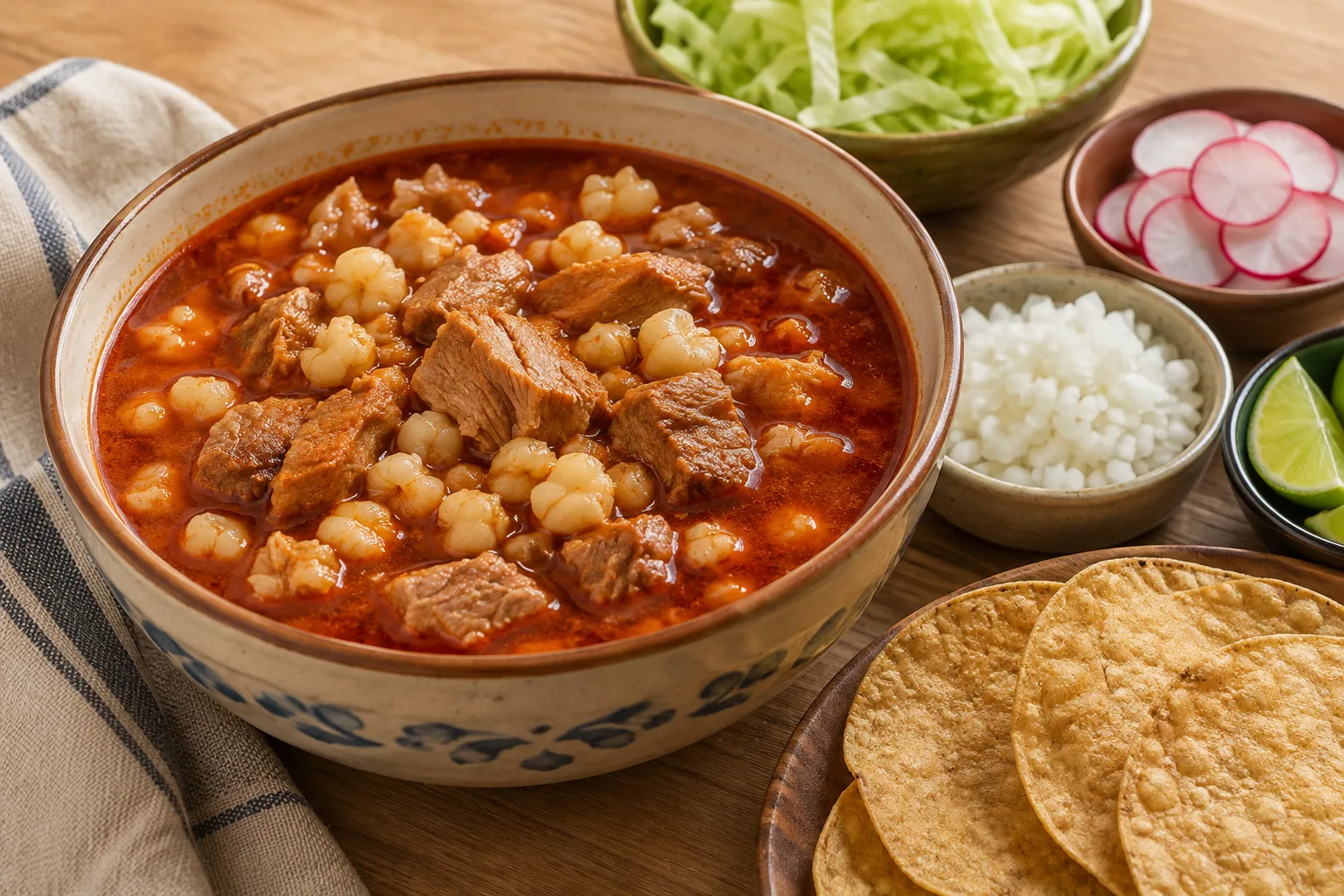
- Da sabor y color a guisos y preparaciones mexicanas
Recommended techniques
- Tostar brevemente y con atención antes de moler o triturar
- Hidratar para facilitar su triturado en salsas
Pairs well with
- Tomate verde y ajo
- Otros chiles secos
Frequently asked questions
Are dried árbol chiles very hot?
They can be quite hot. Intensity varies, so start with a small amount and adjust after tasting.
How do I add them to a sauce?
You can briefly toast them or soak them, then blend them with the other ingredients. Add them gradually to control the heat.
Can I substitute cayenne?
Yes, if you want heat, but the flavor and intensity may differ. Adjust the amount gradually.
Ingredient allergens
Allergen listThere are no verified associations for these ingredients yet.
Estimated nutrition
- Fat
- 5.81 g
- Saturates
- 0.81 g
- Carbohydrate
- 69.9 g
- Sugars
- 41.1 g
- Fibre
- 28.7 g
- Protein
- 10.6 g
- Salt
- 0.23 g
Sources and review
Automatically researched, cross-checked and validated content. Sources consulted:
- Alérgenos alimentarios | EFSA www.efsa.europa.eu/es/safe2eat/food-allergens
- ¿Representa el turismo culinario una oportunidad para valorizar el patrimonio agroalimentario? El caso del centro histórico de Quito | OpenAlex openalex.org/W3044886804
- Etiquetado de sustancias que causan alergias e intolerancias alimentarias www.aesan.gob.es/seguridad-alimentaria/informacion-alimentaria/etiquetado-sustancias
- Tipos de Chiles Secos Mexicanos: Características y Usos abarrotes.es/blog/chiles-secos-mexicanos-caracteristicas-y-usos/
- Chiles secos: el Ama de nuestra gastronomía | Love Veg loveveg.mx/chiles-secos-el-ama-de-nuestra-gastronomia/
- Chile de árbol: guía completa para cocinarlo en Europa lacondesabarcelona.com/chile-de-arbol/
- Allergies - Food Safety - European Commission food.ec.europa.eu/food-safety/campaign-2026/allergies_en
- Food Allergies | FDA www.fda.gov/food/nutrition-food-labeling-and-critical-foods/food-allergies
- Food allergens | Food Safety and Quality | FAO www.fao.org/food-safety/scientific-advice/food-allergens/en
- Food allergen portal | Food Standards Australia New Zealand www.foodstandards.gov.au/consumer/foodallergies/food-allergen-portal
- Food allergen labelling and information requirements technical guidance - GOV.UK www.gov.uk/government/publications/food-allergen-labelling-and-information-requirements-tech…
- ¿Qué es un árbol? | Revista de Biología Tropical doi.org/10.15517/rbt.v0i3.37682
- Chile de árbol - Wikipedia, la enciclopedia libre es.wikipedia.org/wiki/Chile_de_%C3%A1rbol
- Chile de Árbol Mexicano | Comprar Seco en España jalapenostugitana.es/chile-de-arbol-mexicano/