- Category
- Vegetables
- State
- Dry
- Usual unit
- unit
What it is
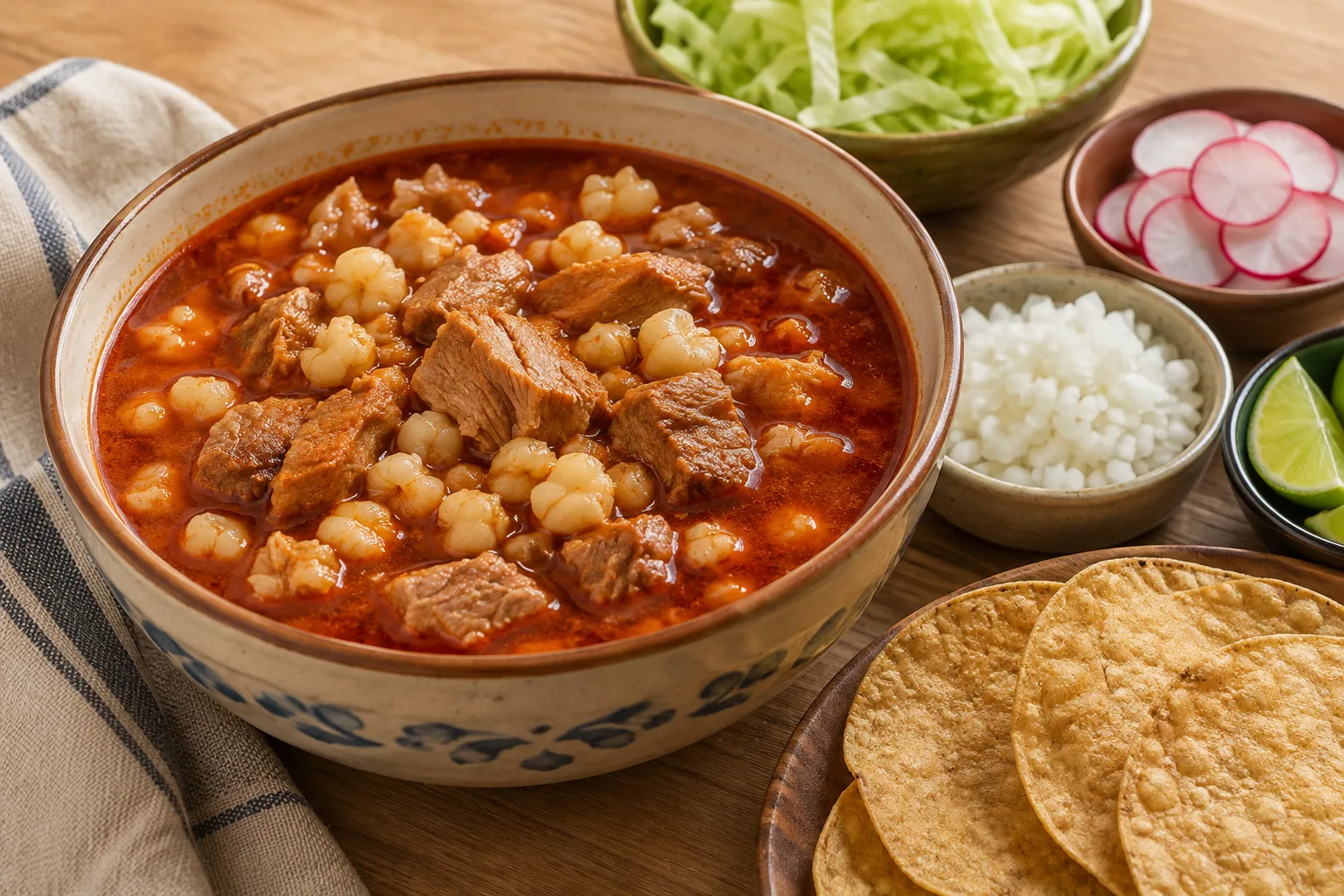
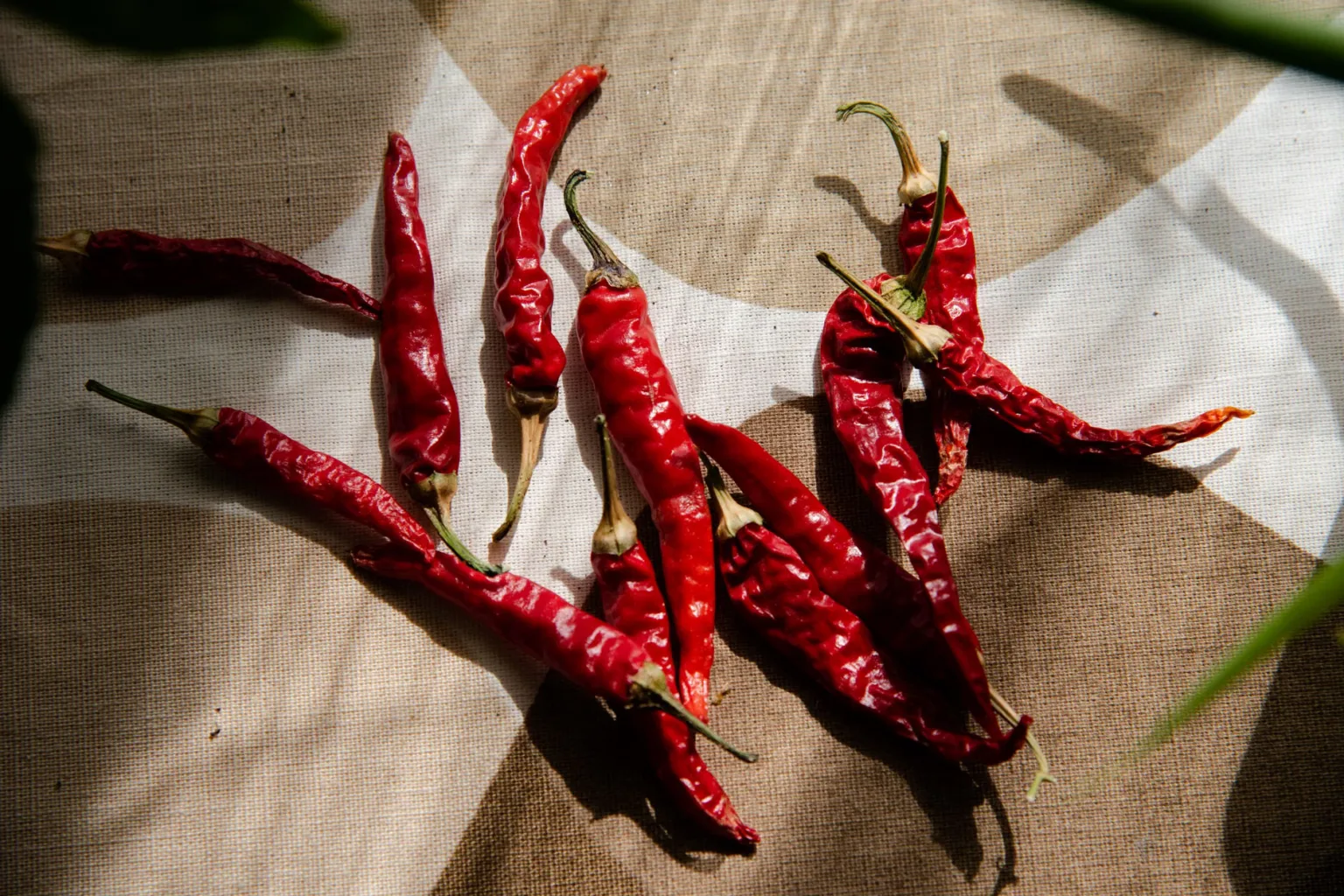
Guajillo is a dried chile associated with the mirasol chile of the species Capsicum annuum. It is usually long, with smooth skin ranging from dark red to reddish brown; appearance and heat can vary from one pod to another. In cooking it is used chiefly to add color and flavor to salsas, adobos, moles and stews. Its flavor is often described as fruity and slightly tangy, though individual pods are not equally hot. Like other dried chiles, it can be prepared whole for a sauce or ground into a mixture. For a smooth salsa, cooks commonly open the pod, remove inner parts as desired, soften it in water and blend it. Straining is optional and depends on the texture you want.
When to use it
Choose guajillo when you want a red chile base with a fruity character and noticeable heat that may vary from pod to pod. It works in salsas and broths, as well as adobos, moles and stews where the chile is blended with other ingredients. Pair it with chiles such as ancho, pasilla or chipotle to change the flavor. If you want a milder result, start with a small amount and taste before adding more. For a smooth sauce, soften and blend the chile; for a more rustic texture, adjust the blending and straining to suit the dish.
How to use it
Inspect the pods and remove the stems. Open them and remove the seeds and veins if you want to moderate the heat; leaving some can produce a more intense result. If you toast the chiles, do so briefly and watch their aroma and color so they do not burn, since excessive toasting can make a preparation bitter. Next, soften the pods in hot water until they are easy to blend. Drain them and blend with the ingredients for your salsa, adobo or stew. For a finer sauce, pass the mixture through a strainer; if the texture of the skins does not bother you, skip that step. Add the mixture to the dish and adjust the heat gradually, as pods are not identical. Do not assume the soaking water will always improve a sauce: decide according to the flavor and texture you want.
Flavour and texture
Guajillo is commonly described as fruity and lightly tangy, with heat that can vary. The dried pod has smooth skin that may feel flexible or brittle depending on its condition; when softened, it can be blended to add color and body to sauces.
How to choose it
Look for clean pods with visible color and intact skin, without obvious signs of dampness or deterioration. Appearance can vary between batches, so color alone does not guarantee a particular heat level. If you need a specific degree of heat, taste a small amount before adding it to the whole dish.
Storage
Keep dried pods in a clean, tightly closed container in a cool, dry place to protect them from moisture. The available evidence does not support a universal shelf life. For packaged chiles, follow the storage directions on the label and check their appearance and smell before use.
Substitutions
Ancho can provide a similar texture in a sauce, though the result will taste different and be less tangy. Pasilla is another option for sauces and chile blends, but it brings a more earthy character. Adjust the amount and taste as you go; neither is an identical substitute.
Common mistakes
Toasting the chile for too long can make the dish bitter. Another common mistake is adding all the pods without first checking the heat of the batch: remove seeds and veins for a milder result and adjust gradually.
Safety and allergens
Check the label on packaged chiles and on any blend or prepared product, especially if you need to avoid an allergen. Ingredients and relevant product information can vary, so do not assume that every presentation is the same.
Culinary uses
- Base de color y sabor para salsas y caldos
- Condimento para adobos, moles y guisos
Recommended techniques
- Abrir el chile y retirar tallo, semillas y venas según el picor deseado
- Tostar brevemente y rehidratar antes de triturar para salsas
Pairs well with
- Chile ancho, pasilla o chipotle
- Jitomate, ajo, comino y orégano
Frequently asked questions
Are guajillo chiles fresh or dried?
The culinary ingredient called guajillo is dried and is associated with dried mirasol chiles.
Do I have to remove the seeds?
No. Removing the seeds and veins can help moderate the heat; the result depends on the pod and the recipe.
How do I use guajillo in a salsa?
Soften it in hot water and blend it with the other ingredients. Strain the mixture for a smoother texture and adjust the heat gradually.
Ingredient allergens
Allergen listThere are no verified associations for these ingredients yet.
Estimated nutrition
- Fat
- 0 g
- Saturates
- 0 g
- Carbohydrate
- 60 g
- Sugars
- 0 g
- Fibre
- 0 g
- Protein
- 20 g
- Salt
- 0 g
Sources and review
Automatically researched, cross-checked and validated content. Sources consulted:
- Alérgenos alimentarios | EFSA www.efsa.europa.eu/es/safe2eat/food-allergens
- Client Challenge doi.org/10.2307/jj.27939689.16
- Etiquetado de sustancias que causan alergias e intolerancias alimentarias www.aesan.gob.es/seguridad-alimentaria/informacion-alimentaria/etiquetado-sustancias
- Tipos de Chiles Secos Mexicanos: Características y Usos abarrotes.es/blog/chiles-secos-mexicanos-caracteristicas-y-usos/
- Chile guajillo - Wikipedia, la enciclopedia libre es.wikipedia.org/wiki/Chile_guajillo
- Chile Guajillo Mexicano | Comprar Seco en España jalapenostugitana.es/chile-guajillo-mexicano/
- Chile guajillo: guía práctica para cocinarlo y comprarlo lacondesabarcelona.com/chile-guajillo/
- Allergies - Food Safety - European Commission food.ec.europa.eu/food-safety/campaign-2026/allergies_en
- Food Allergies | FDA www.fda.gov/food/nutrition-food-labeling-and-critical-foods/food-allergies
- Food allergen portal | Food Standards Australia New Zealand www.foodstandards.gov.au/consumer/foodallergies/food-allergen-portal
- Food allergen labelling and information requirements technical guidance - GOV.UK www.gov.uk/government/publications/food-allergen-labelling-and-information-requirements-tech…
- Tipos de Chiles Secos | Carácteristicas y usos en la Cocina Mexicana www.mexicoenmicocina.com/tipos-de-chiles-secos/
- Chile guajillo: sabor, picor, usos | Recetas Mexas recetasmexas.com/guia/chile-guajillo
- El chile tabiche: memoria, reencuentro y acción comunitaria en Santo Domingo Tomaltepec, Oaxaca, México | OpenAlex openalex.org/W4394909959
- Guía de chiles secos mexicanos para cocinar – Salsas Trucho salsastrucho.shop/blogs/news/guia-de-chiles-secos-mexicanos?srsltid=AYCX9vIcyqSnaf1cBD82ve4s…