- Category
- Oils and fats
- State
- Fresh
- Usual unit
- tablespoon
What it is
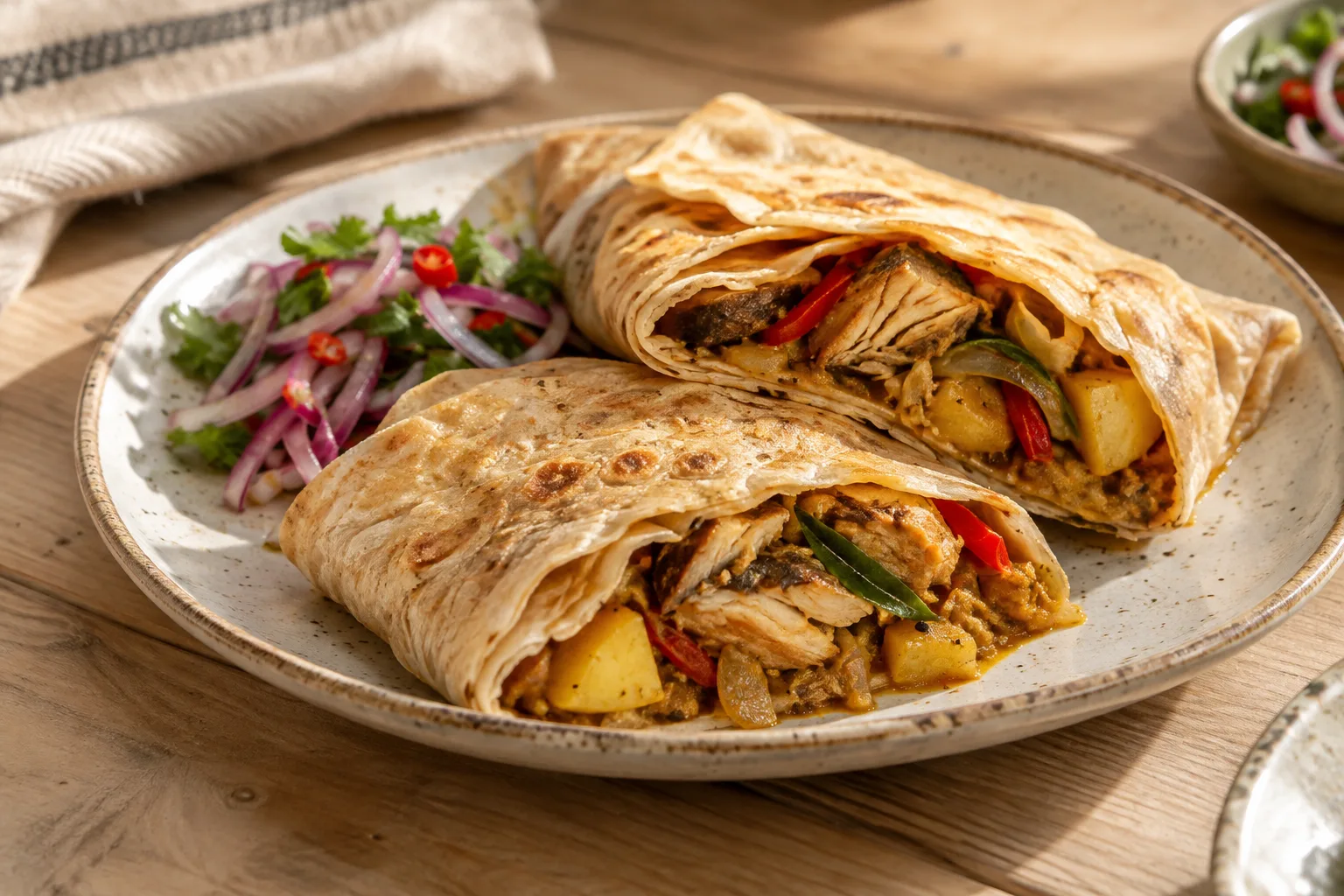
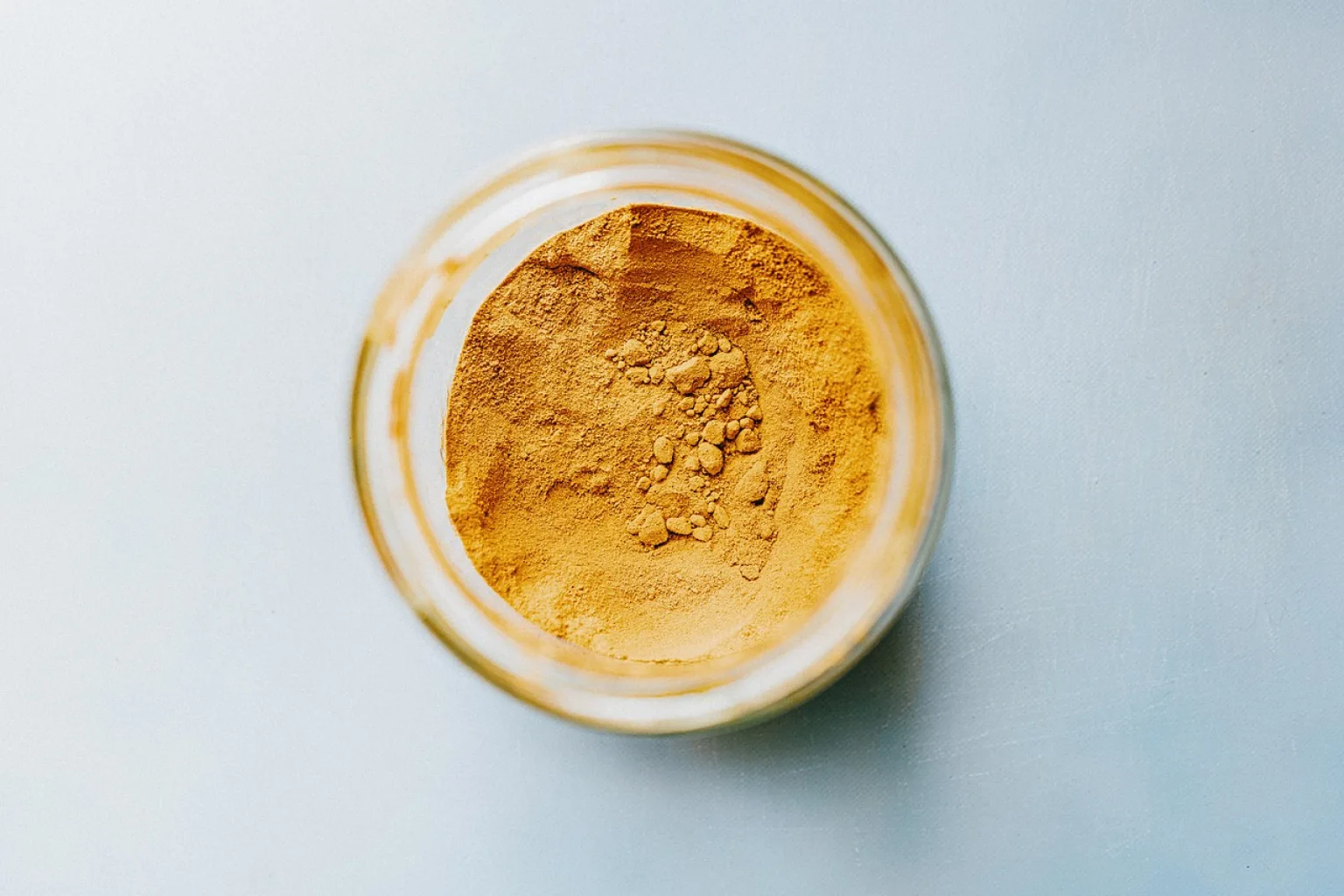
Ghee is clarified milk fat, made by heating butter and separating away most of its water and non-fat milk solids. Its flavour is generally more toasted and pronounced than ordinary butter, while its consistency can vary with temperature. In cooking it can be used for frying, enriching dishes and adding flavour to cooked food. In a curry, one straightforward use is as the cooking fat for warming spices and aromatics. Clarification reduces non-fat milk components, but ghee remains a product derived from milk; its name or appearance alone should not be taken as proof that it is safe for someone with a milk allergy.
When to use it
Use ghee when you want the cooking fat to contribute a toasted note to curry, or when frying spices and aromatics before adding the other ingredients. It can also be added to rice or pulses, or used sparingly over a cooked dish. Another edible cooking fat may be a better choice if you want a more neutral flavour. Ghee generally tolerates heat better than ordinary butter, but it can still burn: adjust the heat and take care if it begins to smoke or darken excessively.
How to use it
Add a small amount of ghee to a pan or pot and warm it gently before adding the curry spices or aromatics. Stir and watch the pan so the ingredients become fragrant without burning, then continue with the rest of the recipe. Ghee can also be used when cooking rice or pulses, or stirred in at the end to round out the flavour. Its toasted character can stand out, so start with a little and adjust to taste. If you replace it with butter, remember that butter may burn sooner over high heat; another edible oil will also change the aroma and mouthfeel.
Flavour and texture
Ghee has a rich, toasted flavour, often described as faintly nut-like, and an oily texture. The degree of toasting and the consistency can vary between products and with temperature. In curry it gives a more pronounced note than a neutral-tasting cooking fat.
How to choose it
Look for a product clearly identified as ghee or clarified milk fat, and check its packaging, ingredient list and storage instructions. Products can differ in presentation and consistency; appearance alone does not confirm what is in them. If you need to avoid an ingredient because of an allergy, do not rely on the fact that ghee is clarified: check the product information and contact the manufacturer if the label does not answer your question.
Storage
Keep ghee closed and follow the storage directions on its packaging, since commercial products can differ. Use clean, dry utensils when serving and close the container again after use. Do not assume that clarification means it can be kept indefinitely at room temperature; follow the manufacturer's instructions and discard it if there are signs of spoilage.
Substitutions
Butter can work in some uses, including certain desserts, but it has a less toasted flavour and may burn sooner over high heat. Another edible cooking oil can provide fat for frying, but the aroma and texture of the finished dish will differ. There is no universal swap for every curry: start with a moderate amount and adjust to the recipe and taste.
Common mistakes
Leaving ghee unattended can cause it to darken or burn, so moderate the heat while frying spices. Too much can mask other curry flavours, so begin with a small amount. Do not assume that clarification makes ghee dairy-free or suitable for every allergy.
Safety and allergens
Ghee is made from milk. If you have a food allergy, check the product label and do not assume clarification makes it safe; contact the manufacturer if the information is not sufficient. Handle and store it according to the package directions.
Culinary uses
- Grasa para sofreír especias y otros ingredientes al comienzo del curry.
- Aporte de sabor tostado y riqueza al arroz, las legumbres y los platos ya cocinados.
Recommended techniques
- Calentar a fuego moderado para sofreír especias y aromáticos, evitando que se quemen.
- Añadir una pequeña cantidad al arroz o al plato terminado como grasa de acabado.
Pairs well with
- Especias y aromáticos de curry.
- Arroz y legumbres.
Frequently asked questions
What is ghee used for in curry?
It can be used to fry spices and aromatics at the start, or added sparingly to rice, pulses or the finished dish.
Can I replace ghee with butter?
Butter can work in some uses, but it tastes different and may burn sooner over high heat. Adjust the heat and the seasoning of the dish.
Is ghee dairy-free?
No. It is made from milk or butter. If you have a milk allergy, do not assume clarification makes it safe; check the product information.
Ingredient allergens
Allergen listThere are no verified associations for these ingredients yet.
Sources and review
Automatically researched, cross-checked and validated content. Sources consulted:
- Client Challenge doi.org/10.2307/j.ctvndv9t9.22
- La palma de la controversia: La palma aceitera y los desafíos del desarrollo | OpenAlex openalex.org/W102228047
- Todo sobre el ghée, el nuevo alimento de moda del 2025 www.elle.com/es/gourmet/gastronomia/a63375556/ghee-alimento-de-moda-del-2025/
- Ghee - Wikipedia, la enciclopedia libre es.wikipedia.org/wiki/Ghee
- Ghee: origen, propiedades y su preparación - Spice and Colour www.spiceandcolour.com/ghee-origen-propiedades-y-su-preparacion/
- ¿Hay diferencias entre mantequilla, ghee y margarina? Una guía útil para entender las grasas que tanto sabor aportan a los platos www.directoalpaladar.com/curso-de-cocina/hay-diferencias-mantequilla-ghee-margarina-guia-uti…
- Health benefits of ghee: Review of Ayurveda and modern science perspectives - PMC pmc.ncbi.nlm.nih.gov/articles/PMC10789628/
- Ghee: qué es, propiedades y beneficios | BeBo www.bebocoldpress.com/blog/ghee
- Allergies - Food Safety - European Commission food.ec.europa.eu/food-safety/campaign-2026/allergies_en
- Food Allergies | FDA www.fda.gov/food/nutrition-food-labeling-and-critical-foods/food-allergies
- Centre for Food Safety www.cfs.gov.hk/english/food_leg/food_leg_lgfa.html
- Food allergen labelling and information requirements technical guidance - GOV.UK www.gov.uk/government/publications/food-allergen-labelling-and-information-requirements-tech…
- Información alimentaria www.aesan.gob.es/seguridad-alimentaria/informacion-alimentaria
- Los secretos del ghee, más que una mantequilla clarificada - Blog Conasi www.conasi.eu/blog/consejos-de-salud/consejos-de-salud-consejos-de-salud/secretos-ghee-mante…
- ¿Qué es el Ghee? – Gastronoming www.gastronoming.com/que-es-el-ghee/
- Qué es el ghee y cómo hacerlo en casa para tus recetas recetasdecocina.elmundo.es/2024/09/que-es-el-ghee-y-como-hacerlo.html