- Category
- Vegetables
- State
- Fresh
- Usual unit
- unit
What it is
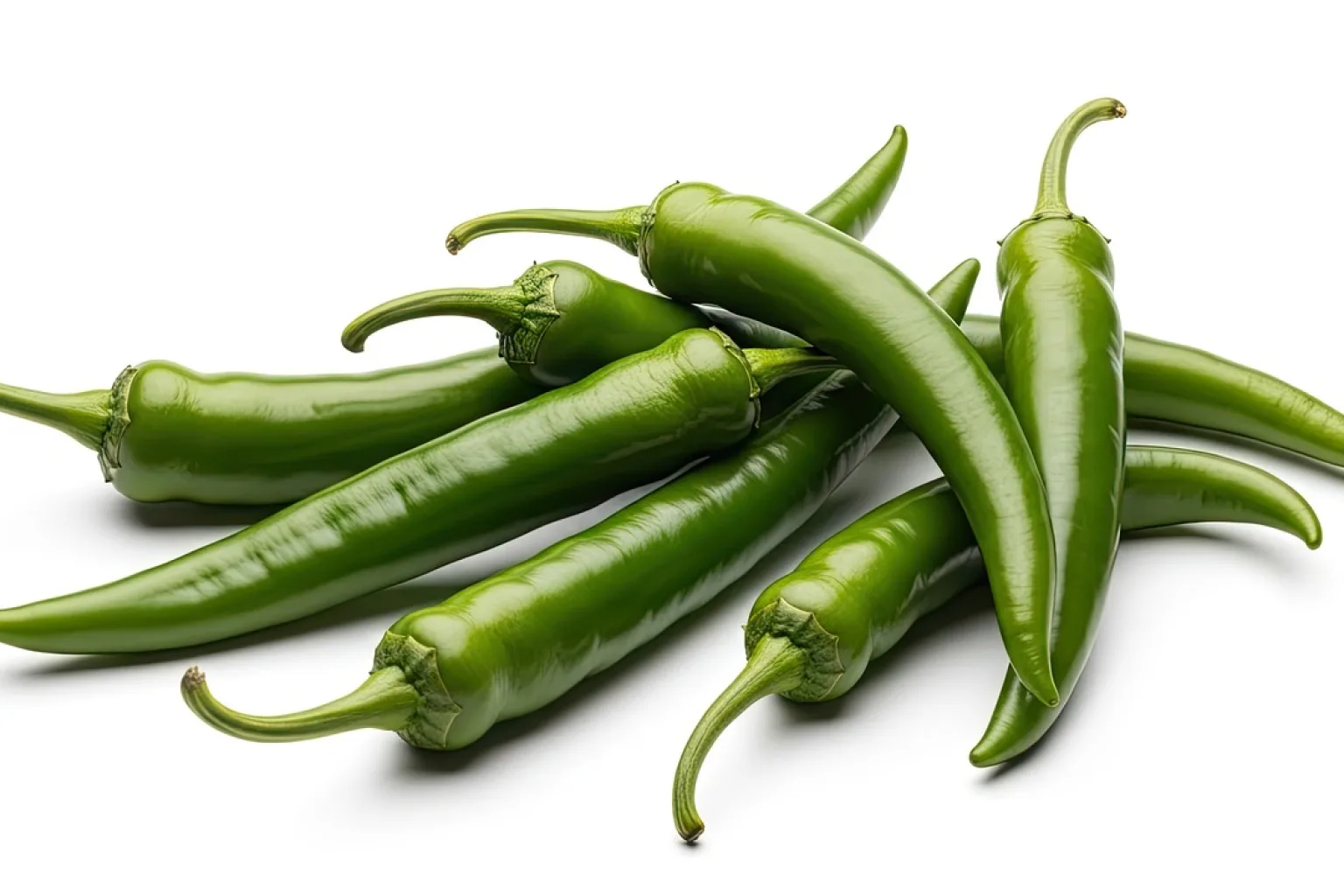
A green pepper is the fresh fruit of a Capsicum plant, used as a vegetable in cooking. Green color alone does not identify a variety or guarantee a mild flavor: green peppers include both sweet and hot types. Some varieties, including sweet Italian peppers, can turn red as they mature; others are eaten green and come in different shapes and sizes. When shopping or choosing a cooking method, consider the variety and intended use rather than relying only on color. Green peppers are not black pepper: they are different ingredients despite the similar names.
When to use it
Use green pepper when you want a fresh, vegetal flavor and crisp texture in salads or other uncooked dishes. Cook it for sofritos, stews, sauces, and rice dishes, or fry a suitable variety as a side. Varieties do not behave identically in every recipe: a small or hot pepper can produce a different result from a large, sweet one. If a recipe calls for a mild flavor, check that the pepper is a sweet variety; green color alone does not rule out heat.
How to use it
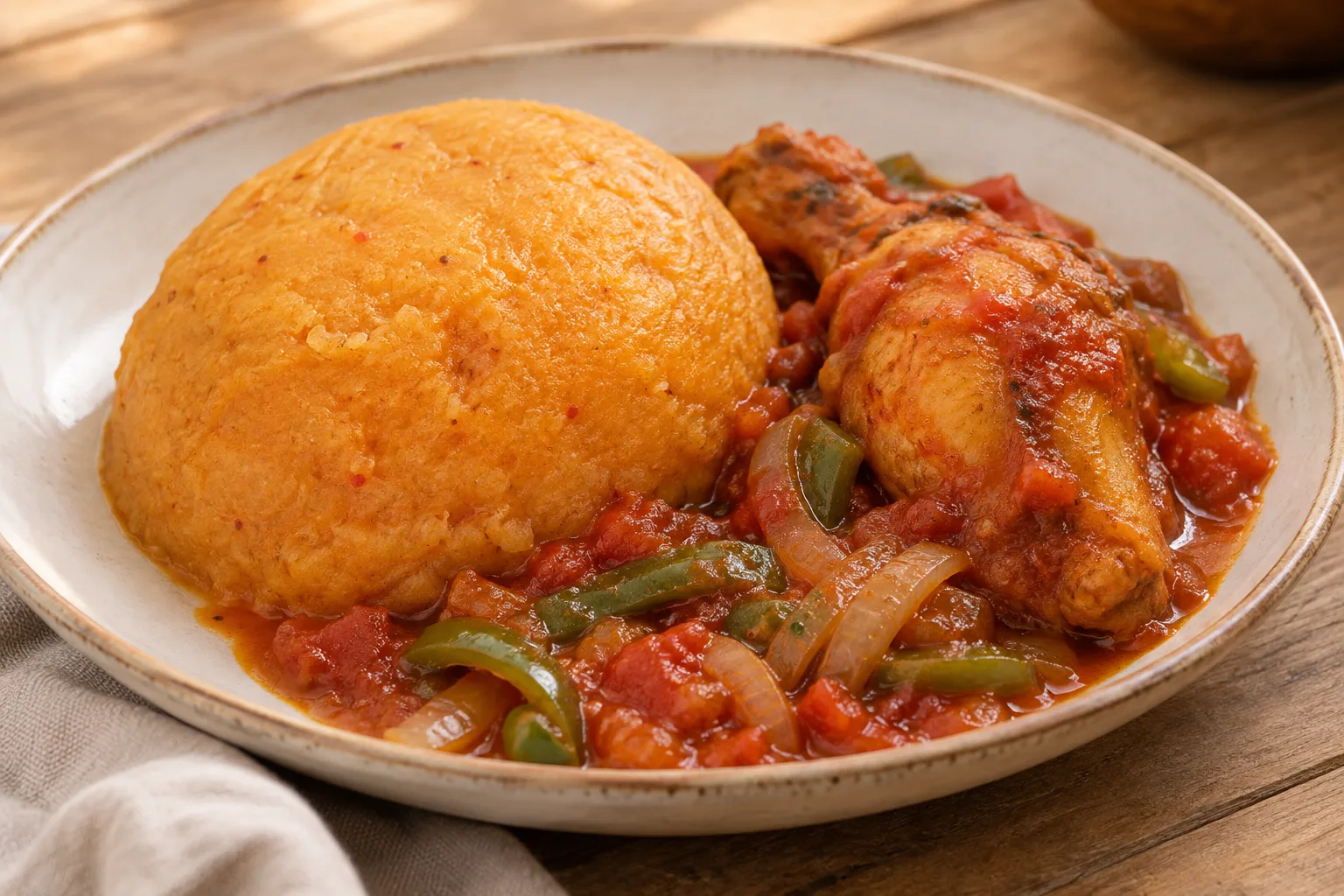
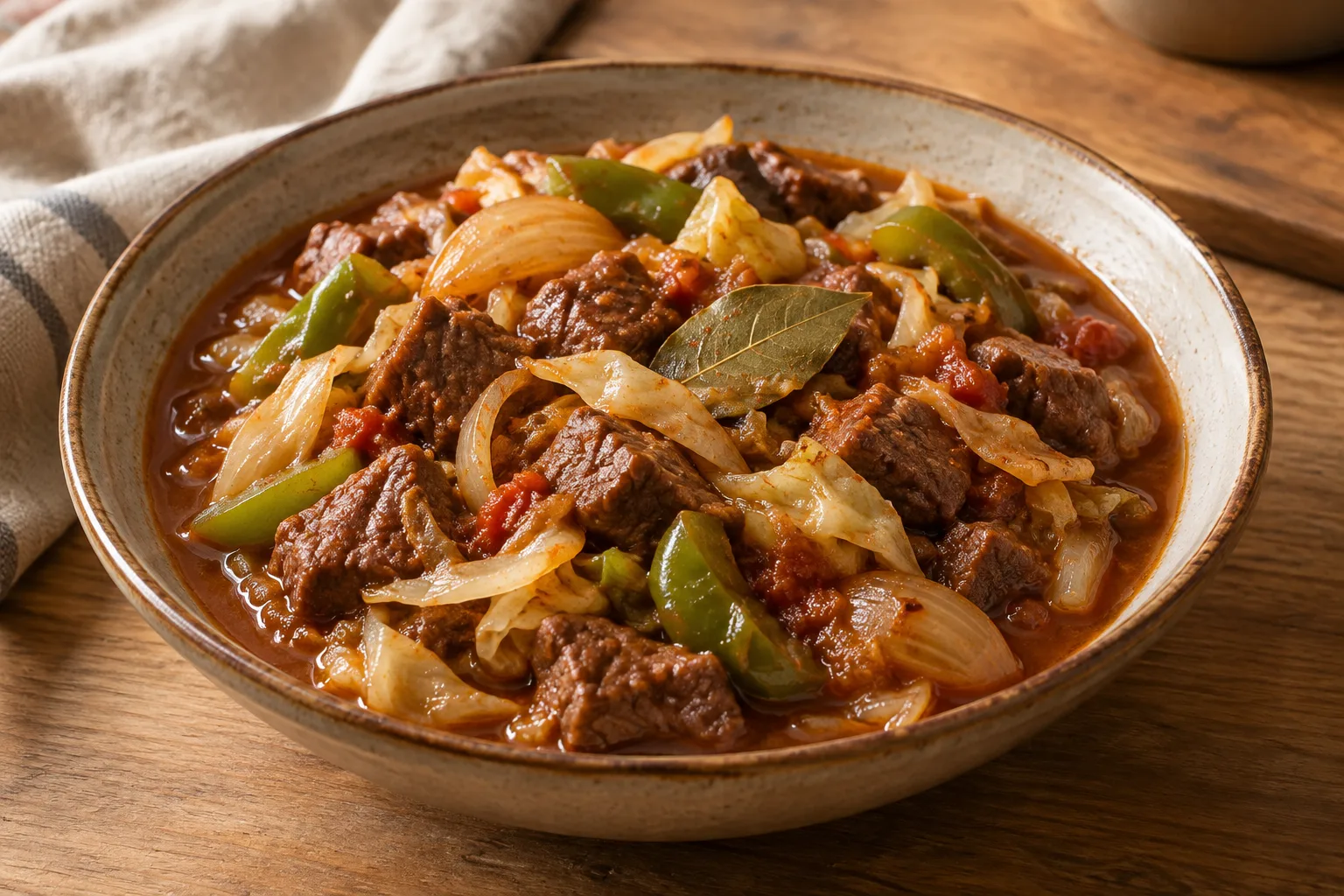
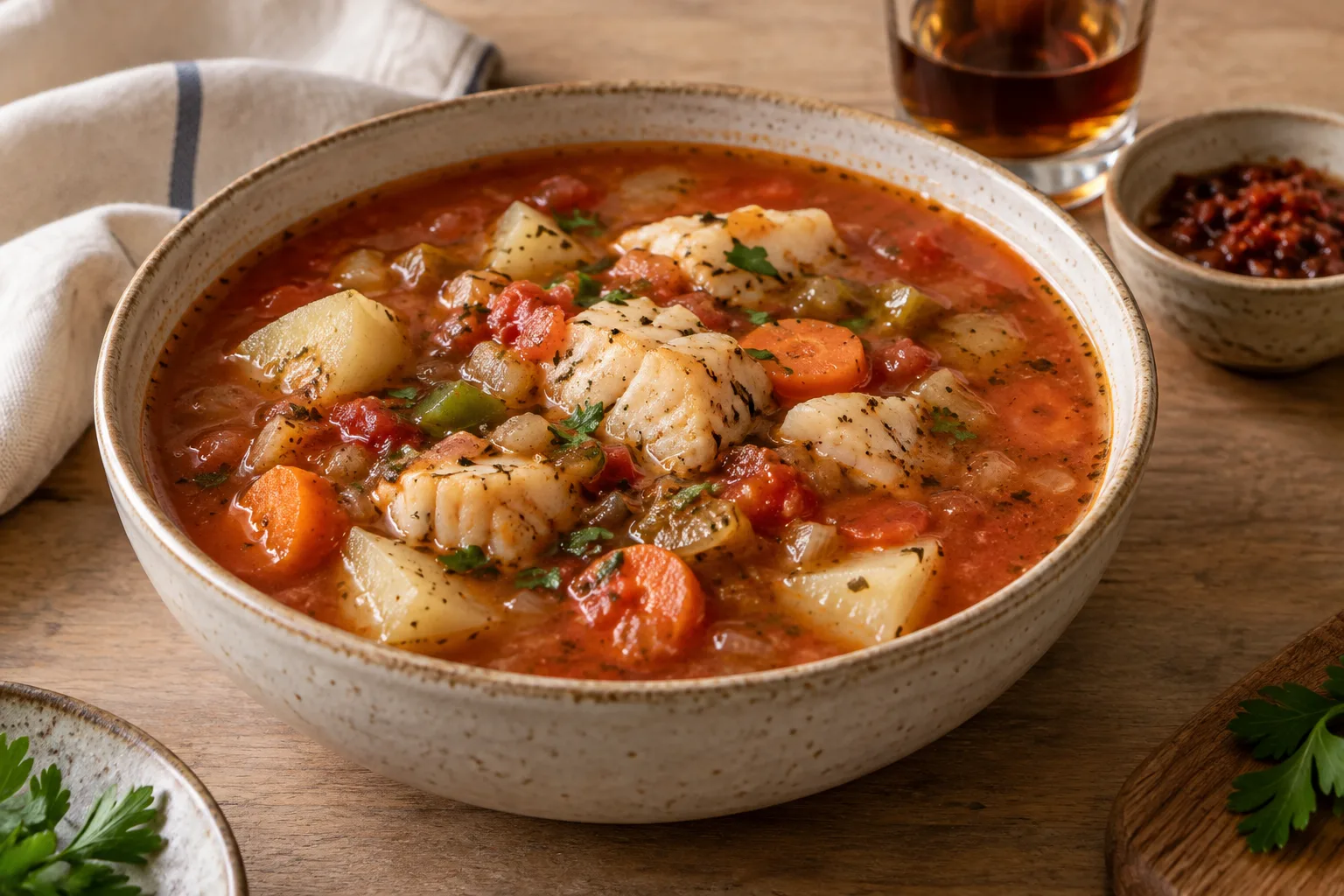
Remove the stem and seeds if you do not want them in the dish, then cut the pepper to suit the recipe: strips for sautéing, dice for a sofrito, or pieces for a salad. Raw pepper adds freshness and crunch. To cook it, sauté or fry it, roast or grill it, or add it to stews and sauces; heat changes its texture and flavor. It pairs well with ingredients such as onion, garlic, and tomato, and can form part of a sofrito base with fresh herbs. Choose a variety suited to the dish, since differences in size, shape, and heat affect the result.
Flavour and texture
Green peppers are generally more vegetal and less sweet than red peppers, although flavor varies by variety. Raw, they are fresh and crisp; cooking softens them and lets them blend into sofritos, stews, and sauces. Not every green pepper is mild: some varieties are hot.
How to choose it
Choose a variety to suit the recipe: green peppers may be sweet or hot, small or large, slender or fleshy. If you want a mild result, check that the pepper is a sweet variety; green color alone does not tell you how hot it is. Consider the shape too, as some varieties are especially suited to frying.
Storage
If you have more peppers than you plan to use fresh, you can freeze them for later use in cooked dishes. They can be frozen raw or blanched; cutting them first can help make better use of freezer space. Frozen peppers may lose some crispness, so they are generally more suitable as ingredients in cooked dishes than for serving raw.
Substitutions
A red sweet pepper can replace a green sweet pepper if a sweeter flavor and different color are acceptable. In pickling recipes, pepper varieties can also be exchanged, but keep the original proportions of vegetables and pickling liquid.
Common mistakes
Do not assume every green pepper is sweet or that all varieties behave the same way. Choosing a hot pepper when you want a mild flavor can change a dish; a different variety can also affect texture, piece size, and the finished result.
Safety and allergens
When preserving peppers in jars, follow a tested preservation recipe and its instructions exactly. Peppers are low-acid foods: unless prepared using a properly formulated pickling method, they require pressure canning. Do not improvise the proportions of peppers and pickling liquid.
Culinary uses
- Fresh, crisp ingredient for salads and other uncooked dishes
- Cooked vegetable for sautés, sofritos, stews, and side dishes
Recommended techniques
- Eat raw, sliced or chopped
- Sauté or fry
- Roast or grill
- Freeze raw or blanched for later cooking
Pairs well with
- Onion and garlic
- Tomato
- Cilantro or coriander leaves
- Rice, stews, and sauces
Frequently asked questions
Are all green peppers sweet?
No. Green peppers include both sweet and hot varieties. Color alone does not tell you how hot a pepper will be.
Can green peppers be eaten raw?
Yes. They can be sliced or chopped into salads and other uncooked dishes, where they retain a crisp texture.
Can green peppers be frozen?
Yes. They can be frozen raw or blanched. Frozen peppers are especially useful as an ingredient for cooking.
Estimated nutrition
- Fat
- 0.12 g
- Saturates
- 0.06 g
- Carbohydrate
- 5.14 g
- Sugars
- 2.58 g
- Fibre
- 1 g
- Protein
- 0.77 g
- Salt
- 0 g
Sources and review
Automatically researched, cross-checked and validated content. Sources consulted:
- Client Challenge doi.org
- The Essential Glossary of Cooking Terms for the Culinary Arts - Escoffier escoffier.edu
- Pimientos: variedades y usos en cocina - CocinoPedia.com cocinopedia.com
- El Pimiento Verde. Un ingrediente tradicional - Restaurante La Española restaurantelaespanola.es
- UCCE efforts improve quality of and demand for fresh ... ucanr.edu
- EFNEP Hispanic Heritage Recipes | Community Nutrition | Extension/College of Agriculture, Health & Natural Resources | University of Connecticut communitynutrition.cahnr.uconn.edu
- El Pimiento Y Su Importancia En La Gastronomía Española - Restaurante Romero restaurante-romero.es
- El pimiento ecológico: un ingrediente principal en nuestras ... afuegolento.com
- Conservando los Coloridos Pimientos del Huerto extension.psu.edu
- Para la ciudadanía aesan.gob.es
- Recipes | Servicio de Extensión de OSU extension.oregonstate.edu
- Chiles/Pimientos (Spanish) - National Center for Home Food Preservation nchfp.uga.edu
- Los pimientos verdes | Consumer consumer.es