- Category
- Herbs and spices
- State
- Powdered
- Usual unit
- tablespoon
What it is
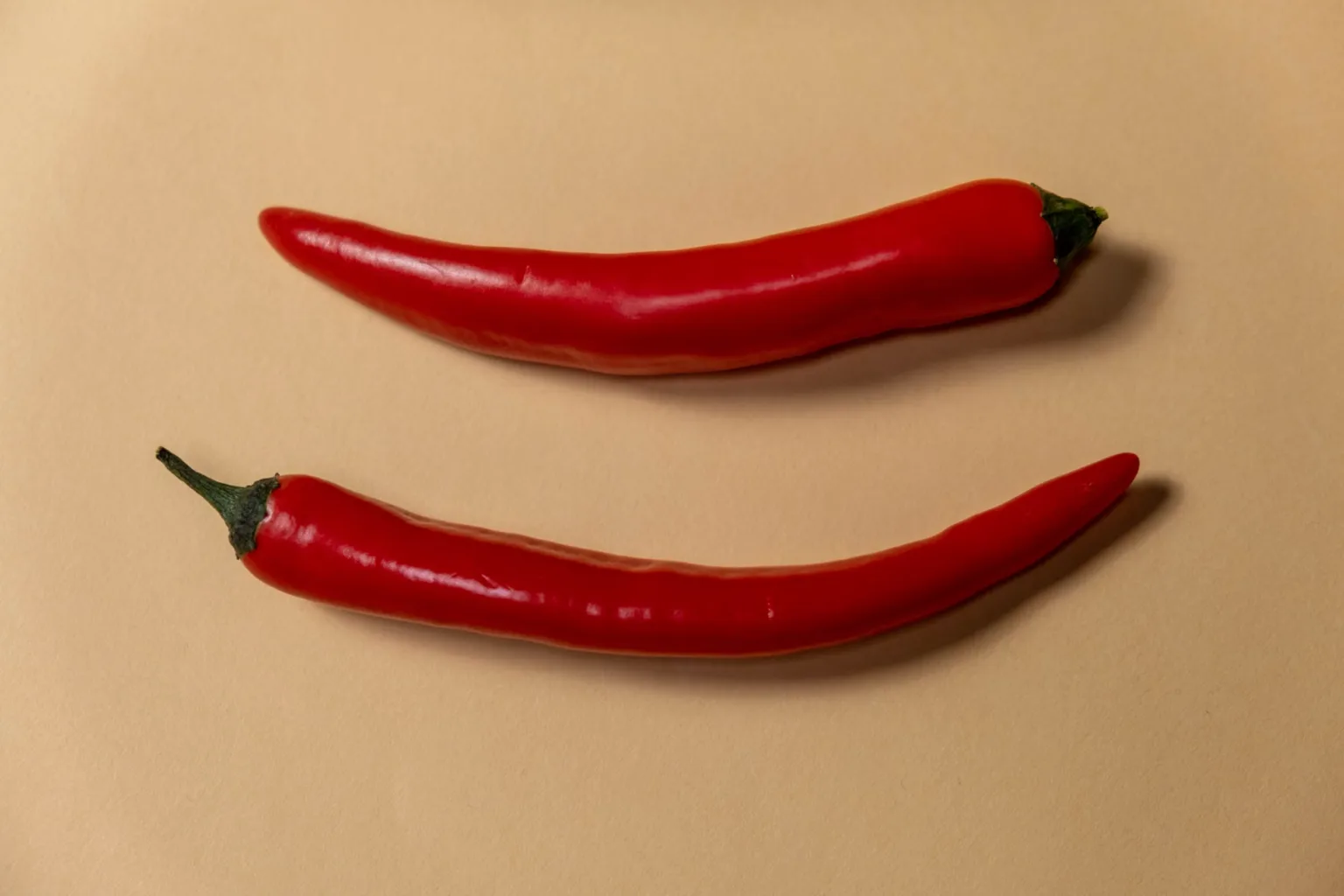
Ground cayenne pepper is a powdered spice made from dried and ground chiles. Despite the word “pepper” in its name, it is not black pepper; it belongs to the chile group and is mainly used as a seasoning. The powder is usually reddish and intensely hot, and some descriptions also note slightly smoky or bitter nuances. Its exact strength can vary between products, so start with a small amount and taste before adding more. In a recipe, the fine powder can be mixed through the other ingredients, adding heat and color without pieces of chile.
When to use it
Use it when you want a clear, direct heat in sauces, soups, stews, curries, marinades, stir-fries or pasta dishes. It can also season meat, vegetables, fish and seafood. Because it is intense, it is useful for adjusting a recipe at the end as well as for distributing heat during cooking. If diners have different heat preferences, begin with a small amount and, when practical, offer extra seasoning separately.
How to use it
Measure a small amount and mix it thoroughly into the dish so the heat is distributed. Add it to a sauce, stew, curry or marinade; in a soup or purée, stir it in and taste before adding more. When making an unfamiliar recipe, do not assume that the same amount will have identical strength across brands. Ground cayenne blends into a dish and lets you adjust the flavor gradually. It can also be paired with spices such as cumin or cilantro, or ingredients such as tomato, garlic and onion. Add it sparingly and taste again after mixing.
Flavour and texture
Its most noticeable quality is intense, direct heat, along with a vivid red color. The powder mixes readily into other ingredients; some products also have slightly smoky or bitter notes. Heat strength varies, so color or the name alone cannot tell you exactly how hot a particular brand will be.
How to choose it
Look for a product labeled ground cayenne and check its ingredient list to see what that particular product contains. If you want a single-ingredient spice, choose a label that lists cayenne alone. The reddish color is characteristic of the powder but does not establish its heat level. To control the result, start with a small amount and assess it in the dish.
Storage
Keep the powder in a tightly closed container in a cool, dry place, away from direct light. Avoid leaving it near moisture or heat, and close the container after each use. Follow any storage directions and date on the product, as instructions can vary by package.
Substitutions
Chili powder and hot paprika can provide heat in similar preparations, but they are not necessarily identical in strength or composition. Chili powder blends may contain other spices. Make the change gradually, taste and adjust; do not assume an exact equivalent.
Common mistakes
Adding too much cayenne at once can let the heat overwhelm the other flavors. Start with a small amount, mix well and taste before adjusting. Another mistake is assuming every chile powder has the same heat or ingredients: check the label and adjust for the specific product.
Safety and allergens
Use a light hand, especially when you do not know how much heat your diners enjoy. Follow the package directions, and taste before treating a substitute as an exact equivalent.
Culinary uses
- Aportar picante
- Añadir color rojizo y carácter a los platos
Recommended techniques
- Incorporar a salsas, guisos o curris durante la preparación
- Añadir gradualmente y probar para regular el picante
Pairs well with
- Tomate, ajo y cebolla
- Pescados y mariscos
- Comino y cilantro
Frequently asked questions
Is cayenne pepper the same as black pepper?
No. It is a spice made from ground dried chile; the name does not mean it comes from the black pepper plant.
When should I add ground cayenne?
You can mix it into sauces, soups, stews, curries or marinades. Add it gradually and taste to control the heat.
How should I store ground cayenne?
Keep it tightly closed in a cool, dry place away from direct light, and follow the package directions.
Ingredient allergens
Allergen listThere are no verified associations for these ingredients yet.
Estimated nutrition
- Fat
- 17.3 g
- Saturates
- 3.26 g
- Carbohydrate
- 56.6 g
- Sugars
- 10.3 g
- Fibre
- 27.2 g
- Protein
- 12 g
- Salt
- 0.08 g
Sources and review
Automatically researched, cross-checked and validated content. Sources consulted:
- ¿Por qué la muerte es origen de miedos y tabúes? doi.org/10.64628/aao.fccyk3qj3
- Potencial de crecimiento de especias no tradicionales en Argentina | OpenAlex openalex.org/W7204293610
- Agencia Española de Seguridad Alimentaria y Nutrición www.aesan.gob.es/
- Cayena: qué es, propiedades y cómo tomarla bonviveur.com/es/noticias/cayena
- Pimienta de cayena (¿cruda?, ¿orgánica?) | Fundación G+E www.diet-health.info/es/recetas/ingredientes/in/kv295-pimienta-de-cayena
- Pimienta de Cayena, una saludable especia con múltiples beneficios facefoodmag.com/producto/cayena
- Food Allergies | FDA www.fda.gov/food/nutrition-food-labeling-and-critical-foods/food-allergies
- Food additives | EFSA www.efsa.europa.eu/en/topics/topic/food-additives
- 15 condimentos y especias que no deben faltar en tu cocina - amantesdelacocina amantesdelacocina.com/cocina/2015/01/15-condimentos-y-especias-que-no-deben-faltar-en-tu-coc…
- Cayena: qué es, cómo se usa y recetas | JUST SPICES® www.justspices.es/blog/cayena-que-es-y-usos-cocina
- Pimienta de cayena: beneficios, nutrición, dosis y quién debe evitarla | Wellness Hub mx.iherb.com/blog/cayenne-pepper-health-benefits-recipes/1836
- Maridajes para pimienta de cayena en Latinoamérica ✓ basmatic.com/maridaje/pimienta-de-cayena/latinoamerica
- FICHA TÉCNICA www.dani.es/sites/default/files/2018-07/Cayena%20molida.pdf
- Cayena Molida 50 g | Cocinista | Compra Online www.cocinista.es/web/es/Cayena-molida-50-g-12394.html