- Category
- Meat
- State
- Fresh
- Usual unit
- kg
What it is
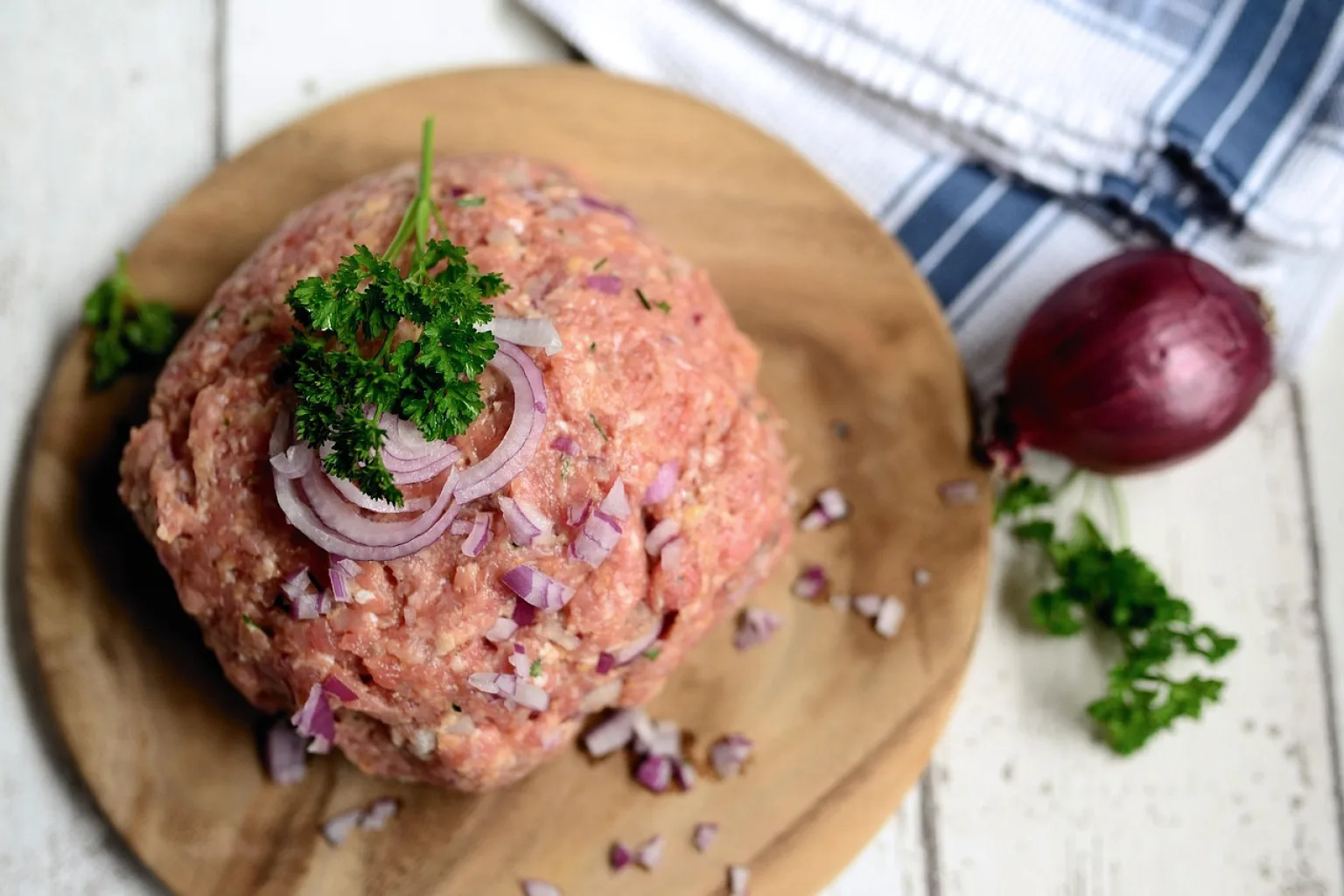
Ground meat is meat cut or broken into small pieces to make it easier to use in a range of dishes. It can come from different animal species, so the generic name alone does not tell you whether it is beef, pork, lamb or poultry. It is also important to distinguish plain minced meat from products made using minced meat: prepared products may include added ingredients such as salt or seasonings and do not necessarily have the same composition. Its texture makes it easy to combine with other ingredients, shape into portions or stir into a sauce. Check the product description and ingredient list to know what you are buying.
When to use it
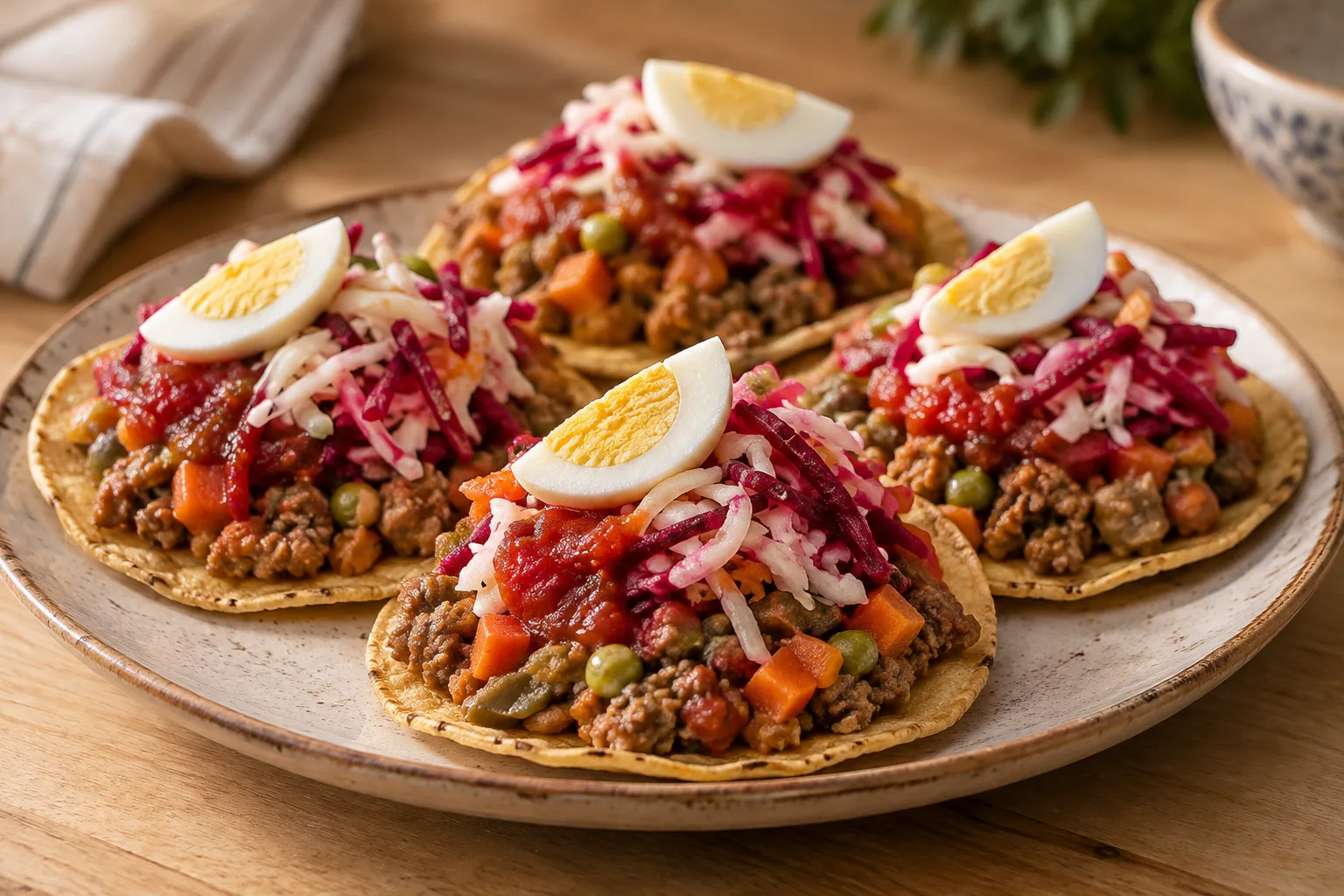
Choose ground meat when you want to distribute meat evenly through a dish or combine it with other ingredients. It is useful for burgers and meatballs, a meat sauce, or fillings for pastries, pasta and vegetables. It can also be used in stews and rice dishes. The species and fat content affect flavour and texture, so choose according to the result you want and the recipe instructions. If the package describes the product as prepared meat or burger meat, do not assume it is plain ground meat: check the product name and ingredient list.
How to use it
Before cooking, check which type of meat you bought and whether the product contains added ingredients. For a sauce or stew, break it into smaller pieces as it cooks and combine it with the other ingredients in the recipe. For burgers or meatballs, mix it with the seasonings and other ingredients specified in your preparation, then shape evenly sized portions. You can also use it as a filling for pastries, vegetables or pasta. The result depends on the species, fat content and seasonings, so adapt these to the recipe rather than assuming all ground meat products behave the same way. Follow the package instructions for handling and cooking.
Flavour and texture
Flavour depends mainly on the species and any seasonings added. Because the meat is finely cut, it mixes readily and can give sauces, fillings and burger or meatball mixtures an even texture. Fat content can also affect juiciness and mouthfeel. As a result, two products sold as ground meat may produce different results.
How to choose it
Read the full product name and ingredient list before buying: plain ground meat is not necessarily the same as prepared meat or burger meat. Check the species and whether salt, seasonings or other ingredients have been added. Choose an intact package and check the date and storage instructions. If you need to avoid an ingredient because of an allergy or intolerance, do not rely on the prominent name on the front of the package alone.
Storage
Ground meat is perishable: store it as directed on the label and use it promptly. If you will not use it soon, you can freeze it in portions and thaw it in the refrigerator, following the instructions that apply to the product. Keep the package closed until use and avoid storing raw meat with ready-to-eat foods. Prepared meat products may have a different composition and shelf life, so follow the date shown on each package.
Substitutions
In many recipes, one type of ground meat can replace another, but flavour and texture may change. Adjust the seasonings and method to the recipe rather than assuming every meat needs identical treatment. For an adaptable dish, a vegetable filling can replace the meat as a culinary option, though the flavour and texture will not be equivalent.
Common mistakes
Do not confuse plain ground meat with prepared meat: some products contain salt, seasonings or other ingredients. Do not assume that products with similar names have the same species or composition. Another common mistake is overlooking the label, date and storage instructions, particularly when you need to avoid a specific ingredient.
Safety and allergens
Follow the package storage and cooking instructions. For packaged products, check the ingredient list and allergen information; compositions can vary.
Culinary uses
- Base para hamburguesas y albóndigas
- Relleno para empanadas, pasta y verduras
- Ingrediente para salsas y guisos
Recommended techniques
- Cocinar desmenuzándola en una sartén o dentro de una salsa
- Mezclar y dar forma de hamburguesas o albóndigas
- Usarla como relleno en preparaciones horneadas
Pairs well with
- Tomate y salsa de tomate
- Cebolla y otras verduras
- Pasta y arroz
Frequently asked questions
Are ground meat and minced meat the same?
They are common names for finely cut meat. Still, check the product name and ingredients: some products are prepared meat and contain added components.
What can I make with ground meat?
Use it for burgers, meatballs, sauces, stews and fillings for pastries, pasta or vegetables. Choose the type of meat to suit the recipe.
How should I store it if I am not cooking it soon?
Follow the label. If the product can be frozen and you will not use it soon, freeze it in portions and thaw it in the refrigerator according to the package instructions.
Ingredient allergens
Allergen listThere are no verified associations for these ingredients yet.
Sources and review
Automatically researched, cross-checked and validated content. Sources consulted:
- Alérgenos alimentarios | EFSA www.efsa.europa.eu/es/safe2eat/food-allergens
- Carne picada - Wikipedia, la enciclopedia libre es.wikipedia.org/wiki/Carne_picada
- Comidas fáciles que se pueden hacer con carne molida saposyprincesas.elmundo.es/consejos/alimentacion-ninos/comidas-faciles-carne-molida
- 47 ideas para cocinar con carne picada y tres consejos para comprarla y conservarla www.directoalpaladar.com/ingredientes-y-alimentos/47-ideas-para-cocinar-carne-picada-tres-co…
- Food Allergies | FDA www.fda.gov/food/nutrition-food-labeling-and-critical-foods/food-allergies
- Food allergens | Food Safety and Quality | FAO www.fao.org/food-safety/scientific-advice/food-allergens/en
- Allergen guidance for food businesses - GOV.UK www.gov.uk/government/publications/allergen-guidance-for-food-businesses/allergen-guidance-f…
- Allergen labelling for consumers | Food Standards Australia New Zealand www.foodstandards.gov.au/consumer/labelling/allergen-labelling
- 9 platos de carne cruda por el mundo – Gastronoming www.gastronoming.com/9-platos-de-carne-cruda-por-el-mundo/
- Carne picada, preparado de carne o burger meat | Consumer www.consumer.es/seguridad-alimentaria/parece-carne-picada-pero-no-siempre-lo-es
- Información alimentaria www.aesan.gob.es/seguridad-alimentaria/informacion-alimentaria
- Impact of Food Allergies on the Food Safety and Life Quality of Adults in Spain - PMC pmc.ncbi.nlm.nih.gov/articles/PMC11940975/
- Los mejores maridajes para tus recetas de temporada | Sierra Wild sierra-wild.com/maridaje-con-carne-de-caza/?srsltid=AYCX9vIu9aD8ZxKFaPnjMqDyyVflmNOwyxnomcDF…