- Category
- Herbs and spices
- State
- Powdered
- Usual unit
- teaspoon
What it is
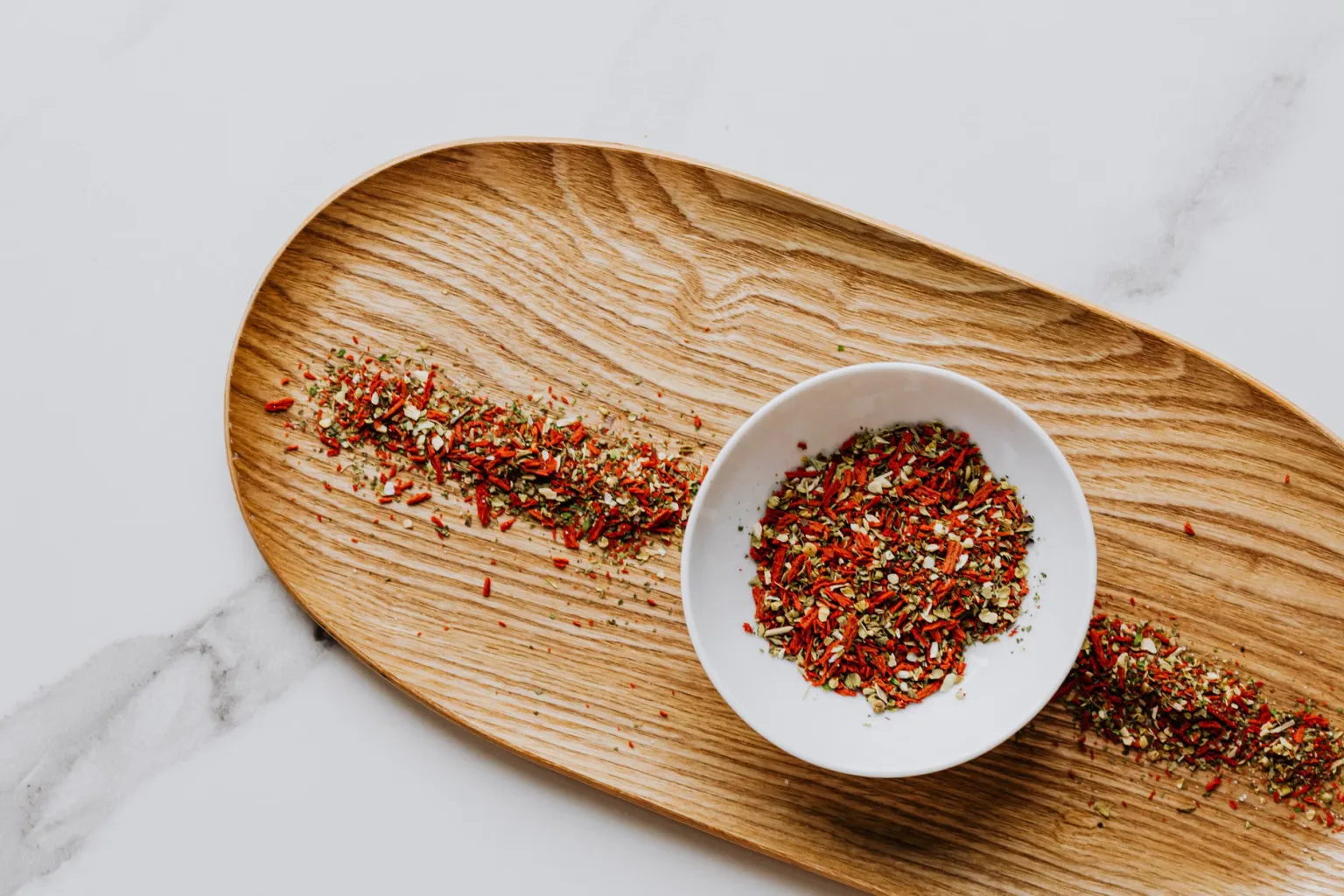
Ground mixed spice is a powdered seasoning made from more than one spice. The name does not describe a single fixed recipe: blends can vary by producer or formulation, so their contents cannot be identified from the name alone. Depending on its ingredients, a blend may contribute aroma, flavour and colour. It can be used to season savoury or sweet food. Because it is ground, it disperses readily and its flavour becomes noticeable quickly. To find out exactly what a particular product contains, read its ingredient list and allergen information. This profile describes the general category, not a specific formula.
When to use it
Use a blend when you want to add a spiced character without measuring several ingredients separately. It may suit stews, vegetables, soups, meat, poultry or sweet dishes, but the result depends on the spices in that product. Choose it by checking the label and considering the flavour you want; there is no universal formula. If the blend is unfamiliar, add a little, taste and adjust. When a recipe depends on a particular flavour, a generic blend may not give the intended result. In that case, choose individual spices or a blend whose ingredients are clearly listed.
How to use it
Read the ingredient list and package directions before cooking, especially if you need to avoid a particular ingredient. Add the blend in small amounts, stir and taste before adding more; different formulations can vary in strength. Depending on its ingredients, you can mix it into soups, stews, sauces, marinades or vegetables. For a homemade combination, choose two or three spices that suit the dish and adjust gradually. Powder disperses easily, but ground spices can burn when exposed directly to intense heat; avoid toasting the powder in a very hot pan. Follow any product-specific instructions on the package as well.
Flavour and texture
Ground mixed spice has no single defining flavour: it depends on the ingredients and their proportions. A blend may taste warm, sweet, earthy, hot or aromatic, and may also add colour. Its usual texture is a fine powder that mixes readily into liquids and moist foods. Since it is ground, aroma and flavour disperse quickly; use a cautious amount when you do not know the formula.
How to choose it
Choose a product with a clear ingredient list and relevant allergen information. The name “mixed spice” does not reveal the contents of a particular blend, so compare labels if you need a specific flavour profile or must avoid an ingredient. Check that the package is intact and follow the producer’s directions. Do not assume that products with similar names have the same formulation.
Storage
Follow the storage directions on the package and keep it closed between uses. Keep the powder away from moisture and avoid leaving it beside heat sources while cooking. Aromatic strength can vary by blend and product; when deciding whether it is still useful, check its appearance and aroma as well as the date and package directions.
Substitutions
There is no single substitute that reproduces every blend, because their contents vary. Use an individual spice suited to the dish or make a combination of two or three spices, bearing in mind that the flavour will differ. Add any alternative gradually and taste; do not assume that amounts are interchangeable. Check the original product’s ingredients if you need to recreate a particular flavour.
Common mistakes
Do not assume that every blend has the same ingredients, flavour or strength. Avoid adding a large amount all at once; taste and adjust. Do not toast the powder in a very hot pan, as ground spices can burn quickly. If an allergy or dietary restriction matters, do not rely on the product name alone: check its label.
Safety and allergens
The composition of a commercial blend can vary. If you have a food allergy, check the package ingredient list and allergen information; do not consume a product that contains an ingredient you need to avoid. If the available information is not enough to make a safe choice, do not use that product.
Culinary uses
- Aromatizar y sazonar platos
- Aportar color y carácter a una preparación
Recommended techniques
- Incorporar poco a poco y probar para ajustar la intensidad
- Mezclar con líquidos, salsas o ingredientes de un adobo
Pairs well with
- Verduras, sopas y guisos
- Carnes, aves, pescados y preparaciones dulces, según la mezcla concreta
Frequently asked questions
Do all ground mixed spice products contain the same ingredients?
No. The name describes a blend, not a fixed formula. Check the ingredient list for the specific product.
Can I use ground mixed spice in both sweet and savoury dishes?
That may work, depending on the blend’s ingredients and the flavour you want. Check the label and start with a small amount.
What can I use instead if I do not have a blend?
Choose individual spices that suit the recipe or combine two or three. The result may not taste identical, so add gradually and taste.
Ingredient allergens
Allergen listThere are no verified associations for these ingredients yet.
Estimated nutrition
- Fat
- 4.24 g
- Saturates
- 2.6 g
- Carbohydrate
- 71.6 g
- Sugars
- 3.39 g
- Fibre
- 14.1 g
- Protein
- 8.98 g
- Salt
- 0.07 g
Sources and review
Automatically researched, cross-checked and validated content. Sources consulted:
- Alérgenos alimentarios | EFSA www.efsa.europa.eu/es/safe2eat/food-allergens
- Client Challenge doi.org/10.2307/jj.27939689.16
- Especias de la A a la Z | Cocimania cocimania.com/especias-de-la-a-a-la-z/
- Agencia Española de Seguridad Alimentaria y Nutrición www.aesan.gob.es/
- Guía básica de especias: usos culinarios y propiedades (Parte I) - El Sabor de lo Bueno sabordelobueno.com/guia-uso-propiedades-especias/
- Especia - Wikipedia, la enciclopedia libre es.wikipedia.org/wiki/Especia
- Las mezclas de especias que debes conocer - EN LA COCINA Magazine enlacocina.telemesa.es/cocina/las-mezclas-de-especias-que-debes-conocer/
- Técnicas para potenciar el sabor de las especias en platos especiaselexplorador.com/tecnicas-para-potenciar-el-sabor-de-las-especias/
- Cómo combinar especias para potenciar el sabor de tus platos | Hida hida.es/como-combinar-especias-para-potenciar-tus-platos/
- Tipos de especias para cocinar y sus usos | Grupo Aranda arandaformacion.com/blog/tipos-especias-para-cocinar/
- Especias: qué son, tipos y usos | Muñoz y Pujante munozypujante.com/especias-que-son-tipos-y-usos-en-la-cocina/
- Spices and Seasoning Mixes in European Union—Innovations and Ensuring Safety - PMC pmc.ncbi.nlm.nih.gov/articles/PMC8535306/
- 15 condimentos y especias que no deben faltar en tu cocina - amantesdelacocina amantesdelacocina.com/cocina/2015/01/15-condimentos-y-especias-que-no-deben-faltar-en-tu-coc…