- Category
- Meat
- State
- Fresh
- Usual unit
- unit
What it is
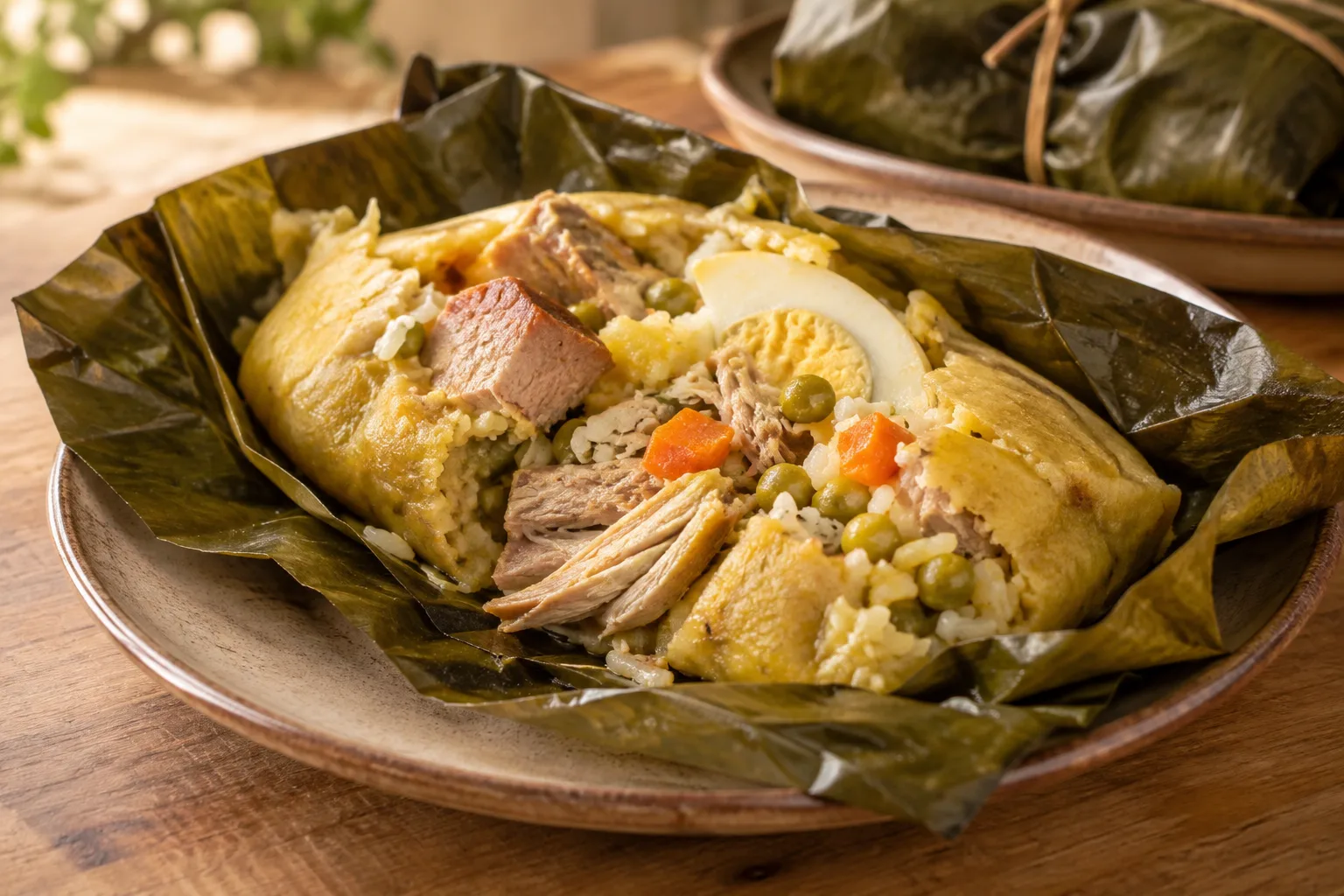
Hen is the meat ingredient identified by this name in this profile. The name does not specify whether the product is sold whole, in pieces, or as particular cuts, nor does it describe its age, origin, or production method. It also does not establish a preparation method on its own. Check the product description and packaging instructions to establish what form you have and what guidance applies. Do not confuse hen meat with hen’s eggs: they are different products and should be identified separately when planning a meal or checking ingredient information.
When to use it
Choose hen when the product you have matches the ingredient called for in the preparation you intend to make and the package instructions suit that use. Before starting, confirm whether it is whole, in portions, or a prepared product, since the name alone does not settle those details. If a recipe depends on a particular cut or presentation, do not assume every product will work in the same way. When in doubt, check the product information and decide based on the item you actually have.
How to use it
Begin by reading the label and confirming the form in which the hen is sold, along with any storage and preparation instructions given for that product. The name itself does not supply a cooking time, temperature, or technique, so do not infer those details or replace them with a generic rule. Follow the package directions and applicable food-safety guidance. If cooking for someone with allergies, check every ingredient in the preparation and prevent cross-contact through careful handling, separation, and cleaning. Cooking does not reliably remove allergens.
Flavour and texture
The name identifies hen as an ingredient, but it does not reliably describe the flavour or texture of the particular product. Those qualities may depend on the cut and preparation, details that should be confirmed in the product description or with the seller. Do not assume that a whole product and a cut-up product will behave identically in a recipe. Choose a preparation and accompaniments after confirming what product you have.
How to choose it
Check that the label clearly identifies the product and its form, and look for the relevant storage and preparation instructions. The word “hen” alone does not tell you whether it is sold whole, in pieces, or prepared, and it does not provide enough detail to select a specific technique. If you need a particular presentation, confirm that it matches your intended use before buying. When cooking for someone with allergies, also check the ingredient information for packaged products you plan to add.
Storage
Follow the storage instructions on the packaging for the particular product; do not infer storage times or temperatures from the word “hen.” If the label does not make storage clear, ask the seller or consult official food-safety guidance before deciding. Keep the product information available while storing and preparing it. When cooking for someone with allergies, store ingredients in a way that prevents cross-contact and keep their labels available so you can check what they contain.
Substitutions
No specific culinary substitute for this ingredient can be recommended from the available evidence. Before choosing something else, identify the role hen plays in the preparation and the form the dish requires. Do not assume that another meat, a plant-based product, or an egg will give the same result. If substituting because of an allergy, check ingredients and possible cross-contact carefully; do not treat a substitute as safe just because of its name.
Common mistakes
One mistake is assuming that the name specifies the cut, retail form, or cooking method; it does not. Avoid applying cooking times, temperatures, or storage periods that are not given for the particular product. Do not confuse hen meat with hen’s eggs, and do not assume a culinary alternative will have the same role. If allergies are involved, do not assume cooking removes allergens or overlook careful separation and cleaning.
Safety and allergens
Follow the package instructions and official food-safety guidance applicable to the particular product. If preparing food for someone with allergies, check the ingredients and prevent cross-contact through careful separation, storage, and cleaning. Allergens are not reliably removed by high-temperature cooking, so cooking does not replace these precautions.
Culinary uses
- Meat ingredient in a meal; the specific role depends on the product and preparation.
- Possible component of a dish when the product presentation matches the recipe.
Recommended techniques
- Check the product label for its presentation and preparation instructions.
- Use only preparation guidance that applies to the specific product.
Pairs well with
- Choose accompanying ingredients according to the intended recipe and product instructions.
- Check the labels of packaged accompaniments, especially when preparing food for someone with allergies.
Frequently asked questions
Does hen in this profile mean hen’s eggs?
No. This profile identifies hen as a meat ingredient; an egg is a different product. Check the product name and description to confirm what you have.
Does the name tell me whether it is sold whole or in pieces?
No. The name does not establish the product’s form. Check the label or ask the seller before choosing a preparation.
What cooking time and temperature should I use?
Those cannot be determined from the name alone. Follow the product instructions and official guidance applicable to that presentation.
Ingredient allergens
Allergen listThere are no verified associations for these ingredients yet.
Estimated nutrition
- Fat
- 20 g
- Saturates
- 4.73 g
- Carbohydrate
- 0 g
- Sugars
- 0 g
- Fibre
- 0 g
- Protein
- 14.7 g
- Salt
- 0.1 g
Sources and review
Automatically researched, cross-checked and validated content. Sources consulted:
- Alérgenos alimentarios | EFSA www.efsa.europa.eu/es/safe2eat/food-allergens
- Client Challenge doi.org/10.2307/jj.27939689.16
- Huevo (alimento) - Wikipedia, la enciclopedia libre es.wikipedia.org/wiki/Huevo_(alimento)
- Agencia Española de Seguridad Alimentaria y Nutrición www.aesan.gob.es/
- Food Allergies | FDA www.fda.gov/food/nutrition-food-labeling-and-critical-foods/food-allergies
- Food allergen portal | Food Standards Australia New Zealand www.foodstandards.gov.au/consumer/foodallergies/food-allergen-portal
- Managing allergens | Food Standards Scotland www.foodstandards.gov.scot/business-guidance/running-a-food-business/managing-allergens
- Allergen guidance for food businesses - GOV.UK www.gov.uk/government/publications/allergen-guidance-for-food-businesses/allergen-guidance-f…
- Lección 51: Alimentación de gallinas y patos www.fao.org/4/t0690s/t0690s0b.htm
- - YouTube www.youtube.com/watch?v=3zcLGFqw7uQ
- ¿QUÉ COMEN LAS GALLINAS PONEDORAS? – Instituto de Estudios del Huevo www.institutohuevo.com/que-comen-las-gallinas-ponedoras/
- Aceites y oleínas en la alimentación de gallinas ponedoras www.plataformatierra.es/innovacion/aceites-oleinas-alimentacion-gallinas-ponedoras
- ¿Qué comen las gallinas ponedoras europeas? - Los juegos del huevo losjuegosdelhuevo.eu/que-comen-las-gallinas-ponedoras-europeas/