- Category
- Vegetables
- State
- Fresh
- Usual unit
- unit
What it is
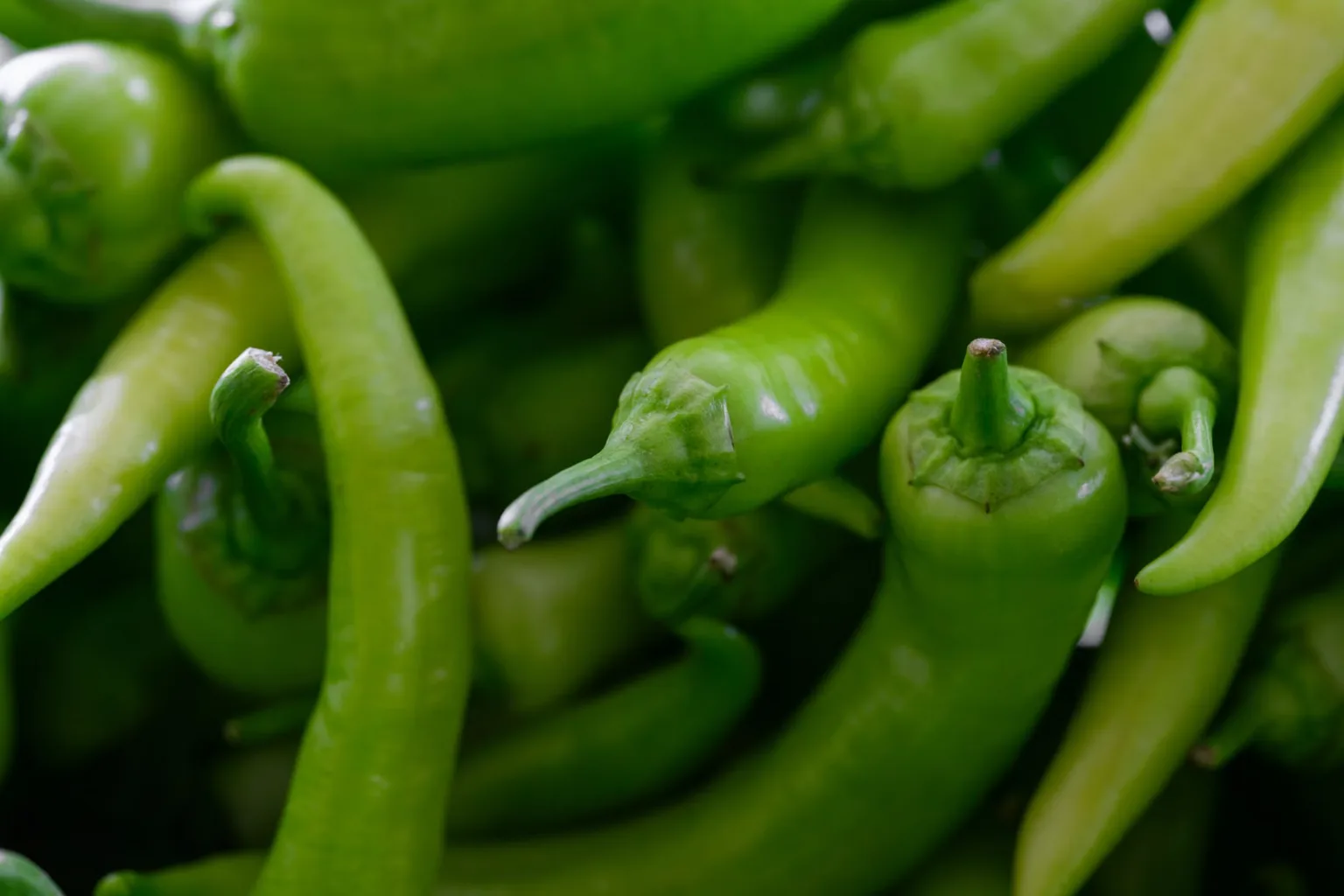
Hot chili peppers are fresh pods from different Capsicum varieties, used to add heat and flavor. They do not have one standard level of pungency: some varieties are mild, while others are very hot, and peppers also differ in size, shape, and color. A recipe made with one variety may therefore turn out much hotter when another is used. Fresh chiles can be used whole, chopped, or roasted, depending on the dish and the texture you want. When roasted, their skin may blister and can be removed before further preparation. This profile covers the fresh ingredient; dried, preserved, and powdered chiles are different forms and may behave differently in cooking.
When to use it
Use fresh chiles when you want to add heat and flavor to a sauce, stew, or marinade, or when a recipe specifically calls for fresh chile. Since heat varies between varieties and individual peppers, begin with a small amount if you do not know the chile and add more after tasting. Fresh peppers can be chopped and added directly or cooked; if the skin would make a dish less pleasant, roast the chiles until it blisters and peel it away. When a recipe needs a consistent level of heat, taste a small portion before adding the chile to the whole batch.
How to use it
Rinse the chiles under running water and dry them before cutting. To control the heat, add a small amount first and taste the dish before adding more; pungency can vary substantially between varieties and individual peppers. Chop them to distribute through sauces or stews, or use them whole if the recipe calls for it. To remove the skin, roast the chiles until it blisters, let them cool enough to handle, and peel. When handling hot chiles, wear gloves or avoid touching your face and eyes; wash your hands thoroughly with soap and water afterward. If you roast chiles for storage, refrigerate them within two hours and use or freeze them within three days.
Flavour and texture
Heat is the most noticeable feature, but its intensity depends on the variety and can differ from one pepper to another. Each chile also has its own flavor, so different varieties will not produce identical results in a sauce or stew. Fresh flesh can be chopped into a dish; roasting softens it and blisters the skin, which can be removed if a smoother texture is preferred. Do not assume that color or size alone reliably indicates how hot a pepper will be.
How to choose it
Choose fresh chiles that are firm, smooth, crisp, and fresh-looking. Avoid pods that are shriveled, moldy, bruised, soft-spotted, or visibly damaged. These signs help identify better-quality produce but do not reliably predict its heat. If you are unfamiliar with the variety, buy enough to test a small piece first and adjust the recipe before adding more.
Storage
Storage quality depends on the condition of the produce and how it is stored; storage will not improve a chile that is already in poor condition. Keep utensils and containers clean, and follow package directions if provided. Refrigerate roasted chiles within two hours; once refrigerated, use or freeze them within three days. To freeze them, cool them first and use shallow containers or freezer-appropriate bags; do not store chiles while they are still hot.
Substitutions
If you do not have the specified chile, another fresh chile may work, chosen to be milder or hotter as appropriate and used in a carefully adjusted amount. Dried chile may also suit some preparations, but it changes the texture and may not provide the same heat as fresh. Varieties are not interchangeable in pungency, so test a small amount before seasoning the whole dish.
Common mistakes
Adding a large amount at once without knowing the variety can make a dish much hotter than intended. Do not assume every pepper has the same level of heat. Another mistake is touching your eyes or face while handling chiles; wear gloves or wash your hands thoroughly with soap and water before touching your face. Do not leave roasted chiles at room temperature for more than two hours before refrigerating them.
Safety and allergens
Hot chiles can irritate or burn skin and eyes during handling. Wear gloves or keep your hands away from your face and eyes, and wash thoroughly with soap and water after cutting them. If you roast chiles for storage, refrigerate them within two hours and use or freeze them within three days. For home canning, follow a tested preservation recipe and its specified processing method; do not improvise the canning process.
Culinary uses
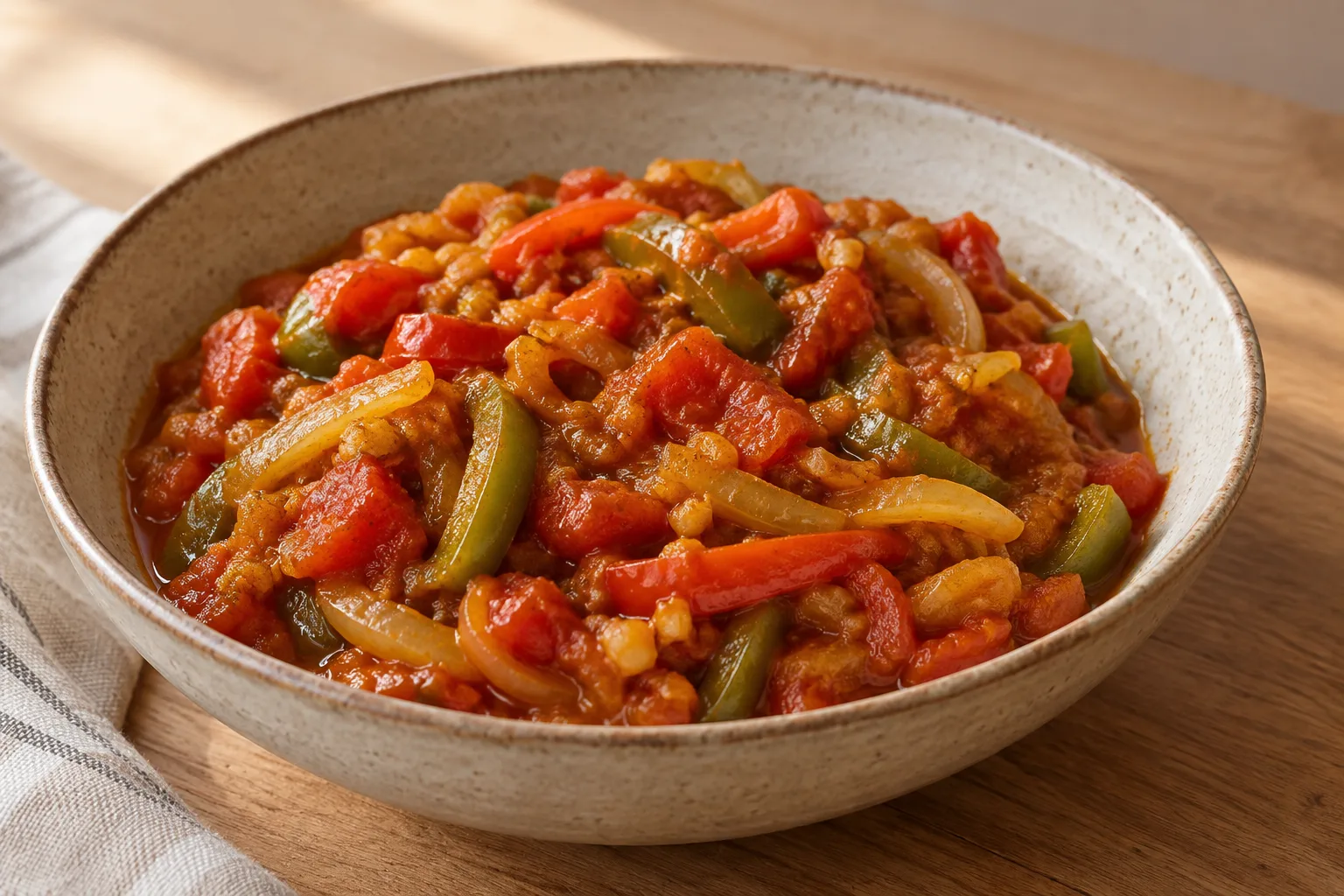
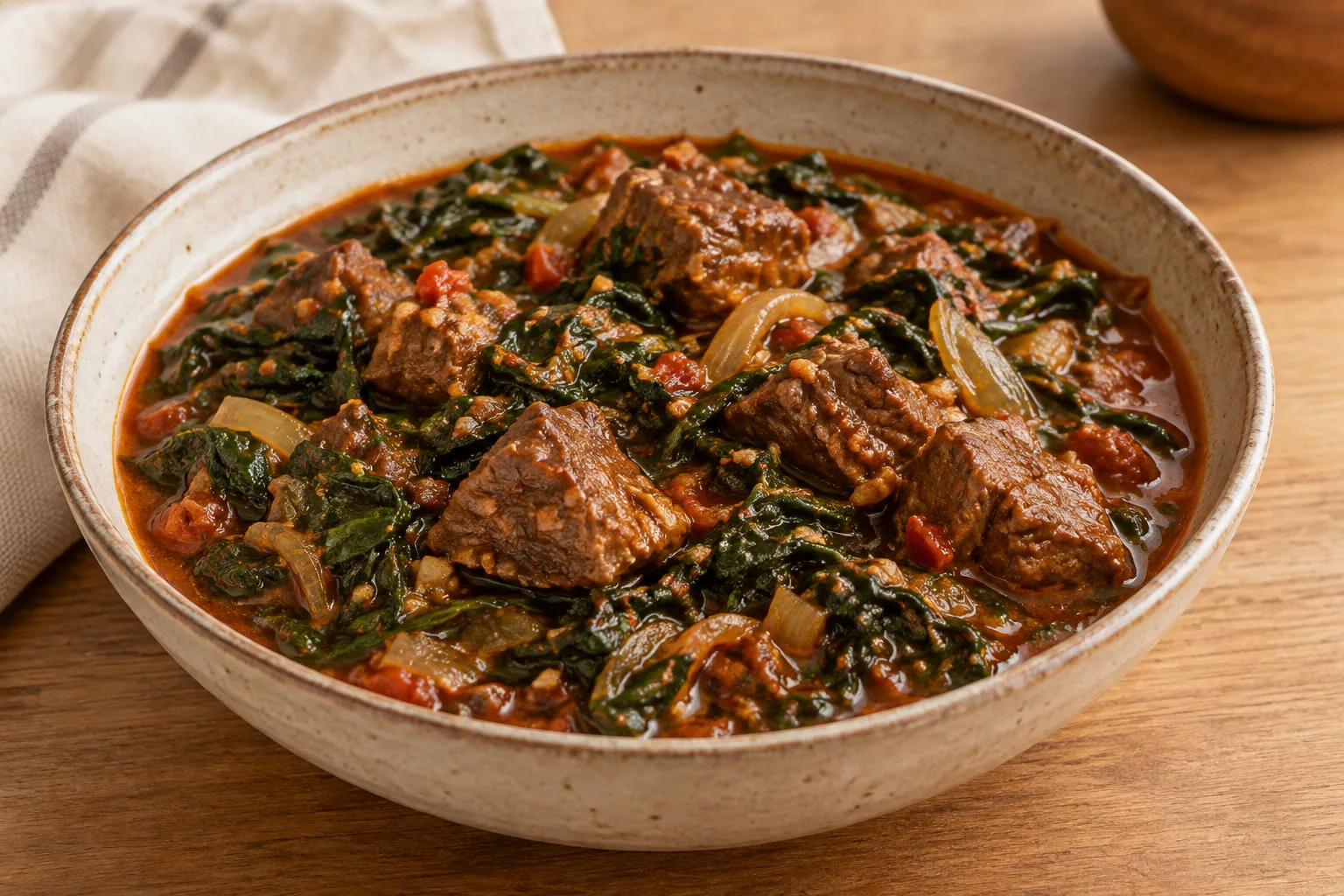
- Aportar picor y sabor a salsas y guisos
- Servir como ingrediente fresco, asado o cocinado
Recommended techniques
- Picar y añadir crudo o cocinado
- Asar hasta que la piel se ampolle y retirarla si la receta lo requiere
- Congelar chiles preparados para conservarlos
Pairs well with
- Tomate y cebolla en salsas
- Guisos y adobos
- Otros chiles suaves o picantes en salsas
Frequently asked questions
Are all hot chili peppers equally spicy?
No. Heat varies among varieties and can also vary from one pepper to another. Start with a small amount, taste, and adjust.
How can I peel fresh chiles?
Roast them until the skin blisters. Let them cool enough to handle, then remove the skin before continuing if you want a smoother texture.
How should roasted chiles be stored?
Refrigerate them within two hours of roasting and use or freeze them within three days. Cool them before freezing and use shallow containers or freezer-safe bags.
Estimated nutrition
- Fat
- 0 g
- Saturates
- 0 g
- Carbohydrate
- 3.57 g
- Sugars
- 0 g
- Fibre
- 3.6 g
- Protein
- 0 g
- Salt
- 2.68 g
Sources and review
Automatically researched, cross-checked and validated content. Sources consulted:
- Client Challenge doi.org
- Food Selection & Storage | Home & Garden Information Center hgic.clemson.edu
- Processing Fresh Chile Peppers | New Mexico State University - BE BOLD. Shape the Future. pubs.nmsu.edu
- Agencia Española de Seguridad Alimentaria y Nutrición aesan.gob.es
- El chile, ingrediente esencial en la cocina de México - Formacion en Gastronomia formacionengastronomia.com
- How to Preserve Chiles | USU extension.usu.edu
- Vamos a Conservar Alimentos: Chiles/Pimientos extension.psu.edu
- Chile ucanr.edu
- Food & Nutrition | Colorado State University Extension foodsmartcolorado.colostate.edu
- Salsa de Chile II (Spanish) - National Center for Home Food Preservation nchfp.uga.edu
- El chile — Canela Limón Chile canelalimonchile.com
- La historia del picante en el mundo - blog doctorsalsas doctorsalsas.com
- Tipos de Chiles Picantes | Guía Completa - El Paladar elpaladar.es
- ORIGEN DEL PICANTE – Salserellas salserellas.es