- Category
- Herbs and spices
- State
- Powdered
- Usual unit
- teaspoon
What it is
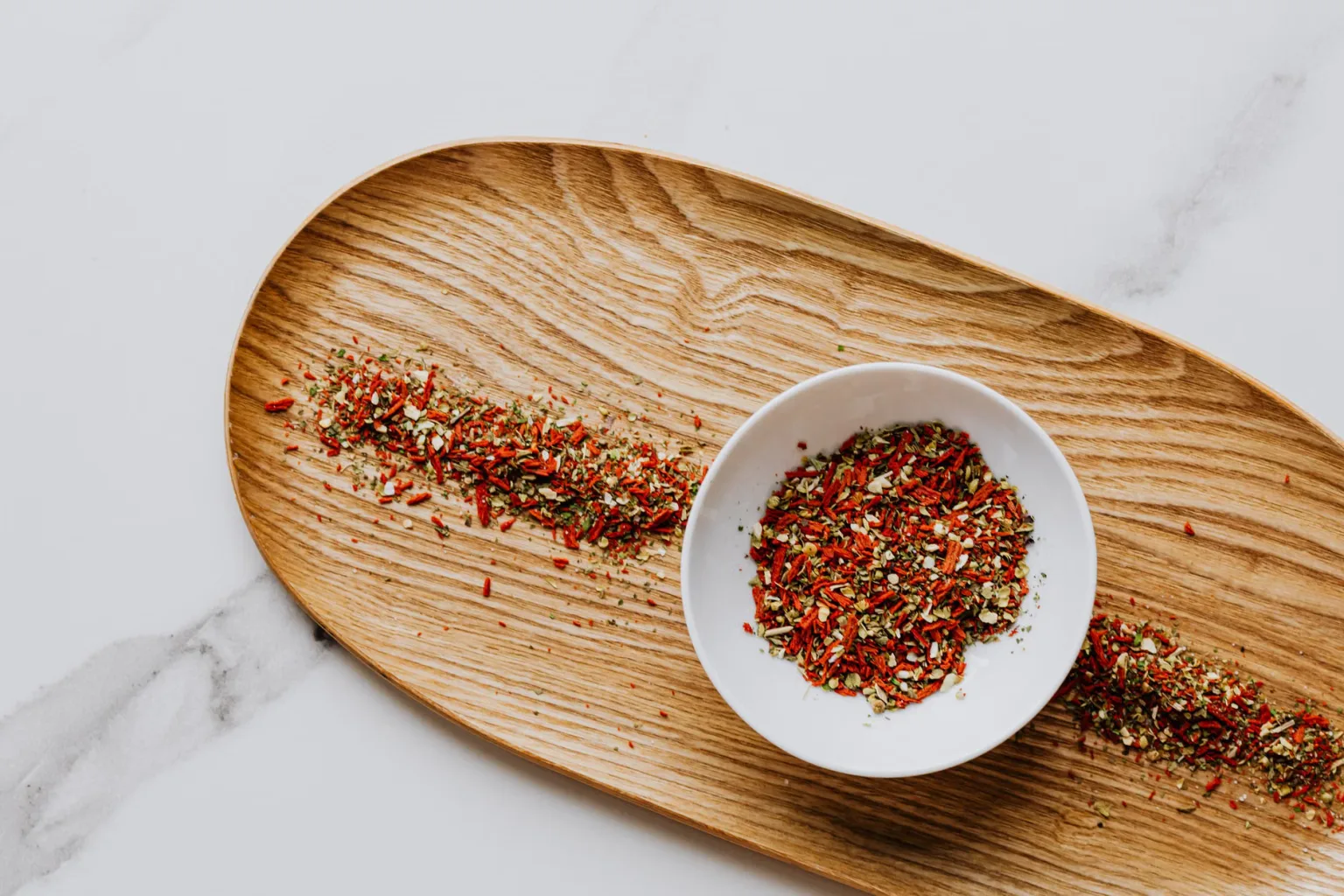
Lebanese seven-spice mix, also called Lebanese spice mix or baharat in some contexts, is a ground seasoning blend. Its name suggests a mixture of several spices, but it does not guarantee one fixed recipe: ingredients differ between home recipes and manufacturers. Commonly described components include black pepper, coriander, cloves, cinnamon and nutmeg; other versions may include or swap in allspice, ginger, white pepper, cumin or cardamom. As a result, two blends with the same name can taste different. The mixture is sold ground or can be made by combining ground spices or grinding whole ones. Check the ingredient list of the particular product before cooking, especially when the exact composition matters for a recipe or dietary restriction.
When to use it
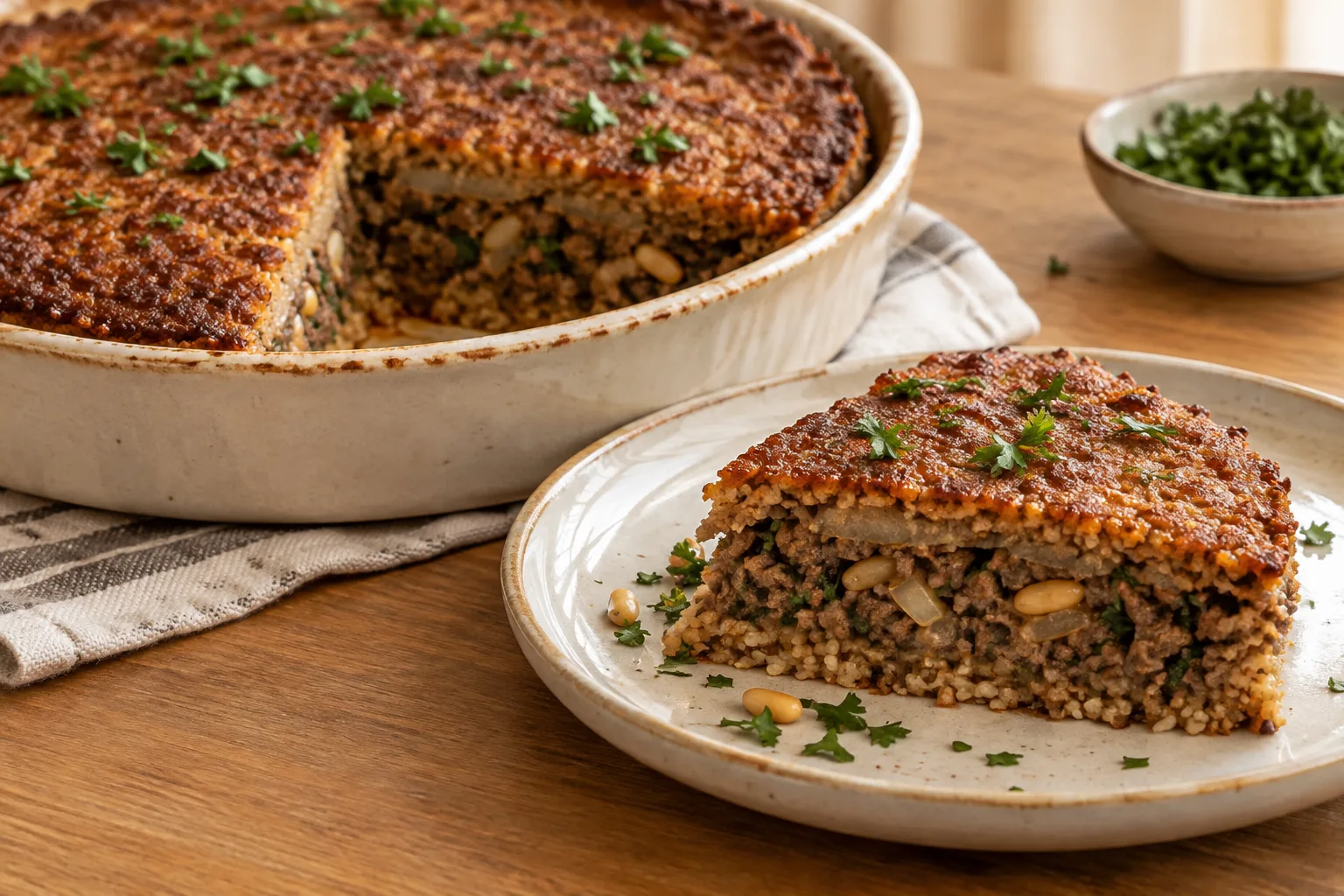
Use it when you want to give meat, especially minced meat and lamb, or stews, soups and rice a warm, spiced character. It can also season grilled meat or form part of a dry rub. Since formulas vary and some components can be assertive, begin with a small amount and taste before adding more. In a recipe that already uses several spices, check whether the blend repeats flavours already present so one note does not take over. Choose a blend suited to the dish: a version with more pepper or ginger can taste quite different from one centred on cinnamon, cloves and nutmeg.
How to use it
Read the label or recipe for the blend, because there is no universal seven-spice formula. Add it gradually to minced meat, lamb, stews, soups or rice, tasting before increasing the amount. For meat, use it as a dry rub or mix it with oil to make a marinade; one published preparation also combines it with oil and, optionally, yogurt, but check the particular blend first. To make your own, combine ground spices or grind whole spices and mix evenly. You can start with common ingredients such as black pepper, coriander, cloves, cinnamon and nutmeg, while keeping in mind that other recipes add or substitute spices. Keep the mixture dry and tightly closed after use.
Flavour and texture
The profile is usually warm, aromatic and spiced, with nuances that depend on the formula and the proportion of each ingredient. Cinnamon, cloves and nutmeg can contribute sweet, warming notes; pepper may add more intensity, while coriander and other ingredients alter the balance. Ground blends have a fine or slightly grainy powder texture, depending on the grind. Do not expect every brand or homemade version to taste the same: the name describes a family of blends, not a fixed formula.
How to choose it
Choose a well-sealed pack and check the ingredient list: “seven spice” does not define a standard recipe, and blends can differ. If you can assess its aroma, choose one that smells fragrant; a vivid, natural-looking colour can also help you judge its appearance, though colour alone cannot establish quality. Check that the product suits the dish, particularly if you want a warmer, pepperier profile or need specific ingredients. Keep the label so you can refer to the blend’s composition.
Storage
Keep the blend in a dry, airtight container, away from moisture and heat, in a cool, dry place. Close the container firmly after each use to help preserve its aroma. Ground spices can lose intensity over time, so check the smell and taste before adding the blend to a dish. There is no single storage life for every blend; follow the date and instructions on the pack.
Substitutions
You can use another Lebanese seven-spice or baharat blend, but check its ingredients first: formulas vary, and the result will not necessarily be identical. Another option is to combine individual spices, starting with common ingredients such as black pepper, coriander, cloves, cinnamon and nutmeg. Some versions add or change other components, so adjust the combination to suit the dish and the flavour you want. There is no exact substitute when the original blend is unknown.
Common mistakes
Do not assume that every blend called “seven spice” contains the same ingredients. Avoid adding a large amount at once: warm spices and pepper can dominate, and proportions vary. Check the label before substituting when a particular spice matters for flavour or a dietary restriction. Keep the powder dry and sealed; moisture and an open container can diminish its aroma.
Safety and allergens
Check the pack’s ingredient list because the composition can vary between blends and manufacturers. If you have a food allergy, do not assume a blend is suitable from its name alone: check the particular product’s label and contact the manufacturer if the information is unclear. Keep the seasoning dry and do not use it if the pack is damaged or the product shows signs of moisture.
Culinary uses
- Condimento aromático para carnes y platos de carne picada
- Mezcla de especias para guisos, sopas, arroz y verduras
Recommended techniques
- Mezclar directamente con los ingredientes o espolvorear durante la cocción
- Incorporar como adobo seco o combinar con aceite para un adobo
Pairs well with
- Cordero, carne picada y carnes a la parrilla
- Guisos, sopas, arroz y verduras
Frequently asked questions
Does Lebanese seven-spice mix always contain the same ingredients?
No. Recipes and commercial blends can vary. Black pepper, coriander, cloves, cinnamon and nutmeg are among the commonly described spices, while other versions add or change ingredients.
What dishes can I use it in?
It seasons meat, particularly minced meat and lamb, as well as stews, soups, rice and grilled meat. Start with a small amount and adjust to taste.
How should I store it?
Keep it in an airtight container in a cool, dry place, away from moisture. Check the pack date and smell the blend before using it.
Ingredient allergens
Allergen listThere are no verified associations for these ingredients yet.
Sources and review
Automatically researched, cross-checked and validated content. Sources consulted:
- Alérgenos alimentarios | EFSA www.efsa.europa.eu/es/safe2eat/food-allergens
- ¿Por qué la muerte es origen de miedos y tabúes? doi.org/10.64628/aao.fccyk3qj3
- Gastronomía de Argentina - Wikipedia, la enciclopedia libre es.wikipedia.org/wiki/Gastronom%C3%ADa_de_Argentina
- Agencia Española de Seguridad Alimentaria y Nutrición www.aesan.gob.es/
- - YouTube www.youtube.com/watch?v=OREdaPr3ri4
- Mezcla de especias: Baharat, el sabor del Mediterráneo oriental www.cocinayaficiones.com/mezcla-de-especias-baharat-sabor-mediterraneo-oriental/
- Food Allergies | FDA www.fda.gov/food/nutrition-food-labeling-and-critical-foods/food-allergies
- Food Safety - Food Safety - European Commission food.ec.europa.eu/index_en
- Baharat - Anónimo www.ecured.cu/index.php?oldid=4500716&title=Baharat
- Ankorstore x ORANESSENCE - Pimienta Libanesa - 7 Especias Libanesas es.ankorstore.com/brand/oranessence-1826/poivre-libanais-7-epices-libanais-117064
- Siete especias libanesas | Gastronomía & Cía www.gastronomiaycia.com/siete-especias-libanesas/amp/
- LA GASTRONOMÍA, LA TRADICIÓN CULINARIA Y LA CULTURA COMO ELEMENTOS DINAMIZADORES Y SU EFECTO DIFERENCIAL EN LAS CIUDADES | OpenAlex openalex.org/W2792479719
- Baharat - mezcla de especias de Levante | Bistro Badia bistrobadia.de/es/especias-baharat/
- Mezcla de siete especias libanesa – Sencillamente Paleo sencillamentepaleo.com/2015/07/22/mezcla-libanesa-de-siete-especias/
- ▷ La cocina libanesa y sus 9 ingredientes clave www.mercadoflotante.com/blog/cocina-libanesa-ingredientes