- Category
- Vegetables
- State
- Fresh
- Usual unit
- unit
What it is
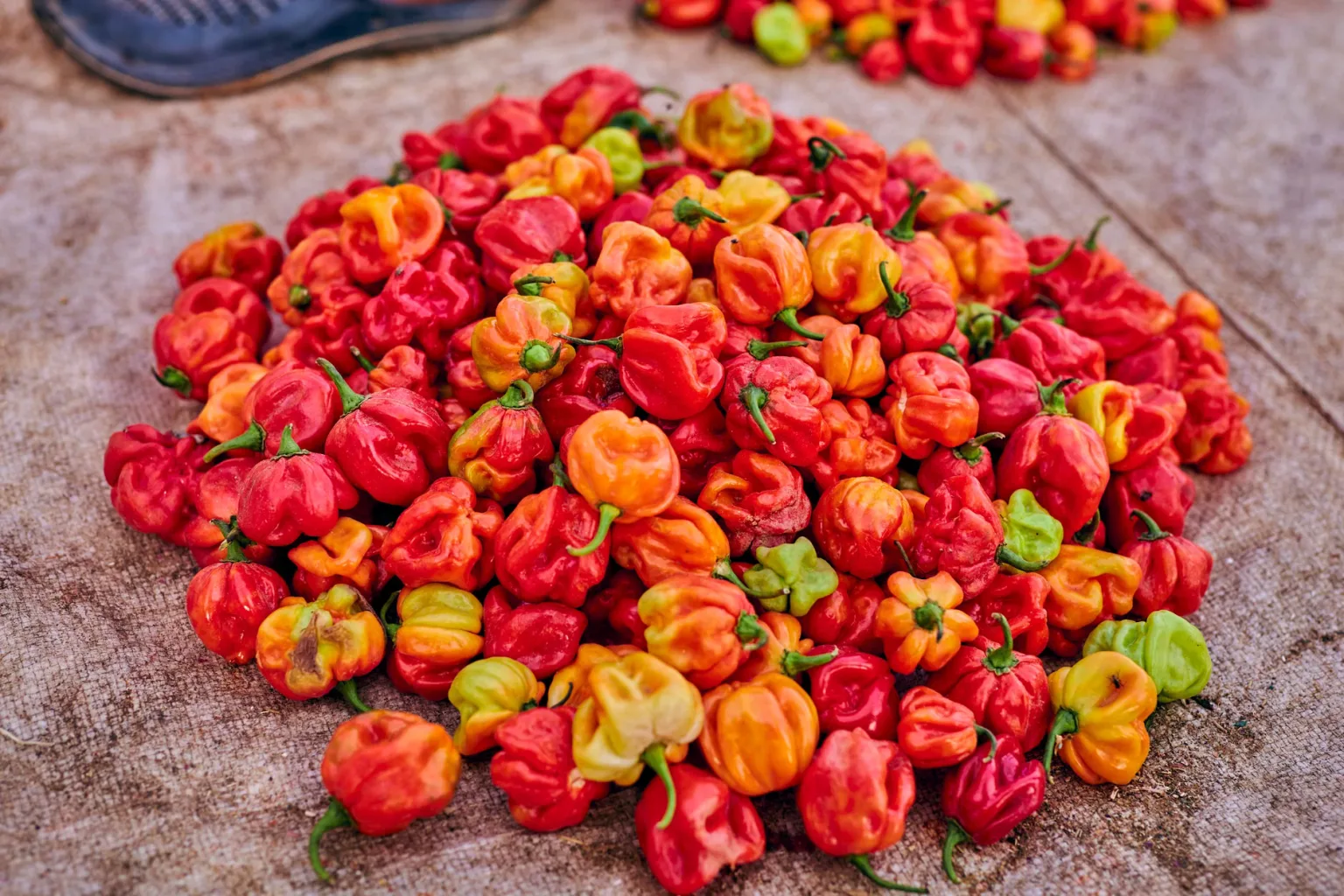
Locoto is a regional name for a fresh hot pepper, also called rocoto in some places. The fruit comes in varied shapes and colors and has a fleshy texture. It is used as a spicy seasoning, particularly in Andean cooking. One familiar preparation is llajwa, a fresh salsa made by grinding locoto with tomato, aromatic herbs and a little salt. Locoto is also sold in pickled preparations, sauces and powder. Treat it as a hot ingredient when cooking and begin with a small amount; a pepper's size or appearance alone cannot establish how hot it will taste.
When to use it
Use locoto when you want heat in a fresh salsa, a condiment or a pickled preparation. In llajwa, it is ground with tomato, aromatic herbs such as quillquiña or suyco, and salt. Its fleshy texture can also suit dishes where you want more than a sharp hit of spice. Because the heat may vary and can be pronounced, start with a little and taste before adding more. If you want a mild result, locoto may not be the right choice.
How to use it
For a fresh salsa, grind or blend a small amount of locoto with tomato, aromatic herbs and salt. Taste, then add more pepper gradually until the heat suits you. You may remove seeds or inner parts if you prefer to moderate the result, but the available evidence does not establish a specific reduction in heat from doing so. Locoto is also available pickled, in sauces and as powder. For powder or prepared products, follow the package directions because concentration and ingredients can vary. Do not assume that equal amounts of locoto and another pepper will produce equal heat.
Flavour and texture
Locoto brings pronounced heat and a fleshy, somewhat cartilaginous texture. Its fruit can vary in shape and color, and appearance alone is not a reliable guide to its heat. In fresh salsa, its spice works alongside the flavors of tomato, herbs and salt rather than replacing them. Adding it in small increments helps keep the balance and lets you adjust the salsa before serving.
How to choose it
Locoto peppers vary noticeably in shape and color, so there is no single appearance that identifies every type. Choose peppers sold as fresh and check their general condition at purchase. If you need a particular heat level, do not infer it from color or size alone: start with a small amount in your dish and adjust after tasting. For pickled, sauced or powdered products, read the label to check the ingredients.
Storage
The available information does not establish a specific shelf life, temperature or storage method for fresh locoto peppers. Follow the storage instructions given by the seller or printed on the package, and do not keep the product longer than those instructions advise. For preserved, pickled, sauced or powdered locoto, follow the product label; directions may differ among forms and brands.
Substitutions
Another fresh chili may stand in when locoto is unavailable, but it will not be an exact replacement: peppers differ in heat and character. Jalapeño may suit a milder salsa, while habanero may suit a hotter one. These are broad directions, not equal-amount substitutions. Add the alternative gradually and taste before serving. For llajwa, keep the tomato, herbs and salt that give the salsa its form.
Common mistakes
A common mistake is adding all the locoto at once or assuming every pepper has the same heat. Begin with a small portion, add more gradually and taste the dish. Also avoid assuming fresh locoto is interchangeable in equal amounts with pickled, powdered or prepared products; form and concentration can change the result. Do not use color or size as a dependable measure of heat.
Safety and allergens
Locoto is hot and can cause a burning sensation when eaten. Handle it carefully and avoid touching your eyes while preparing it. If you have a food allergy, check the product information and do not eat a food that causes a reaction for you. The available information does not establish an additional ingredient-specific warning.
Culinary uses
- Fresh hot pepper for sauces and condiments
- A spicy ingredient for pickled preparations
Recommended techniques
- Grind or blend fresh locoto into a salsa
- Use in pickled preparations or process into powder
Pairs well with
- Tomato
- Quillquiña or suyco herbs
- Salt
Frequently asked questions
Are locoto and rocoto the same pepper?
They are regional names used for this pepper. The name varies from place to place.
How do I use locoto in a salsa?
Grind or blend it with tomato, aromatic herbs and salt for a fresh salsa such as llajwa. Add it gradually and taste as you go.
Does color tell me how hot a locoto is?
Not reliably. The fruits vary in color and shape, so adjust the amount by tasting the dish.
Ingredient allergens
Allergen listThere are no verified associations for these ingredients yet.
Sources and review
Automatically researched, cross-checked and validated content. Sources consulted:
- Alérgenos alimentarios | EFSA www.efsa.europa.eu/es/safe2eat/food-allergens
- Client Challenge doi.org/10.2307/jj.27939689.16
- Agencia Española de Seguridad Alimentaria y Nutrición www.aesan.gob.es/
- Técnicas de cocina moderna y vanguardista | Fish Solutions : Pescanova Fish Solutions fishsolutions.pescanova.es/formacion-para-hosteleria/trucos-de-cocina-para-hosteleria/tecnic…
- Allergies - Food Safety - European Commission food.ec.europa.eu/food-safety/campaign-2026/allergies_en
- Food Allergies | FDA www.fda.gov/food/nutrition-food-labeling-and-critical-foods/food-allergies
- Food allergens | Food Safety and Quality | FAO www.fao.org/food-safety/scientific-advice/food-allergens/en
- Food Allergy Labeling Laws: International Guidelines for Residents and Travelers - PMC pmc.ncbi.nlm.nih.gov/articles/PMC10169132/
- RISK ASSESSMENT OF FOOD ALLERGENS - IRIS iris.who.int/server/api/core/bitstreams/6c71a3db-88b8-4fcd-a807-f5220eb4fc34/content
- Allergens in food | safefood.vic.gov.au www.safefood.vic.gov.au/allergens-in-food
- Allergen guidance for food businesses - GOV.UK www.gov.uk/government/publications/allergen-guidance-for-food-businesses
- Capsicum pubescens - Wikipedia, la enciclopedia libre es.wikipedia.org/wiki/Capsicum_pubescens
- Locoto, el único sabor que da placer - Horticultura www.interempresas.net/Horticola/74911-Locoto-el-unico-sabor-que-da-placer.html
- - YouTube www.youtube.com/watch?v=DEf2LizBMCE
- Descubre los increíbles beneficios de Locoto y cómo puede mejorar tu vida www.picturethisai.com/es/benefits/Capsicum_baccatum.html