- Category
- Herbs and spices
- State
- Dry
- Usual unit
- Variable
What it is
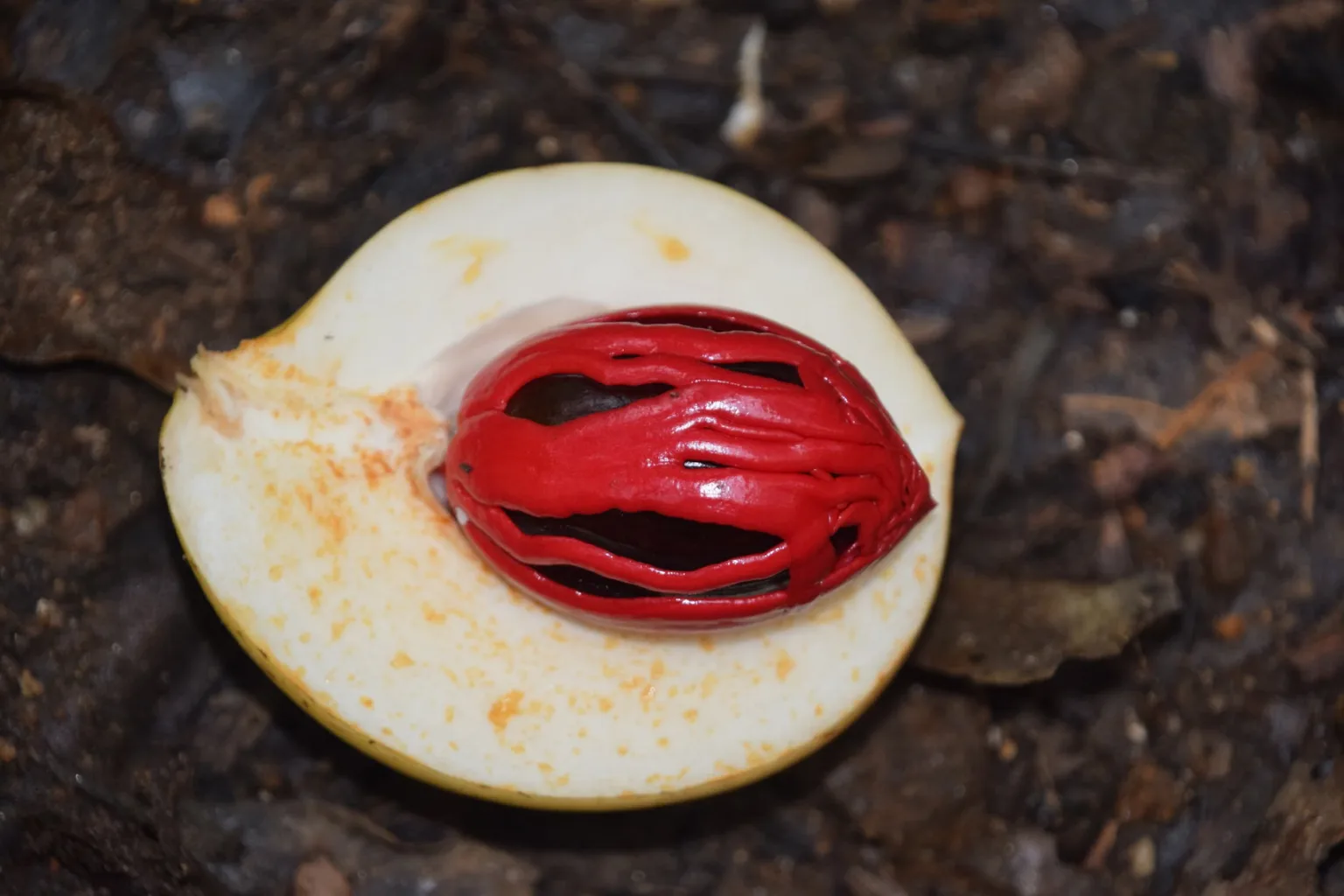
Mace is the aril, the covering surrounding the nutmeg seed. It is not a flower, despite sometimes being called the “flower of mace”. It is sold dried, either in whole pieces or ground. Its aroma and flavour are reminiscent of nutmeg, but are often described as milder, more delicate and floral. It can add a warm, spiced note to both savoury and sweet dishes. Whole mace can be ground before use; ground mace is convenient, although its aroma may fade more quickly. It is a concentrated spice, so start with a small amount and adjust to taste.
When to use it
Use mace when you want to add a warm, spiced aroma without using quite the same profile as nutmeg. It can lend character to creamy sauces, béchamel, mashed potatoes, soups and stews, as well as curries and meat dishes. In baking, it suits spiced preparations, breads and desserts. Because its aroma can be strong and too much may dominate or make a dish bitter, begin with a small amount. Whole mace is useful when you want to grind the spice just before cooking; ground mace is easy to add directly.
How to use it
If you have whole mace, grind it just before use with a mortar or spice grinder, then add a small amount to the dish. Ground mace can be stirred directly into sauces, creams, mashed potatoes, soups, stews, curries and baking mixtures. It can also flavour roasted meats and spiced breads. Taste before adding more: too much can turn bitter and mask the other ingredients. Some preparations use it towards the end of cooking; in others, it is mixed in from the start. If you use a whole piece to infuse a dish, remove it before serving.
Flavour and texture
Mace has a warm, spiced aroma reminiscent of nutmeg, but is generally more delicate and floral. It is also described as sweet and slightly pungent. Dried whole pieces can be ground, while ground mace blends readily into sauces, batters and mashed dishes. Use it sparingly: its flavour can overpower other ingredients or become bitter if too much is added.
How to choose it
Mace is available dried, either whole or ground. Whole mace is a good choice if you prefer to grind it just before use and want a fresher aroma while cooking. Ground mace is convenient to mix straight into a recipe, though its aroma may fade sooner. Check the package, ingredient list and allergen information, especially if you have a food allergy; product composition and labelling can vary.
Storage
Keep mace in a tightly closed container in a cool, dry place away from direct light. These conditions help preserve its aroma. If you buy whole mace, grind it when needed; ground mace may lose its aromatic intensity more quickly. Follow the storage directions on the package as well, and avoid leaving the container open or exposing the spice to moisture.
Substitutions
Nutmeg can substitute for mace because their aromatic profiles are related, although nutmeg is often more intense. Add it cautiously and adjust to taste. You can also switch between whole and ground mace, grinding the whole pieces before use. These options change the form and intensity of the spice; they do not establish an exact quantity-for-quantity equivalent.
Common mistakes
The most common mistake is using too much mace: it can become bitter and hide other flavours. Start with a pinch and taste before adding more. Do not mistake mace for a flower or for the whole nutmeg seed: it is the seed’s covering. If you use a whole piece to infuse a dish, remove it before serving.
Safety and allergens
If you have a food allergy, check the ingredient list and allergen information for the specific product before eating it. Do not assume that different brands or packages have the same composition; ask the seller if the information is unclear.
Culinary uses
- Especia aromática para platos dulces y salados
- Condimento para dar profundidad a salsas, purés y guisos
Recommended techniques
- Moler el macis entero justo antes de usarlo para conservar mejor su aroma
- Añadirlo con moderación; puede incorporarse al final de la cocción o a una mezcla de especias
Pairs well with
- Salsas cremosas, bechamel y puré de patatas
- Repostería especiada, carnes guisadas y curris
Frequently asked questions
Which part of the nutmeg plant is mace?
Mace is the aril, or covering, around the nutmeg seed; it is not a flower.
What does mace taste like?
It is reminiscent of nutmeg, with a flavour often described as milder and more floral, and with warm, spiced notes.
Can I use nutmeg instead of mace?
Yes. Nutmeg can work because the aromatic profiles are related. It may be more intense, so begin with a small amount and adjust.
Ingredient allergens
Allergen listThere are no verified associations for these ingredients yet.
Sources and review
Automatically researched, cross-checked and validated content. Sources consulted:
- Alérgenos alimentarios | EFSA www.efsa.europa.eu/es/safe2eat/food-allergens
- Client Challenge doi.org/10.2307/jj.27939689.16
- Agencia Española de Seguridad Alimentaria y Nutrición www.aesan.gob.es/
- Nuez moscada y macis, las especias reinas de mi cocina. Apuntes - Cocina y Aficiones www.cocinayaficiones.com/nuez-moscada-y-macis-apuntes/
- Propiedades del macis, especia – Botanical-online www.botanical-online.com/plantas-medicinales/macis-propiedades
- - YouTube www.youtube.com/watch?v=EsLUAHp8Qd4
- Allergies - Food Safety - European Commission food.ec.europa.eu/food-safety/campaign-2026/allergies_en
- Food Allergies | FDA www.fda.gov/food/nutrition-food-labeling-and-critical-foods/food-allergies
- Allergen guidance for food businesses - GOV.UK www.gov.uk/government/publications/allergen-guidance-for-food-businesses/allergen-guidance-f…
- Allergen labelling for consumers | Food Standards Australia New Zealand www.foodstandards.gov.au/consumer/labelling/allergen-labelling
- Global food safety standards body Codex agrees on new guidance on “may contain” allergen labels www.fao.org/newsroom/detail/global-food-safety-standards-body-codex-adopts-new-guidance-on--…
- Macis | www.cocinista.es www.cocinista.es/web/es/enciclopedia-cocinista/especias-de-la-a-a-la-z/macis.html
- Macis molido - Comprar Online - La Parada de las Especias comprarespecias.net/tienda/especias/macis-molido/?srsltid=AYCX9vI1FUpWCAWTvWUnRlnMhAgY1wXhJR…
- ▷ ¿Qué es el macis y para qué sirve? | La Casa de los Sabores lacasadelossabores.com/que-es-el-macis-y-para-que-sirve/?srsltid=AYCX9vJE8eCk2AlLWXnfpsv5UeO…
- ¿Qué es la macis? Beneficios y propiedades de la cascara de la nuez moscada | El Diario Vasco www.diariovasco.com/gastronomia/despensa/macis-20190703122219-nt.html
- Conocer la Macis • sallypepperspices • Tienda de especias y salsas picantes sallypepperspices.com/2021/07/23/conocer-la-macis/