- Category
- Drinks
- State
- Liquid
- Usual unit
- ml
What it is
Manzanilla is a dry white wine with its own designation. It is made from Palomino grapes and aged biologically in wineries in Sanlúcar de Barrameda beneath a layer of yeast known as flor. It is a fortified wine: the must ferments completely, and the base wine is fortified to support this ageing style. It is typically very pale straw yellow. The style can vary: exceptionally extended ageing can produce Manzanilla Pasada, which has more structure and complexity than the usual style.
When to use it
Choose Manzanilla when you want a dry, fresh aperitif or a drink to serve alongside tapas. Its documented pairings include fish and seafood, salty flavours such as cured meats and salt-preserved foods, and dishes containing vinegar, including salads, adobos, marinades and cold soups. It is served alongside food rather than being an automatic replacement for another wine: its dry, delicate character and slightly bitter finish shape the pairing.
How to use it
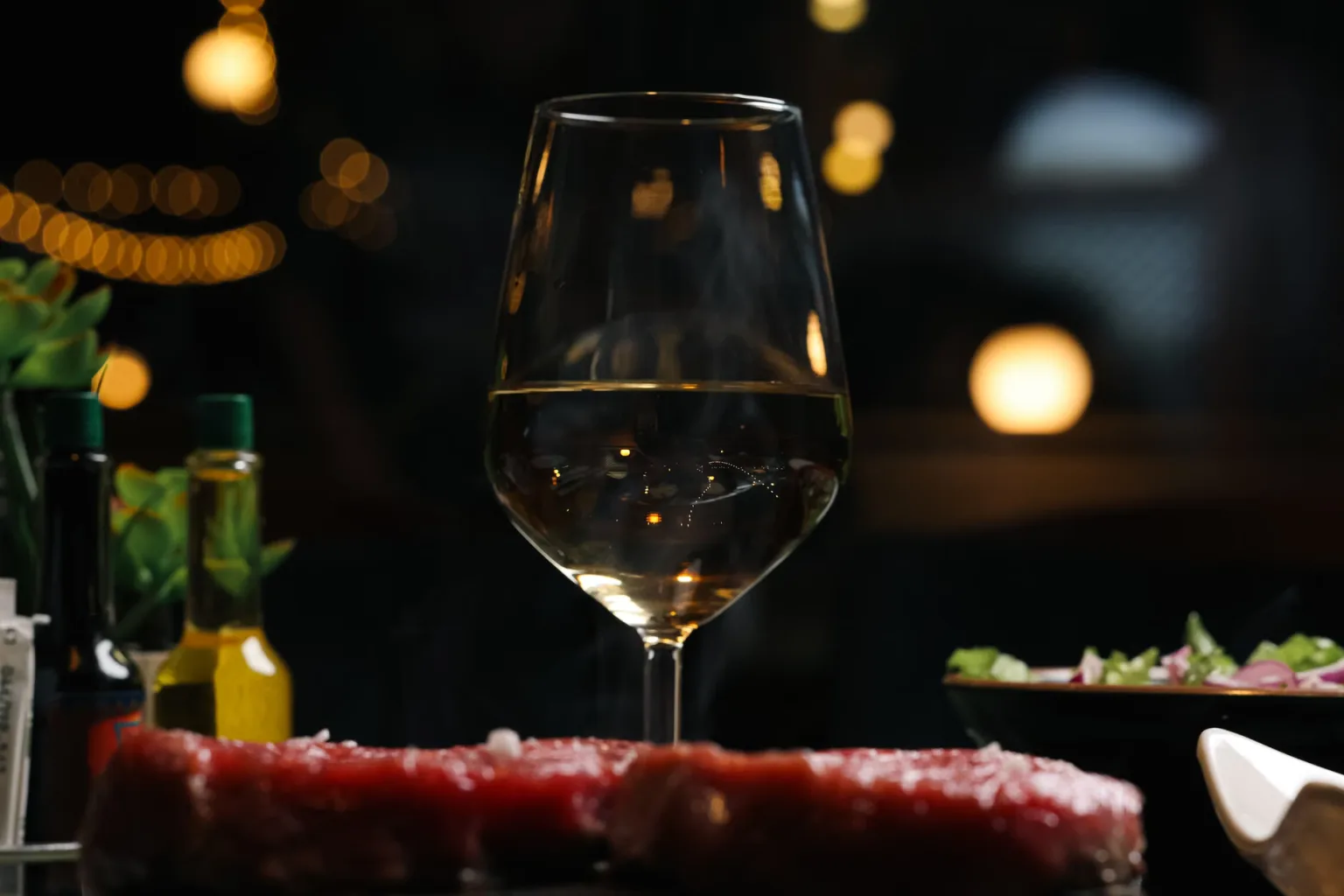
Serve it very cold, between 6 and 8 °C, in a roomy traditional tasting glass or a white-wine glass. Pour it as an aperitif or alongside tapas, fish and seafood. It also pairs with salty foods such as cured meats and salt-preserved foods, and vinegar-containing preparations such as salads, adobos, marinades and cold soups. To explore the pairing, taste a sip and then a bite, noticing how the wine’s dryness and slightly bitter finish meet the dish’s saltiness or acidity. Manzanilla Pasada offers a more structured and intense profile.
Flavour and texture
Manzanilla is pale straw yellow, with delicate, pungent aromas including floral notes reminiscent of chamomile, almond-like hints and bakery aromas. On the palate it is dry, fresh and delicate, with a light, smooth passage, slight acidity and a persistent, slightly bitter finish. Manzanilla Pasada can have greater structure and complexity.
How to choose it
Check that the bottle is identified as Manzanilla and read its label for the alcohol strength and any storage or use directions. The commonly described strength is around 15% alcohol by volume, but the label on the specific bottle is the guide to that product. If you want a more structured style, Manzanilla Pasada is a distinct option; it is not identical to standard Manzanilla.
Storage
Follow the storage directions printed on the bottle, as instructions can vary by product and presentation. For serving, chill the wine and pour it between 6 and 8 °C; an ice-and-water bucket is one suggested way to cool it. Do not treat serving temperature as a storage instruction or assume a universal use-by period; consult the label for product-specific guidance.
Substitutions
A dry Fino can be a stylistic alternative when you want a dry fortified wine with tapas, but it will not have exactly the same profile. Another Manzanilla, including Manzanilla Pasada, can also fill that serving role; Pasada has greater structure and intensity. Choose according to the flavour you want rather than treating the wines as identical.
Common mistakes
Serving Manzanilla warm does not match its recommended service: it is enjoyed very cold, between 6 and 8 °C. It is also a mistake to assume every Manzanilla tastes the same; extended ageing can produce a more structured Pasada style. Do not confuse serving temperature with storage guidance; follow the bottle label for storage.
Safety and allergens
This is an alcoholic drink. Check the alcohol strength on the bottle and consume alcohol only where lawful and appropriate for you. The product label is the reference for ingredients, allergens and storage conditions, which may depend on the particular product and presentation.
Culinary uses
- Aperitivo servido como bebida
- Acompañamiento de tapas y platos de sabores marinos o salinos
Recommended techniques
- Servir bien frío, entre 6 y 8 °C
- Presentar en un catavinos amplio o una copa de vino blanco
Pairs well with
- Mariscos y pescados
- Tapas, embutidos y salazones
- Ensaladas, adobos, marinados y sopas frías con vinagre
Frequently asked questions
What temperature should Manzanilla be served at?
Serve it very cold, between 6 and 8 °C. An ice-and-water bucket can help chill it.
What food goes well with Manzanilla wine?
It pairs especially well with fish and seafood, tapas, salty foods such as cured meats and salt-preserved foods, and vinegar-containing dishes such as salads, adobos, marinades and cold soups.
What is the difference between Manzanilla and Manzanilla Pasada?
Exceptionally extended ageing can produce Manzanilla Pasada, with some oxidation and a more complex, structured and intense profile.
Ingredient allergens
Allergen listThere are no verified associations for these ingredients yet.
Sources and review
Automatically researched, cross-checked and validated content. Sources consulted:
- En el etiquetado alimentario hay algunas menciones que son obligatorias eletiquetadocuentamucho.aesan.gob.es/obligatoria.html
- Client Challenge doi.org/10.2307/jj.27939689.16
- Aceite de oliva - Wikipedia, la enciclopedia libre es.wikipedia.org/wiki/Aceite_de_oliva
- ¿Quién decide qué es realmente un vino ‘natural’? doi.org/10.64628/aao.ehdw6ykvs
- EL VINO EN LA COCINA. HISTORIA, TRADICIÓN Y ORIGINALIDAD openalex.org/W1561740088
- GUÍA DE Y MARIDAJES www.castillodelmarques.com/images/libros-recomendados/guia_de_vinos_y_maridajes.pdf
- El ingrediente de la diversidad openalex.org/W2232183610
- Manzanilla | Vinos de Jerez - Sherry Wines www.sherry.wine/es/vinos-de-jerez/generosos/manzanilla
- Maridajes Perfectos - lachana.es lachana.es/meridajes-perfectos/
- Manzanilla y Vino Fino: Análisis y Comparativa de las Mejores Opciones oganyo.es/manzanilla-vino-fino/
- Vinos de Jerez | Tipos y clasificación de Vinos de Jerez - Sherry Wines www.sherry.wine/es/vinos-de-jerez
- Encurtidos de España - Wikipedia, la enciclopedia libre es.wikipedia.org/wiki/Encurtidos_de_Espa%C3%B1a