- Category
- Drinks
- State
- Liquid
- Usual unit
- ml
What it is
Marsala is a fortified wine associated with the province of Trapani in western Sicily. It is made from wine to which grape-based alcohol or wine spirit is added, then aged in wood. Its character varies with its color, sweetness and ageing: it can be found in gold, amber or ruby styles, and as dry, semi-dry or sweet. It is used in both savory and sweet cooking; bottles do not all have the same sweetness or flavor profile, so check the label before adding it to a dish.
When to use it
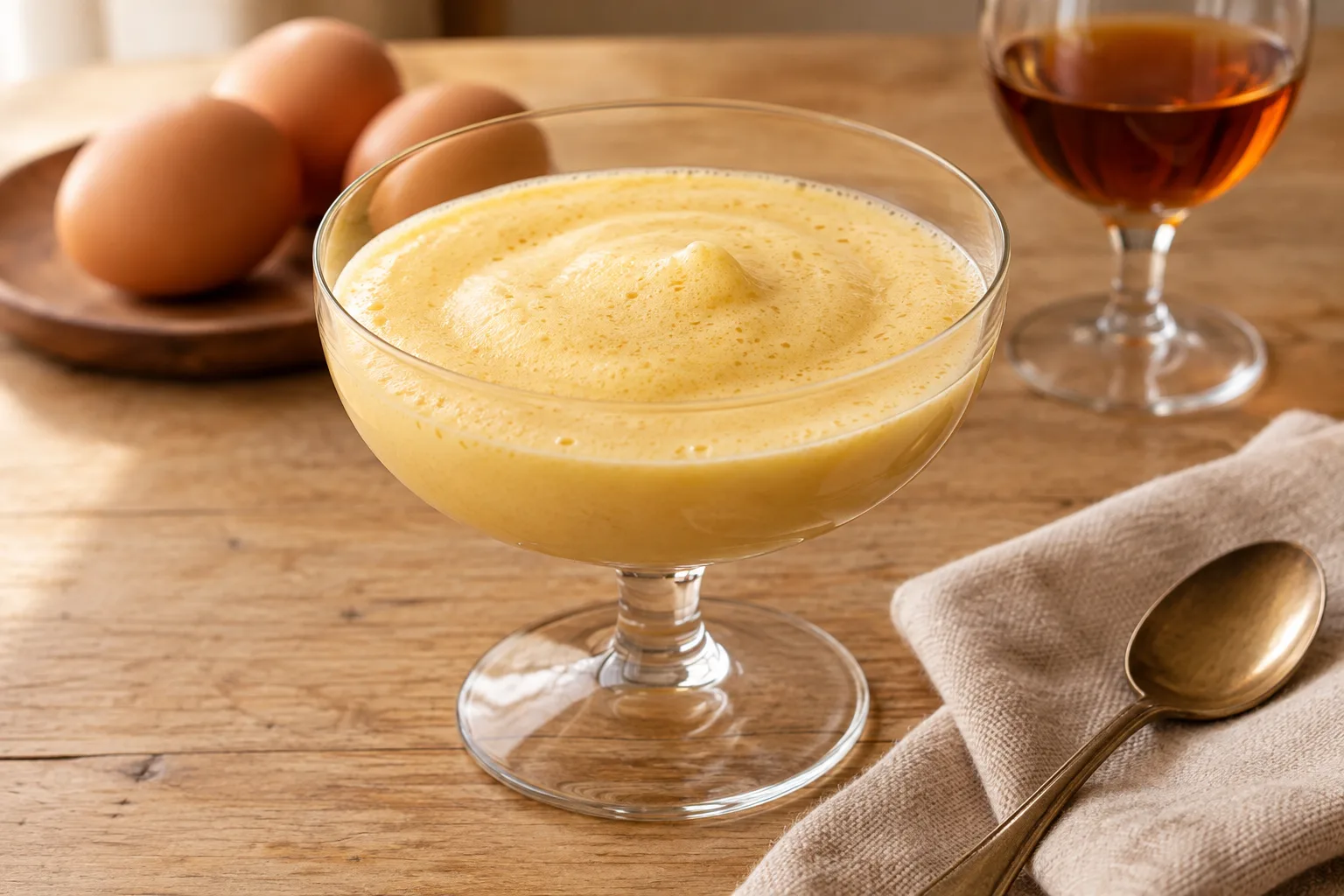
Choose dry Marsala for savory dishes when you want to add depth to a sauce, deglaze a pan, or complement chicken, cutlets and mushrooms without adding pronounced sweetness. Sweet Marsala is better suited to recipes that call for a distinctly sweet, wine-like flavor, such as zabaglione or some tiramisù and other desserts. Semi-dry Marsala can work when you want a middle ground, but it is not an automatic substitute for the style specified: check the recipe and the bottle label. Choose the style carefully when the wine is a prominent ingredient.
How to use it
For a sauce, add dry Marsala to the pan after browning the ingredients and scrape up the browned bits; let the liquid reduce before finishing the sauce as directed by the recipe. You can also add it to a stew or mushroom dish, taking the wine's sweetness into account. In desserts, sweet Marsala can flavor zabaglione or, if the recipe calls for it, be added to the coffee or cream for tiramisù. Start with the quantity specified in the recipe and taste for balance before adding more. If you do not want to use alcohol, leave the wine out or choose a suitable alternative for the dish.
Flavour and texture
Flavor and aroma vary with style, sweetness, color and ageing. Some versions have notes reminiscent of nuts, dried fruit, almond, wood or caramel; the exact profile can differ from bottle to bottle. Marsala adds a wine-like character and a sense of body to sauces and desserts, but its sugar level can change the result considerably. For that reason, a sweet style should not be treated as interchangeable with a dry one in a savory recipe.
How to choose it
Read the label before buying: identify whether the Marsala is dry, semi-dry or sweet, and check its category and color when those details matter to your recipe. A dry style is usually practical for savory dishes; choose a sweet one for desserts. Look for a bottle identified as Marsala and check the ingredient list if you need to know its specific composition. Do not assume that a product labeled cooking wine has the same ingredients or flavor as another Marsala.
Storage
Store an unopened bottle upright in a cool, dark place away from heat. After opening, reseal it well and keep it in a cool, dark place or in the refrigerator. How long it retains suitable quality can vary with the style, closure and storage conditions. Check the smell and taste before using a bottle that has been open for an extended period, and follow the label's storage directions.
Substitutions
No substitute reproduces Marsala's character exactly. For a savory recipe, dry Madeira or dry or medium sherry, such as Amontillado, can play a similar role. For desserts, consider sweet Madeira, sweet sherry or Vin Santo. One alcohol-free alternative described in the available information is grape juice with a little balsamic or sherry vinegar; for savory dishes, adjust the sweetness and consider adding stock. The result will vary with the substitute and the recipe.
Common mistakes
Do not replace dry Marsala with sweet Marsala in a savory dish without accounting for the added sweetness. Do not choose a bottle by name alone: check its style on the label. Adding too much wine at once can overwhelm a sauce or dessert, so follow the recipe's quantities and adjust carefully. Marsala is an alcoholic beverage; do not treat it as alcohol-free just because it is cooked.
Safety and allergens
Marsala is an alcoholic beverage. Avoid it if you need to exclude alcohol, and do not assume cooking removes all of the alcohol. Check the product label for its composition and storage instructions.
Culinary uses
- Vino para cocinar y desglasar
- Aromatizante para postres
Recommended techniques
- Desglasar una sartén con Marsala seco y reducirlo para una salsa
- Añadir Marsala a cremas de postre o preparaciones como el zabaglione
Pairs well with
- Marsala seco con pollo, escalopines o salsas de setas
- Marsala dulce con zabaglione, tiramisú y otros postres
Frequently asked questions
Which Marsala should I use for savory dishes?
Dry Marsala is generally the most suitable choice for sauces, chicken, cutlets and mushroom dishes because it avoids the sweetness of a sweet style.
Which Marsala is used in desserts?
Sweet Marsala is used in dishes such as zabaglione and may be added to some versions of tiramisù. Check which style the recipe calls for.
What can I use if I do not have Marsala?
For savory dishes, try dry Madeira or dry or medium sherry; for desserts, consider sweet Madeira, sweet sherry or Vin Santo. The final flavor will not be identical.
Ingredient allergens
Allergen listThere are no verified associations for these ingredients yet.
Sources and review
Automatically researched, cross-checked and validated content. Sources consulted:
- Client Challenge doi.org/10.2307/jj.27939689.16
- ¿Quién decide qué es realmente un vino ‘natural’? doi.org/10.64628/aao.ehdw6ykvs
- EL VINO EN LA COCINA. HISTORIA, TRADICIÓN Y ORIGINALIDAD openalex.org/W1561740088
- La cocina fusión: antecedentes y nuevas propuestas en 8 recetas aplicada en la cocina Italiano-Ecuatoriano openalex.org/W84058138
- Vino Marsala: tipologie, secco o dolce, cucina e cantine www.operationsicily.com/it/vino-marsala
- Marsala: qué es, origen y uso en la cocina de este vino bonviveur.com/es/noticias/marsala
- Marsala, mapa de viñedos — DOC · Sicilia, Italia · Open Wine Map www.openwinemap.com/es/marsala
- Vino Marsala hogardevinos.com/el-vino/vinos-especiales/vino-marsala/
- Guía de viaje de la región vinícola de Marsala 2026 www.winetourism.com/es/regiones-del-vino/italia/sicilia/marsala/
- Scopri tutto sul vino Marsala e le sue proprietà www.cantinettavino.it/marsala-vino/
- Marsala: storia, caratteristiche, abbinamenti e ricette www.apetimemagazine.com/marsala-storia-caratteristiche-abbinamenti-ricette/
- Il vino Marsala: vino siciliano per eccellenza agenxia.it/il-vino-marsala/
- Marsala – Valori nutrizionali, uso e consigli www.backecke.com/it/wiki-zutat/marsala_z426
- Sustituto del Vino Marsala: 8 alternativas para cocinar cubiro.com/vino-marsala-en-la-cocina/