- Category
- Meat
- State
- Fresh
- Usual unit
- g
What it is
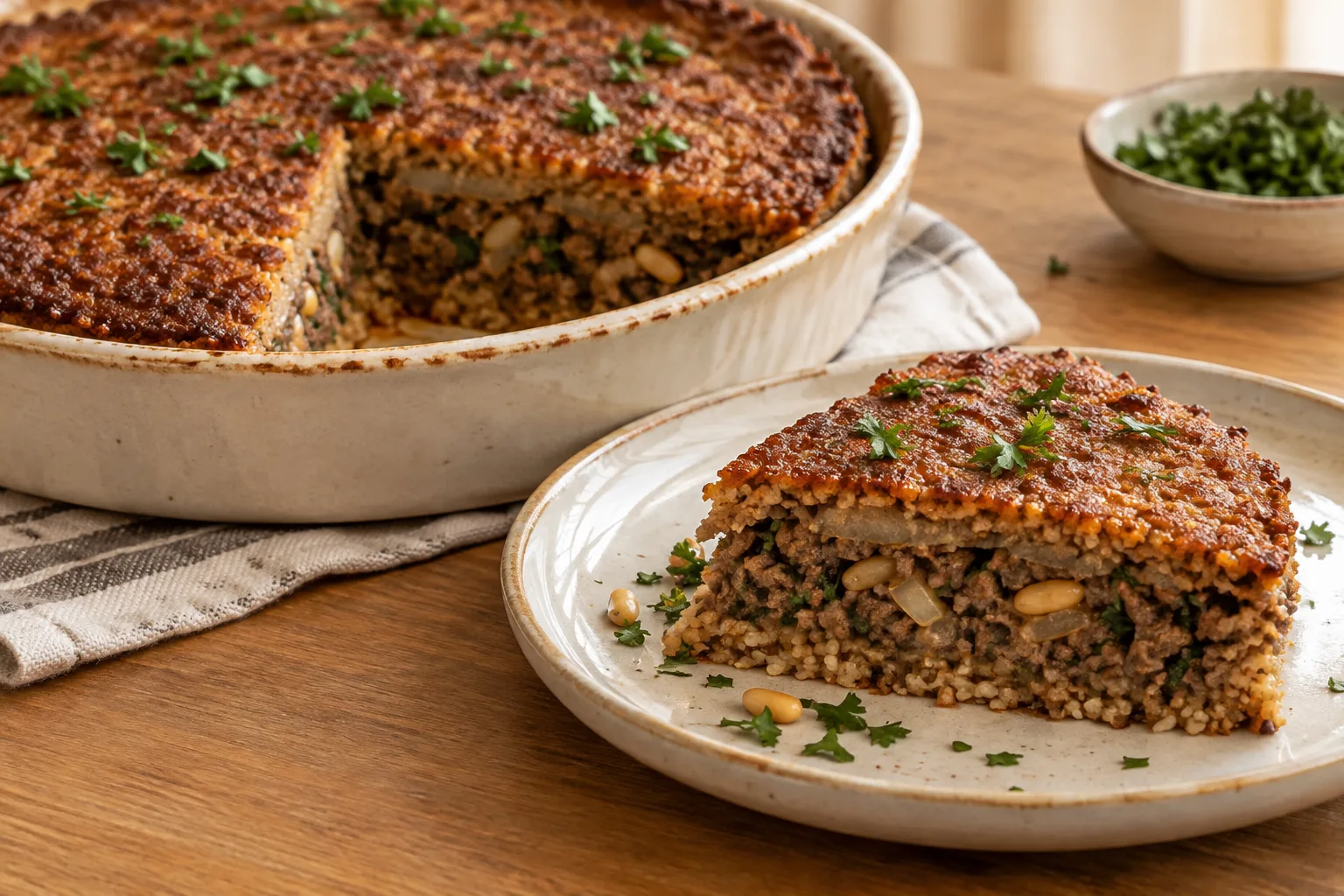
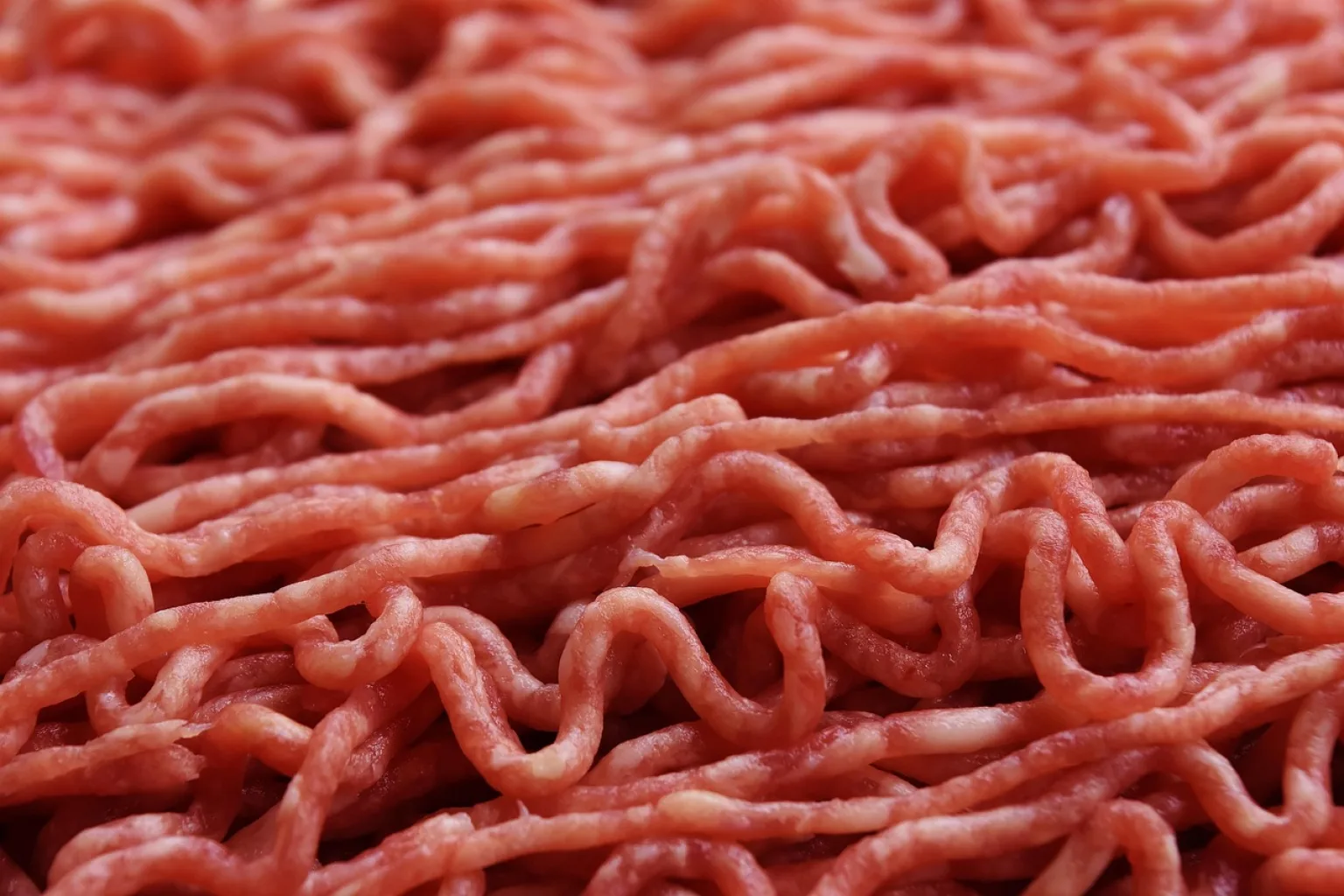
Minced beef is beef that has been broken down or finely chopped, usually using a mincer. The mixture reflects the cuts used, including any fat that is part of them. As a result, minced beef products can differ in texture and juiciness: the cut, fat content and fineness of the grind all matter. Minced beef should not automatically be treated as the same product as a formed burger or another prepared meat product, which may contain additional ingredients. In cooking, it serves as a base for shaped dishes, fillings and sauces. This profile refers to fresh minced beef, not a mixture of different meats or a seasoned preparation.
When to use it
Choose minced beef when you want the flavour of beef to be noticeable in a dish. It can be used for burgers, meatballs, beef patties, fillings, pasta sauces, lasagne and similar baked dishes. The recipe helps determine the texture and fat content that will suit the result: a shaped patty and a sauce do not necessarily call for the same mince. If the meat will cook in a sauce or alongside other ingredients, consider how its flavour and texture will fit into the finished dish. Check the product name and ingredient list if you need plain beef, since prepared meat products may have a different composition.
How to use it
First check that the product is minced beef rather than a formed burger or a mixture with other meats; read the product name and ingredient list when composition matters. Break the mince up in a pan for a sauce or filling, or combine it with the other ingredients for a shaped dish. For burgers and meatballs, bring the mixture together only as much as needed to shape it, rather than compressing it heavily. Minced beef can also be used in pies, lasagne and other baked dishes. The result depends on fat content, grind and cooking time. Follow the package directions for storage and cooking, and cook thoroughly before eating.
Flavour and texture
It has the characteristic flavour of beef and can stand out with simple seasoning or blend into sauces and fillings. Texture depends on the fineness of the grind and the cuts used; fat affects juiciness and cooking loss. Very lean mince may be less juicy in some shaped preparations, while a different fat content changes the result. Not all packs of minced beef behave the same way.
How to choose it
Read the product name and ingredient list: minced beef is not necessarily the same as a prepared meat product or a ready-to-cook burger. Consider how you plan to use it, since fat content and grind affect juiciness and texture. Check the date and storage instructions on the pack, and choose a pack size that suits the amount you plan to use.
Storage
As fresh minced meat, store the product according to its package instructions and observe its use-by date. If you will not cook it soon, check whether the pack allows freezing and follow its directions. Keep it in its packaging or a suitable container, and prevent its juices from touching ready-to-eat foods. Do not judge its safety by colour alone; also consider the date, packaging condition and storage instructions.
Substitutions
Minced pork or lamb can play a similar culinary role in recipes that allow a change in flavour, but neither reproduces the beef profile. Species, fat content and grind all affect texture and the finished dish. Adjust seasoning to suit the recipe, and check that the change works for the dietary needs of everyone eating.
Common mistakes
Do not assume all minced beef has the same fat content, texture or composition. Confusing plain mince with a prepared burger product may mean using meat with ingredients you did not expect. Also avoid compressing a mixture too firmly when shaping burgers or meatballs, as excessive handling can make it compact.
Safety and allergens
Follow the package directions for storage and cooking, and cook the meat thoroughly before eating. Do not use colour alone to decide whether the product is in good condition.
Culinary uses
- Base de carne para mezclas moldeadas, como hamburguesas y albóndigas
- Ingrediente para rellenos, salsas y platos horneados
Recommended techniques
- Desmenuzar y dorar en sartén para salsas o rellenos
- Mezclar lo justo y moldear para preparaciones como hamburguesas o albóndigas
Pairs well with
- Hierbas y especias
- Verduras y salsas
Frequently asked questions
Are minced beef and prepared burgers the same?
Not necessarily. A prepared burger may contain other ingredients, so check the product name and ingredient list.
What affects how juicy minced beef is?
Fat content, the cuts used and the way and length of cooking all make a difference.
Can I replace minced beef with minced pork?
It can work in some recipes, but the flavour and result will change. Check that the substitution suits the dish and the people eating it.
Ingredient allergens
Allergen listThere are no verified associations for these ingredients yet.
Sources and review
Automatically researched, cross-checked and validated content. Sources consulted:
- Comprobando su navegador doi.org/10.31428/10317/3741
- Carne picada - Wikipedia, la enciclopedia libre es.wikipedia.org/wiki/Carne_picada
- Carne picada mixta, de ternera o cerdo: cuál elegir - Carnicerías Juan Ortíz - Carnicería en Móstoles - Online www.carniceriasjuanortiz.com/carne-picada-mixta-de-ternera-o-cerdo-cual-elegir/
- Carne picada mixta, un plus de sabor en tus platos - Carnicerías Herrero - Carnicería en Fuenlabrada - online www.carniceriasherrero.com/carne-picada-mixta-un-plus-de-sabor-en-tus-platos/
- Carne picada de ternera: cómo elegirla, cuánta grasa debe tener, conservarla y cocinarla - El Mercado de Origen www.elmercadodeorigen.com/carne-picada-ternera-que-es-como-elegir-cocinar/
- 47 ideas para cocinar con carne picada y tres consejos para comprarla y conservarla www.directoalpaladar.com/ingredientes-y-alimentos/47-ideas-para-cocinar-carne-picada-tres-co…
- Evolución del léxico culinario desde 1932 a 1972 | OpenAlex openalex.org/W2291578502
- Food information to consumers - legislation - Food Safety food.ec.europa.eu/food-safety/labelling-and-nutrition/food-information-consumers-legislation…
- Descargas de documentación y legislación actualizada sobre etiquetado en España eletiquetadocuentamucho.aesan.gob.es/descargas.html
- ETIQUETADO PRECAUTORIO DE ALÉRGENOS - aesan.gob.es www.aesan.gob.es/dam/jcr:0ba81b9e-8c02-4e42-92e5-d83548af8297/Etiquetado_Precautorio_alergen…
- CAMPAÑAS NACIONALES ACTUACIONES INSPECTORAS www.dsca.gob.es/sites/default/files/consumo_masinfo/rpaCarnePicada.pdf
- Las 35 mejores recetas con carne picada originales y ricas www.nuevoestilo.es/recetas-trucos-cocina/g61364643/recetas-carne-picada/
- Carne picada de ternera: análisis y comparación entre embutidos y quesos para elegir la mejor calidad laovejaquebala.es/carne-picada-de-ternera/