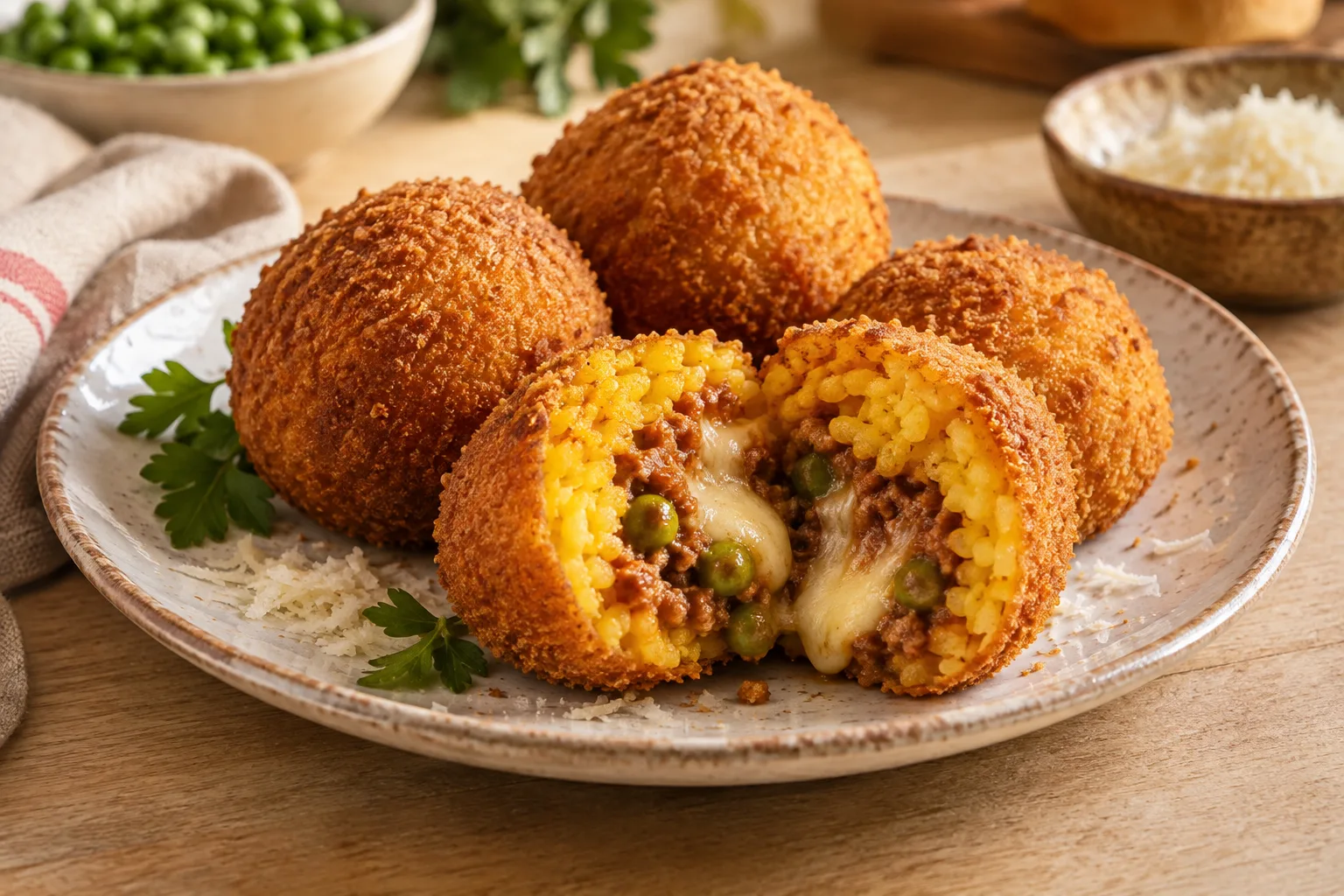
- Category
- Meat
- State
- Fresh
- Usual unit
- g
What it is
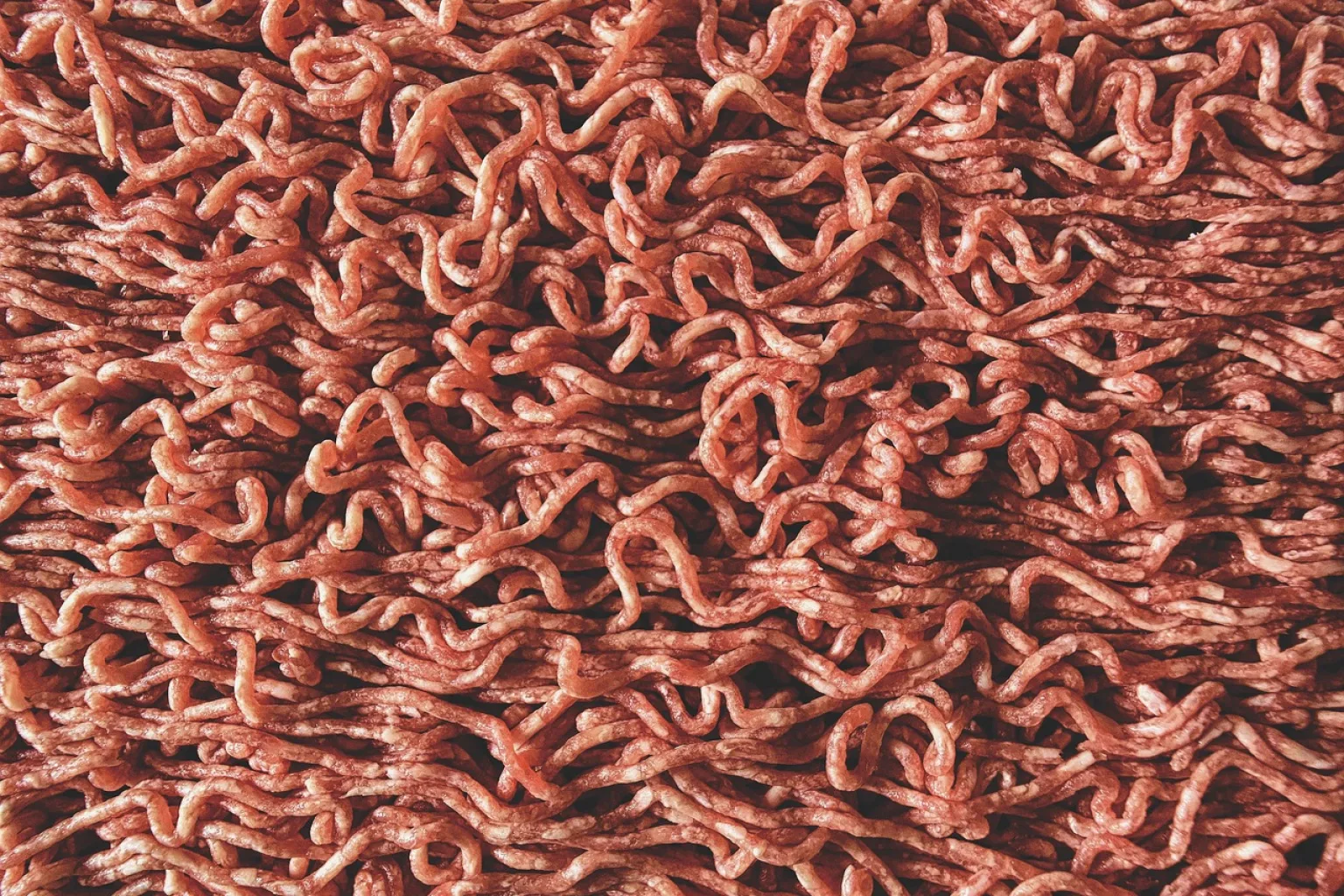
Mixed minced meat is minced meat made from more than one species. A common blend is beef and pork, but the name alone does not guarantee a fixed ratio or identical composition across products. Fat content, the cuts used and the coarseness of the mince also affect how it cooks. It is not necessarily the same as a prepared burger or another meat preparation, which may contain added ingredients. Check the product name and ingredient list to see what you are buying. Its minced form makes it easy to portion, shape or stir into a sauce; cook it according to the package directions and the requirements of your recipe.
When to use it
Choose mixed mince when you want a blend of meat flavors in meatballs, patties, meatloaf or fillings. It also works in lasagne, cannelloni and sauces that continue cooking with other ingredients. If a recipe should have a distinctly single-species flavor, compare the blend with minced meat from one species. The result depends on the product's composition and fat content as well as the cooking method. For burgers, fillings or sauced dishes, check the label and choose for the flavor and texture you want instead of assuming every blend behaves alike.
How to use it
First check the label, date and storage instructions. To brown the mince, heat a pan and cook in batches if using a large quantity; an overcrowded pan can collect liquid and make browning harder. Break the meat apart as it cooks if it is going into a sauce or filling. For meatballs or patties, add the other ingredients and mix only until combined, then shape without compressing the mixture too firmly. Combine it with tomato, onion, garlic and herbs for a sauce, or use it in vegetable, pasta or pastry fillings. Cooking time and the finished result depend on the recipe and product: follow the package directions and cook thoroughly.
Flavour and texture
The flavor reflects the meats used; common beef-and-pork blends can taste different from mince made from a single species. Intensity and juiciness vary with the cuts, fat proportion and size of the grind. Browning can create a toasted surface, while cooking in sauce gives the mince a softer, moister texture. Do not assume a specific fat level or an identical result across brands or batches.
How to choose it
Read the product name and ingredient list: “mixed” does not by itself specify a fixed ratio. Check which species are included, the date, package condition and storage instructions. If your recipe depends on a leaner or juicier result, ask about the composition or choose a product whose label provides that information. Do not confuse plain minced meat with burgers or preparations that may contain other ingredients.
Storage
Once home, follow the storage conditions and date printed on the package. Keep the product closed until use and prevent its juices from contacting ready-to-eat foods. If you will not use it within the stated period, follow the manufacturer’s freezing instructions or consult local official food-safety guidance. Avoid relying on a universal storage period: the package and product type matter.
Substitutions
Minced beef or minced pork can replace the blend if you are happy with a different flavor. The result may also change with fat content and grind. A plant-based mince calls for seasoning and cooking adjustments based on its label; it will not necessarily behave like meat. Choose according to the role of the mince in the recipe rather than assuming an exact equivalent.
Common mistakes
Do not assume that all mixed mince has the same species, ratio or fat content. Mistaking it for a prepared burger can mean overlooking added ingredients. Crowding the pan makes browning harder, and overmixing shaped portions can make them compact. Avoid guessing storage or cooking times: follow the package and recipe instructions.
Safety and allergens
Follow the package’s storage, use-by and preparation directions. Handle raw meat hygienically, and consult local official food-safety guidance if you are unsure how to store or cook it.
Culinary uses
- Main ingredient in meatballs, patties and meatloaf
- Filling for vegetables, pastries and pasta
- Base for meat sauces and casseroles
Recommended techniques
- Brown in batches in a hot pan to avoid crowding
- Mix gently when shaping patties or meatballs
- Simmer in sauce or bake as part of a filled or layered dish
Pairs well with
- Tomato, onion and garlic
- Parsley, paprika and black pepper
- Pasta, rice and potatoes
Frequently asked questions
Which meats are usually in mixed minced meat?
A common blend combines beef and pork, but composition can vary. Check the name and ingredient list of the specific product.
Can I use it for meatballs and sauces?
Yes. It is a practical choice for meatballs, fillings and sauces; adapt the method to the recipe and the product’s composition.
Is mixed mince the same as a prepared burger?
Not necessarily. A burger or meat preparation may include other ingredients. Check the ingredient list to tell them apart.
Ingredient allergens
Allergen listThere are no verified associations for these ingredients yet.
Sources and review
Automatically researched, cross-checked and validated content. Sources consulted:
- Client Challenge doi.org/10.2307/jj.27939689.16
- Carne picada - Wikipedia, la enciclopedia libre es.wikipedia.org/wiki/Carne_picada
- Carne picada mixta, de ternera o cerdo: cuál elegir - Carnicerías Juan Ortíz - Carnicería en Móstoles - Online www.carniceriasjuanortiz.com/carne-picada-mixta-de-ternera-o-cerdo-cual-elegir/
- Carne picada mixta, un plus de sabor en tus platos - Carnicerías Herrero - Carnicería en Fuenlabrada - online www.carniceriasherrero.com/carne-picada-mixta-un-plus-de-sabor-en-tus-platos/
- Carne picada y aromática usada como sazonador | Umami Madrid www.umami-madrid.com/2017/07/19/carne_picada_con_sabores_sudeste_asiatico/
- Carne picada de ternera: cómo elegirla, cuánta grasa debe tener, conservarla y cocinarla - El Mercado de Origen www.elmercadodeorigen.com/carne-picada-ternera-que-es-como-elegir-cocinar/
- - YouTube www.youtube.com/watch?v=qk39bvNKUcQ
- Áreas de Seguridad Alimentaria www.aesan.gob.es/seguridad-alimentaria
- Propuesta de elaboración de fermentos naturales a base de frutas del cantón Paute para aplicar a cortes de carne de cerdo | OpenAlex openalex.org/W2892023203
- Food Allergies | FDA www.fda.gov/food/nutrition-food-labeling-and-critical-foods/food-allergies
- Food Allergy Labeling Laws: International Guidelines for Residents and Travelers - PMC pmc.ncbi.nlm.nih.gov/articles/PMC10169132/
- Food allergen labelling and information requirements technical guidance - GOV.UK www.gov.uk/government/publications/food-allergen-labelling-and-information-requirements-tech…
- Food information to consumers - legislation - Food Safety food.ec.europa.eu/food-safety/labelling-and-nutrition/food-information-consumers-legislation…
- Carne picada, preparado de carne o burger meat | Consumer www.consumer.es/seguridad-alimentaria/parece-carne-picada-pero-no-siempre-lo-es
- Carne picada de ternera: análisis y comparación entre embutidos y quesos para elegir la mejor calidad laovejaquebala.es/carne-picada-de-ternera/