- Category
- Pulses
- State
- Dry
- Usual unit
- g
What it is
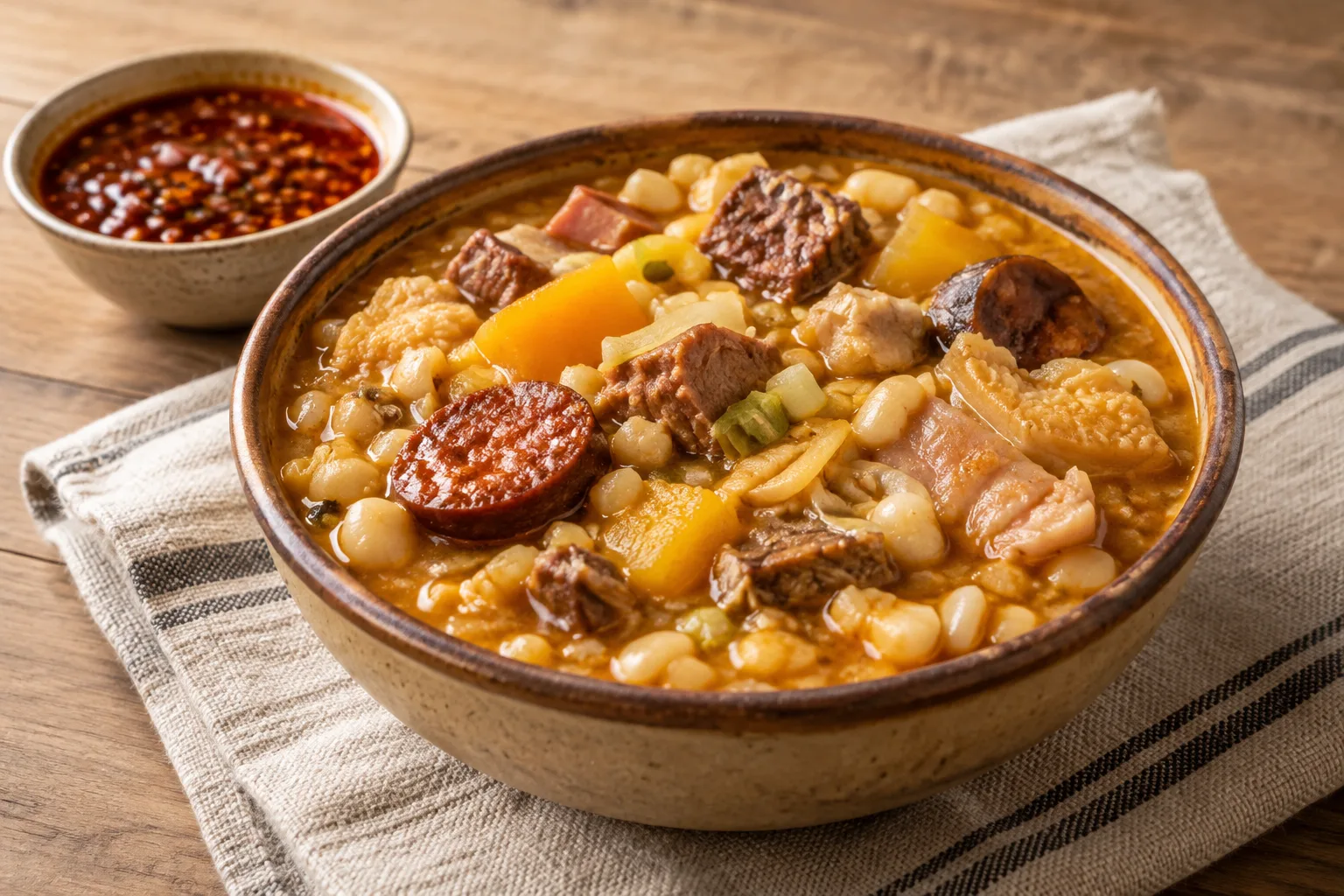
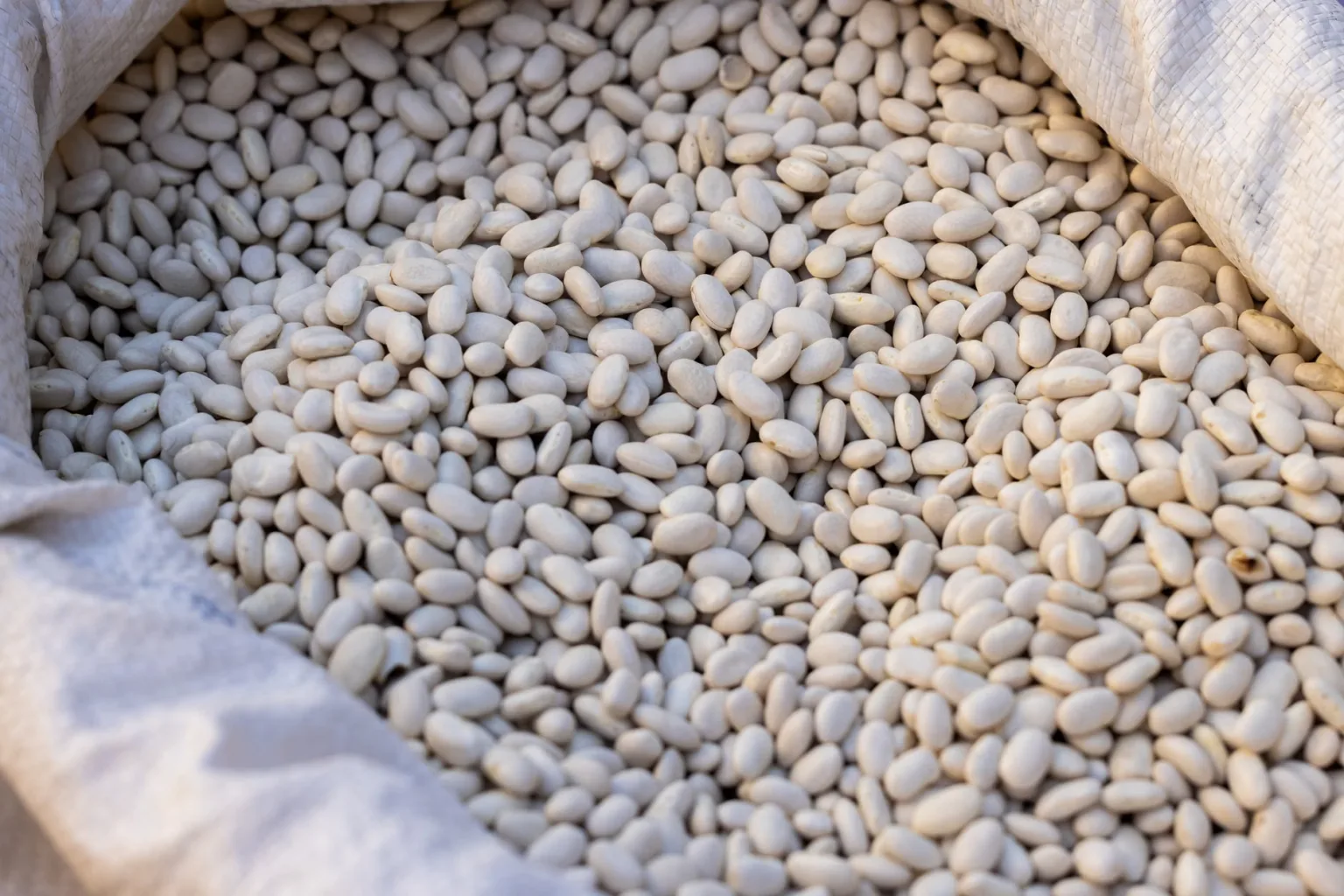
Pallar beans are edible legume seeds also sold under regional names such as pallar or lima bean. In their dried form, they are often large and flattened, though size, colour and shape can vary by variety and product. Once cooked, they can become soft and creamy while retaining enough body for salads and stews. They work as a main ingredient in soups, casseroles and stews, or as the base for a dip. This profile covers dried beans; follow the package directions for the particular product you have.
When to use it
Choose pallar beans when you want a substantial legume to feature in a stew, soup or casserole. They can also be served in salads, as a side dish, or mashed into a dip. Their size and texture suit dishes where the beans should remain noticeable, although cooking softens them. Pair them with vegetables and aromatics for a comforting one-pot dish, or with onion, parsley and olive oil for a lighter preparation. If the package or recipe specifies a different form, adapt the preparation to those instructions.
How to use it
Before cooking, check the beans and rinse them. Soaking is a common preparation for dried pallar beans: cover them with water in a roomy container and follow the package directions if provided. Drain and rinse after soaking. Cook them in water until tender; cooking time depends on the beans and the product, so check their texture rather than relying on a universal time. Once cooked, add them to soups, stews and casseroles, or combine them with red onion, parsley, garlic and olive oil for a salad. They can also be mashed or blended into a dip. When cooking them with vegetables or aromatics, adjust the liquid and seasoning to suit the dish.
Flavour and texture
Cooked pallar beans are described as soft and creamy, with a texture that can remain firm and substantial. Their flavour is mild and works well with aromatics, vegetables, herbs and seasonings. The result varies with the variety, condition of the beans and cooking method, so check for tenderness instead of assuming every packet will have exactly the same size or consistency.
How to choose it
Look for dry beans that appear sound, with no visible dampness or signs of insects. Size and colour can vary among varieties and batches, so do not expect every pallar bean to look identical. Check that the package is intact and read its label to confirm the product, its form and its preparation directions. If you need allergen information, check the label for the specific package, since composition and handling can depend on the product.
Storage
Keep dried pallar beans in a cool, dry, dark place, protected from moisture and insects. Seal the package or storage container well and keep it out of direct sunlight. Follow any specific storage directions or use-by information on the package. Avoid damp storage, which can damage the product.
Substitutions
No distinct culinary substitute with guaranteed equivalence is established here. “Pallar” and “lima bean” can be regional names for the same kind of legume, rather than separate substitutes. If a product is sold under another name, check its identity and characteristics on the label; other beans may change the texture and cooking behaviour.
Common mistakes
Do not skip checking the beans for tenderness: size and product differences can affect how they cook. Avoid assuming a universal cooking time or storing dried beans somewhere damp. Rinse them and follow the package directions, particularly if the product specifies a preparation method.
Safety and allergens
Read the product label and follow its preparation and storage directions. If you have a food allergy, confirm the ingredients and allergen information for the particular package; do not assume safety from the ingredient name alone.
Culinary uses
- Base for stews, soups and casseroles
- Main ingredient in salads, dips and spreads
- Side dish or accompaniment
Recommended techniques
- Rinse and soak before cooking
- Boil until the beans are tender
- Simmer with aromatics for soups and stews
- Mash or blend cooked beans for a dip
Pairs well with
- Carrots, onion and bay leaf
- Red onion, parsley, garlic and olive oil
- Vegetables and Parmesan in soup
- Smoked meats and seasonings
Frequently asked questions
How do you prepare dried pallar beans?
Rinse them, soak them if the package or recipe calls for it, and cook until tender. Cooking time can vary, so check the texture.
What dishes use pallar beans?
They are used in soups, stews, casseroles, salads and dips. They can also be served as a side dish.
Are pallar beans and lima beans the same?
Pallar and lima bean are regional names associated with this legume. Check the label to confirm that the particular product is the type you want.
Ingredient allergens
Allergen listThere are no verified associations for these ingredients yet.
Sources and review
Automatically researched, cross-checked and validated content. Sources consulted:
- Alérgenos alimentarios | EFSA www.efsa.europa.eu/es/safe2eat/food-allergens
- Client Challenge doi.org/10.2307/jj.27939689.16
- Etiquetado de sustancias que causan alergias e intolerancias alimentarias www.aesan.gob.es/seguridad-alimentaria/informacion-alimentaria/etiquetado-sustancias
- Phaseolus lunatus - Wikipedia, la enciclopedia libre es.wikipedia.org/wiki/Phaseolus_lunatus
- El universo de los sentidos: sabores, colores y olores del Nuevo Mundo | OpenAlex openalex.org/W2189936295
- Food Allergies | FDA www.fda.gov/food/nutrition-food-labeling-and-critical-foods/food-allergies
- Food allergens | Food Safety and Quality | FAO www.fao.org/food-safety/scientific-advice/food-allergens/en
- Allergen guidance for food businesses - GOV.UK www.gov.uk/government/publications/allergen-guidance-for-food-businesses/allergen-guidance-f…
- Allergen labelling for consumers | Food Standards Australia New Zealand www.foodstandards.gov.au/consumer/labelling/allergen-labelling
- PERFIL DEL POROTO BONDADES NUTRICIONALES www.magyp.gob.ar/sitio/areas/ss_mercados_agropecuarios/areas/regionales/_archivos/000030_Inf…
- Global Perspectives on Allergen Labeling: Harmonization of Regulations and Practices - PMC pmc.ncbi.nlm.nih.gov/articles/PMC12117482/
- - YouTube www.youtube.com/watch?v=u1DrE_GZD1c
- PALLARES PERUANOS – Las Tertulias de Juana Manuela tertuliadejuanamanuela.com/2024/01/05/pallares-peruanos/
- El recopilador de sabores entrañables: Porotos pallares en escabeche elrecopiladordesabores.blogspot.com/2015/11/porotos-pallares-en-escabeche.html
- POROTO PALLARES - Agroseis desanroman.com.ar/producto/poroto-pallares/