- Category
- Vegetables
- State
- Fresh
- Usual unit
- g
What it is
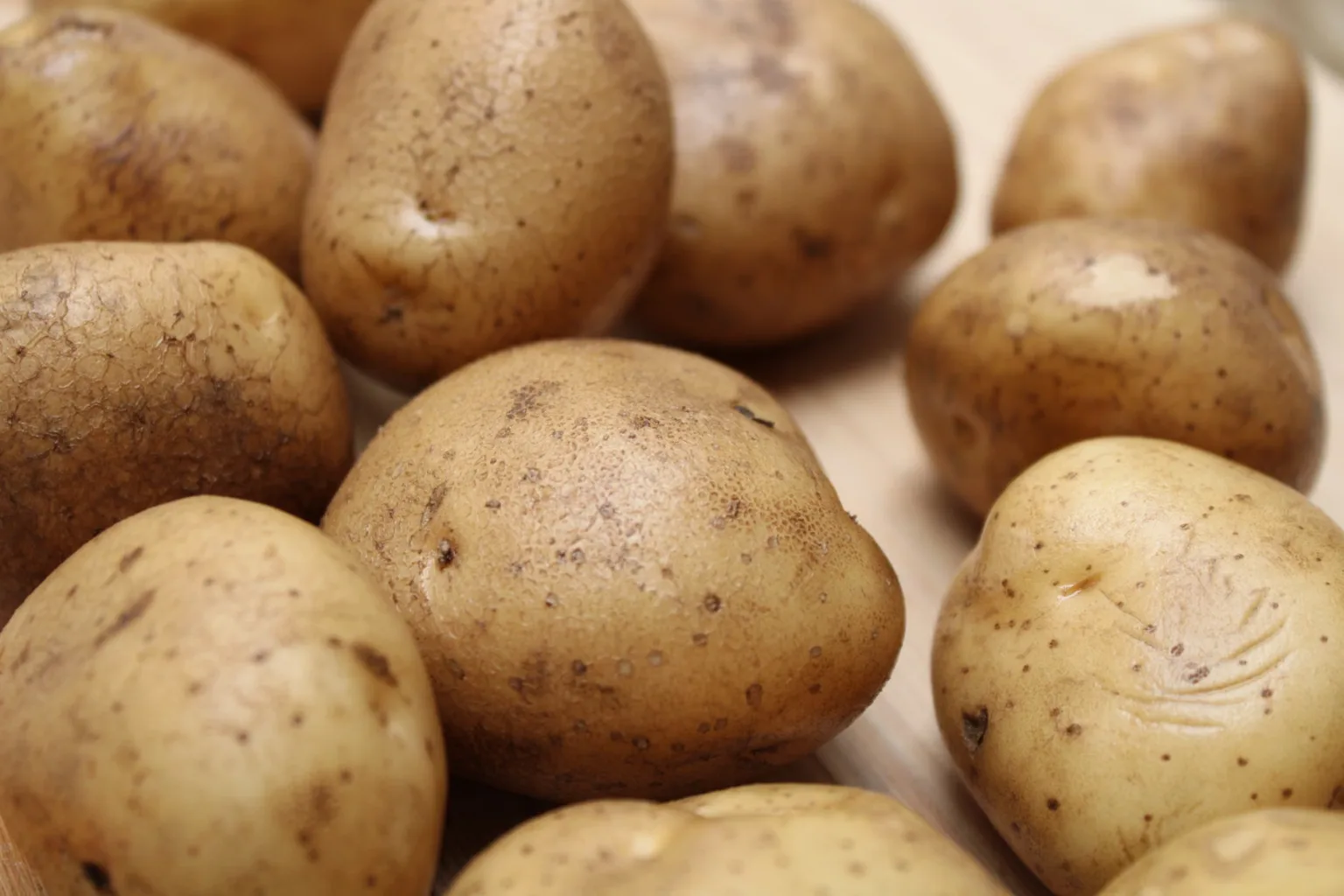
Papa pastusa is a potato variety grown in Colombia. It is described as medium-sized and oval, with darker skin than many other potatoes and pale yellow flesh. Its starch content is associated with a dry, floury texture, and it breaks down easily during cooking. That quality can add body to soups and creamy dishes or provide a soft base for mash. It is also used for croquettes, savoury pies and baked preparations. Papa paramuna and papa parda are reported as other names for pastusa; pastusa suprema is described as a related variety, not simply another name for the same potato.
When to use it
Choose papa pastusa when you want the potato to soften and blend readily into a dish. It is suitable for soups and creams, including ajiaco santafereño, and for mash when a floury texture is useful. It can also form the base of croquettes and savoury pies, or be baked. If you need the pieces to keep a distinct shape, remember that this variety breaks down easily and may not behave like a firmer potato.
How to use it
Remove surface dirt and peel the potato if your preparation calls for it. For soup, cream or ajiaco, cut it into pieces and add it to the cooking: as it softens, it can break down and blend into the broth. For mash, cook it until soft and then mash; its floury texture suits this use. You can also use it as a base for croquettes or savoury pies, or cook it in the oven. Because it breaks down readily, monitor the texture as you cook and do not treat it like a firm potato when you want intact chunks.
Flavour and texture
The available description chiefly highlights texture: papa pastusa is floury and dry, has a high starch content, and has pale yellow flesh. It breaks down readily during cooking, making it easy to incorporate into soups and creams or mash until smooth. Do not assume it will hold a firm shape in dishes with chunks; the result also depends on cut size and cooking.
How to choose it
Choose potatoes that feel hard and firm, have an even colour and show no sprouts, green areas or visible indentations. Smooth, thin skin is described as a sign of freshness. Pastusa is recognised by its oval shape, medium size and relatively dark skin; its flesh is described as pale yellow. When buying loose potatoes, inspect each one and avoid pieces that feel soft or damaged.
Storage
Keep potatoes in a dark, dry, well-ventilated place. It is preferable to take them out of a plastic bag; a paper bag or an open, airy space is more in keeping with the storage guidance. The refrigerator vegetable drawer is also mentioned as an option. Check the potatoes occasionally and remove damaged ones; no fixed storage life is established here.
Substitutions
For mash, another floury potato may serve a similar purpose, although the texture can vary. In a soup or stew where you want the pieces to stay more distinct, a firm potato may be a better choice. Neither option guarantees the same behaviour as pastusa, which breaks down readily.
Common mistakes
A common mistake is expecting papa pastusa to keep firm chunks throughout cooking. Its floury texture means it breaks down readily, which is useful for thickening soups and making mash but less suitable when distinct pieces are wanted. Avoid assuming a particular season as well: there is not enough information here to name specific months of availability.
Safety and allergens
For prepared or packaged potato dishes, check the ingredient list and allergen information if you need to avoid an allergen. Recipes can differ according to the other ingredients added; do not assume a prepared dish contains only potato based on its name.
Culinary uses
- Base harinosa para sopas, cremas y purés
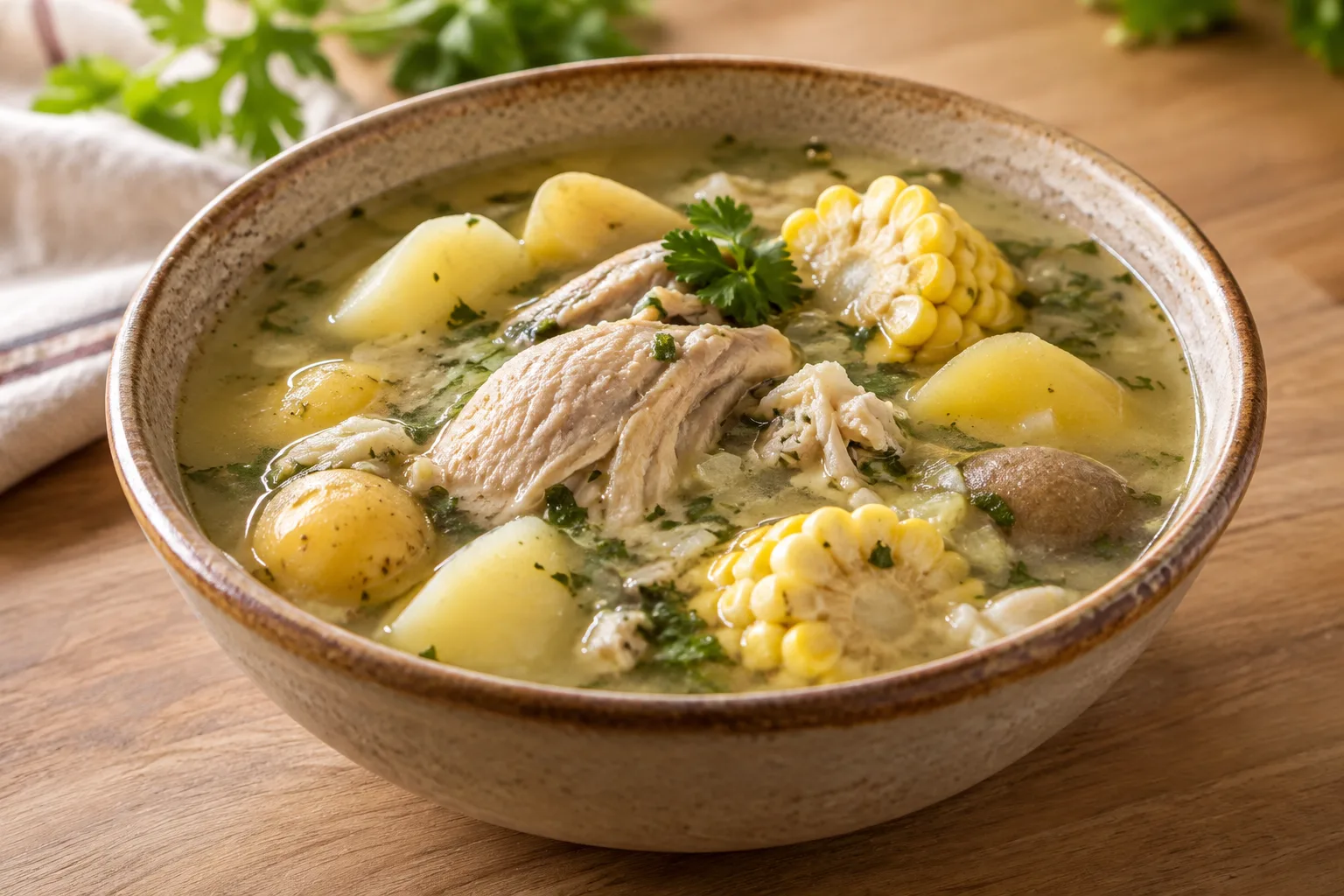
- Ingrediente que se deshace con facilidad en preparaciones como el ajiaco santafereño
- Base para croquetas y pasteles salados
- Guarnición de papa al horno
Recommended techniques
- Hornear
- Triturar o aplastar para preparar puré
- Cocer dentro de sopas o cremas hasta que se integre y espese la preparación
Pairs well with
- Ajiaco santafereño
- Sopas y cremas
- Croquetas y pasteles salados
Frequently asked questions
What is papa pastusa used for?
It is used in soups, creams, ajiaco santafereño, mash, croquettes and savoury pies; it can also be baked.
Does papa pastusa stay firm when cooked?
It tends to break down readily. That is useful in soups or mash, but it is not the best choice when you want distinct pieces to hold their shape.
How should papa pastusa be stored?
Store it in a dark, dry, well-ventilated place rather than in a plastic bag; the refrigerator vegetable drawer is also mentioned as an option.
Ingredient allergens
Allergen listThere are no verified associations for these ingredients yet.
Sources and review
Automatically researched, cross-checked and validated content. Sources consulted:
- Alérgenos alimentarios | EFSA www.efsa.europa.eu/es/safe2eat/food-allergens
- Agencia Española de Seguridad Alimentaria y Nutrición www.aesan.gob.es/
- Papa peruana: variedades, historia y platos típicos del Perú lamurallarestaurante.pe/papa-peruana-variedades-dia-y-platos/
- Solanum tuberosum - Wikipedia, la enciclopedia libre es.wikipedia.org/wiki/Solanum_tuberosum
- Food Allergies | FDA www.fda.gov/food/nutrition-food-labeling-and-critical-foods/food-allergies
- Food allergens | Food Safety and Quality | FAO www.fao.org/food-safety/scientific-advice/food-allergens/en
- Food Allergy Labeling Laws: International Guidelines for Residents and Travelers - PMC pmc.ncbi.nlm.nih.gov/articles/PMC10169132/
- Food allergen portal | Food Standards Australia New Zealand www.foodstandards.gov.au/consumer/foodallergies/food-allergen-portal
- Allergen guidance for food businesses - GOV.UK www.gov.uk/government/publications/allergen-guidance-for-food-businesses/allergen-guidance-f…
- Historia, variedades y propiedades de la papa en Colombia upra.gov.co/sites/default/files/upra/indicators/01_BolPapaHist.pdf
- Recetas fáciles y prácticas - ensumesa www.ensumesa.com/ingrediente/papa-pastusa
- La papa, un tubérculo para el mundo | Señal Memoria www.senalmemoria.co/articulos/la-papa-un-tuberculo
- Papa nativa Peruana: el legado andino que alimenta al mundo peru.info/es-pe/gastronomia/blogperu/2/12/natural-y-saludable--nuestras-papas-nativas