- Category
- Vegetables
- State
- Fresh
- Usual unit
- g
What it is
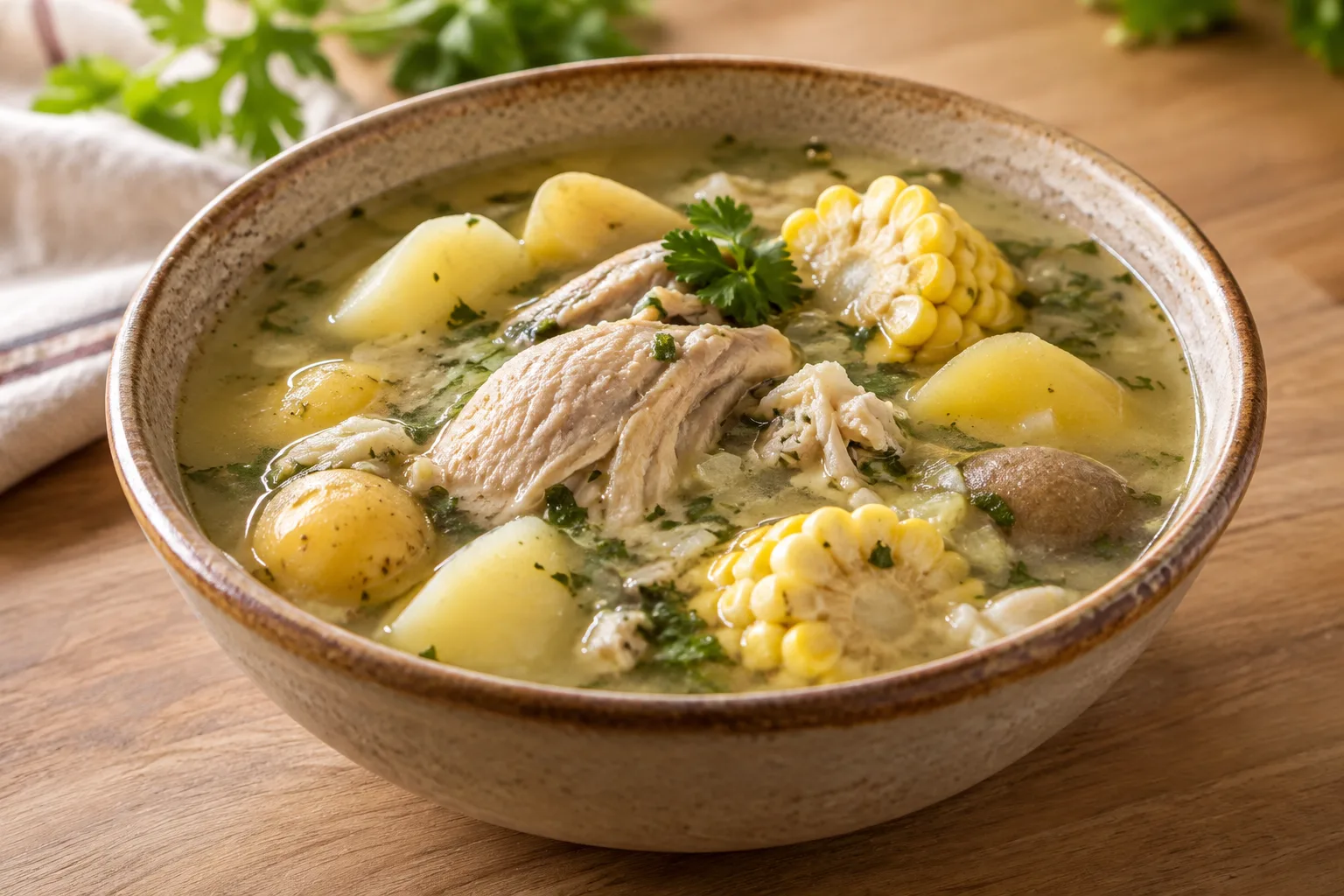
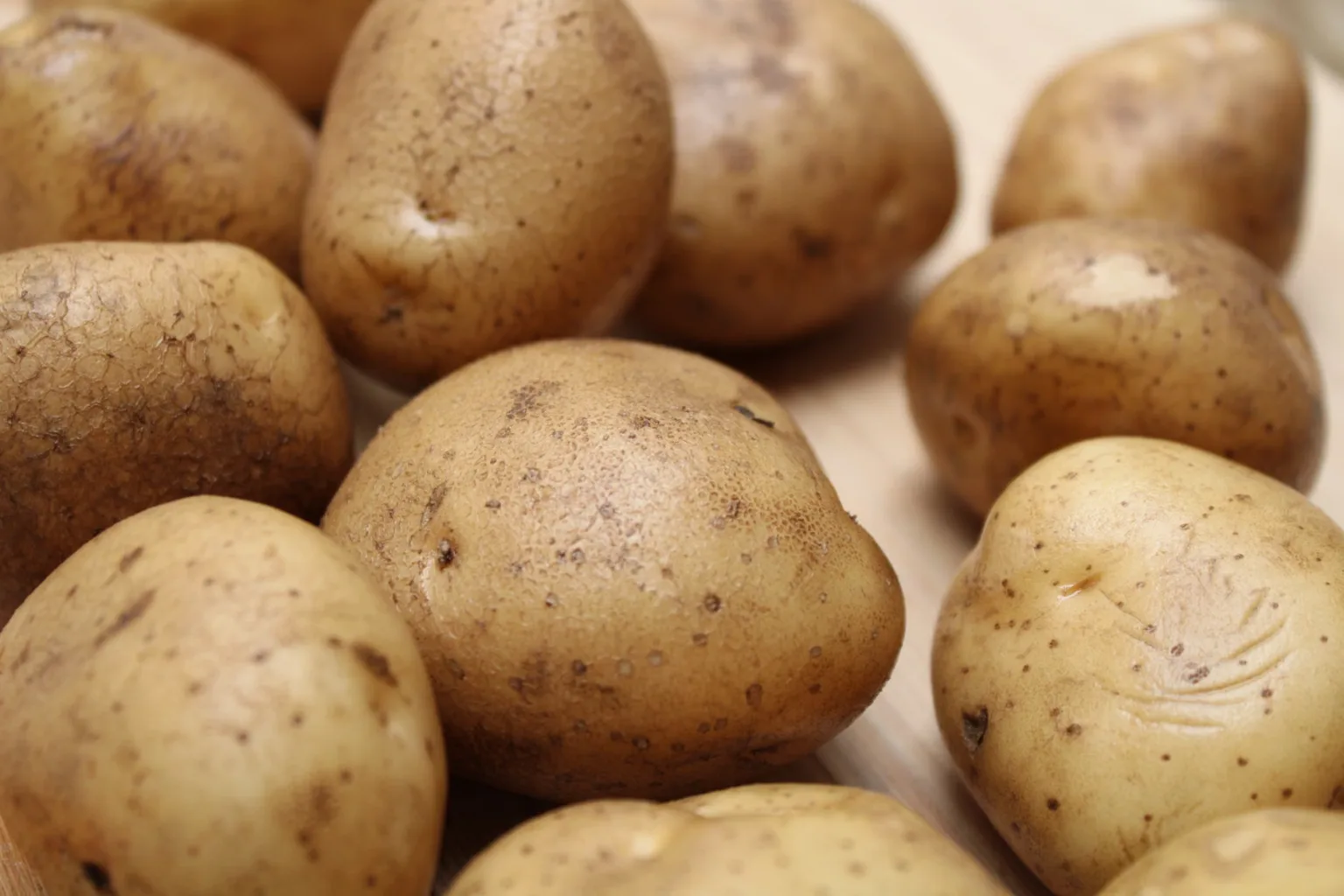
Papa sabanera is a potato variety, a culinary tuber of the species Solanum tuberosum. In Colombian cooking it is used in dishes such as soups and ajiaco, and it can also be roasted over embers. One culinary description characterizes it as low in starch and able to hold its shape when cooked; another describes purple skin and highlights its use in roasted dishes and soups. These differing descriptions are a reason not to assume that every potato sold under this name will look or cook in exactly the same way. The result also depends on the particular variety and the intensity of the cooking.
When to use it
Choose papa sabanera when you want cooked pieces to keep their structure, or when you plan to stew, fry or roast the potato. It is also used in dishes such as ajiaco and other soups. If a recipe depends on potatoes breaking down to thicken the broth, bear in mind that sabanera may not give the same result as a more floury potato. Excessive heat can make it lose its shape, so keep an eye on the cooking when intact pieces matter to the finished dish.
How to use it
Cook it whole or cut into pieces, depending on the dish. To serve it boiled and whole, cook until done and check its texture before extending the cooking. For stews, add pieces and monitor them if you want them to keep their shape. It can also be fried or sliced; prolonged cooking may cause it to lose structure. For roasting, one culinary description suggests wrapping it in foil and placing it over embers. The potato is also used in soups and ajiaco; choose another variety if your aim is to thicken the broth.
Flavour and texture
Papa sabanera is described as relatively firm: one culinary source says it holds its shape when cooked and can be served whole or sliced. It is also described as low in starch. Excessive heat can make it lose structure. Available descriptions do not fully agree about its skin colour, so colour alone is not a reliable way to identify it. The available information does not characterize its flavour precisely; the final taste also depends on the other ingredients and the preparation.
How to choose it
Look for the variety name on the product identification or ask the seller; skin colour alone is not enough to confirm that a potato is papa sabanera, since available descriptions differ. If you need pieces that hold their shape, ask whether the potato cooks as a firm variety. For packaged products, also check the package information and the ingredient list of any accompanying or prepared foods.
Storage
Papa sabanera is sold fresh, but the available information does not specify a storage period or particular storage conditions. To avoid assuming an unconfirmed shelf life, follow package directions when present or ask the seller if buying loose. Plan cooking with the intended result in mind: if you need intact pieces, avoid prolonged cooking because excessive heat may make them lose their shape.
Substitutions
Papa pastusa can be an option in soup when you want to add body, but it has more starch and tends to break down, so it will not give the same firmness. Papa criolla can help thicken soup and has a more pronounced flavour. Neither substitution guarantees the same appearance, taste or texture: choose according to whether you want intact pieces, a thicker broth or a stronger flavour.
Common mistakes
A common mistake is to cook it for too long when you want to serve it whole or sliced: excessive heat can make it lose its shape. Do not assume that skin colour always identifies the variety, since descriptions differ. Also, not all potatoes behave the same in soup: a more floury variety may break down and thicken the broth.
Safety and allergens
When serving the potato with sauces, prepared stock or other ingredients, check the product's allergen information and ask about ingredients in unpackaged dishes if you have an allergy. The complete dish, not just the potato, determines which allergens may be present.
Culinary uses
- Mantener trozos enteros en preparaciones cocidas
- Acompañar o formar parte de sopas y ajiaco
- Servir asada o cocinada entre brasas
Recommended techniques
- Hervir o sancochar
- Guisar
- Freír
- Asar envuelta en papel de aluminio sobre brasas
Pairs well with
- Ajiaco
- Sopas
- Guisos
- Preparaciones asadas
Frequently asked questions
Does papa sabanera hold its shape when cooked?
One culinary description says it can hold its shape, but excessive heat may make it break down. The result also depends on the particular variety.
What dishes use papa sabanera?
It is used in soups and ajiaco, and can be boiled, stewed, fried or roasted. It is also described as suitable for serving whole or sliced.
Can I substitute papa pastusa?
It can work in soup when you want to add body, but pastusa has more starch and tends to break down; it is not equivalent when you need firm pieces.
Ingredient allergens
Allergen listThere are no verified associations for these ingredients yet.
Sources and review
Automatically researched, cross-checked and validated content. Sources consulted:
- Alérgenos alimentarios | EFSA www.efsa.europa.eu/es/safe2eat/food-allergens
- Client Challenge doi.org/10.2307/jj.27939689.16
- Agencia Española de Seguridad Alimentaria y Nutrición www.aesan.gob.es/
- Papa peruana: variedades, historia y platos típicos del Perú lamurallarestaurante.pe/papa-peruana-variedades-dia-y-platos/
- Solanum tuberosum - Wikipedia, la enciclopedia libre es.wikipedia.org/wiki/Solanum_tuberosum
- Allergies - Food Safety - European Commission food.ec.europa.eu/food-safety/campaign-2026/allergies_en
- Food Allergies | FDA www.fda.gov/food/nutrition-food-labeling-and-critical-foods/food-allergies
- Food allergens | Food Safety and Quality | FAO www.fao.org/food-safety/scientific-advice/food-allergens/en
- Food allergen portal | Food Standards Australia New Zealand www.foodstandards.gov.au/consumer/foodallergies/food-allergen-portal
- RISK ASSESSMENT OF FOOD ALLERGENS - IRIS iris.who.int/server/api/core/bitstreams/6c71a3db-88b8-4fcd-a807-f5220eb4fc34/content
- Allergen guidance for food businesses - GOV.UK www.gov.uk/government/publications/allergen-guidance-for-food-businesses
- métodos de cocción en seco de la papa como alternativa ... repositorio.utn.edu.ec/bitstreams/68dde91b-ac2f-4f88-b001-8686e88e1fe6/download
- papa sabanera www.cocinafacil.okidoki.com.co/paginas/ingredientes/obtener_ingrediente.php?oid=65
- ¿Cuál es la diferencia entre papa criolla, sabanera, pastusa y cuál usar según la receta? | EL ESPECTADOR www.elespectador.com/gastronomia-y-recetas/cual-es-la-diferencia-entre-papa-criolla-sabanera…
- Papa: conoce la historia de este tubérculo de origen peruano www.peru.travel/es/inspirate/papa-conoce-la-historia-de-este-tuberculo-de-origen-peruano
- Productos andinos para el desarrollo de una gastronomía nacional | OpenAlex openalex.org/W3178404423