- Category
- Fruit
- State
- Fresh
- Usual unit
- g
What it is
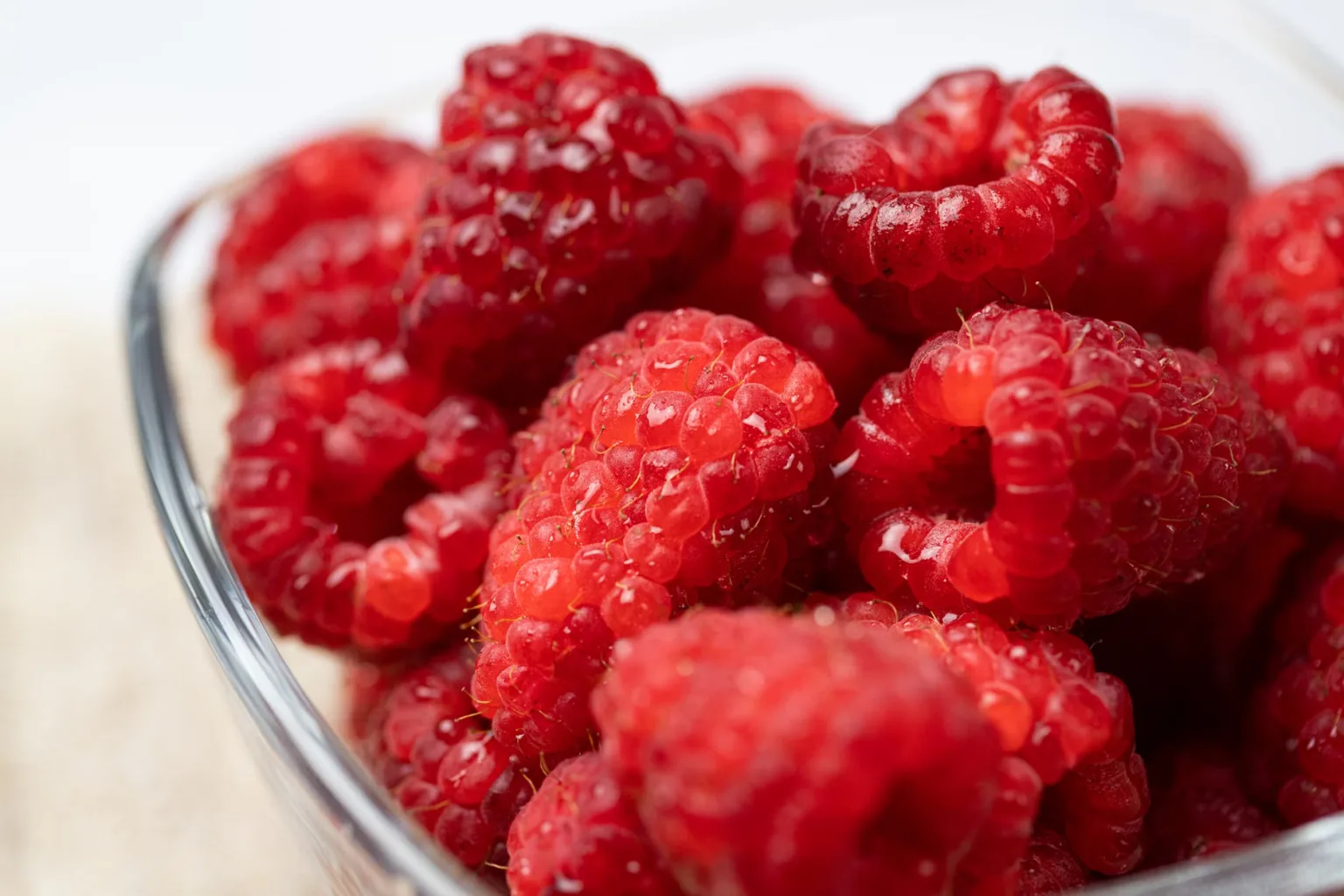
A raspberry is a small, delicate fruit made up of many tiny units clustered together. Varieties can differ in colour and fruiting season; red raspberries are the most familiar in shops, though other colours exist. Their flesh is tender and juicy, with a fruity aroma and a flavour that often balances sweetness with acidity. They are sold fresh as well as in prepared or frozen forms. Because raspberries bruise easily and are perishable, handle them gently and plan to use them soon after buying.
When to use it
Choose raspberries when you want a fragrant, fruity and slightly tart note in a dessert, drink or savoury preparation. Fresh berries work well in fruit salads, as a cake topping or with ice cream; cooking turns them into sauces, compotes or jam. Their acidity can balance sweet dishes and complement meat or mushrooms. Availability depends on variety, location and growing conditions: in the regions described by the available sources, harvest can extend through summer and autumn, while raspberries may be sold for longer.
How to use it
Handle raspberries gently: they are fragile and can be damaged when crushed. To eat them fresh, rinse them carefully just before serving and drain without squeezing. Add them whole to fruit salads, salads, cakes, ice cream or cereal, or blend them into a sauce, purée or drink. Cooking can turn them into compote or jam, and they can also be folded into baking mixtures. They have savoury uses too: raspberry sauce or purée can add a sweet-tart contrast to meat, and fruit can feature in a vinaigrette for salads. Adjust sweetness to the fruit’s tartness and the dish.
Flavour and texture
Raspberries have a fruity aroma and a characteristic balance of sweetness and acidity, which varies among varieties and individual berries. Their flesh is tender, juicy and very delicate; when ripe, it can break down or melt easily in the mouth. Heat softens their shape and makes it possible to create smoother purées and sauces.
How to choose it
Look for raspberries with a vivid colour and a fresh appearance, with berries intact and no crushed, soft or deteriorating patches. If you can see through the container, check the berries at the bottom too, as they may be hidden. Since raspberries are fragile and perishable, buy an amount you can use or prepare soon and carry them without compressing the container.
Storage
Refrigerate fresh raspberries promptly, unwashed and without piling them up. Remove damaged berries so they do not affect the others. Rinse them gently just before eating or preparing them, as moisture during storage can hasten deterioration. If you need to keep them longer, they can be frozen carefully, first spread in a single layer.
Substitutions
For fresh-fruit uses, strawberries can stand in for raspberries, but they are less delicate and have a different balance of sweetness and acidity. For a sauce or compote, try currants or blackberries and adjust the sugar to taste. The result will differ in flavour, colour and texture, so substitutions are not necessarily equivalent in every recipe.
Common mistakes
Do not wash raspberries before storing them or crush and pile them up: they are delicate and spoil easily. Avoid containers with many soft or crushed berries. Do not rinse them forcefully; wash them shortly before use and handle them gently to help keep their shape.
Safety and allergens
Gently rinse raspberries with potable water before eating and discard damaged fruit. If you have a diagnosed food allergy, check packaged-product information and ask about the ingredients in purchased preparations; fresh fruit and prepared products do not necessarily have the same composition.
Culinary uses
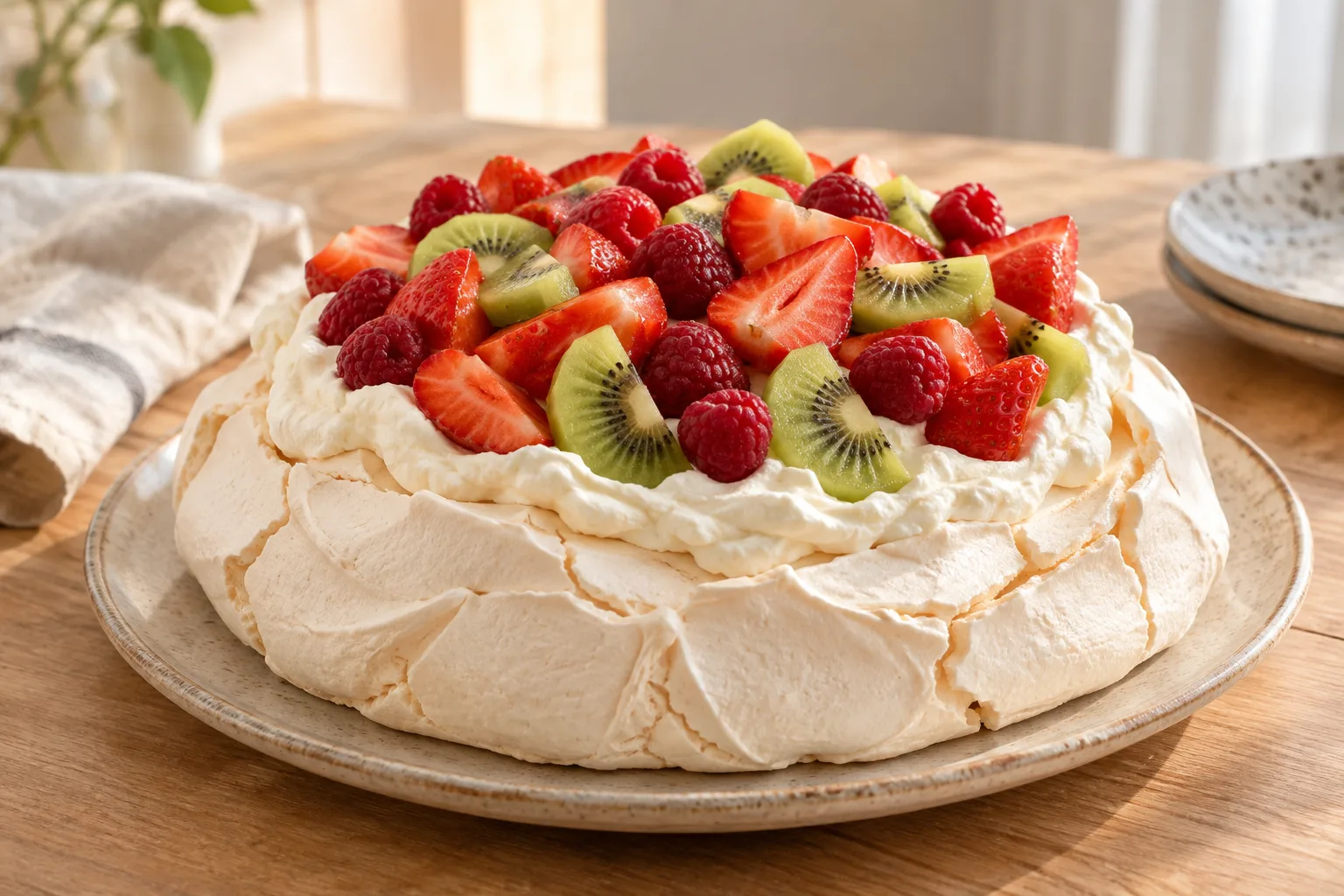
- Fresh fruit for desserts, fruit salads and toppings
- Ingredient for jams, sauces, purées, drinks and baked goods
- Sweet-tart accompaniment for savoury dishes, including meat
Recommended techniques
- Serve fresh after gently rinsing shortly before eating
- Cook into jam, compote, sauce or purée
- Blend into drinks, or use in baking and frozen desserts
Pairs well with
- Creamy desserts, cheesecake and ice cream
- Other berries, including strawberries and currants
- Savoury meat dishes, mushrooms and vinaigrettes
Frequently asked questions
Should raspberries be washed before storage?
No. Store them unwashed and rinse them gently just before eating or preparing them.
Can raspberries be cooked?
Yes. They can be used in compotes, jams, sauces, purées, drinks, ice cream and baked goods.
Can raspberries be used in savoury dishes?
Yes. Raspberry sauce or purée can add a sweet-tart contrast to meat and mushrooms.
Ingredient allergens
Allergen listThere are no verified associations for these ingredients yet.
Estimated nutrition
- Fat
- 0 g
- Saturates
- 0 g
- Carbohydrate
- 26.1 g
- Sugars
- 21.8 g
- Fibre
- 4.2 g
- Protein
- 0.7 g
- Salt
- 0 g
Sources and review
Automatically researched, cross-checked and validated content. Sources consulted:
- Alérgenos alimentarios | EFSA www.efsa.europa.eu/es/safe2eat/food-allergens
- Client Challenge doi.org/10.2307/jj.27939689.16
- Etiquetado de sustancias que causan alergias e intolerancias alimentarias www.aesan.gob.es/seguridad-alimentaria/informacion-alimentaria/etiquetado-sustancias
- Frambuesa | Origen y variedades | Frutas | EROSKI CONSUMER frutas.consumer.es/frambuesa/origen-y-variedades
- Food Allergies | FDA www.fda.gov/food/nutrition-food-labeling-and-critical-foods/food-allergies
- Food allergens | Food Safety and Quality | FAO www.fao.org/food-safety/scientific-advice/food-allergens/en
- Food Allergy: Labelling and exposure risks - PMC pmc.ncbi.nlm.nih.gov/articles/PMC11250542/
- Allergen guidance for food businesses - GOV.UK www.gov.uk/government/publications/allergen-guidance-for-food-businesses/allergen-guidance-f…
- Allergen labelling for consumers | Food Standards Australia New Zealand www.foodstandards.gov.au/consumer/labelling/allergen-labelling
- Frambuesas (frambuesas silvestres), crudas (¿orgánicas?) | Fundación G+E www.diet-health.info/es/recetas/ingredientes/in/wv2609-frambuesa-cruda
- Frambuesa- Gastronomía - Región de Murcia Digital www.regmurcia.com/servlet/s.Sl?r=ReP-23748-DETALLE_REPORTAJESPADRE&sit=c%2C543%2Cm%2C2715
- Frambuesa | Gastronomía & Cía www.gastronomiaycia.com/frambuesa/
- Características de las frambuesas, variedades y propiedades. www.arandanoselcierron.com/caracteristicas-frambuesas?srsltid=AYCX9vIPYvUtVbarHUzajQFTGSlLc-…
- - YouTube www.youtube.com/watch?v=e3lUY057skg
- Cinco usos de las fresas y frambuesas | Viveros california viveroscalifornia.com/curiosidades/usos-plantas-fresas-frambuesas
- Evaluación de las propiedades antiinflamatorias, antioxidantes e hipolipidémicas de cebolla procesada como ingrediente funcional "in vitro" y en modelo animal | OpenAlex openalex.org/W2788717095