- Category
- Pulses
- State
- Fresh
- Usual unit
- cup
What it is
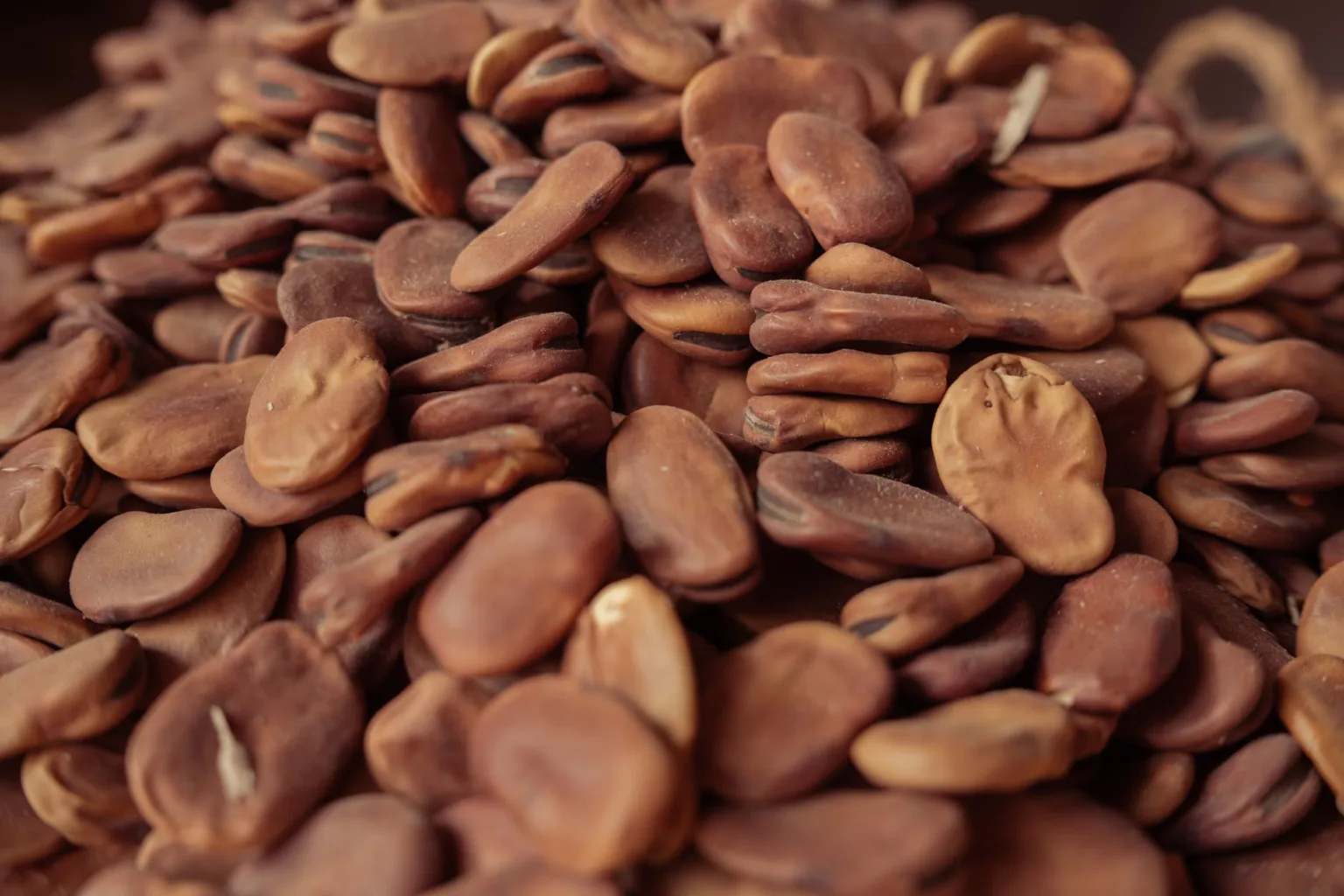
Red beans are edible legume seeds sold in several varieties and forms. They may be bought dried, already cooked in cans, or mashed and ready to use. The name does not always refer to one exact size or variety, so shape, color and texture can vary. Once cooked, their flavor is mild and works well with seasonings and other ingredients. Use them whole in stews and salads, mashed as a purée or refried preparation, or served alongside rice. It is useful to distinguish dried beans from canned ones: dried beans need soaking and cooking, whereas canned beans can be added to a dish without starting the cooking process from scratch. Choose the form that suits the recipe and the time you have available.
When to use it
Use red beans when you want to add substance to a soup, stew or chili, or when you need a legume to serve with rice. Whole beans also work in cold salads with tomato, onion, garlic, olives or a punchy vinaigrette. For a creamier consistency, mash or blend them and serve as a base or accompaniment. Choose dried beans when you want to cook from the uncooked seed and have time to soak and simmer them; choose canned beans when ready-cooked beans are more convenient. With either form, season to suit the dish: cooked red beans take on the flavors of herbs, spices and other ingredients readily.
How to use it
Start by identifying the form of beans you have. For dried beans, sort and rinse them, soak them in cold water, then simmer in water until tender; cooking time depends on the beans and their condition. Add them to a stew with tomato, onion, garlic and pepper, or serve them with rice. For canned beans, drain them if your recipe calls for it and stir them directly into the dish; you can also warm them gently in a stew. For a salad, combine them with vegetables and a vinaigrette. For a thicker texture, mash or blend the beans and use them as a base or side. Taste before finishing and adjust the seasoning, since canned products can be seasoned differently from one brand to another.
Flavour and texture
Cooked red beans have a mild flavor that works well with seasonings and the aromas of a stew. Depending on the variety and cooking, the beans may be tender, somewhat floury or firmer; mashed, they make a thick base. Their red color adds contrast to salads, soups and rice dishes. The form matters too: canned beans are already cooked and may be softer than dried beans cooked at home.
How to choose it
Choose the form that suits your schedule: dried red beans need soaking and cooking, while canned beans are ready to add to a recipe. For dried beans, look for whole seeds with few broken beans and a securely closed package. For canned beans, check the label, ingredient list and condition of the can. Product names can cover different red-bean varieties, so size and texture are not always identical.
Storage
Keep dried beans protected from light in a cool place and in an airtight container. The available guidance gives a storage period of up to one year for dried beans stored this way; check the package date as well. Store unopened cans as directed on the label and in a suitable place. After opening, follow the package instructions for storage. Guidance for beans cooked at home can differ from that for canned products, so do not assume the same storage directions apply.
Substitutions
In soups and stews, other beans, such as black or pinto beans, can serve a similar role, but they will change the color and may change the texture. Canned red beans can stand in for dried beans when the recipe can use already-cooked legumes; adjust liquid and seasoning because the canned beans are already prepared. Do not assume that different bean varieties will cook or turn out in exactly the same way.
Common mistakes
A common mistake is to prepare dried and canned beans as if they needed the same treatment: dried beans need soaking and cooking, while canned beans can go straight into many recipes. Do not assume every red-bean variety has the same texture or absorbs the same amount of liquid. Taste the dish before serving and adjust the seasoning.
Safety and allergens
Check the package instructions and distinguish dried beans from beans already cooked in cans. For packaged products and prepared dishes, check ingredient and allergen information, since additions and seasonings can vary.
Culinary uses
- Base for soups, stews and chili
- Ingredient for salads, purées and rice dishes
Recommended techniques
- Soak dried beans before cooking, then simmer until tender
- Add canned beans directly to a dish or warm them gently
Pairs well with
- Rice, tomato, onion, garlic and pepper
- Herbs, spices and a lively vinaigrette
Frequently asked questions
Do dried red beans need soaking?
A common preparation method is to soak dried beans in cold water before cooking. Then simmer them until tender; the time depends on the beans.
Can canned red beans be used straight from the can?
Usually, yes. Canned beans can be added directly to a stew or salad, or warmed gently. Follow the package directions.
What goes well with red beans?
They pair well with rice, tomato, onion, garlic and pepper. Herbs, spices and a lively vinaigrette work in both cold and hot dishes.
Ingredient allergens
Allergen listThere are no verified associations for these ingredients yet.
Estimated nutrition
- Fat
- 1.33 g
- Saturates
- 0 g
- Carbohydrate
- 61.3 g
- Sugars
- 2.67 g
- Fibre
- 14.7 g
- Protein
- 22.7 g
- Salt
- 0.03 g
Sources and review
Automatically researched, cross-checked and validated content. Sources consulted:
- Alérgenos alimentarios | EFSA www.efsa.europa.eu/es/safe2eat/food-allergens
- Client Challenge doi.org/10.2307/jj.27939689.16
- Agencia Española de Seguridad Alimentaria y Nutrición www.aesan.gob.es/
- Food Allergens - International Regulatory Chart | Food Allergy Research & Resource Program | Nebraska farrp.unl.edu/IRChart/
- El frijol rojo | La Fundación Louis Bonduelle www.fondation-louisbonduelle.org/es/verdura/el-frijol-rojo/
- ¿Qué son los frijoles? Descubre tipos y variedades-Blog goya.es/blog/que-son-los-frijoles-descubre-sus-tipos-y-variedades
- Los fríjoles, imprescindibles en la comida latinoamericana | Distribuidora Latinoandina distribuidoralatinoandina.com/es/los-frijoles-imprescindibles-en-la-comida-latinoamericana/
- Frijoles Rojos | Cook for Your Life www.cookforyourlife.org/es/nuestro-blog-de-cocina/frijoles-rojos/
- El “lujo culinario”: elites, cocina y poder en el espacio Atlántico | OpenAlex openalex.org/W4408399161
- Frijol - Wikipedia, la enciclopedia libre es.wikipedia.org/wiki/Frijol
- Frijoles rojos: características y cómo | Recetas.com www.recetas.com/reportajes/frijoles-rojos-caracteristicas-y-como-usarlos-en-la-cocina.html
- Frijoles Rojos Colombianos - My Colombian Recipes www.mycolombianrecipes.com/es/frijoles-rojos-colombianos/
- Allergies - Food Safety - European Commission food.ec.europa.eu/food-safety/campaign-2026/allergies_en
- Food Allergies | FDA www.fda.gov/food/nutrition-food-labeling-and-critical-foods/food-allergies
- Food allergens | Food Safety and Quality | FAO www.fao.org/food-safety/scientific-advice/food-allergens/en
- Allergen guidance for food businesses - GOV.UK www.gov.uk/government/publications/allergen-guidance-for-food-businesses/allergen-guidance-f…
- Los frijoles rojos, la legumbre más apetecida por los nicaragüenses | World Food Programme es.wfp.org/historias/los-frijoles-rojos-la-legumbre-mas-apetecida-por-los-nicaraguenses