- Category
- Dairy and eggs
- State
- Preserved
- Usual unit
- g
What it is
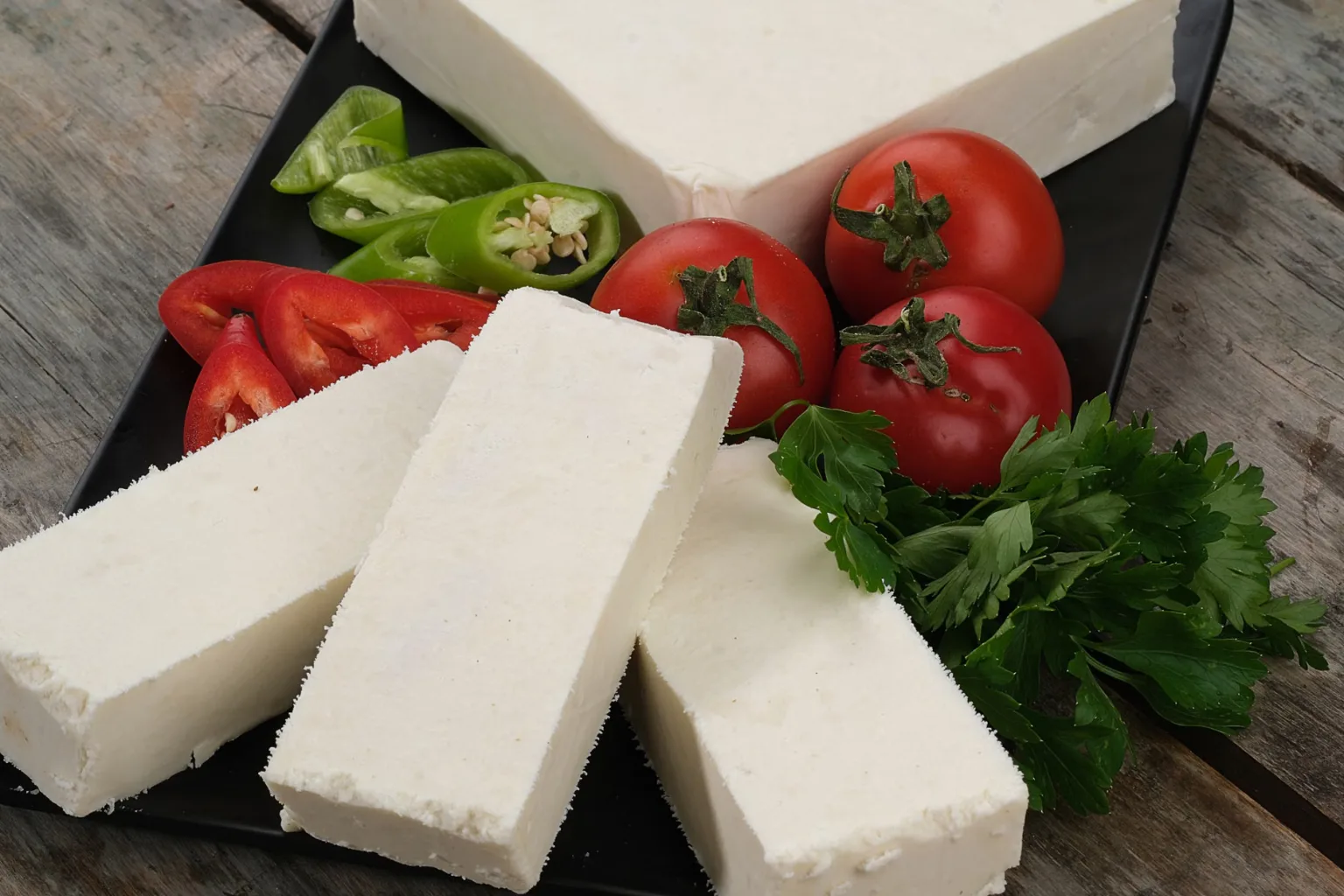
Salted ricotta is a form of ricotta that is pressed, salted and dried or aged rather than served fresh and creamy. The result is a firm cheese, usually white, that can be sliced, crumbled or grated. Its flavor is milky and salty, sometimes with a tangy or lightly nutty note that can vary from one product to another. Some traditional versions are made from sheep’s-milk ricotta, but the ingredients and aging time are not necessarily the same across all products. Do not confuse it with fresh ricotta: salted ricotta is more compact and works best as a topping or finishing cheese rather than as a soft, creamy filling.
When to use it
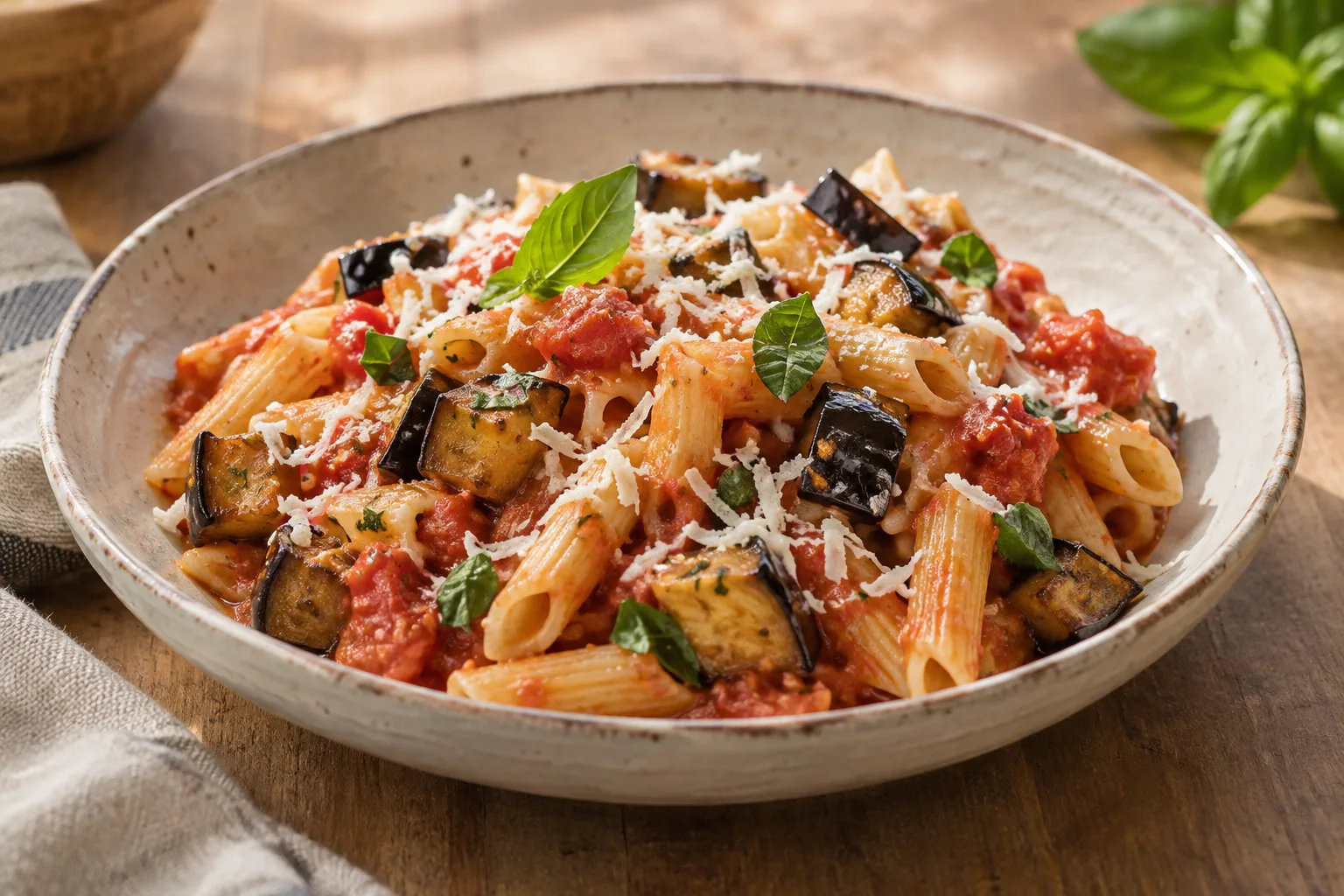
Choose salted ricotta when you want a salty note and firm texture, especially as a finishing touch. It works grated over tomato or eggplant pasta, crumbled into salads, or added to roasted and grilled vegetables. It can also be sliced thinly for bread or an antipasto platter. Since it contributes salt, use it thoughtfully in dishes that already contain salty ingredients and taste before seasoning further. It is not the right choice when you need soft ricotta that blends into a creamy filling or spread.
How to use it
Slice, crumble by hand or grate salted ricotta, depending on the texture you want. For pasta, add it at the end over the plated pasta and sauce; it can remain distinct rather than needing to melt into the dish. In salads, crumble it over leafy greens, vegetables or fruit. Use it as a finishing touch on roasted or grilled vegetables just before serving. Thin slices also work on crostini or an antipasto board. As the cheese can be quite salty, start with a small amount, taste the dish and adjust the seasoning only afterward.
Flavour and texture
Salted ricotta tastes milky and salty, often with a tangy note and, depending on the product, a hint of nuttiness. It is firm and may crumble, so it can be grated or sliced rather than spooned like fresh ricotta. The level of salt and firmness can vary among products.
How to choose it
Look for a firm piece that is white and free from cracks or discolored areas. It may be sold in wedges or already grated; a whole piece gives you the option to grate, slice or crumble it as needed. Check the label for ingredients and storage directions, since commercial versions are not necessarily identical.
Storage
Keep it refrigerated and follow the storage directions and date on the package. If you buy a piece, protect it from air and keep it in a closed container so it does not absorb other refrigerator odors. Salting does not mean that every version can be stored without refrigeration or that all products keep for the same length of time.
Substitutions
Feta can provide a crumbly texture and saltiness, but it is often tangier. Pecorino Romano works grated over pasta, though it is harder and saltier. Cotija can serve as a crumbly topping, but its flavor is not identical. Adjust the amount to suit the substitute’s saltiness and texture.
Common mistakes
Do not mistake it for fresh ricotta: it is not as creamy and does not work the same way in fillings. Avoid adding a large amount before tasting, since its saltiness can overwhelm a dish. Do not assume it will melt like a soft cheese; it is usually best grated, crumbled or sliced.
Safety and allergens
Check the label and follow the manufacturer’s storage directions. If you have a food allergy, do not infer a product’s ingredients from the cheese name; check the specific package.
Culinary uses
- Salty finishing cheese for pasta
- Crumbled or shaved topping for salads and vegetables
- Sliced cheese for antipasti and crostini
Recommended techniques
- Grate or shave over a dish just before serving
- Crumble into salads or over cooked vegetables
- Slice thinly to serve on crostini or an antipasti board
Pairs well with
- Tomato pasta and eggplant
- Leafy greens, roasted vegetables, and citrus
- Olives, bread, and fresh figs
Frequently asked questions
How is salted ricotta different from fresh ricotta?
Salted ricotta is pressed and salted, making it firmer and saltier. It can be grated, sliced or crumbled, while fresh ricotta is soft and creamy.
How should I use it with pasta?
Grate or crumble it over pasta just before serving, especially with tomato or eggplant. Taste the dish before adding more salt.
Can feta replace salted ricotta?
It can work as a crumbly substitute, but it is often tangier. Adjust the amount to suit the dish and the substitute’s saltiness.
Ingredient allergens
Allergen listThere are no verified associations for these ingredients yet.
Sources and review
Automatically researched, cross-checked and validated content. Sources consulted:
- Gastronomía mediterránea - Wikipedia, la enciclopedia libre es.wikipedia.org/wiki/Gastronom%C3%ADa_mediterr%C3%A1nea
- ¿Por qué la muerte es origen de miedos y tabúes? doi.org/10.64628/aao.fccyk3qj3
- Client Challenge doi.org/10.2307/jj.27939689.16
- Mascarpone - Wikipedia, la enciclopedia libre es.wikipedia.org/wiki/Mascarpone
- Come preparare la cassata siciliana, protagonista indiscussa la ricotta - Terrà terra.regione.sicilia.it/come-preparare-la-cassata-siciliana-protagonista-indiscussa-la-rico…
- What is Ricotta Salata and How to Use in Cooking - Recipes from Italy www.recipesfromitaly.com/ricotta-salata/
- Ricotta Salata: The Versatile Cheese You Need to Know - CookedByTaste cookedbytaste.com/how-do-you-use-ricotta-salata/
- What Is Ricotta Salata And How Do You Cook With It? - Tasting Table www.tastingtable.com/1273832/what-is-ricotta-salata-how-to-cook/
- The World of Italian Ricotta: From Salata to Infornata and How to Use Them - Pastasty pastasty.com/the-world-of-italian-ricotta-from-salata-to-infornata-and-how-to-use-them/
- What Is Ricotta Salata? A Quick Guide to Italy’s Salted, Aged Ricotta Cheese - Eating Around Italy eatingarounditaly.com/ricotta-salata-quick-guide/
- "Le Siringate”, i dolcetti margheritesi apprezzati dalla principessa Filangeri - Terrà terra.regione.sicilia.it/le-siringate-i-dolcetti-margheritesi-apprezzati-dalla-principessa-f…