- Category
- Grains, flour and pasta
- State
- Dry
- Usual unit
- g
What it is
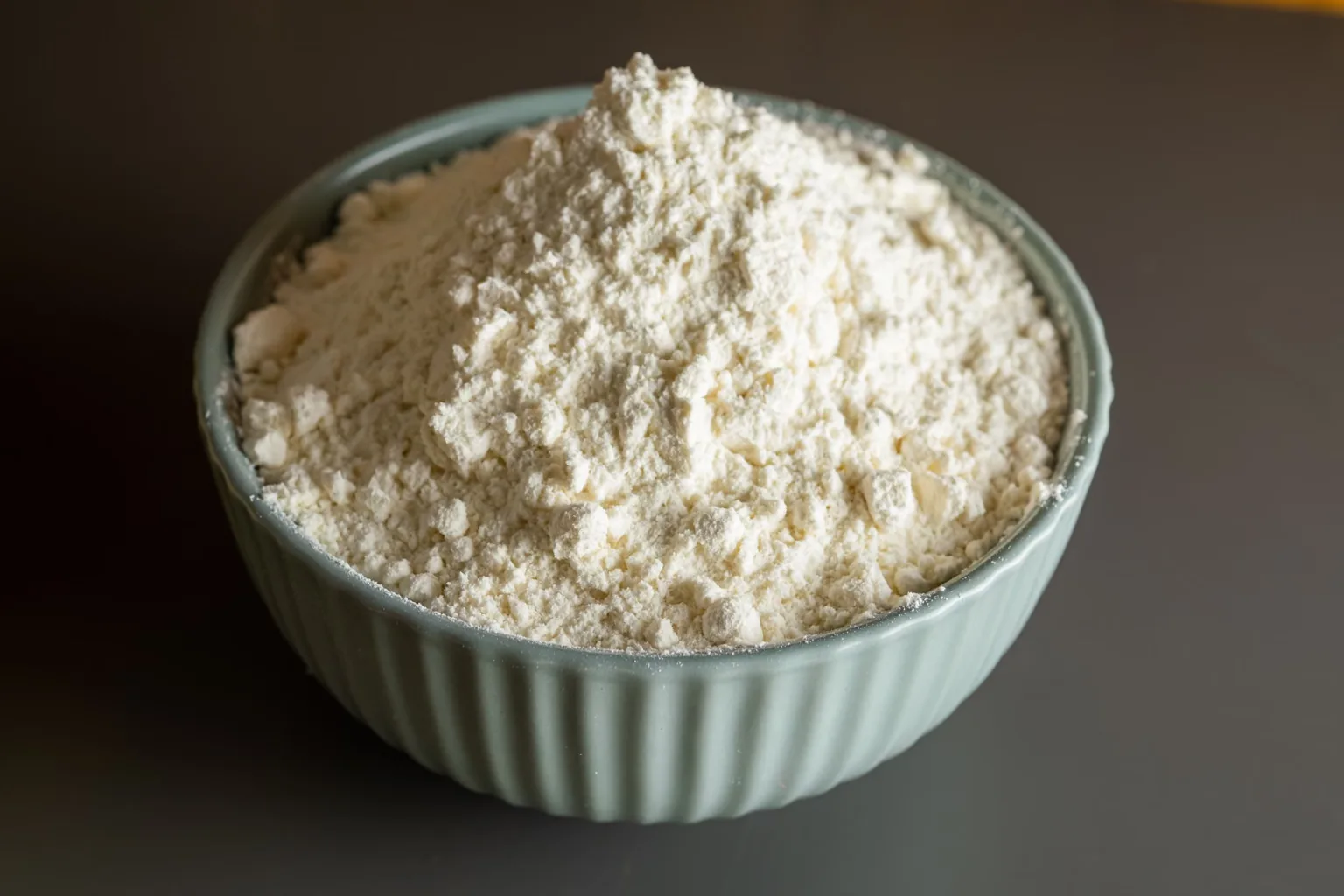
Self-raising flour is a dry blend of flour and an incorporated chemical raising agent. The sources consulted generally describe it as wheat flour with baking powder; some formulas also include salt, and commercial products may contain other ingredients. Its practical advantage is that the raising agent is already distributed through the flour, simplifying certain baked mixtures. It is not interchangeable with plain flour without considering the recipe: if a recipe already calls for raising agent or salt, using a blend that contains them without adjustment can change the result. Formulas and proportions are not universal, so check the package and follow the recipe instructions.
When to use it
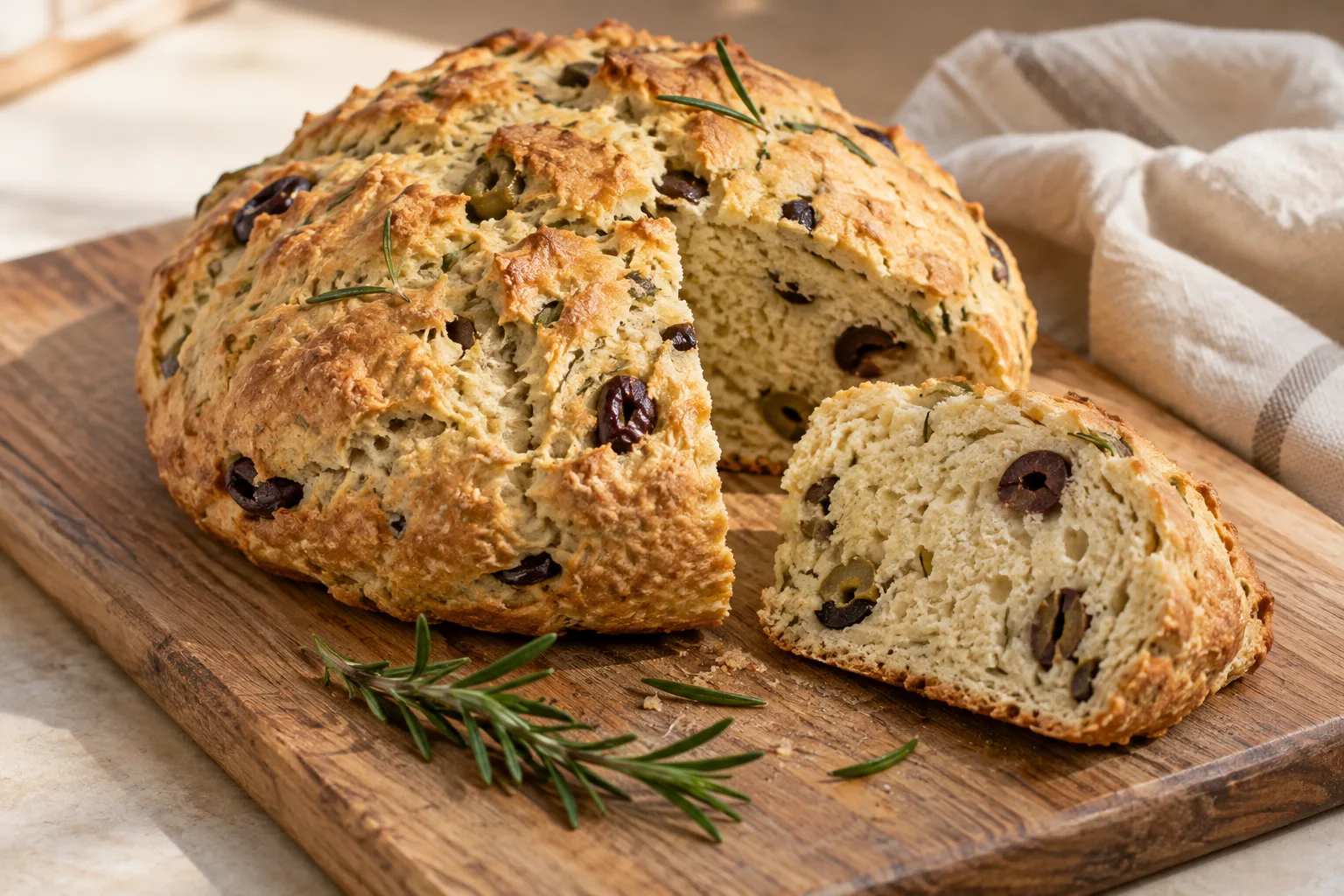
Choose self-raising flour when a recipe calls for it, especially for quick bakes such as cakes, biscuits, muffins or quick breads. It is useful when you want to avoid measuring flour and raising agent separately. Do not automatically use it in place of flour for a long-fermented dough: self-raising flour contains a chemical raising agent, while fermented doughs may depend on different ingredients and processes. Check whether the product contains salt and whether the recipe asks for extra.
How to use it
Check the recipe and package before measuring: blends can differ in whether they contain salt and in the composition of their raising agent. Weigh the amount specified and do not add extra raising agent or salt without checking whether the recipe already includes them. If the blend is lumpy, or you want to help distribute it evenly, sift it or whisk it with the other dry ingredients, as described for preparing raising-agent blends. Add the wet ingredients called for, such as eggs or milk, and make the batter or dough according to the recipe. It is commonly used for cakes, biscuits, muffins and quick breads; do not assume it replaces flour and yeast in a long-fermented dough.
Flavour and texture
The flour provides the base flavor and structure; the incorporated raising agent helps certain baked mixtures rise. The finished texture depends on the recipe, the flour and the particular commercial blend, so products do not all behave identically. Some formulas include salt, and other ingredients may differ; check the label when flavor or salt content matters to your dish.
How to choose it
Read the ingredient list and package directions: blends do not all contain exactly the same ingredients, and some include salt or other additions alongside flour and raising agent. Make sure the product matches the recipe, and do not confuse it with plain flour or a prepared mix intended for another use. If you need to avoid wheat or gluten, do not assume this flour is suitable: self-raising flour as described in the sources commonly contains wheat and gluten.
Storage
Store the product according to the package instructions and protect it from moisture to help prevent the dry blend from clumping. Close the package securely or transfer it to a clean, dry container if the label permits, and keep it clearly identified so it is not mistaken for plain flour. The available evidence does not establish a universal storage period; check the date and directions from the manufacturer.
Substitutions
A practical alternative is plain flour combined with chemical raising agent and, where appropriate, salt, using a proportion from a reliable recipe or the product being replaced. The sources consulted give different formulas, so do not assume one proportion applies to every brand and region. If a recipe calls for self-raising flour, replacing it with plain flour alone without adjusting the raising agent and salt can change the result.
Common mistakes
A common mistake is adding more raising agent or salt without checking the self-raising flour’s ingredient list and the recipe. Replacing it with plain flour without adjusting the raising ingredients can also produce a different result. Do not confuse it with strong bread flour or assume it suits every fermented dough: its common uses are quick bakes, and the specific recipe should guide your choice.
Safety and allergens
Check the label for wheat, gluten and other ingredients relevant to your needs. Do not treat the product as suitable for avoiding wheat or gluten unless its labeling confirms that.
Culinary uses
- Base de harina para repostería y masas horneadas rápidas
- Agente de levado incorporado para preparaciones que no requieren fermentación prolongada
Recommended techniques
- Tamizar o batir con los demás ingredientes secos para repartir el impulsor
- Mezclar la masa solo según las indicaciones de la receta y hornear la preparación
Pairs well with
- Huevos y leche en bizcochos y masas sencillas
- Azúcar y mantequilla en galletas y repostería
Frequently asked questions
What is in self-raising flour?
It is usually flour, commonly wheat flour, with a chemical raising agent already added; some blends also contain salt. Check the package because formulas can vary.
Can I replace it with plain flour?
Yes, but the recipe must supply the chemical raising agent and, where needed, salt separately. Use proportions appropriate to the recipe or product, since available blends are not always identical.
Is it suitable for long-fermented dough?
Do not automatically use it instead of the flour specified for a fermented dough. It is commonly used in baking and quick preparations; follow the recipe for doughs that require fermentation.
Sources and review
Automatically researched, cross-checked and validated content. Sources consulted:
- ¿Por qué la muerte es origen de miedos y tabúes? doi.org
- Pan - Wikipedia, la enciclopedia libre es.wikipedia.org
- Client Challenge doi.org
- Harina - Wikipedia, la enciclopedia libre es.wikipedia.org
- 21411279 CAMPUS: SAN PEDRO SULA; ENERO, 2021 repositorio.unitec.edu
- Art & Architecture Thesaurus Full Record Display (Getty Research) getty.edu
- Harina leudante | Gastronomía & Cía gastronomiaycia.com
- ¿Qué es la harina leudante y para qué sirve? | Grupo Animal grupoanimal.mx
- Harina de fuerza o harina leudante: ¿Cuándo usar cada una? antena3.com
- Harina Leudante: Qué Es, Cuál Es y Cómo Hacerla en Casa harinaleudante.com
- Cómo hacer harina leudante casera: receta fácil con 2 ingredientes okdiario.com
- Sustituto de Harina Leudante: Las Mejores Alternativas para Cualquier Receta - SubstituteChef substitutechef.com
- Harina Leudante Casera: Guía Paso a Paso | Harina Leudante harinaleudante.com