- Category
- Fish and seafood
- State
- Dry
- Usual unit
- g
What it is
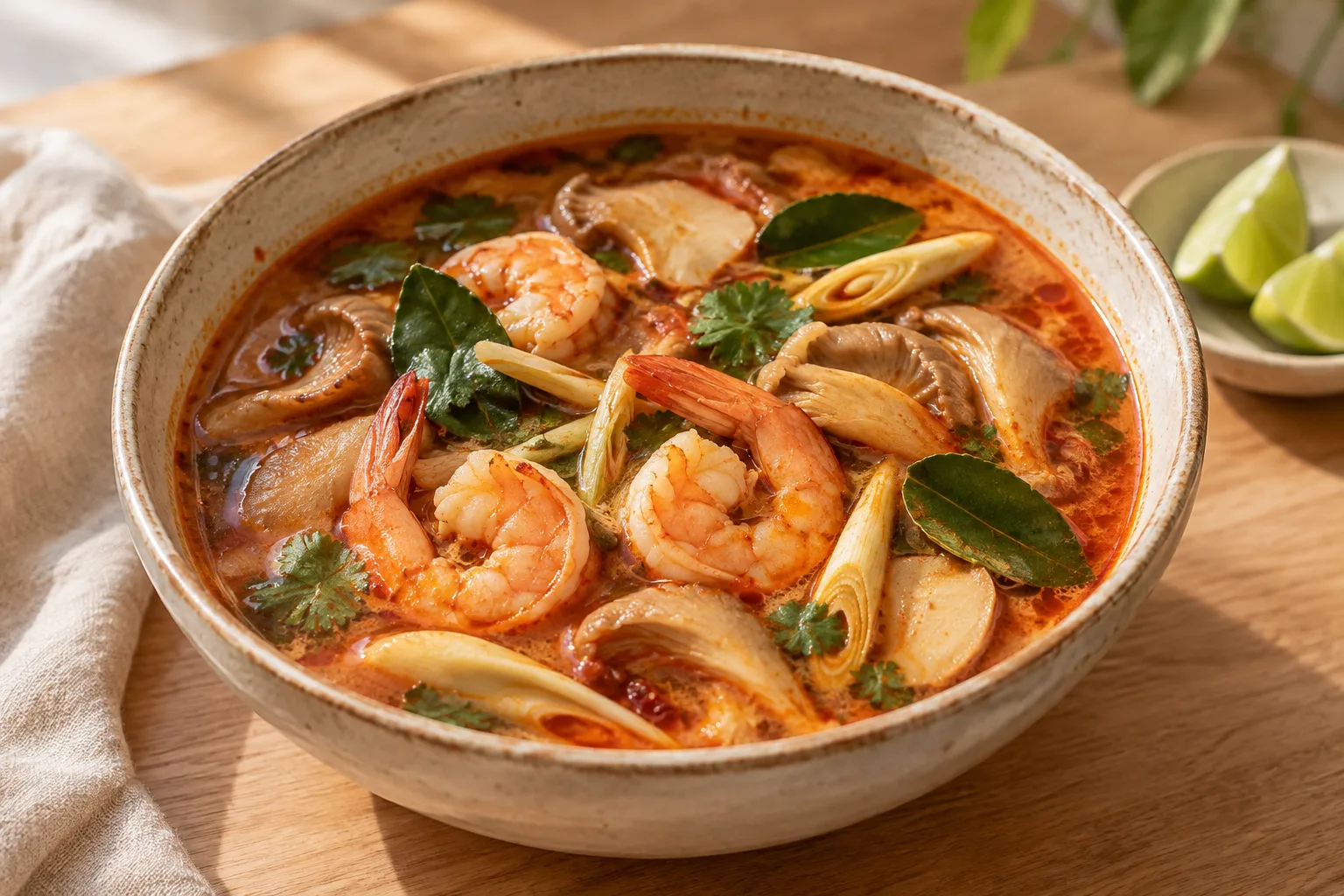
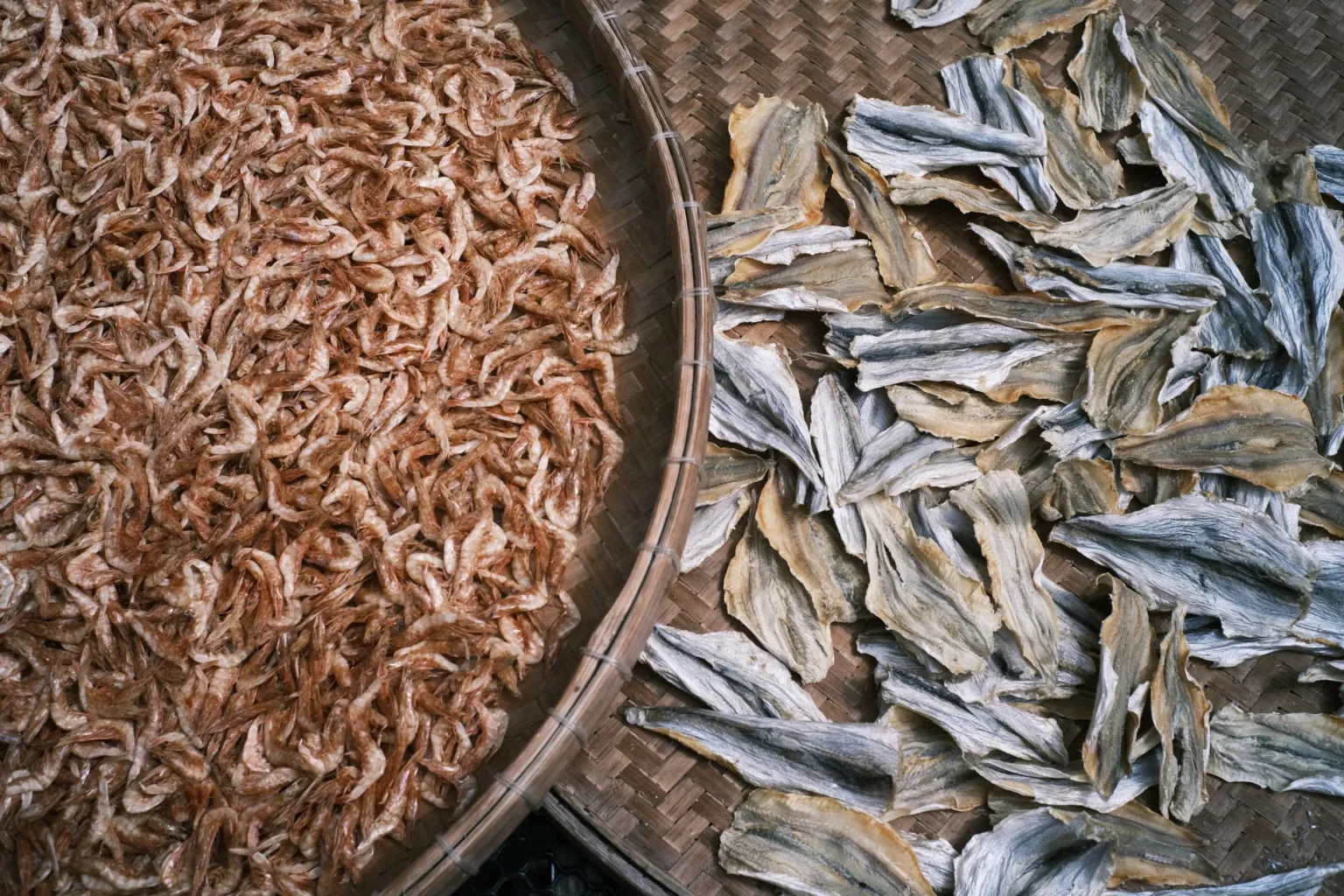
Small dried shrimp are shrimp that have been dried. One culinary source describes a salted, sun-dried version, but it does not establish that every product is made this way. They are used to add concentrated seafood flavor to soups, broths, rice and noodle dishes; they are also mentioned in wok-cooked and slow-simmered preparations. They can be chopped and mixed through a dish or used as a topping. One cited preparation combines chopped dried shrimp with steamed rice and fried scallions. Their flavor is described as distinct from, and more concentrated than, that of fresh shrimp. They are a crustacean seafood product, not a plant-based seasoning. Check the package for the ingredients and instructions that apply to the specific product.
When to use it
Use them when a soup, broth, rice dish or noodle preparation would benefit from a stronger seafood note and a salty accent. They can also be added to wok dishes or slow-simmered preparations to contribute flavor to the dish. Chopped, they can top a steamed rice preparation. Since their flavor is described as concentrated, begin with a modest amount and taste before adding more, especially if the dish already includes salty ingredients. Check the package for the product’s ingredients and directions; the available sources do not establish a universal quantity or cooking time.
How to use it
Read the label and package directions first. Chop the shrimp if you want to distribute them through a dish or use them as a topping. Add them to vegetable or seafood soup, broth, soupy rice or a wok preparation. They are also mentioned in noodle dishes, including pad thai. For a steamed rice preparation, chop them and scatter them over the top with fried scallions. Their flavor is described as concentrated and salty, so add them gradually and taste before adjusting the rest of the seasoning. The available sources do not specify a required soaking method, soaking time or universal cooking time.
Flavour and texture
Their flavor is described as seafood-like, salty and concentrated, with an umami note that can strengthen soups, broths and noodle dishes. Their profile is distinct from, and more intense than, that of fresh shrimp. Size, texture and saltiness can differ between products; the available source does not establish one texture for all small dried shrimp. Taste the product in the dish before adjusting the seasoning.
How to choose it
Read the label to confirm that the product is dried shrimp and check whether it contains salt or other ingredients. One culinary source describes a salted, sun-dried version and reports finding dried shrimp refrigerated in a shop; this does not establish how every variety is made or sold. Choose an identifiable package and check its storage and use directions. The available evidence does not provide reliable visual quality tests for every product.
Storage
A culinary source reports finding dried shrimp in a shop’s refrigerated section, but it does not establish a universal storage rule or safe storage duration. Follow the package directions and, if they are unclear, ask the seller or manufacturer. No specific storage period can be recommended here, and the same storage method should not be assumed for every product. Safe storage depends on following the directions that apply to the particular product.
Substitutions
The sources do not document an exact substitute. Seafood broth can contribute a seafood note to soup, while chopped fresh shrimp can add shrimp flavor in another preparation. Neither option necessarily reproduces the concentrated, salty flavor or texture of dried shrimp. Taste and adjust the seasoning, since products can vary in saltiness.
Common mistakes
A common mistake is adding a large amount at once: the flavor is described as concentrated and salty, so it can overwhelm a dish. Add gradually and taste before adjusting the seasoning. Do not assume that all products have the same processing method, salt content or storage directions; check the label and package instructions.
Safety and allergens
This is a crustacean seafood product. Check the ingredients and follow the package’s storage directions; if they are unclear, ask the seller or manufacturer. The available sources do not provide specific instructions that apply to every variety.
Culinary uses
- Aportar sabor marino concentrado a sopas y caldos
- Añadir una nota salada y umami a arroces, fideos y salteados
Recommended techniques
- Picar para repartir en un plato o usar como cobertura
- Incorporar a sopas, caldos y preparaciones cocinadas a fuego lento
- Añadir a preparaciones al wok
Pairs well with
- Sopas de verduras o de marisco
- Arroz y fideos
- Cebolleta o ajetes fritos como acompañamiento
Frequently asked questions
What do small dried shrimp taste like?
They are described as salty, seafood-like and concentrated, with an umami note. Their flavor is distinct from that of fresh shrimp.
What dishes can I use them in?
They are mentioned for soups, broths, rice and noodle dishes, wok preparations, and as a chopped topping for steamed rice.
Do I need to soak them before cooking?
The available evidence does not establish that soaking is required or specify a soaking time. Check the package directions and the recipe you are following.
Sources and review
Automatically researched, cross-checked and validated content. Sources consulted:
- Client Challenge doi.org
- The Essential Glossary of Cooking Terms for the Culinary Arts - Escoffier escoffier.edu
- Gambas: origen, variedades, propiedades y cómo usarlas en la cocina abc.es
- Gambas, del océano a un platillo delicioso | Recetas Nestlé recetasnestle.com.co
- Dictionary of Health Related Terms: English – Spanish hia.berkeley.edu
- informe anual de indicadores - agricultura, pesca y alimentación servicio.mapa.gob.es
- Home food preservation | Servicio de Extensión de OSU extension.oregonstate.edu
- Revista del comité científico de la Aecosan número 27 aesan.gob.es
- Quelites—Agrobiodiversity beyond our crops online.ucpress.edu
- Journal Publications Using NCALM Data ncalm.cive.uh.edu
- Strategies and socio-productive relationships in pig backyard ... ageconsearch.umn.edu
- Maternal Feeding Styles and Child Appetitive Traits scholarshare.temple.edu
- Un ingrediente secreto en la cocina indochina — las gambas secas | Recetas asiáticas fáciles - en menos de 5 pasos cocinaindochina.wordpress.com