- Category
- Pulses
- State
- Fresh
- Usual unit
- g
What it is
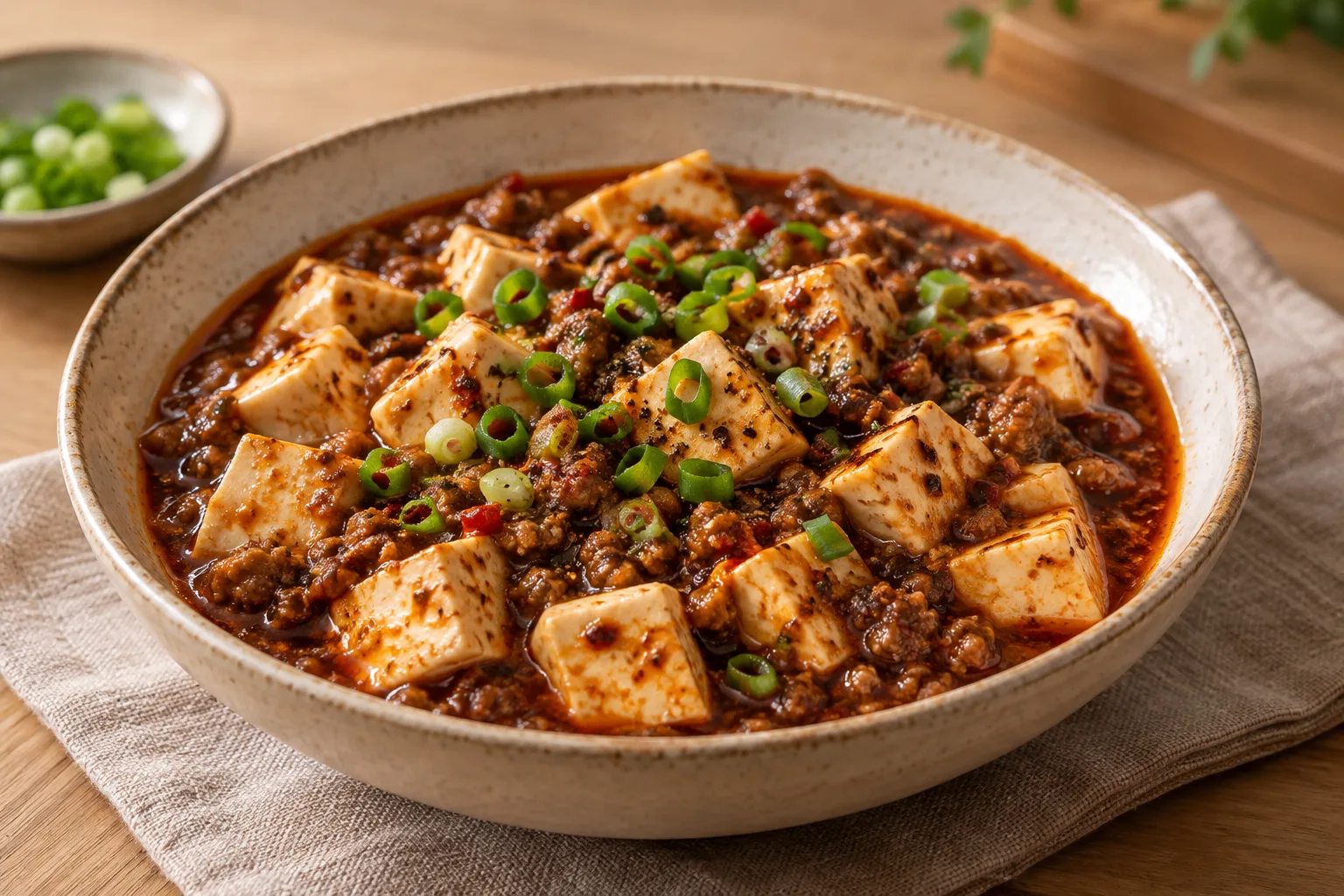
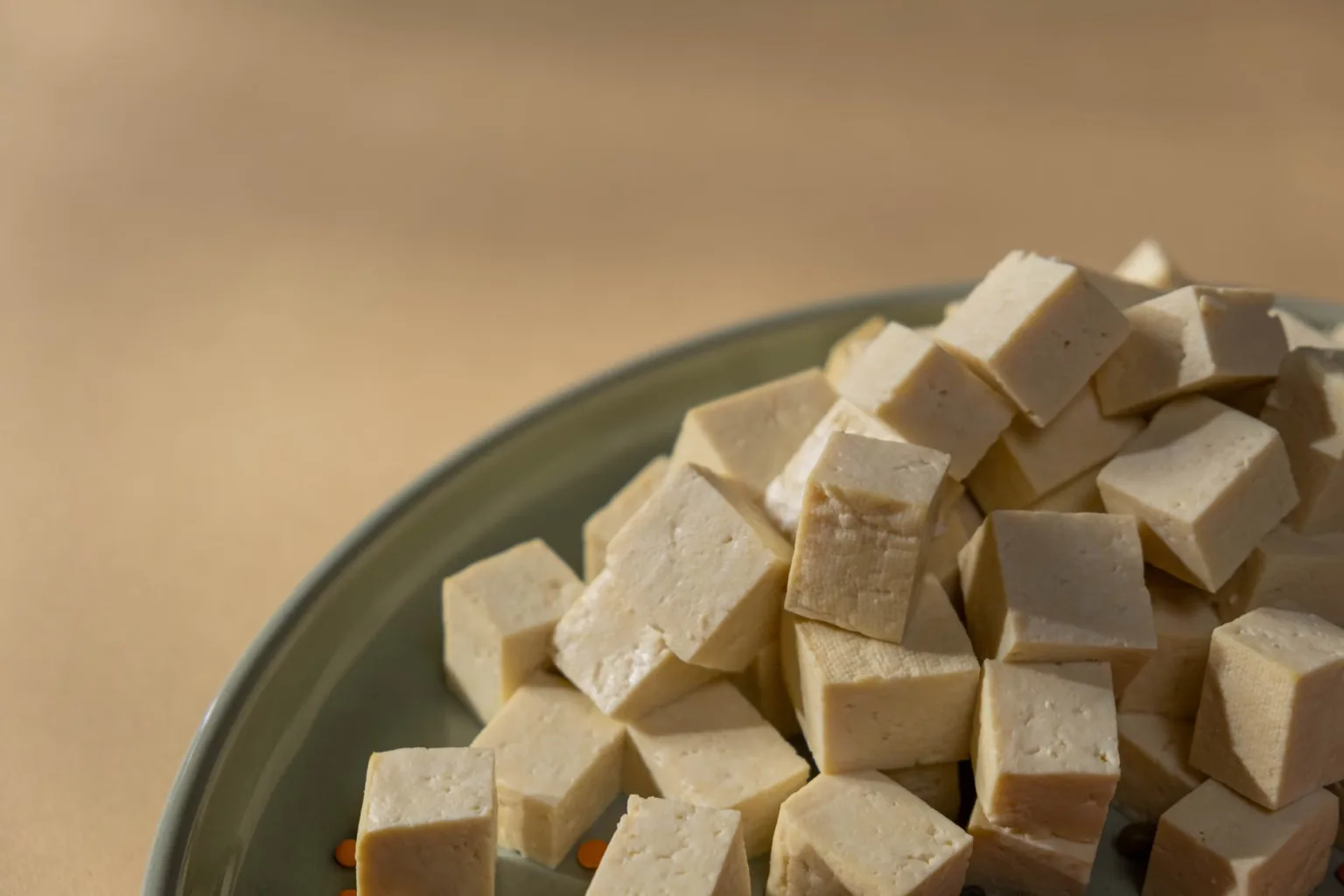
Soft tofu is a tender variety of tofu made from coagulated soy. Tofu is produced by curdling soy milk, and it comes in textures ranging from soft to firm. Soft tofu is usually pale, moist and delicate, so it can break apart easily when handled. Its mild flavour works in both savoury and sweet dishes and takes on the flavours of other ingredients. It is not the same as a firm block intended to hold distinct cubes during cooking: choose the texture that suits the result you want. Product names and exact consistency can vary, so check the package description.
When to use it
Choose soft tofu when you want a tender, creamy or easily blended consistency rather than pieces that hold a firm shape. It can be used in soups, smoothies, sauces, glazes and creamy desserts. It also suits dishes where the tofu is mixed with other ingredients and does not need to brown or become crisp. If a recipe calls for cubes that remain intact in a stir-fry or on a grill, a firm variety is usually a better fit. Check the package description, since names and textures can vary between products.
How to use it
Handle soft tofu gently: its texture can break down if it is cut or stirred forcefully. For a creamy soup or sauce, add it and blend or mix until the consistency suits the dish. For smoothies and desserts, combine it with the other ingredients until smooth. In savoury recipes, pair its mild flavour with aromatic ingredients such as garlic, ginger or soy sauce. Pressing it will not turn it into firm tofu; if the recipe needs pieces that stay intact during vigorous cooking, choose firm tofu instead. Follow the specific recipe and package directions.
Flavour and texture
Soft tofu has a mild, unobtrusive flavour that works with aromatic ingredients and sauces. Its texture is moist, tender and delicate; it can break apart easily and is suited to creamy mixtures. The exact consistency varies between products and brands, so check the package if a recipe depends on a particular texture.
How to choose it
Look for an intact package and a description that says soft or silken tofu if that is the texture you need. Check the use-by date and the manufacturer's storage directions. Tofu ranges from soft to extra-firm, so do not rely on the general word “tofu” alone: make sure the product's consistency matches the intended use.
Storage
Store tofu according to the package directions and observe the stated use-by date. Once opened, follow the manufacturer's specific instructions for refrigeration and use; storage time depends on the product. Keep the package closed when not in use, and do not consume it if the package is damaged or the product shows unusual signs.
Substitutions
Firm tofu can replace soft tofu when you need pieces that hold their shape, but the result will be less creamy. Silken tofu may serve a similar purpose in smoothies, sauces or smooth desserts if its consistency suits the recipe. Tofu styles are not interchangeable in every dish; choose according to the texture you want.
Common mistakes
A common mistake is treating soft tofu like firm tofu: it may break apart if pressed, cut or stirred forcefully. Do not expect it to produce crisp cubes without changing the tofu style. Choose tofu by texture, rather than assuming every product labelled tofu behaves the same way in a recipe.
Safety and allergens
Contains soy. Check the product's ingredient and allergen information, and follow the package's storage and use instructions.
Culinary uses
- Base suave y cremosa para sopas, salsas y postres
- Ingrediente vegetal de sabor discreto que admite sabores añadidos
Recommended techniques
- Triturar o mezclar para obtener preparaciones cremosas
- Desmenuzar o cortar y cocinar en salteados, según la receta
Pairs well with
- Ajo y jengibre
- Salsa de soja
Frequently asked questions
Can soft tofu and firm tofu be used the same way?
Not always. Soft tofu is more delicate and suits creamy dishes; firm tofu holds its shape better in stir-fries and other recipes with distinct pieces.
Should I press soft tofu?
Do not press it in an attempt to make it firm; its delicate texture can break apart. Choose firm tofu if the recipe needs compact pieces.
What does soft tofu taste like?
Its flavour is mild and unobtrusive. Pair it with aromatic ingredients or blend it into sweet and savoury dishes.
Ingredient allergens
Allergen listDocumented presence
-
Soybeans
Soft tofu
Estimated nutrition
- Fat
- 4.12 g
- Saturates
- 0.59 g
- Carbohydrate
- 1.18 g
- Sugars
- 0 g
- Fibre
- 1.2 g
- Protein
- 8.24 g
- Salt
- 0 g
Sources and review
Automatically researched, cross-checked and validated content. Sources consulted:
- Client Challenge doi.org/10.2307/jj.27939689.16
- Los japonesismos culinarios | OpenAlex openalex.org/W2906636610
- Agencia Española de Seguridad Alimentaria y Nutrición www.aesan.gob.es/
- Tofu - Food Source Information www.chhs.colostate.edu/fsi/food-articles/complex-food/tofu/
- Tofu - Wikipedia, la enciclopedia libre es.wikipedia.org/wiki/Tofu
- Tofu, qué es, cómo se hace y beneficios bonviveur.com/es/noticias/tofu
- Food allergen labelling and information requirements technical guidance - GOV.UK www.gov.uk/government/publications/food-allergen-labelling-and-information-requirements-tech…
- Transglutaminase-Cross-Linked Tofu Suppressed Soybean-Induced Allergic Reactions by Enhancing Intestinal Mucosa Immune Tolerance - PMC pmc.ncbi.nlm.nih.gov/articles/PMC11049078/
- - YouTube www.youtube.com/watch?v=CYc7USo2who
- Consejos para cocinar con tofu - ProVeg España proveg.org/es/noticias/consejos-para-cocinar-tofu/