- Category
- Vegetables
- State
- Fresh
- Usual unit
- g
What it is
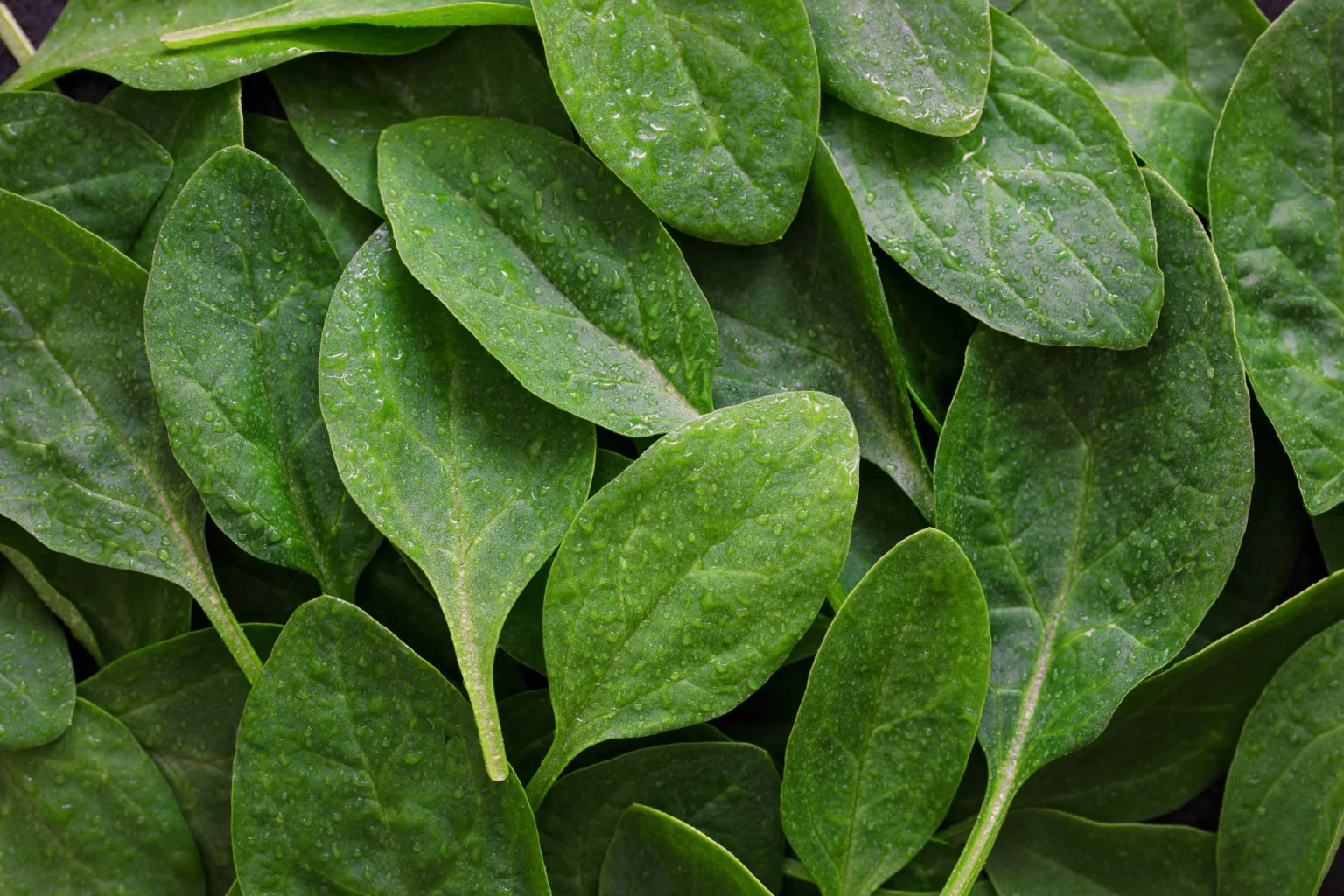
Sorrel is an edible-leaved plant in the Rumex genus; common sorrel is known as Rumex acetosa. In cooking, the leaves are the part most often used. They are green and distinctly tart, which makes them useful both as salad leaves and as a flavourful addition to soups, sauces and stews. Sorrel can be eaten raw, alone or mixed with milder leaves, and it can also be cooked until tender. Its acidity is more pronounced than that of many leafy vegetables, so a modest amount can make a noticeable difference to a dish. The strength of flavour may vary between leaves and products; taste a small piece before adjusting the rest of a recipe. Use leaves sold for food rather than unidentified wild plants.
When to use it
Choose sorrel when you want a noticeable, fresh, plant-based tang rather than relying entirely on lemon or vinegar for acidity. Raw leaves bring contrast to a salad, especially when combined with milder greens. Cooked sorrel can add character to soups, purées, stews and sauces, and it is also used alongside fish. Its flavour is assertive, so begin with a small quantity and taste before adding more. If a recipe mainly needs leafy bulk rather than a tangy note, spinach or chard can fill that role in some cooked dishes, although the result will taste different.
How to use it
Remove damaged leaves and rinse the ones you plan to use. Dry them gently for a raw preparation, and cut or tear them shortly before adding so they are not handled more than necessary. In salads, combine sorrel with lettuce, lamb’s lettuce or other mild greens to balance its tartness. You can also chop it into soup, a purée, a stew or a sauce; cook until tender and taste the dish before seasoning further. For a fresher finish and greener appearance, add some leaves near the end of cooking or serve them raw as a garnish. Sorrel contributes plenty of flavour on its own, so adjust other acidic ingredients gradually.
Flavour and texture
Sorrel has a distinct tart taste, often described as lemony or vinegary, with a green, leafy character. Eaten alone, the acidity can be striking; mixed with other greens, it provides a more restrained contrast. The leaves are delicate rather than especially crunchy, and cooking softens them. Heat also dulls their green colour, so raw leaves or leaves added at the end look fresher.
How to choose it
Look for fresh, green, intact leaves without yellowing, wilting or damaged patches. Sorrel is delicate and does not usually keep for long, so buy an amount you can use soon. If it is packaged, check the condition of the leaves and follow the storage information on the pack. Leaf size, colour and flavour strength can vary; taste one leaf before deciding how much to use in a recipe.
Storage
Keep fresh sorrel refrigerated and avoid compressing or crushing the leaves. They are delicate and can lose their freshness quickly, so use them promptly. Follow the package directions if the leaves are pre-packed, and remove any spoiled leaves before storing the rest. Rinse only the leaves you intend to use and dry them gently; storing them wet can make them wilt.
Substitutions
Spinach or chard can replace sorrel when a cooked dish needs leafy greens, as in a soup or stew. They do not reproduce sorrel’s characteristic acidity, so the finished dish will have a different flavour. These swaps are supported for cooked preparations, not as exact substitutes in every recipe. Adjust the amount to suit the quantity of greens needed and taste the dish before correcting its flavour.
Common mistakes
Adding too much sorrel can let its tartness dominate, so start with a small amount and taste. Another mistake is expecting the leaves to retain a vivid green colour through prolonged cooking: heat dulls the colour and softens the leaves. For a fresher appearance, serve sorrel raw or add it near the end. Avoid crushing the delicate leaves while washing, drying or storing them.
Safety and allergens
Use leaves sold for food, and do not eat wild plants unless you can identify them with confidence. If you have a food allergy, check product information and ask about ingredients or cross-contact where relevant.
Culinary uses
- A leafy green for salads and mixed leaves
- A tangy herb-like accent for soups, sauces and cooked dishes
Recommended techniques
- Use raw, washed and finely sliced in salads
- Cook in soups, stews or sauces until tender
- Add near the end of cooking when a fresher green color is wanted
Pairs well with
- Lettuce, lamb’s lettuce and rocket
- Fish
- Eggs and potatoes
- Carrots and raisins
Frequently asked questions
What does sorrel taste like?
It has a leafy, distinctly tart flavour, often described as lemony. Mixing it with milder greens makes that sharpness less dominant.
Can sorrel be eaten raw?
Yes. It is used in salads and can be combined with lettuce, lamb’s lettuce or other mild leaves to balance its flavour.
What can I use instead of sorrel?
Spinach or chard can provide leafy bulk in a soup or stew, but neither has sorrel’s characteristic tartness.
Ingredient allergens
Allergen listThere are no verified associations for these ingredients yet.
Sources and review
Automatically researched, cross-checked and validated content. Sources consulted:
- Alérgenos alimentarios | EFSA www.efsa.europa.eu/es/safe2eat/food-allergens
- ¿Por qué la muerte es origen de miedos y tabúes? doi.org/10.64628/aao.fccyk3qj3
- Verdura - Wikipedia, la enciclopedia libre es.wikipedia.org/wiki/Verdura
- Agencia Española de Seguridad Alimentaria y Nutrición www.aesan.gob.es/
- El universo de los sentidos: sabores, colores y olores del Nuevo Mundo | OpenAlex openalex.org/W2189936295
- Risk assessment of food allergens: part 1: review and validation of Codex alimentarius priority allergen list through risk assessment: meeting report www.who.int/publications/i/item/9789240042391
- Food allergens | Food Safety and Quality | FAO www.fao.org/food-safety/scientific-advice/food-allergens/en
- Food allergen labelling and information requirements technical guidance - GOV.UK www.gov.uk/government/publications/food-allergen-labelling-and-information-requirements-tech…
- Food Allergies: What You Need to Know | FDA www.fda.gov/food/buy-store-serve-safe-food/food-allergies-what-you-need-know
- Acedera ⋆ Larousse Cocina laroussecocina.mx/palabra/acedera-2/
- Acedera, descubre más sobre este vegetal | Bonduelle www.bonduelle.es/desde-1853/campo-hasta-plato/acedera/1374/1374
- Acedera comestible: sabor ácido a limón y usos en cocina www.alandagreens.com/acedera-comestible-guia/
- Qué es la acedera, a qué sabe y por qué no se consume en España | Mercado Calabajío www.mercadocalabajio.com/2024/06/que-es-la-acedera-que-sabe-y-por-que-no.html
- La acedera en la gastronomía [Uso y propiedades] www.boroa.com/acedera-una-planta-aromatica-en-la-cocina/
- Propiedades, usos y cómo reconocer y preparar la Acedera viajeaeden.es/habilidades/reconocer-plantas-silvestres-comestibles/acedera-rumex-acetosa/