- Category
- Bread and dough
- State
- Other
- Usual unit
- g
What it is
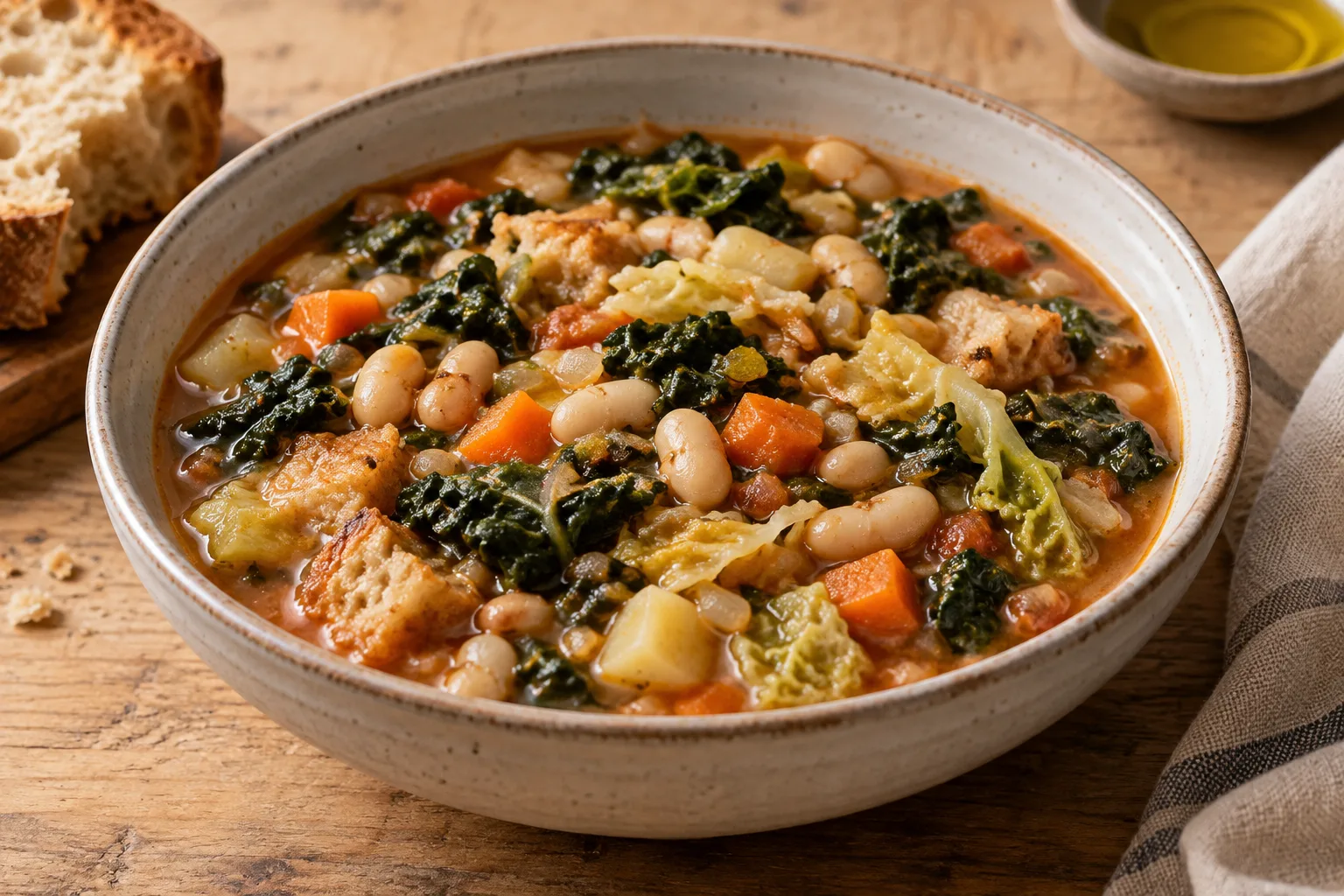
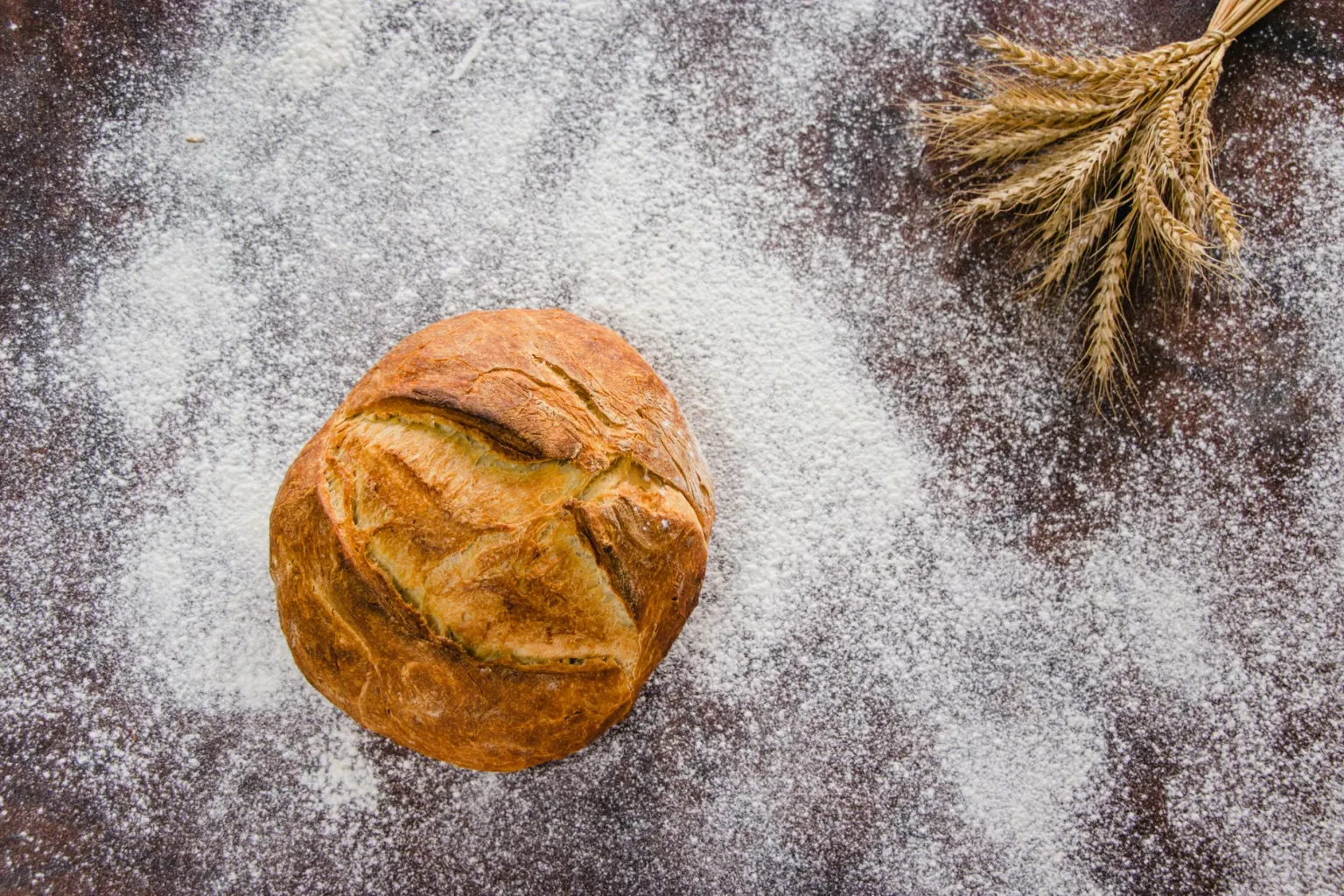
This is Tuscan bread that has lost some of its freshness and has a firmer crumb than a newly baked loaf. Traditional Tuscan bread is distinctive for being made without salt in the dough; it is described as having a crust that can be brittle and crisp, a soft crumb when fresh, and a light toasted-hazelnut aroma. Once stale, it is handy in dishes that make use of bread rather than serving it freshly baked. The degree of firmness depends on how much the loaf has dried, so check its texture before cutting or soaking it.
When to use it
Use it when a dish can make good use of firm bread pieces: for example, in panzanella, for bruschetta or fettunta, and in soups such as ribollita or tomato soup. It is also useful when you want the bread to absorb some of the liquid in a savory dish. Because traditional Tuscan bread is made without salt, taste the dish before adding salt and adjust the seasoning to suit the other ingredients.
How to use it
Cut or tear the bread to suit the dish. For a bread salad, combine the pieces with the moist ingredients and let them absorb liquid until they reach the texture you like; add liquid gradually if you want to keep some firmness. For bruschetta or fettunta, slice and toast the bread before adding toppings. You can also incorporate it into soups or stews where bread is part of the dish. Check the texture as you work, and season with the traditional unsalted character of Tuscan bread in mind.
Flavour and texture
Traditional Tuscan bread is described as very mild because it is made without salt, with a light toasted-hazelnut aroma. Its crust may be brittle and crisp, while the fresh crumb is soft. When stale, the crumb becomes firmer and can absorb liquid usefully in salads and soups; the result depends on how much the bread has dried.
How to choose it
If buying it already stale, choose a loaf that holds its shape and has the firmness you need for slicing or tearing. Check the label and ingredient list, especially if you need to avoid an allergen: products can differ in composition. Traditional Tuscan bread is characterized by having no salt, but do not assume every commercial version follows the same recipe.
Storage
Tuscan bread is described as retaining moisture in its crumb for a few days after baking, while stale bread can vary in firmness. Keep it where you can check its condition before using it, and choose a preparation to suit its texture: firm pieces work well soaked or added to soup, while slices can be toasted for bruschetta.
Substitutions
Other stale bread with a similar texture can work in dishes that use soaked or toasted bread. Flavor and salt levels may differ: traditional Tuscan bread is made without salt, so taste the dish and adjust the seasoning to suit the substitute and the other ingredients.
Common mistakes
Do not assume every stale loaf will behave the same way when soaked: firmness varies. Add liquid gradually and check the texture. Another common mistake is salting before tasting; traditional Tuscan bread contains no added salt, although recipes and commercial products can differ.
Safety and allergens
If you have a food allergy, check the ingredients and allergen information for the specific product before eating it. Recipes and labeling can vary between brands and preparations.
Culinary uses
- Base for bread salads and soups
- Crisp slices or pieces for bruschetta and crostini
Recommended techniques
- Tear or cut into pieces for soaking
- Toast or grill slices before topping
Pairs well with
- Tomato and olive oil
- Savory soups and richly flavored dishes
Frequently asked questions
Is traditional Tuscan bread made with salt?
It is characterized by dough made without salt. Check the label of the specific product, as versions can differ.
What can I make with stale Tuscan bread?
Use it for panzanella, bruschetta or fettunta, and in soups such as ribollita or tomato soup.
How can I substitute for stale Tuscan bread?
Try another stale bread with similar firmness and adjust the seasoning; the substitute may taste different or contain more salt.
Ingredient allergens
Allergen listThere are no verified associations for these ingredients yet.
Sources and review
Automatically researched, cross-checked and validated content. Sources consulted:
- Alérgenos alimentarios | EFSA www.efsa.europa.eu/es/safe2eat/food-allergens
- Client Challenge doi.org/10.2307/jj.27939689.16
- Agencia Española de Seguridad Alimentaria y Nutrición www.aesan.gob.es/
- Gazpacho - Wikipedia, la enciclopedia libre es.wikipedia.org/wiki/Gazpacho
- Allergies - Food Safety - European Commission food.ec.europa.eu/food-safety/campaign-2026/allergies_en
- Food Allergies | FDA www.fda.gov/food/nutrition-food-labeling-and-critical-foods/food-allergies
- Food allergens | Food Safety and Quality | FAO www.fao.org/food-safety/scientific-advice/food-allergens/en
- RISK ASSESSMENT OF FOOD ALLERGENS - IRIS iris.who.int/server/api/core/bitstreams/6c71a3db-88b8-4fcd-a807-f5220eb4fc34/content
- Allergen guidance for food businesses - GOV.UK www.gov.uk/government/publications/allergen-guidance-for-food-businesses/allergen-guidance-f…
- Pan Toscano - Gastronomía de Galicia gastronomiadegalicia.galiciamaxica.eu/pan-toscano/
- Los tipos de pan más reconocidos en la cocina italiana bresca.es/variedades-panes-italianos/
- Pan Toscano DOP | Visit Tuscany www.visittuscany.com/es/sabores/pan-toscano-dop/
- Tipos de pan italiano más populares lafamigliarestaurantes.com/blog/tipos-de-pan-italiano/
- - YouTube www.youtube.com/watch?v=YN7EfFs653c
- Pan toscano coningredientesecreto.blogspot.com/2017/06/pan-toscano.html
- Pan Toscano, nutrición y más | Uncategorized SomoSalvajes somosalvajes.com/pan-toscano-nutricion-y-mas/