- Category
- Baking
- State
- Powdered
- Usual unit
- teaspoon
What it is
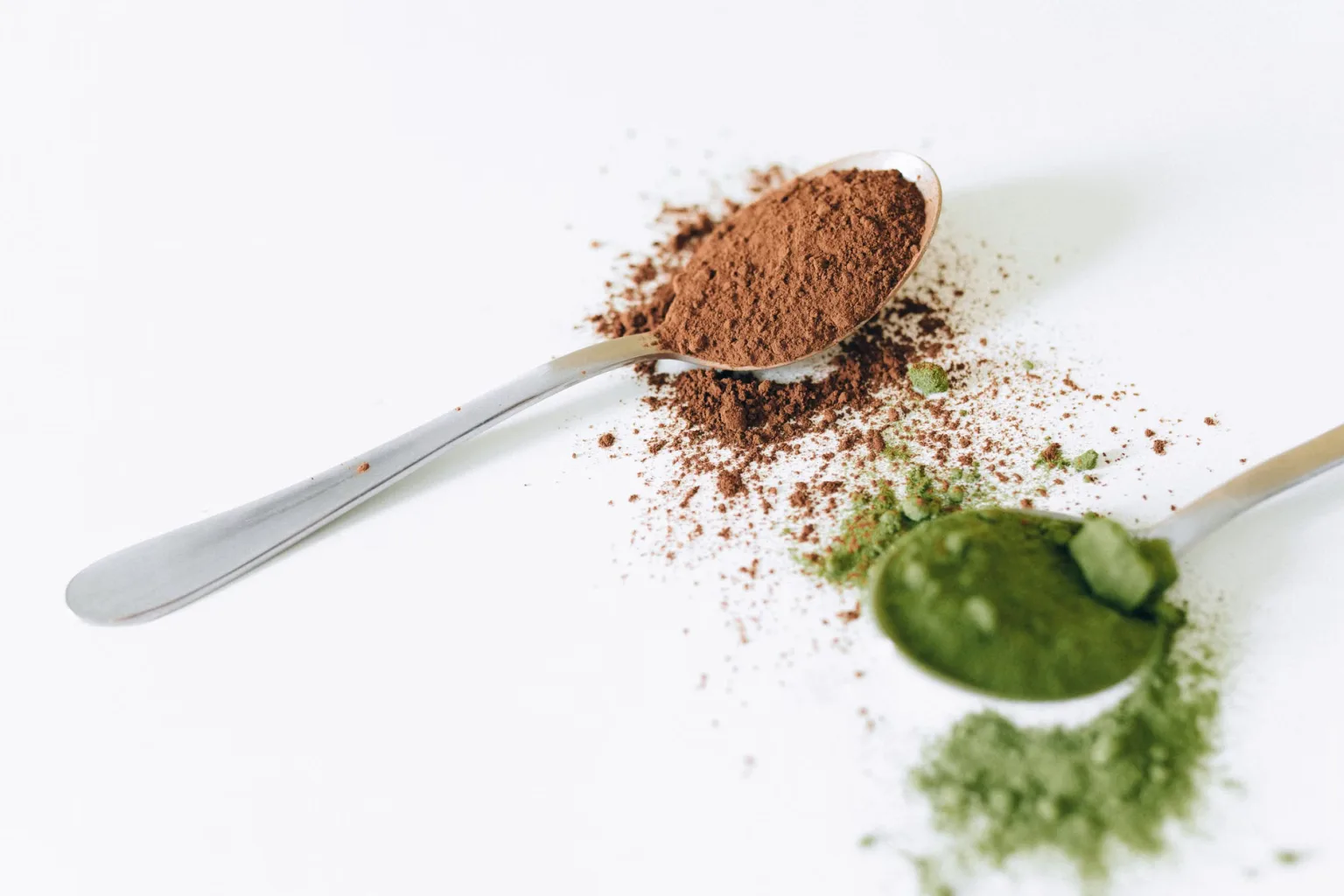
Unsweetened cocoa powder is a dry cocoa product with no sugar added as an ingredient. It is not necessarily the same as an instant cocoa drink mix, which may contain other ingredients. Cocoa powder is used to flavour and colour drinks, baked goods, creams and puddings. Products can differ in colour, acidity, flavour and fat content: natural cocoa is usually more acidic, while cocoa treated with alkali is generally darker and milder in flavour. Check the label and consider what the recipe calls for. “Unsweetened” does not by itself guarantee that every product marketed as cocoa is pure cocoa; read the ingredient list if you want a product without additions.
When to use it
Use it when you want cocoa flavour without the sweetness of a sweetened drink mix. It works in cakes, brownies, cookies, creams, puddings, drinks and porridge. It can also add a cocoa note to some savoury dishes when that flavour suits the recipe. Natural cocoa is more acidic and may suit recipes that specify baking soda; alkalised cocoa tends to be milder and darker. Do not automatically swap the two in a recipe: the cocoa type can affect flavour, colour and how the batter behaves.
How to use it
For baking, measure the powder as directed and combine it with the dry ingredients; sifting can help distribute it if it is lumpy. If a recipe specifies natural or alkalised cocoa, use that type where possible because they differ in acidity and flavour. For drinks, creams or porridge, first blend the cocoa with a small amount of liquid to make a smooth paste, then add the rest while stirring. Cocoa powder is not sweet, so sweeten the preparation separately if you want to. To dust a dessert, sift on a thin layer just before serving. In savoury dishes, start with a small amount so the cocoa note does not dominate. Melted chocolate and cocoa nibs are not direct replacements: they add fat or texture and behave differently.
Flavour and texture
The flavour is typically intense, roasted and bitter, without the sweetness of a hot-chocolate mix. Depending on the product, it may be more acidic or milder, and its colour can range from light brown to very dark. The powder is fine and dry, though it can clump if compacted or exposed to moisture. Stirred straight into liquid, it may float or form lumps; dispersing it first can make a smoother mixture. Fat content also affects the mouthfeel and how it blends into a preparation.
How to choose it
Read the ingredient list to distinguish unsweetened cocoa powder from an instant mix that may contain sugar, flavourings or other ingredients. Check whether the package identifies the cocoa as natural or alkalised, and choose according to the recipe and the flavour you prefer. Products vary in colour, acidity, texture and fat content, so a darker colour alone does not establish better quality. Check the label on the specific product, especially if you need to avoid an ingredient.
Storage
Keep cocoa powder tightly closed and protected from moisture, which can contribute to compacting and lumps. Follow the storage directions on the package, and use a dry spoon when serving it. Do not use powder that has become damp or has changed in a way that makes you doubt its condition. Avoid assuming a fixed shelf life; the date and instructions from the manufacturer are the appropriate guide.
Substitutions
Melted unsweetened chocolate can provide cocoa flavour, but it also contains more fat than cocoa powder and can change a recipe’s consistency; it is not an automatic replacement. Cocoa nibs add flavour and crunchy pieces, but they do not dissolve or give an evenly coloured result. Sweetened cocoa mix is not equivalent to unsweetened cocoa: it changes sweetness and may affect the recipe’s balance. Make substitutions only using a recipe that accounts for the change.
Common mistakes
Confusing unsweetened cocoa powder with an instant drink mix can change both sweetness and ingredients. Another mistake is swapping natural cocoa for alkalised cocoa without considering their different flavour, acidity and colour. Adding powder straight to liquid can leave lumps; first blend it with a little liquid or sift it with the dry ingredients. Do not expect cocoa powder to sweeten a recipe on its own.
Safety and allergens
Read the ingredient list and directions on the specific package, especially if you need to avoid an ingredient. Do not assume a cocoa mix and a plain cocoa powder product have the same composition.
Culinary uses
- Aporta sabor y color a masas, pasteles y galletas.
- Da carácter a bebidas, cremas, pudines y salsas.
Recommended techniques
- Tamizar o mezclar el polvo con los ingredientes secos para repartirlo en la masa.
- Dispersarlo primero en una pequeña cantidad de líquido para reducir los grumos en bebidas y cremas.
Pairs well with
- Leche o bebidas vegetales en bebidas y preparaciones cremosas.
- Avena, plátano, dátiles, canela o cardamomo en desayunos y postres.
Frequently asked questions
Is unsweetened cocoa powder the same as instant cocoa mix?
Not necessarily. An instant mix may contain sugar or other ingredients; check the ingredient list if you want cocoa without additions.
Can I swap natural cocoa for alkalised cocoa?
Not always directly. Natural cocoa is usually more acidic, while alkalised cocoa tends to be milder and darker. Follow the type specified in the recipe.
How can I prevent lumps in a drink?
Mix the powder with a small amount of liquid to make a smooth paste, then add the rest while stirring.
Ingredient allergens
Allergen listThere are no verified associations for these ingredients yet.
Sources and review
Automatically researched, cross-checked and validated content. Sources consulted:
- Client Challenge doi.org/10.2307/jj.27939689.16
- Gastronomía de Filipinas - Wikipedia, la enciclopedia libre es.wikipedia.org/wiki/Gastronom%C3%ADa_de_Filipinas
- Cacao: qué es, tipos y beneficios bonviveur.com/es/noticias/cacao
- Agencia Española de Seguridad Alimentaria y Nutrición www.aesan.gob.es/
- Análisis y comparativa del mejor cacao puro sin azúcar: opciones, calidad y usos en repostería doncaramelo.es/cacao-puro-sin-azucar/
- Alerta por un chocolate negro de varias marcas distribuido en diez Comunidades autónomas www.larazon.es/sociedad/20221207/avpqsrwzkva2hmbvwowcbcmozq.html
- Cacao: orígenes, variedades y los mejores ingredientes para disfrutar del chocolate aliciascake.es/cacao-origenes/
- Cacao en polvo, sin azúcar (¿crudo?, ¿orgánico?) | Fundación G+E www.diet-health.info/es/recetas/ingredientes/in/ur7257-cacao-en-polvo-sin-edulcorar
- Chocolate 100% cacao: qué es, a qué sabe y cómo tomarlo – Essenzo Cacao www.essenzocacao.com/blogs/news/chocolate-100-cacao-sin-azucar?srsltid=AYCX9vL8GjkBAEjymrH4B…
- Cacao natural, cacao nutritivo, cacao sin azúcar - Blog Natruly blog.natruly.com/es/cacao-natural-nutritivo-sin-azucar/
- Beneficios del cacao y cómo aprovecharlos - Nutriendo www.academianutricionydietetica.org/saber-comprar/beneficios-cacao/
- El Cacao tabasqueño: de los olmecas a nuestro tiempo | OpenAlex openalex.org/W4394741892
- Ideas de postres sin azúcar para hacer con cacao | Kina Chocolates kinachocolates.com/es/blog/ideas-de-postres-sin-azucar-para-hacer-con-cacao
- Alternativas al azúcar en el chocolate: ¿el mismo disfrute, sin azúcar convencional? - Bio Eco Actual www.bioecoactual.com/2026/10/07/alternativas-chocolate-sin-azucar-convencional/
- Cómo leer (e interpretar) las etiquetas del chocolate sin... www.sportlife.es/nutricion/como-leer-interpretar-etiquetas-chocolate-sin-azucar_289762_102.h…