- Category
- Drinks
- State
- Liquid
- Usual unit
- ml
What it is
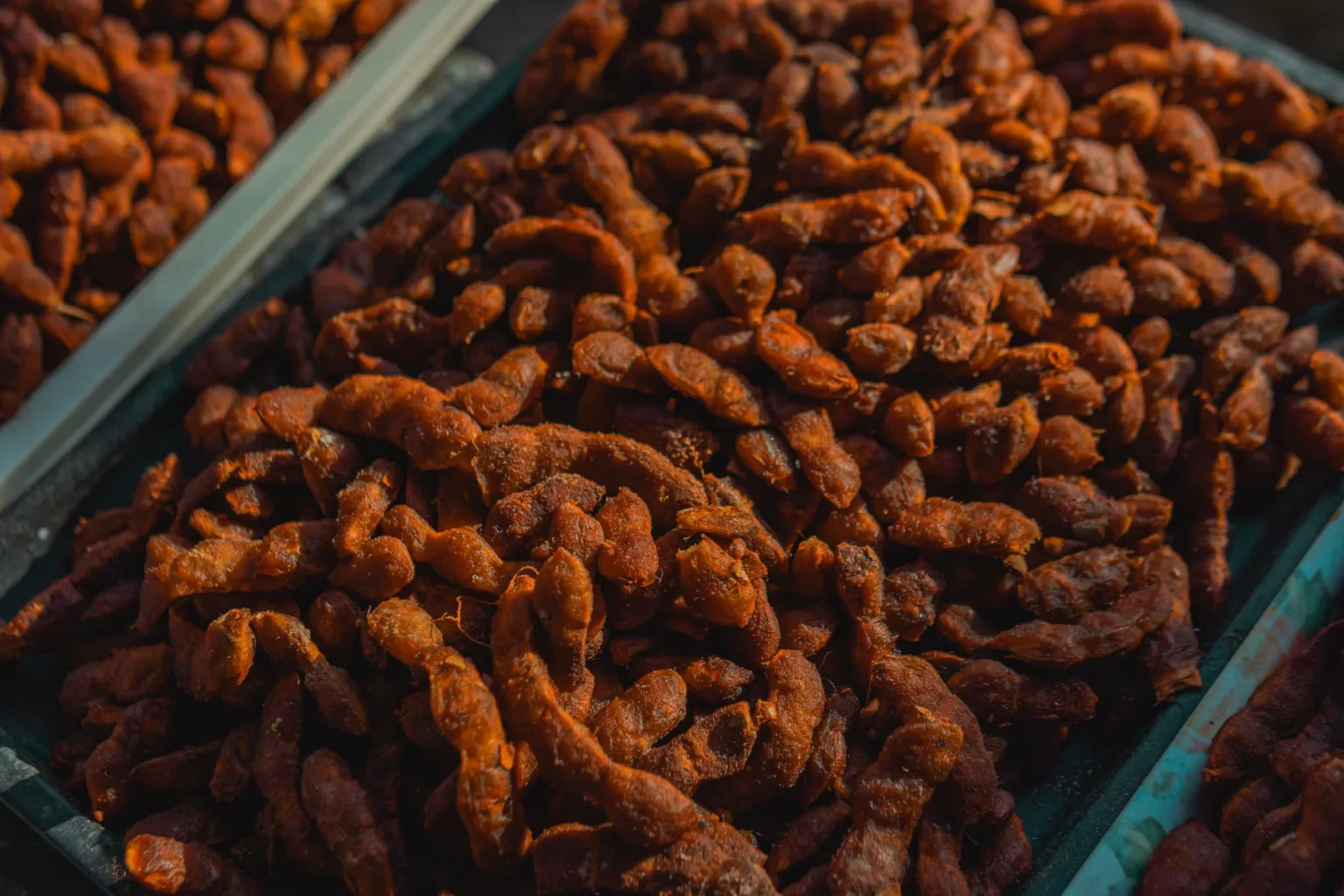
In this profile, “water for tamarind” means water added when preparing tamarind pulp or fruit; it is not a ready-made tamarind drink. Water can help dissolve the pulp, draw out its flavor or form the liquid base of a drink. Some preparations use warm water to loosen the pulp and then strain the liquid; other recipes simmer tamarind in water and use the resulting cooking liquid. The amount and method depend on the recipe and the form of tamarind. Water can also be part of cooked punch made with fruit and spices.
When to use it
Use it when a preparation calls for hydrating, dissolving or extracting flavor from tamarind pulp, or when making a drink based on water and tamarind. It can also be used in cooked punch with fruit and spices. There is no universal ratio: the right amount depends on the concentration of the pulp and how pronounced you want the result to be. Adding water gradually makes it easier to adjust the mixture while keeping tamarind at the forefront.
How to use it
For a simple preparation, add warm water to tamarind pulp to help dissolve it, then strain the liquid if the recipe calls for it. Another documented method is to simmer cleaned tamarind fruit in water, strain the cooking liquid, and remove the seeds from the pulp before blending or mixing it back in. For a drink, add water gradually until the intensity suits you; sugar or another sweetener is optional and can be adjusted to taste. For punch, water is cooked with tamarind and other ingredients such as guava, sugar cane, tejocote and cinnamon. Follow the chosen recipe’s method: these approaches are not interchangeable in every preparation.
Flavour and texture
Water on its own has a neutral profile; the flavor of the finished mixture comes from the tamarind dissolved or simmered in it. Tamarind pulp contributes tartness and a little sweetness, so a more concentrated mixture can taste more intense. Straining produces a more uniform liquid, while keeping some blended pulp can give it more body. Water does not replace tamarind’s distinctive character; it distributes and moderates it.
How to choose it
Water is generally taken from a tap or bottle; the evidence provided does not identify a special variety for this use. Choose drinking water that tastes pleasant and measure it in millilitres if you need to repeat a recipe. Tamarind pulp may be sold in pods, blocks or paste, and those forms can call for different preparation steps before the water is added.
Storage
This profile covers water as an ingredient, not a finished mixed drink. Keep water according to its packaging instructions or the usual practices for your supply. Once combined with tamarind or other ingredients, the mixture is no longer plain water: follow the storage directions for the specific recipe. The available evidence does not establish one general storage period for all tamarind drinks.
Substitutions
No direct substitute for water is documented for these preparations. You can use tamarind cooking liquid to continue diluting a mixture, or add drinking water gradually to adjust a drink that is too intense. These are uses of water at different stages, not ingredients with equivalent flavor. Do not assume another liquid will produce the same result.
Common mistakes
Avoid adding all the water at once if you do not yet know how concentrated the pulp is: the final intensity depends on the proportion of the two ingredients. Do not mistake tamarind cooking liquid, which may already carry tamarind flavor, for neutral water. If the recipe says to strain the pulp, skipping that step may leave a less uniform texture.
Safety and allergens
Use drinking water and clean utensils. For a prepared drink, follow the recipe’s storage directions; no specific official safety guidance for tamarind water is included in the available evidence.
Culinary uses
- Disolvente para pulpa de tamarindo
- Base líquida para bebidas de tamarindo
Recommended techniques
- Diluir la pulpa en agua templada y colar el líquido
- Cocer la pulpa de tamarindo en agua y reservar el líquido de cocción
Pairs well with
- Pulpa de tamarindo
- Guayaba, caña de azúcar, tejocote y canela en ponche
Frequently asked questions
Is water for tamarind a drink by itself?
Not necessarily. Here it means water used to dissolve, extract or cook tamarind; it becomes a drink only when combined as part of a preparation.
Should I use warm water or simmer the tamarind?
Both methods appear in the available recipes: one dissolves pulp with warm water, while another simmers the fruit in water. Choose according to the recipe and the form of tamarind.
Can I adjust the amount of water?
Yes. Adding water gradually lets you adjust a drink’s intensity, since the sources describe preparations using different proportions and forms of tamarind.
Sources and review
Automatically researched, cross-checked and validated content. Sources consulted:
- Client Challenge doi.org
- Tamarindo. Qué es, propiedades y cómo usarlo en la cocina para dar un toque exótico abc.es
- Tamarindo: mucho más que chutneys | CocinaSinReceta.com cocinasinreceta.com
- Determining How Traditional Knowledge of Lacandon ... experts.esf.edu
- Ponche de Navidad 19- (Christmas Punch) - lacocina.utsa.edu
- Azahares 2024 uafs.edu
- Agua de tamarindo mundonipon.com
- Events at UC Berkeley events.berkeley.edu
- ASSESSING FISHERIES DEPENDENCE OF COASTAL ... digitalcommons.uri.edu
- Sistemas de Información Geográfica lincolninst.edu
- - YouTube youtube.com
- AGUA DE TAMARINDO | Entre Fogones y Artilugios entrefogonesyartilugiosvarios.blogspot.com