- Category
- Fish and seafood
- State
- Fresh
- Usual unit
- g
What it is
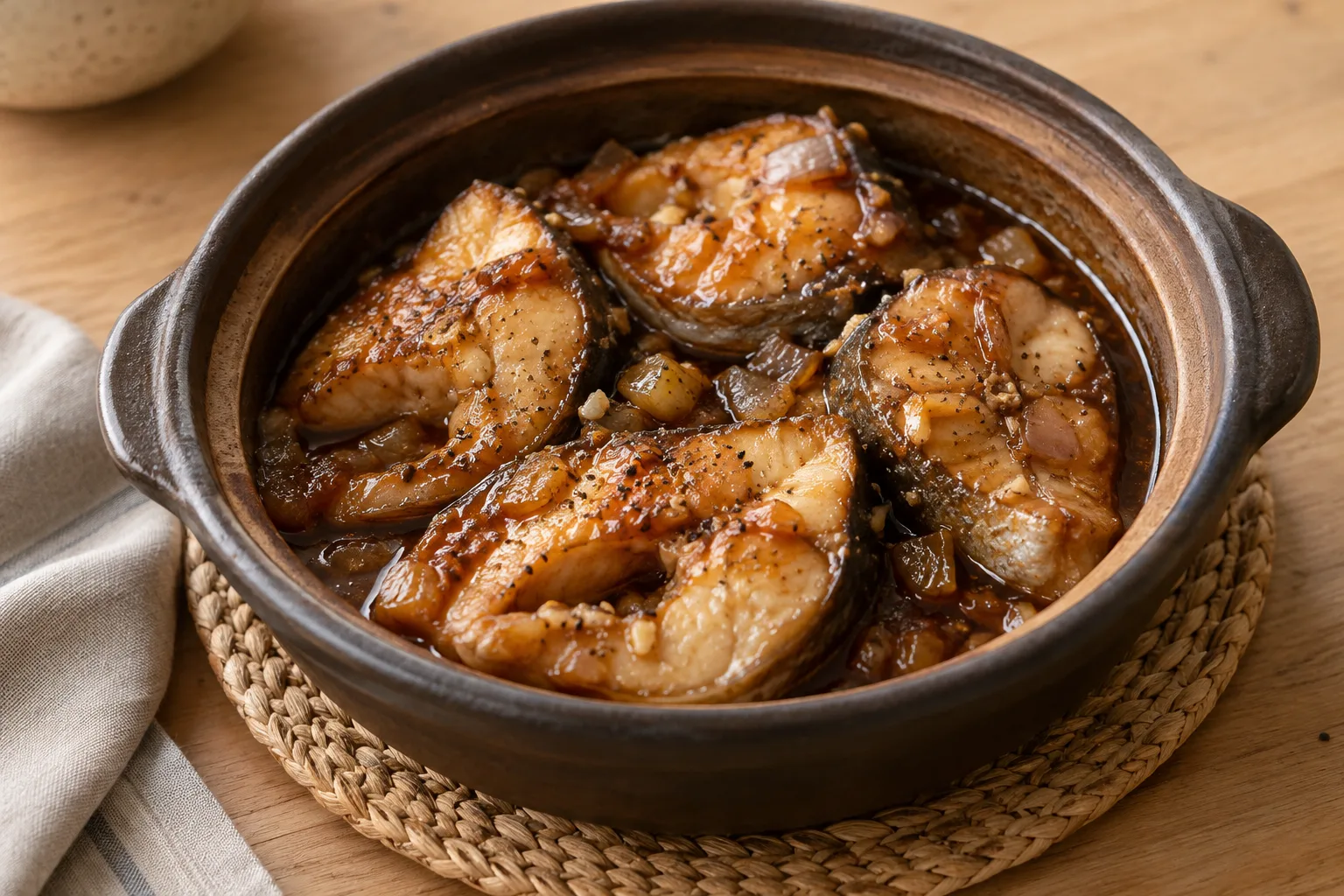
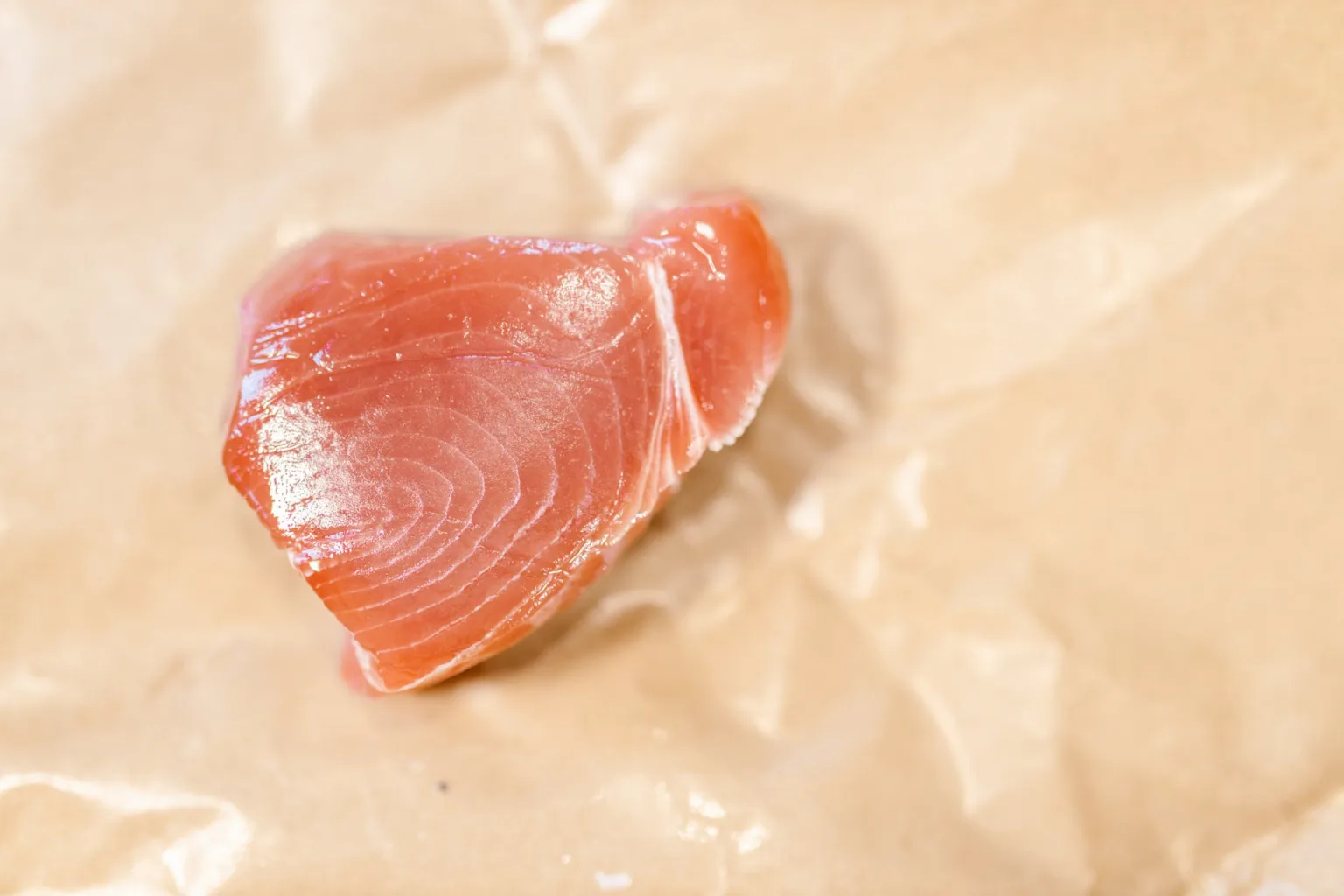
“White fish, cut into pieces” does not name one particular species. It describes pale-fleshed fish that has been cut into portions and may come from several different species. Cod, haddock, hake, halibut, plaice and sole are among the fish commonly grouped in this culinary category. As a result, the pieces can differ in firmness, moisture, flavor and size. “Cut into pieces” describes the cut, not a preservation method or a specific species. Check the product name or the seller’s information to identify exactly which fish you are buying.
When to use it
Choose this format when you want portionable pieces of fish or need pieces that can be served separately in a dish. It can be used for main courses, soups and stews, as well as battered or fried fish preparations. Since the category includes different species, consider the firmness and thickness of the pieces: these can affect the result and how well they suit a recipe. If a recipe calls for a particular species, do not assume that every white fish will produce exactly the same texture.
How to use it
First identify the species you bought and check any storage or use instructions supplied with the product. Select a preparation suited to that species and the thickness of the pieces. Options include cooking in a pan, grilling, frying or battering, and baking. Pair the fish with lemon, dill, rosemary, capers, pickles, cream or white wine. Follow the method for your chosen recipe and use its guidance to judge doneness, because “white fish” covers products with different characteristics. Keep the fish refrigerated according to its label until you are ready to use it.
Flavour and texture
White fish is generally pale-fleshed and subtly flavored, but there is no single texture shared by every piece. Some species are delicate or flaky; others have firmer or meatier flesh. Species, cut and thickness all contribute to these differences. Citrus and aromatic herbs can complement the fish without overwhelming its mild flavor.
How to choose it
Look for the species name on the label, display sign or information provided by the seller; “white fish” can refer to different species. Check that the product is being sold as fresh and that the pieces suit your recipe. If you need details about origin, handling or specific use instructions, consult the available product information or ask the seller. Do not infer the species from the cut alone.
Storage
Follow the storage instructions and date shown on the package or provided by the seller. Official guidance for fresh fishery products says they are kept refrigerated at a temperature approaching that of melting ice during distribution. At home, keep the fish refrigerated and avoid leaving it at room temperature while preparing other ingredients. The available evidence does not support one universal storage duration for every species and presentation.
Substitutions
Cod, hake, haddock, plaice or sole may be considered as alternatives within the white-fish category. They are not identical substitutes: firmness, thickness and texture vary by species. Choose according to the preparation and shape of the pieces, and check the recipe if it specifies a particular fish.
Common mistakes
Treating “white fish” as the name of one species can create false expectations about firmness and texture. Do not overlook the product’s specific species name or storage instructions. Another mistake is choosing a substitute by color alone; also compare the cut and the characteristics required by the recipe.
Safety and allergens
Fish is an allergen to consider. Check the product’s allergen information and storage and use instructions; keep fresh fish refrigerated as directed and do not keep it beyond the applicable date.
Culinary uses
- Plato principal
- Ingrediente para sopas y guisos
- Relleno o componente de preparaciones rebozadas
Recommended techniques
- Cocción a la sartén
- A la parrilla
- Frito o rebozado
- Al horno
Pairs well with
- Limón y otros cítricos
- Eneldo o romero
- Alcaparras y pepinillos
- Nata o vino blanco
Frequently asked questions
Is white fish in pieces a specific species?
No. It describes a culinary category and a cut. It may refer to different species, so check the product’s specific name.
Which fish can I use as an alternative?
Cod, hake, haddock, plaice and sole are examples of white fish. Their textures are not identical, so choose according to the recipe.
How should I store it?
Follow the package or seller’s instructions and keep it refrigerated. There is no universal storage duration for every species and product format.
Sources and review
Automatically researched, cross-checked and validated content. Sources consulted:
- En el etiquetado alimentario hay algunas menciones que son obligatorias eletiquetadocuentamucho.aesan.gob.es
- Romanica Olomucensia : «¿Qué pinga es esto?». Usos disfemísticos en el español de Cuba doi.org
- The Essential Glossary of Cooking Terms for the Culinary Arts - Escoffier escoffier.edu
- A PROGRAM FOR extension.usu.edu
- educational content to support healthful lifestyle practices sjsu.edu
- Supervivencia Básica: Alimentos | Servicio de Extensión de OSU extension.oregonstate.edu
- Second Edition - cns cns.ucdavis.edu
- Pescado blanco: tipos y cómo cocinarlos | Fine Dining Lovers finedininglovers.es
- COMPRENDIENDO EL ETIQUETADO PLAN CUÍDATE+ plancuidatemas.aesan.gob.es
- Productos de la pesca aesan.gob.es
- TOL - Formulario de búsqueda tol-alim.aesan.gob.es
- Quédate en casa y cocina: Menú semanal (jueves) cordonbleu.edu