- Category
- Vegetables
- State
- Fresh
- Usual unit
- unit
What it is
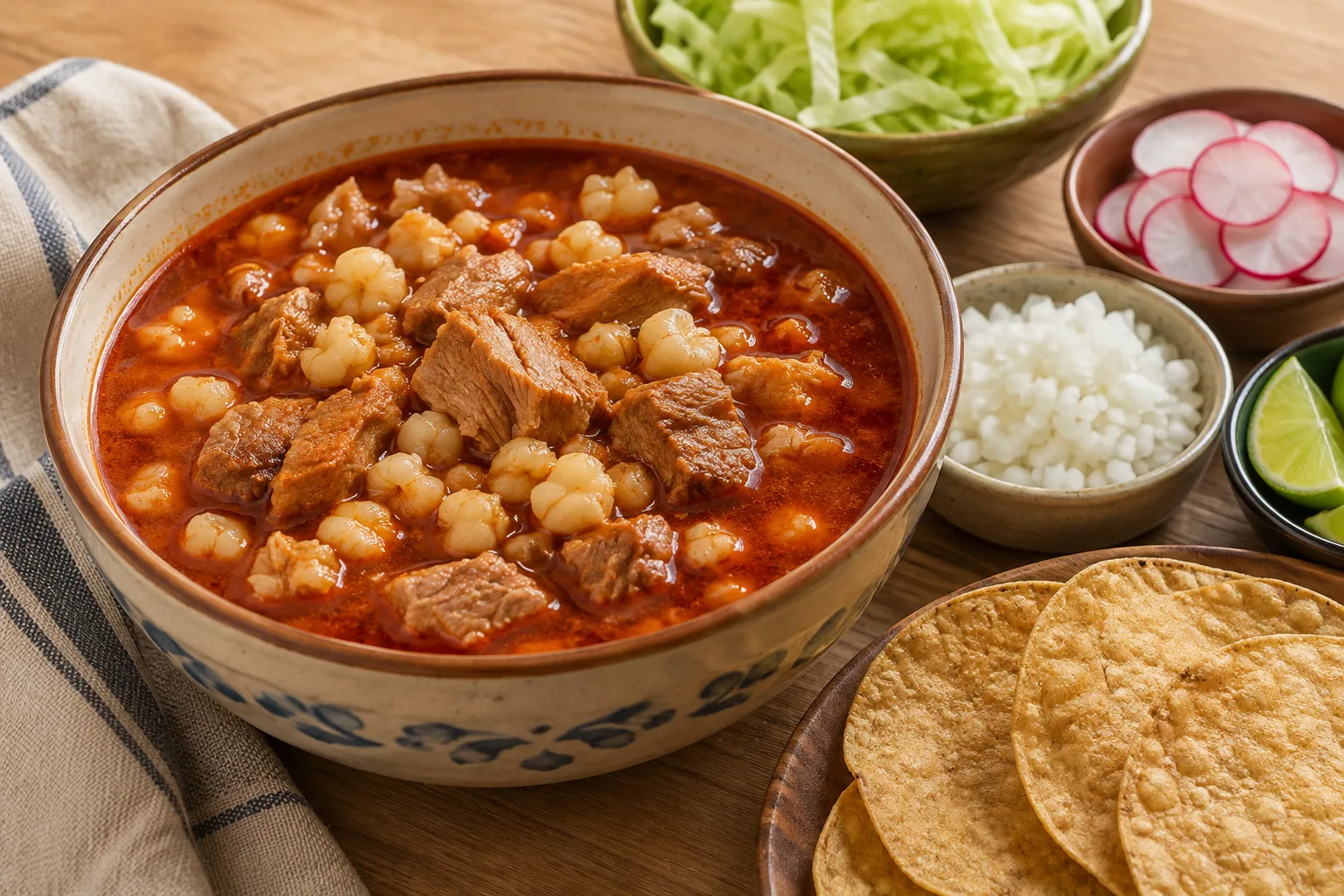
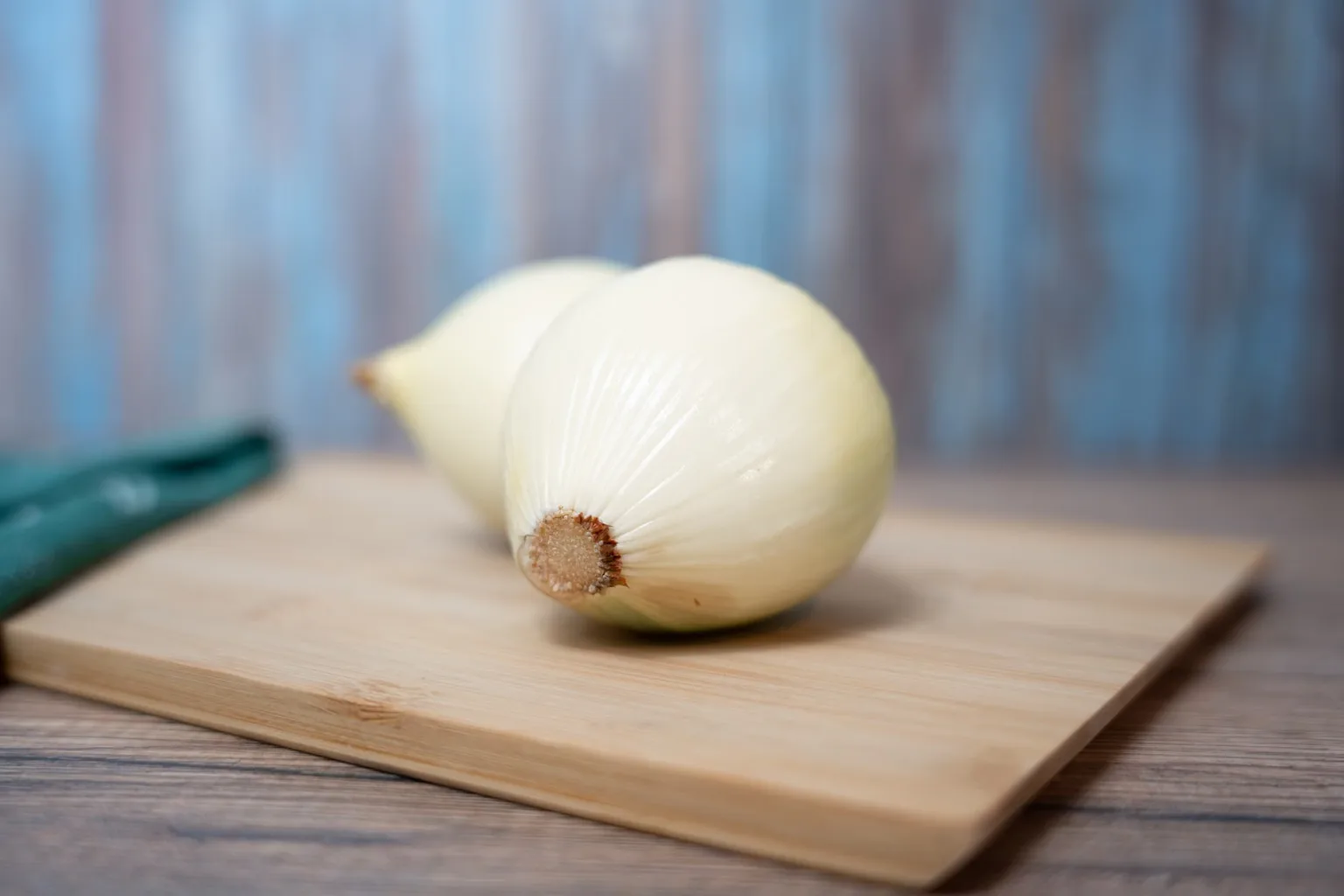
White onion for serving is a fresh, white-bulbed onion used as a visible ingredient or finishing touch rather than always cooked until it blends into a dish. Its crisp texture and flavor, which may be pungent or sharp, are useful when a fresh dish needs contrast. White onions do not all taste alike: pungency and sweetness vary among varieties. You can slice or dice one and serve it raw, or cook it briefly when you want to retain some of its presence. White color alone does not identify a particular sweet variety or guarantee a mild flavor.
When to use it
Use white onion raw when you want its flavor and texture to remain noticeable in a salad, fresh salsa, or garnish for a finished dish. Thin slices distribute easily and keep a crisp bite; small dice work well in preparations such as pico de gallo. It can also accompany fajitas or egg dishes, or go into a quick-cooked dish when you want onion flavor without a long cooking time. For a cooked base that develops a softer, deeper flavor over prolonged cooking, a yellow onion may be a better fit.
How to use it
Remove the outer skin and cut the onion into thin slices or small dice to suit the dish. Add it just before serving to retain its crisp texture, or mix it into a salad or fresh salsa. If the raw flavor seems too sharp, soak the cut onion in cold water, then drain it well before use; soaking may temper its intensity. You can also cook it briefly in a quick preparation. For a softer, sweeter result after cooking, choose an onion suited to cooking, since varieties and their results are not identical.
Flavour and texture
White onion is often crisp and juicy when served raw, with a fresh flavor that can be sharp or pungent. Intensity varies by variety, so the word “white” does not guarantee a mild or sweet profile. Thin cutting helps distribute its bite and flavor among the other ingredients.
How to choose it
Choose onions that look fresh and show no visible deterioration. A white color alone does not indicate a particular level of sweetness or pungency; white onion varieties differ. If you plan to serve it raw, allow for a noticeable flavor and choose the cut or soaking approach to suit the dish.
Storage
White onions keep less well than some common onions with drier skins. Store whole onions in a cool, dry place. Once cut, refrigerate the onion in a covered container and use it soon; its texture and aroma can change during storage.
Substitutions
For a raw preparation, red onion can replace white onion when its color and flavor suit the dish; it may taste somewhat more intense. Yellow onion is an option in cooked dishes, although its flavor and texture will differ. Adjust the cut and amount to taste rather than assuming every variety behaves the same way.
Common mistakes
Do not assume every white onion is sweet or mild: pungency varies among varieties. For raw serving, very thick slices may make the onion dominate each bite. If you soak cut onion, drain it well so it does not add excess water to the dish.
Safety and allergens
If serving onion as part of a prepared or packaged product, check the ingredient and allergen information for that specific product. This profile has no supported allergen finding for fresh white onion on its own.
Culinary uses
- Fresh, crisp finishing garnish
- Raw ingredient in salads, salsas and cold dishes
- A quick-cooking aromatic in sautés and other dishes
Recommended techniques
- Slice or dice finely for serving raw
- Soak cut onion in cold water to soften its sharpness
- Cook briefly when a fresh onion flavor is wanted
Pairs well with
- Tomato and fresh salads
- Pico de gallo, guacamole and ceviche
- Fajitas and egg dishes
Frequently asked questions
How can I serve white onion raw?
Slice or dice it finely and add it to salads, fresh salsas, or a dish as a garnish just before serving.
How can I temper its sharpness?
Try soaking the cut onion in cold water, then drain it well before adding it to the dish. Intensity varies from onion to onion.
Can I use red onion instead?
Yes, especially in raw preparations. Keep in mind that it adds color and may have a somewhat more pronounced flavor.
Ingredient allergens
Allergen listThere are no verified associations for these ingredients yet.
Sources and review
Automatically researched, cross-checked and validated content. Sources consulted:
- Alérgenos alimentarios | EFSA www.efsa.europa.eu/es/safe2eat/food-allergens
- Client Challenge doi.org/10.2307/j.ctvndv9t9.22
- Los japonesismos culinarios | OpenAlex openalex.org/W2906636610
- Conoce 15 tipos de cebolla y sus usos en la cocina - Mejor con Salud mejorconsalud.as.com/dieta/organicos-transgenicos/tipos-de-cebolla-y-usos-en-cocina/
- La cebolla, ese humilde ingrediente tan fundamental | Gastronosfera www.gastronosfera.com/tendencias/la-cebolla-ese-humilde-ingrediente-tan-fundamental
- ¿Amarilla, blanca, roja o Vidalia? Para qué sirve cada tipo de cebolla www.directoalpaladar.com/ingredientes-y-alimentos/amarilla-blanca-roja-o-vidalia-para-que-si…
- Agencia Española de Seguridad Alimentaria y Nutrición www.aesan.gob.es/
- La cebolla, la base de la gastronomía española - Enrique Romay eromay.com/la-cebolla-la-base-de-la-gastronomia-espanola/
- La tribu de las cebollas apuntococina.com/la-tribu-de-las-cebollas/
- Cebolla blanca, morada o amarilla: cuál es la diferencia y cuál conviene usar en cada receta recetas.elperiodico.com/articulo-cebolla-blanca-morada-o-amarilla-cual-es-la-diferencia-y-cu…
- Coriandrum sativum - Wikipedia, la enciclopedia libre es.wikipedia.org/wiki/Coriandrum_sativum
- Food Allergies | FDA www.fda.gov/food/nutrition-food-labeling-and-critical-foods/food-allergies
- Allergen guidance for food businesses - GOV.UK www.gov.uk/government/publications/allergen-guidance-for-food-businesses/allergen-guidance-f…
- Cebollas: variedades y cuál utilizar en cada receta | masymas supermercados www.supermasymas.com/blog/cebollas-variedades-y-cual-utilizar-en-cada-receta/
- - YouTube www.youtube.com/watch?v=NzgwAleDmSE