Documentary synthesis prepared with AI assistance. It does not replace specialist review or certify kitchen testing. · Updated 31 October 2026
Landscapes and foodways
Côte d’Ivoire stretches from the Gulf of Guinea coast toward northern savanna landscapes. Its cooking is not a single national menu: ingredients, staple preparations, and sauces differ among communities and households. A useful way to read this variety is to look at how a substantial base is paired with a sauce, stew, fish, or meat. The base may be grainy, as with cassava attiéké, or dense and elastic, as with pounded foutou; the accompanying sauce brings its own vegetables, seeds, fish, or meat.
The dishes in this atlas are examples, not an exhaustive inventory. Attiéké has a particularly strong association with lagoon communities in the south, while tôh or kabato is linked especially to the north. Both are now encountered beyond their regional associations. Such circulation makes dishes familiar across the country without making every local practice identical or erasing the communities connected with them.
Exchange, continuity, and changing meals
The available culinary record points to exchange and adaptation rather than a single origin story for Ivorian cooking. Several named staples have regional associations, while their wider consumption shows how food practices move between places. Attiéké, for example, is described as a southern and lagoon-community specialty that became widely eaten elsewhere. Tôh has parallels in neighbouring West African countries; that shared presence is a reminder to describe connected traditions without assigning exclusive invention.
A more specific account of change concerns garba in Abidjan. Its spread into eating habits is placed in the 1970s and connected with the sale of tuna that had previously been discarded at the port. Attiéké served with fried tuna, onion, and chilli became a recognizable street meal. This example links a local food combination to urban trade and everyday convenience. It is a documented history of one dish, not a timeline for the whole national cuisine.
Cassava, plantain, grains, and sauce ingredients
Cassava can be transformed into markedly different foods. Fermented cassava pulp is steamed as the grain-like attiéké, or cooked into placali, a smooth, soft paste with a mild tang. Foutou follows another route: cooked tubers are pounded into a compact, elastic mass. It may be made from yam, or from green plantain and cassava. These bases are not interchangeable simply because they may share a sauce.
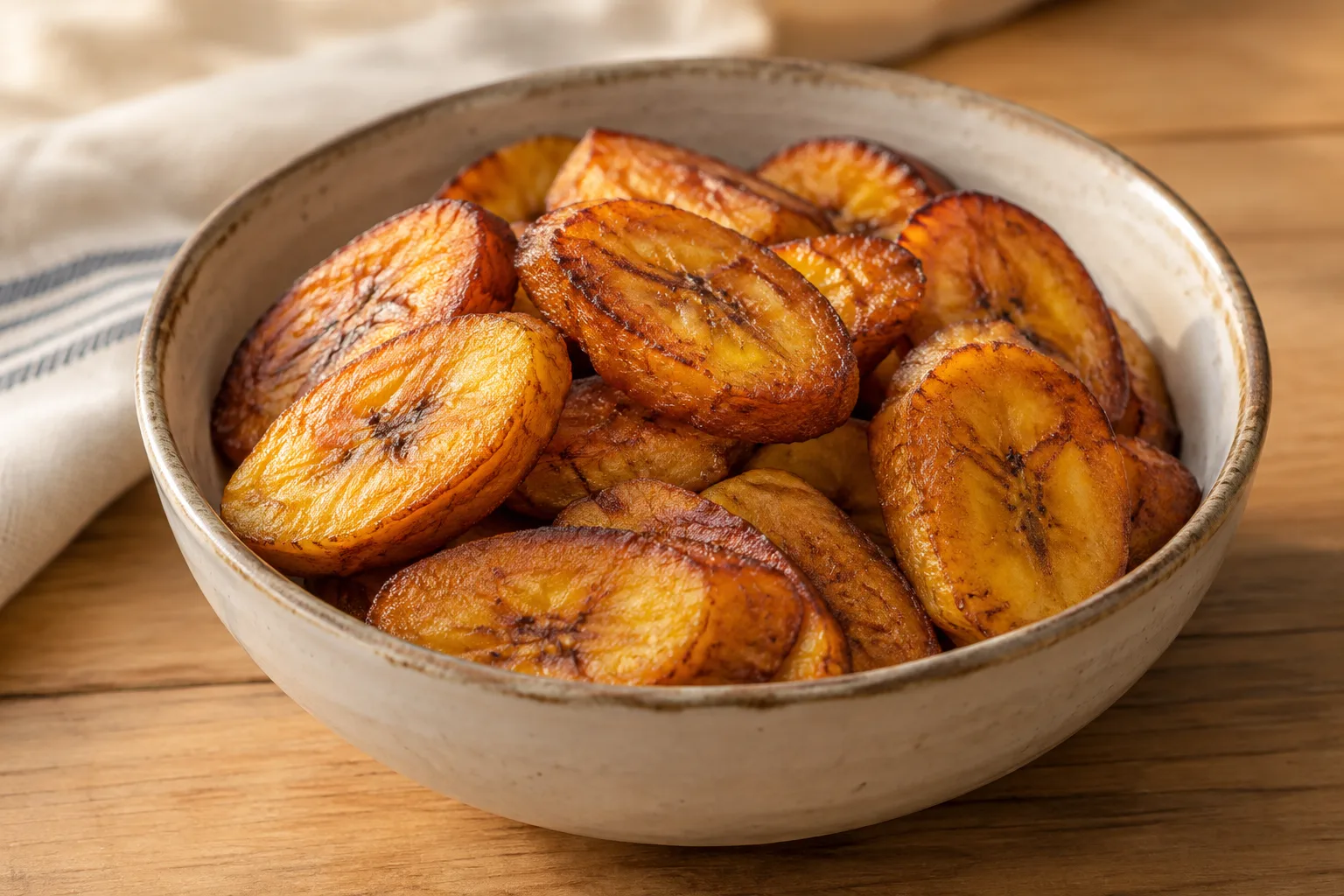
Ripe plantain is sliced and fried for alloco; green plantain can instead contribute to a pounded staple. In northern tôh, cereal flour—especially maize, with versions also described using sorghum, millet, or rice—is cooked into a thick paste. Sauces draw on a varied pantry: palm nuts, groundnuts, okra, eggplant, and other vegetables. Fish and meat may be cooked into sauces or served alongside them. These ingredients and combinations are documented possibilities, not a fixed recipe shared by every region.
Tang, richness, and contrasting textures
Texture is central to the character of many dishes. Attiéké has small, separate grains made from fermented cassava pulp; placali is soft and cohesive, with a slight sourness; foutou is dense and elastic after pounding. Tôh is a thick cereal paste, relatively plain beside the sauces it accompanies. These differences help explain why staple foods are paired thoughtfully with preparations that supply moisture and seasoning.
Sauces range from palm-nut preparations, described as thick and fragrant, to vegetable-based versions featuring okra or eggplant. Groundnut sauce offers another kind of richness. Tomato, onion, and ginger contribute to kedjénou’s juices as they cook with poultry. Chilli can bring heat to dishes such as garba, but it is not a defining level of heat for every Ivorian meal. Alloco adds a different contrast: ripe plantain becomes browned and tender through frying. The resulting table balances mild or earthy bases with sauces that may be aromatic, tangy, or rich.
Everyday food and marked occasions
The documented occasions for particular foods are varied rather than uniform across the country. Tôh or kabato is eaten in everyday settings in the north and is also associated with weddings, funerals, and birth ceremonies. N’tro, a preparation described as combining fresh okra and eggplant, is popular in some parts of the south and linked especially with festivities. These examples show that food may move between ordinary meals and significant gatherings, while customs remain local rather than forming one nationwide ritual.
Learning also happens through repeated household and community practice: recognizing how a staple is made, which sauce goes with it, and how ingredients are used in a particular place. The maquis, a small restaurant often set outdoors, is another setting for shared food. Grilled chicken or fish may be served with onion, tomato, and attiéké. Street stalls offer a different everyday repertoire, including garba and alloco. A dish can travel widely while retaining an association with the communities or places that shaped its reputation.
Fermentation, pounding, extraction, and covered cooking
Preparation methods create the distinctions between staples. Attiéké begins with fermented cassava pulp, which is made into a semolina-like form and steamed. Placali also uses fermented cassava, but it is cooked while being worked into a smooth paste. Foutou is made by boiling tubers and pounding them; it is not fermented. These processes yield different textures even when the foods accompany similar sauces.
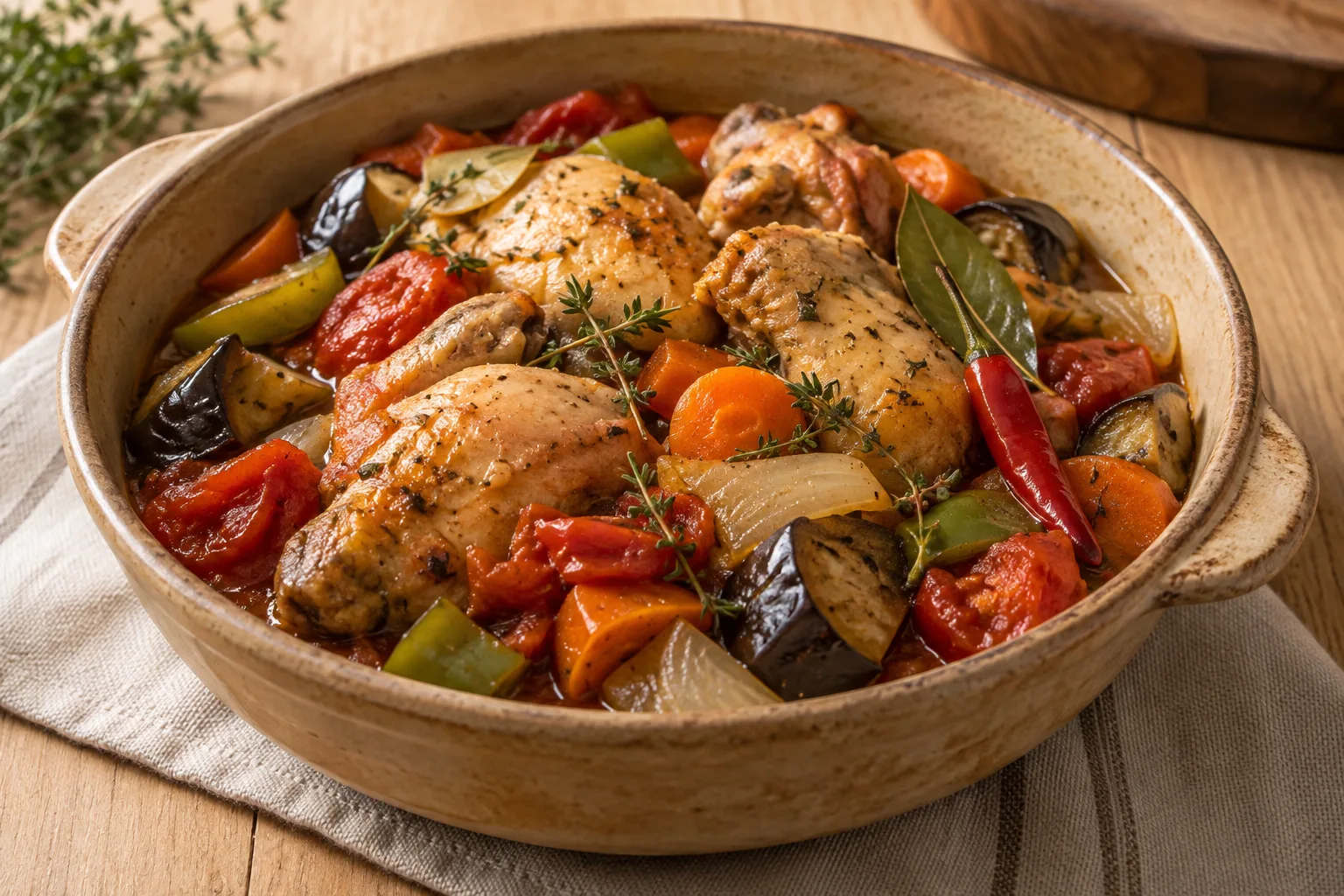
Kedjénou is a covered, slow-cooked poultry stew. Its traditional vessel is a clay pot called a canari. Chicken or guinea fowl cooks with vegetables and seasonings, generally without added water, as the ingredients release moisture. The covered pot is shaken during cooking to help prevent sticking and move the juices through the contents. Another distinct process produces palm-nut sauce: cooked nuts are pounded, then the pulp is separated from the fibres to form a sauce base. Alloco relies on frying sliced ripe plantain. Each method transforms its ingredients in a different way.
Staples, sauces, and places to eat
A meal may centre on a staple served with a sauce or stew, with fish or meat included according to the preparation. Foutou is paired with palm-nut, groundnut, or okra sauces; placali can accompany vegetable sauces, fish, or meat. Northern tôh is served with sauces made with vegetables, tomato, or okra. In these combinations, the staple provides a substantial base while the sauce contributes moisture and much of the dish’s seasoning.
Attiéké is served with fish and sauces, and in Abidjan it forms the base of garba with fried tuna, onion, and chilli. Kedjénou is often paired with attiéké, though other accompaniments are also used. Alloco may be a snack or a side dish alongside fish or meat. At maquis, grilled fish and chicken are among the offerings. The KitchenPause recipe collection includes Alloco (fried plantain) and Chicken kedjenou. Garba, attiéké, tôh, and placali are included here as cultural context, not as recipes in that collection.
A glossary of foods and terms
These terms identify specific foods, preparations, or eating places. Some names cover variations, and regional associations should not be taken as evidence that a dish belongs exclusively to one community.
- Attiéké: Steamed, grain-like cassava pulp that has been fermented. It is associated especially with lagoon communities in southern Côte d’Ivoire and may be served with fish or sauce.
- Foutou: A dense, elastic paste made by pounding cooked tubers, such as yam or green plantain with cassava. It is not fermented.
- Placali: A soft, smooth cassava paste made from fermented pulp and cooked to a slightly tangy finish.
- Tôh or kabato: A thick cereal-flour paste linked especially to the north; maize is used, with versions made from other grains also described.
- Kedjénou: A covered, slow-cooked stew, commonly made with chicken or guinea fowl and vegetables.
- Alloco: Sliced ripe plantain, fried and served as a snack or accompaniment.
- Sauce graine: A palm-nut sauce made from cooked, pounded nuts, with the pulp separated from the fibres.
- Maquis: A small restaurant, often outdoors, where dishes such as grilled fish or chicken may be served.
One country, many cuisines
Lagoon South
Attiéké is associated with lagoon communities including the Ébrié, Adioukrou, Alladian, Abidji, Avikam, and Ahizi. Fermented cassava pulp is formed into small grains and steamed. The dish is now eaten beyond its southern associations. In Abidjan, garba pairs attiéké with fried tuna, onion, and chilli; its spread into local eating habits is linked to tuna sales at the port from the 1970s.
Central Côte d’Ivoire
Kedjénou is particularly associated with central Côte d’Ivoire. Chicken or guinea fowl is cooked slowly with vegetables in a covered vessel, traditionally a clay canari, generally without added water. The ingredients release the moisture that forms the stew’s juices, and the pot is shaken during cooking. The dish is known more widely, but its circulation does not remove its regional association or the variations in its preparation.
West and forest zone
Palm-nut sauce is described as especially appreciated in the west. Cooked palm nuts are pounded and the pulp separated from the fibres; the sauce may accompany foutou or placali and be served with fish or meat. Alloco, made from ripe plantain sliced and fried, is part of the wider Ivorian repertoire. A reported connection between its name and a Bété word does not make the dish exclusive to one community.
North
Tôh, also called kabato, is a thick cereal paste particularly associated with northern Côte d’Ivoire. Maize flour is described as a common basis, with versions using sorghum, millet, or rice also noted. It is eaten with sauces such as vegetable, tomato, or okra preparations, both in everyday settings and at weddings, funerals, and birth ceremonies. These associations describe documented regional practices, not every northern meal.
Cook