Documentary synthesis prepared with AI assistance. It does not replace specialist review or certify kitchen testing. · Updated 12 November 2026
At the Meeting of the Horn and the Red Sea
Djibouti lies in the Horn of Africa, bordered by Eritrea to the north, Ethiopia to the west and south, and Somalia to the southeast. Its coast faces the Gulf of Aden and the Red Sea, with Yemen across the water. This location links the country to nearby African communities and to long-standing maritime routes. Its food is best understood as a varied set of household and community practices, not as a single fixed national menu.
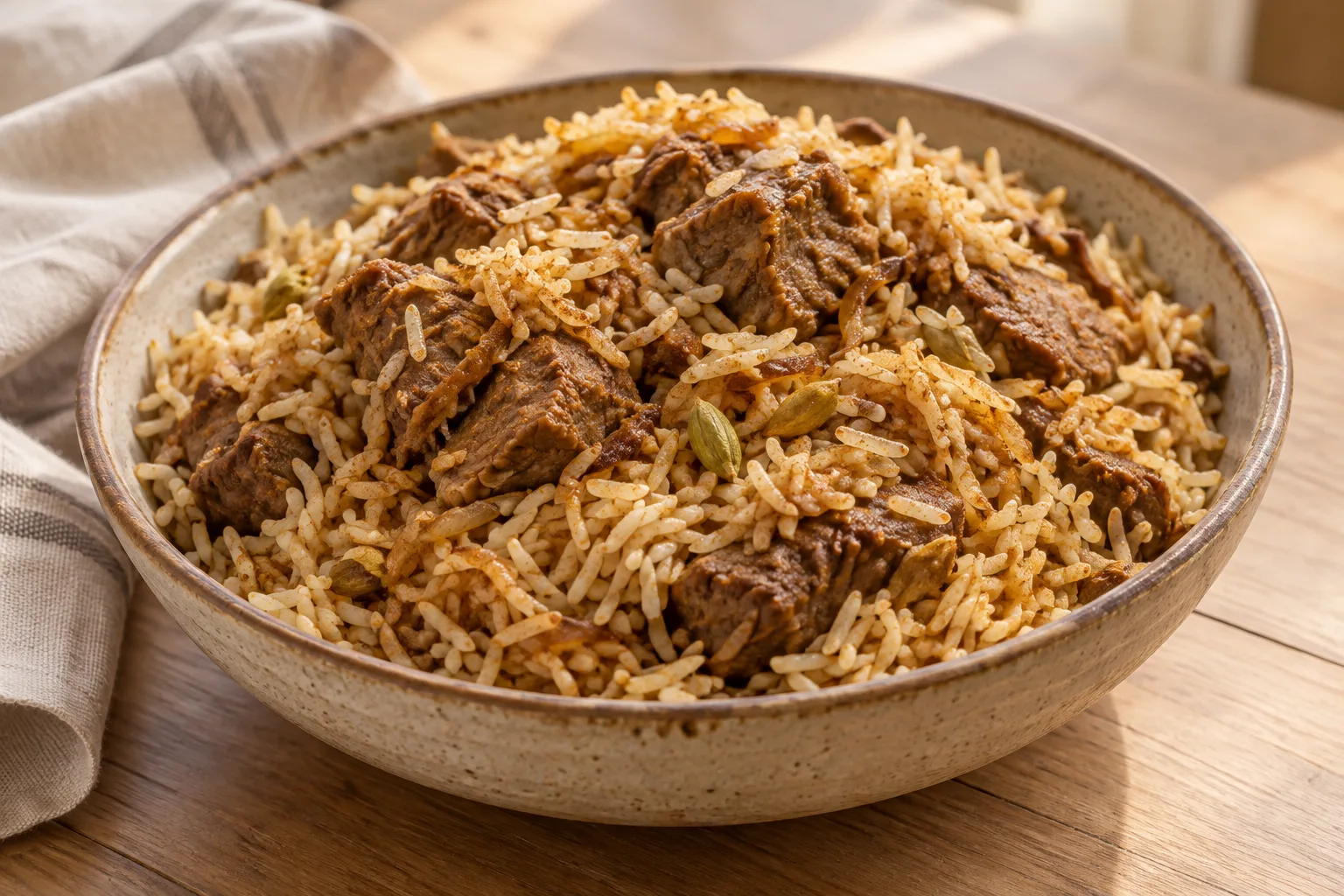
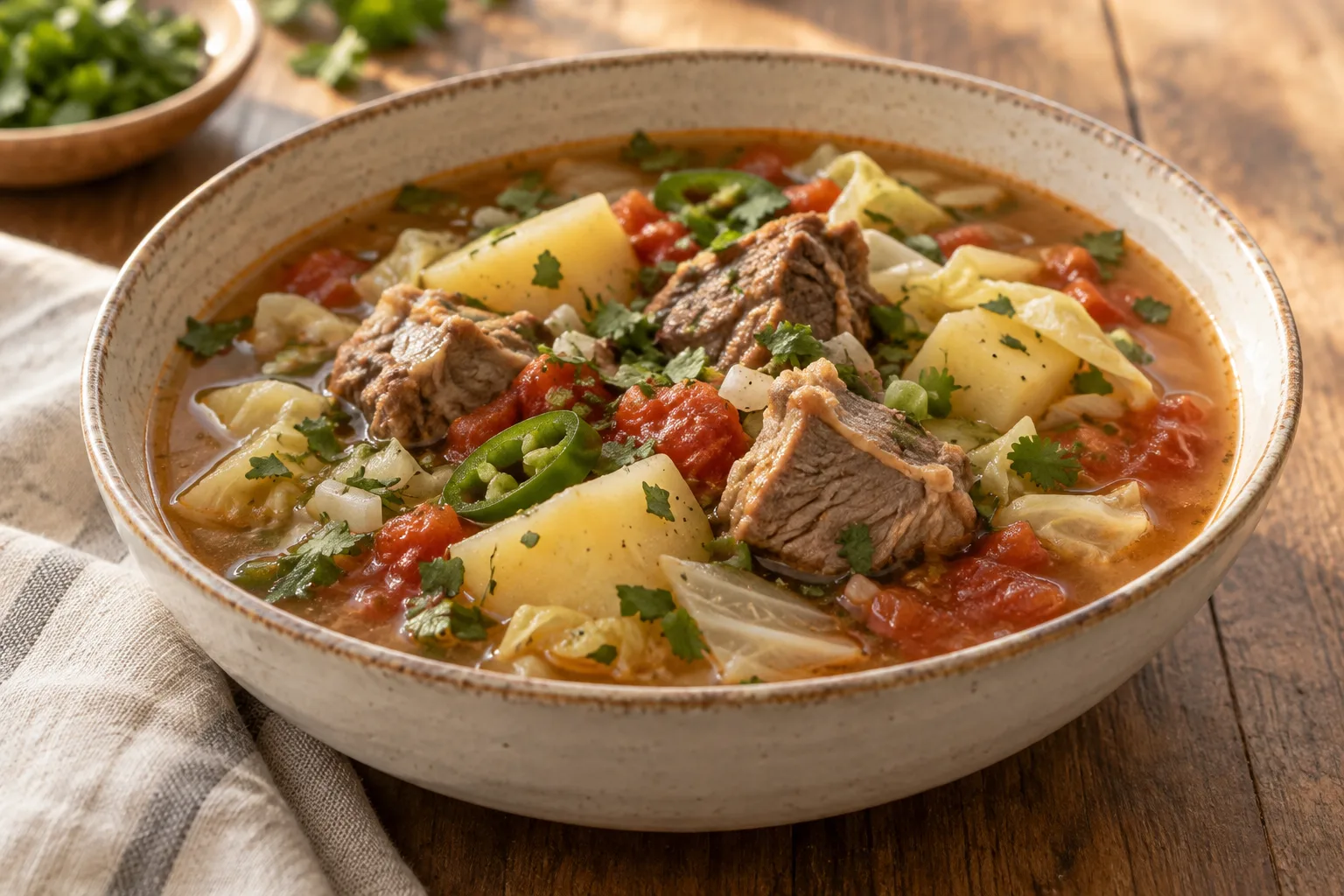
A familiar combination in the culinary landscape is rice, meat and aromatic spices. Skoudehkaris cooks rice and meat together with ingredients such as onion, tomato, cumin, cardamom or cinnamon. Fah-fah is a substantial meat soup or stew with vegetables, while fish and breads offer other ways to build a meal. Afar and Somali-speaking communities are central to Djibouti’s social and cultural life, and many dishes belong to a wider regional repertoire rather than to one nation alone. Names, ingredients and serving styles can differ from one home to another. Coastal geography, connections with neighboring countries and movement across the Red Sea help explain the range of foods found in Djibouti without making any one dish representative of every household.
Trade, Neighbors and Historical Layers
Djibouti’s culinary history is tied to exchange across both land and sea. The country’s position near the Gulf of Aden and Red Sea brought it into contact with the Arabian Peninsula and with trade routes linking the region to wider networks. Historical accounts describe connections with Arabia extending over many centuries, while the food landscape also reflects exchange with neighboring Somali, Afar and Ethiopian communities. The presence of South Asian ingredients and seasonings is part of this broader history of movement and contact; it does not prove that any particular dish has a single imported origin.
Arabic and French are official languages, and French colonial rule ended with independence in 1977. These political and linguistic histories are one part of a longer story of regional encounters. Accounts of Djiboutian food also describe Arab influences in the use of spices such as cardamom, cinnamon and saffron, and South Asian connections through foods such as lentils and curry. Neighboring cuisines share breads, soups and rice dishes, but shared forms do not mean that their local versions are identical. It is more accurate to think of Djiboutian cooking as an evolving meeting of regional traditions, household choices and historical contacts than as a collection of recipes with one simple origin.
Grains, Meat, Legumes and Coastal Fish
Rice is central to well-known preparations such as skoudehkaris, where it cooks with meat and absorbs the seasoned liquid. Lamb is a common choice in descriptions of the dish, though versions with beef, chicken or fish are also recorded. Wheat and sorghum appear in flatbreads, while lentils and beans provide the basis for soups and other substantial dishes. Tomatoes, onions and garlic form a useful flavor base in many preparations. The presence of these ingredients does not mean every recipe uses them all at once.
Meat soups may include goat, lamb or beef, with vegetables such as potato, cabbage, leek or tomato. Fish has a place in a country with a long coastline: descriptions include grilled fish and fish stews, as well as moukhbaza, a preparation associated with fish and baked bread mixed with fruit or other accompaniments. Spices mentioned in Djiboutian dishes include cumin, cardamom, cinnamon, cloves and, in some accounts, saffron. Ghee or other fats may be used in rice dishes and sweets. The result is a pantry that brings together grains, animal foods, legumes, vegetables and seasonings circulating through regional trade and everyday cooking. Individual households select and combine these ingredients according to the dish and their own practices.
Warm Aromatics, Savory Broths and Bread
Djiboutian food has no single prescribed flavor profile. Some dishes are fragrant with warm spices; others depend more on a savory broth, the taste of meat and vegetables, or a bread’s gentle tang. In skoudehkaris, rice cooks in liquid flavored by meat, tomato, onion and spices. Cumin, cardamom, cinnamon and cloves are among the seasonings used in published versions, but recipes vary, so no one combination should be treated as universal. The rice may finish moist and closely flavored by the broth rather than as a separate plain accompaniment.
Fah-fah offers a different texture and balance: meat and vegetables simmer together in a soup that can include green chile, garlic and coriander. Its heat depends on the ingredients and the cook’s choices. Fermented breads bring another contrast. Lahoh has a soft, airy crumb and a lightly sour note; its small surface holes make it well suited to scooping up broth or sauce. A layered bread such as sabaayad is less porous and has soft layers with a browned surface. Fish, lentils and vegetables extend the range beyond meat-centered dishes. Together these foods show how broth, spice, fermentation and texture contribute to meals in different, adaptable ways.
Hospitality, Celebrations and Everyday Knowledge
Food sharing and hospitality are described as important parts of social life in Djibouti. A substantial soup, stew or rice dish can be served for family and guests, with bread available to accompany the food. Accounts also describe offering tea or coffee to visitors. These are broad patterns of hospitality, not a single formal rule followed in every home. The ingredients, size of the meal and manner of serving depend on the household and occasion.
Some foods have more specific festive associations. Xalwo, a sweet made with sugar and starch and flavored with spices such as cardamom and nutmeg, is associated with Eid celebrations and wedding receptions. Sources describe versions that may include ghee or peanuts. This makes it a useful example of a celebratory sweet, not a dessert that should be assumed at every gathering. Home fragrance is another documented practice: incense or olibanum may be burned in a dabqaad after meals. Culinary knowledge is also carried in everyday preparation: mixing a fermenting batter, making bread, tending a simmering soup or combining rice and meat in one pot. These repeated skills pass through household practice, while recipes and tastes remain open to variation.
Fermenting Batter, Layering Bread and Simmering
Different techniques give Djibouti’s breads and main dishes their distinct forms. For lahoh—also written laxoox or laho(h)—flour is mixed with water and a starter or yeast, then left to ferment until the batter becomes bubbly. It is poured onto a hot griddle or pan and commonly cooked on one side. The upper surface develops holes while the underside sets and browns. Sorghum, wheat or a mixture of grains may be used, and the flour and fermentation time influence the bread’s flavor and texture. The bread can appear at breakfast or alongside savory dishes.
A layered flatbread follows another process. Dough is rested, rolled thin, brushed or spread with fat, folded to create layers, then flattened and cooked on a hot pan or griddle. For fah-fah, meat and vegetables simmer in water until the meat is tender; garlic and coriander are among the ingredients used in documented versions. For skoudehkaris, cooks brown or simmer meat with onion, tomato and spices before adding rice to finish in the same pot. This one-pot method lets the grain absorb the cooking liquid. These techniques are practical forms of culinary knowledge, but the exact ingredients, timing and equipment vary across recipes and kitchens.
How Dishes and Accompaniments Come Together
A meal may be organized around one substantial dish: a bowl of fah-fah, a pot of rice and meat, a fish preparation or a legume stew. Bread can sit alongside the main dish, ready to accompany the broth or sauce. Fah-fah is commonly described with canjeero; rice or another flatbread may also accompany meat soups. Skoudehkaris brings its rice and meat together in a single preparation, sometimes finished with chopped coriander. Such combinations are examples, not a compulsory sequence of courses.
Bread can also be a breakfast food. Lahoh is described with butter, honey or sugar, as well as with savory stews. Sabaayad can accompany sweet or savory foods and is eaten at different times of day. Sambusas, small filled pastries, are another format; accounts describe meat fillings and, in some settings, a spicy tomato sauce. Fish provides a coastal alternative to meat, and lentils or beans may form the center of a meal. Tea and coffee are associated with welcoming visitors, while xalwo appears in accounts of particular celebrations. This range of dishes and pairings makes it possible to share everyday meals and festive foods without assuming that every table follows the same menu.
A Small Glossary of Djiboutian Foods
Names for dishes and breads may have variant spellings, and some preparations are shared across the Horn of Africa and the Red Sea region. These definitions identify foods documented in Djiboutian culinary accounts without claiming that they belong exclusively to Djibouti.
- Fah-fah: A meat soup or stew, often described with goat, vegetables and green chile. It is commonly served hot with bread such as canjeero.
- Skoudehkaris: Rice cooked together with meat and seasonings, often including tomato, onion, cumin or cardamom. Lamb is a common version, with other meats also documented.
- Lahoh / laxoox: A soft, fermented flatbread made from a loose batter and cooked on a hot surface, usually on one side. Its porous texture suits both honey and savory broth.
- Sabaayad: A layered flatbread made from rolled and folded dough, then cooked on a pan or griddle. It can accompany sweet or savory foods.
- Xalwo: A sweet of sugar and starch, commonly flavored with cardamom and nutmeg and associated with Eid and wedding receptions.
- Moukhbaza: A fish meal and accompaniment described with grilled or oven-cooked fish and bread mixed with ingredients such as dates, bananas, sesame or honey.
- Dabqaad: A household incense burner used to perfume a room; it is associated in descriptions of Djibouti with burning incense after meals.
The terms name distinct foods or objects: fermented lahoh is not the same bread as layered sabaayad, and dabqaad is a burner rather than a dish.
One country, many cuisines
Afar and Issa Communities
Afar and Issa communities are identified as central to Djibouti’s cultural diversity; Issa is associated with Somali-speaking traditions. The country’s culinary landscape includes breads, soups and stews shared across regional and community settings, alongside influences from neighboring and maritime connections. The available descriptions support recognizing these communities as part of Djibouti’s food culture, but do not establish distinct, exclusive dishes for either group.
Cook