Documentary synthesis prepared with AI assistance. It does not replace specialist review or certify kitchen testing. · Updated 12 November 2026
An island pantry shaped by land and sea
Guernsey lies in the English Channel, where a compact island landscape brings farms, gardens, settlements and the shore into close proximity. The documented food traditions reflect that setting: dairy products and home-grown vegetables sit alongside crab, lobster and other seafood. This is not a single, fixed menu but a collection of household dishes, seasonal ingredients and foods available from local producers and eateries.
A few preparations provide a useful introduction. Bean jar is a substantial dish of beans and meat cooked slowly in a covered pot. Gâche is a sweet, fruit-filled loaf, while gâche mélée is a separate apple dessert, often served warm or cold. Ormer, a coastal shellfish related to abalone, has its own seasonal casserole tradition. Crab sandwiches and salads show a simpler way of serving the catch.
English and French culinary influences are commonly noted in descriptions of Guernsey food, but that broad context should not be mistaken for a uniform blend or for proof that any one dish belongs exclusively to one neighbouring culture. The island’s distinctive food story is also visible in practical routines: preserving fish, using residual bakery heat and passing household recipes between generations.
Household routines and changing foodways
Some of the clearest historical detail concerns how food fitted into household work. For bean jar, families soaked dried beans, added meat and took a covered earthenware pot to a baker’s oven after bread had been baked. The cooling oven supplied hours of residual heat. Accounts associate the finished dish with Monday, traditionally a busy washing day, and describe leftovers being reheated. Versions differ, and family recipes used different beans, meats and vegetables; the enduring pattern is a filling meal prepared in advance rather than a single definitive formula.
A mid-twentieth-century account records a wider range of foods, including soups made with fat, conger, sand-eels, pork, local vegetables, cider and apple-based sweets. It also recalls fish split open and dried outdoors in sun and wind before being baked. The same account says that fish drying had become uncommon, cider orchards and presses had diminished, and some once-familiar foods were harder to find. Such testimony documents change, not a complete census of what every island household ate.
The record also points to continuity through local baking and remembered recipes. Guernsey biscuits and gâche remained available even as older methods and particular versions became less common. These shifts show an island food culture shaped by changing access, work and habits, rather than an unaltered collection of dishes.
Dairy, beans, fruit and coastal foods
Dairy is prominent in the island’s documented food repertoire. Guernsey milk is used for butter, cream and ice cream; butter appears in baking and savoury cooking, while cream accompanies apple desserts. Local cheese is also recorded, including soft cheese made with Golden Guernsey goat’s milk and a soft blue cheese associated with Torteval. These products connect everyday ingredients with the island’s dairy farming, without suggesting that every household makes its own cheese or butter.
Beans, meat and vegetables form the foundation of bean jar. Recipes name haricot and butter beans with pork or beef, often adding onion and carrot; household quantities and combinations vary. Apples are central to gâche mélée, while flour, sugar, fat and spices complete its mixture. Gâche uses flour, butter, yeast, milk, eggs and dried fruit, commonly sultanas and candied orange peel. Farmhouse bread and Guernsey butter are documented accompaniments for bean jar.
The coastal pantry includes crab, lobster and ormer. Ormer availability is seasonal and subject to restrictions on collection, so it should not be treated as an everyday ingredient. Historical accounts also name conger, mackerel, cod and sand-eels among fish that were once dried. Rocquette cider and locally brewed beers from Randalls and White Rock are among the recorded island drinks.
Rich dairy, savoury depth and fruit sweetness
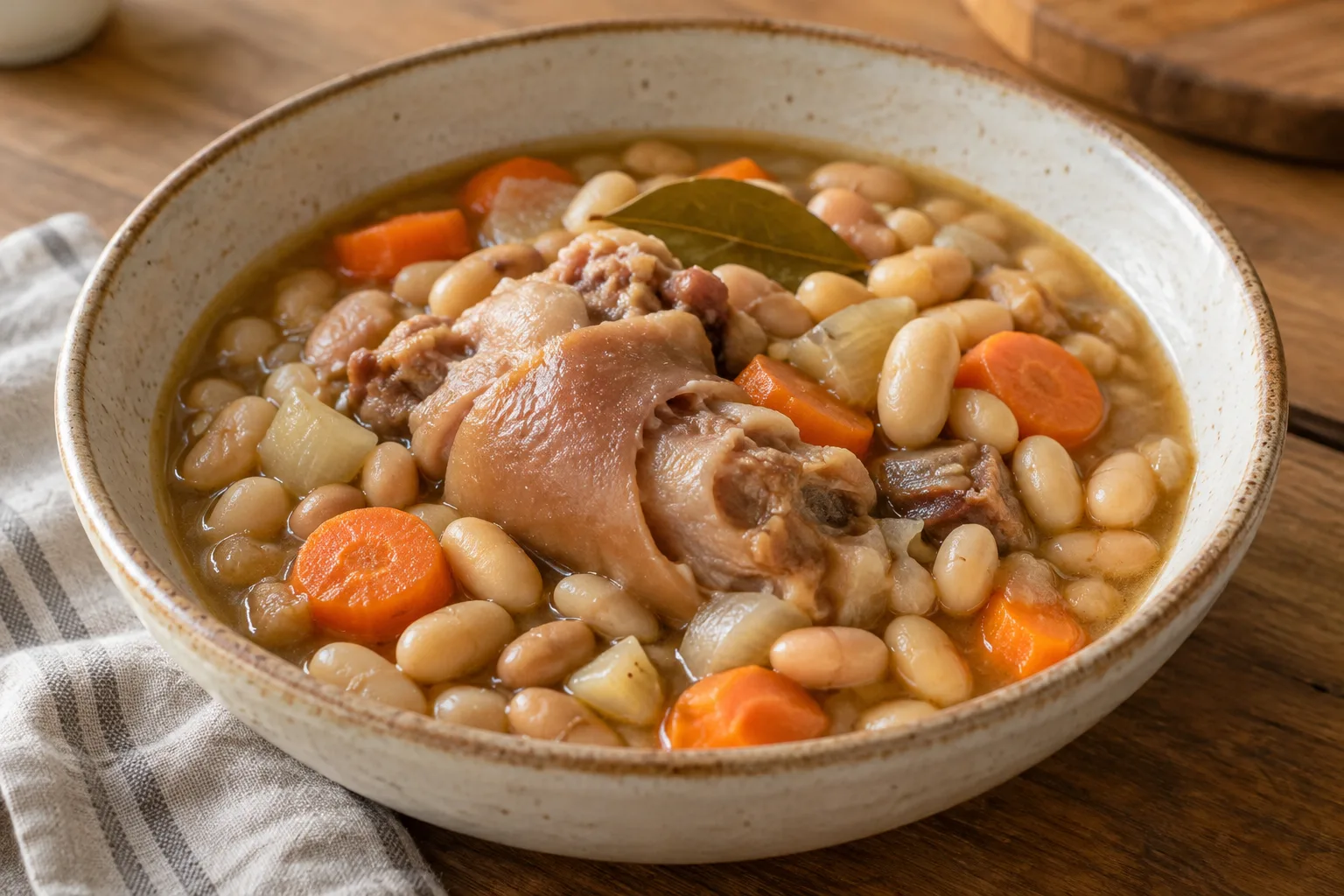
Guernsey’s documented dishes move between hearty, savoury cooking and rich baking. Bean jar is defined by long-cooked beans and meat: the beans soften, while meat such as beef shin or a pig’s trotter contributes substance to the pot. Some recipes include onion, carrot, bay leaf and stock; others keep the combination simpler. Its character comes from slow cooking and a satisfying, thick consistency, not from a single fixed seasoning profile.
Seafood is often served in relatively direct forms. Crab appears in sandwiches and salads, where the meat’s sweet, robust flavour is paired with bread or fresh accompaniments. Lobster is also served as a local catch. Ormer has a firm texture, and the traditional casserole method includes preparatory cleaning and tenderising followed by a long, gentle cook with ingredients such as onion, carrot or pork. Its seasonal status makes it distinct from more routinely available seafood.
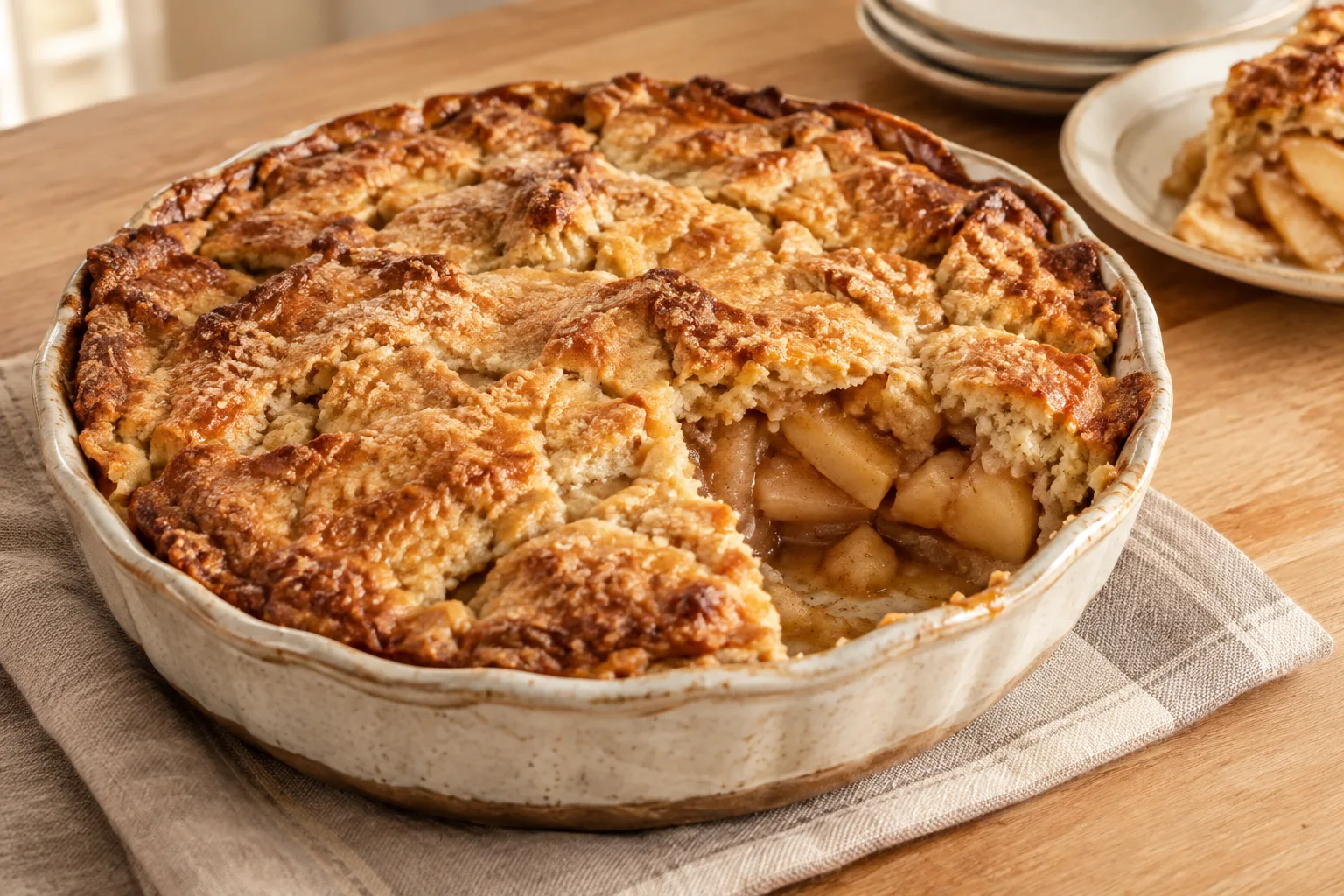
The sweet table has contrasting textures. Gâche is an enriched yeast loaf with dried fruit, eaten sliced and sometimes buttered or toasted. Gâche mélée is denser: chopped apples are mixed with flour, fat, sugar and spices, then baked. It can be served hot or cold with Guernsey cream or custard. These preparations demonstrate different uses of fruit, flour and dairy rather than interchangeable versions of one dessert.
Family recipes, seasons and occasions
Bean jar illustrates the close connection between food and household routine. Accounts describe it as an economical, filling winter meal, prepared ahead so that a family could eat on a busy day. The baker’s cooling oven made long cooking possible without tending a fire at home. Many families kept their own version, and records explicitly note that recipes differ. A vegetarian version is also documented; the dish’s history should therefore not be reduced to one meat-based formula.
Other foods have more particular seasonal associations. Gâche mélée is linked with autumn, when apples are picked, and gâche is described as a teatime food that could be served with cider during haymaking. Ormer is available only in a restricted season; sources describe a season running from January to April, but collection is limited, so this is not a year-round staple. These associations identify documented occasions without implying that everyone follows the same calendar or custom.
There are also contemporary opportunities to gather around food. The Big Eat brings together restaurants, chefs, producers and food businesses for special menus and events, with local produce among its themes. It is a present-day festival, not evidence of an ancient island-wide ritual. Bean jar is also reported at local events, including the Vaier Marchi. Together, these examples show both the continuing social life of familiar dishes and newer ways of presenting island food.
Slow pots, risen dough and preservation
Long, gentle cooking is central to bean jar. Dried beans are soaked, then placed with meat and other ingredients in an earthenware jar or casserole. The covered pot cooks for several hours at low oven heat; older practice made use of a bakery oven as it cooled after bread-making. Some recipes call for checking the liquid and topping it up. The slow method softens the beans and meat, while the dish’s family variations leave room for different proportions and additions.
Gâche uses a different set of skills. Yeast is mixed into a dough enriched with butter and other ingredients, then dried fruit is kneaded in. The dough rises before being shaped and baked as a loaf. Gâche mélée is not a yeast bread: flour and suet or butter are rubbed together to a crumb-like texture before apple, sugar, spices, egg and liquid are added and the mixture is baked in a tin.
Ormer preparation calls for cleaning and trimming the shellfish; one documented recipe also beats it to tenderise the firm flesh before casserole cooking. Earlier fish-preservation practices used open-air drying: fish were split and held open with wooden stakes in sun and wind, then baked. These are recorded techniques, though the historical account notes that fish drying is now uncommon. They should not be assumed to describe every present-day kitchen.
From a family pot to a seaside lunch
The table settings suggested by Guernsey’s food traditions range from a generous family meal to a simple lunch by the coast. Bean jar is served hot with crusty or farmhouse bread and Guernsey butter. Because it is cooked ahead and can be reheated, it suits a household meal that does not need a final burst of cooking at serving time. Historical accounts associate it with winter and with Monday washing, while local reporting also records it at events. These are documented contexts, not rules for how it must be eaten today.
Crab offers a lighter format. It can be served in a sandwich on white or brown bread, or as a salad with bread and other accompaniments. Ormer casserole is another substantial dish, traditionally paired in one account with a Guernsey biscuit. For sweets, gâche is sliced for a snack or tea, while gâche mélée may be offered warm or cold with cream or custard. Local ice cream is also served in cafés and other eating places.
Eating out adds further settings without replacing domestic cooking. St Peter Port is identified as a restaurant centre, and seaside cafés are associated with seafood and ice cream. Table service is described as normal in restaurants, with counter service in bars. Contemporary food festivals create additional occasions to meet producers and eat special menus across participating venues.
A short guide to Guernsey food names
These names refer to distinct products and preparations in Guernsey’s documented food culture. Spellings and household recipes can vary, but the distinctions below help explain what might appear on a menu or in a family recipe.
- Bean jar: A slowly cooked pot of dried beans and meat, commonly made with haricot and butter beans. Recipes may include pork or beef, onion and other vegetables; families vary the ingredients.
- Gâche: A yeast-raised, fruit-filled loaf enriched with butter and commonly made with sultanas and candied peel. It is sliced and may be eaten plain, buttered or toasted.
- Gâche mélée: A dense baked apple dessert made with flour, fat, sugar and spices. It is distinct from gâche and can be served hot or cold with cream or custard.
- Ormer: A shellfish related to abalone, gathered seasonally under restrictions. Ormer casserole is a traditional slow-cooked preparation.
- Guernsey biscuit: A savoury roll with a firm crust and soft interior. It can be split and filled with crab, beef or local cheese.
- Soupe à la graisse: A soup remembered in historical writing as a once-regular, modest dish that had become less common by the time of that account.
The list spans everyday food, seasonal coastal ingredients and dishes remembered from earlier foodways. It is not an exhaustive inventory of island cooking, and names alone do not establish a dish’s exclusive origin.
One country, many cuisines
Island of Guernsey
The documented foods here belong to the island as a whole rather than to a set of distinct culinary subregions. Its food repertoire includes dairy products, locally made cheeses, crab and lobster, bean jar, fruit-filled gâche and apple gâche mélée. Sources place restaurants in St Peter Port and describe seafood at coastal cafés; they also record local gardens and produce. These references show varied places to eat and sources of ingredients, not separate regional cuisines.
Cook