Documentary synthesis prepared with AI assistance. It does not replace specialist review or certify kitchen testing. · Updated 31 October 2026
Landscape, farming, and everyday food
Rwanda is a landlocked country in East Africa, within the Great Lakes region. Its landscapes include mountains in the west, savanna toward the southeast, and numerous lakes. This varied setting is part of the context for a cuisine strongly tied to farming and to foods grown or obtained locally. Common staples include beans and other pulses, bananas and plantains, cassava, maize, sweet potatoes, and vegetables. Fish, including tilapia, is also eaten near the lakes.
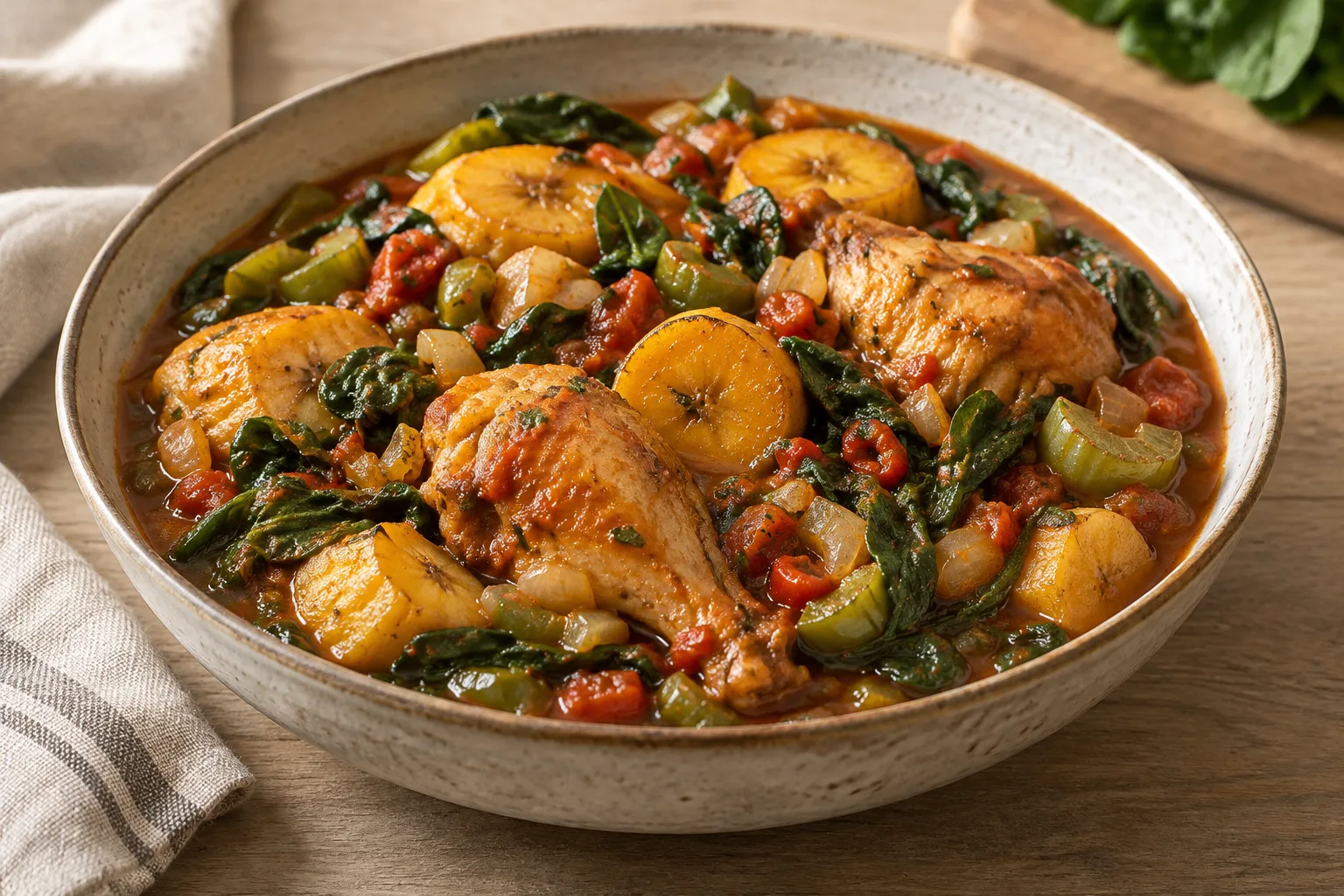
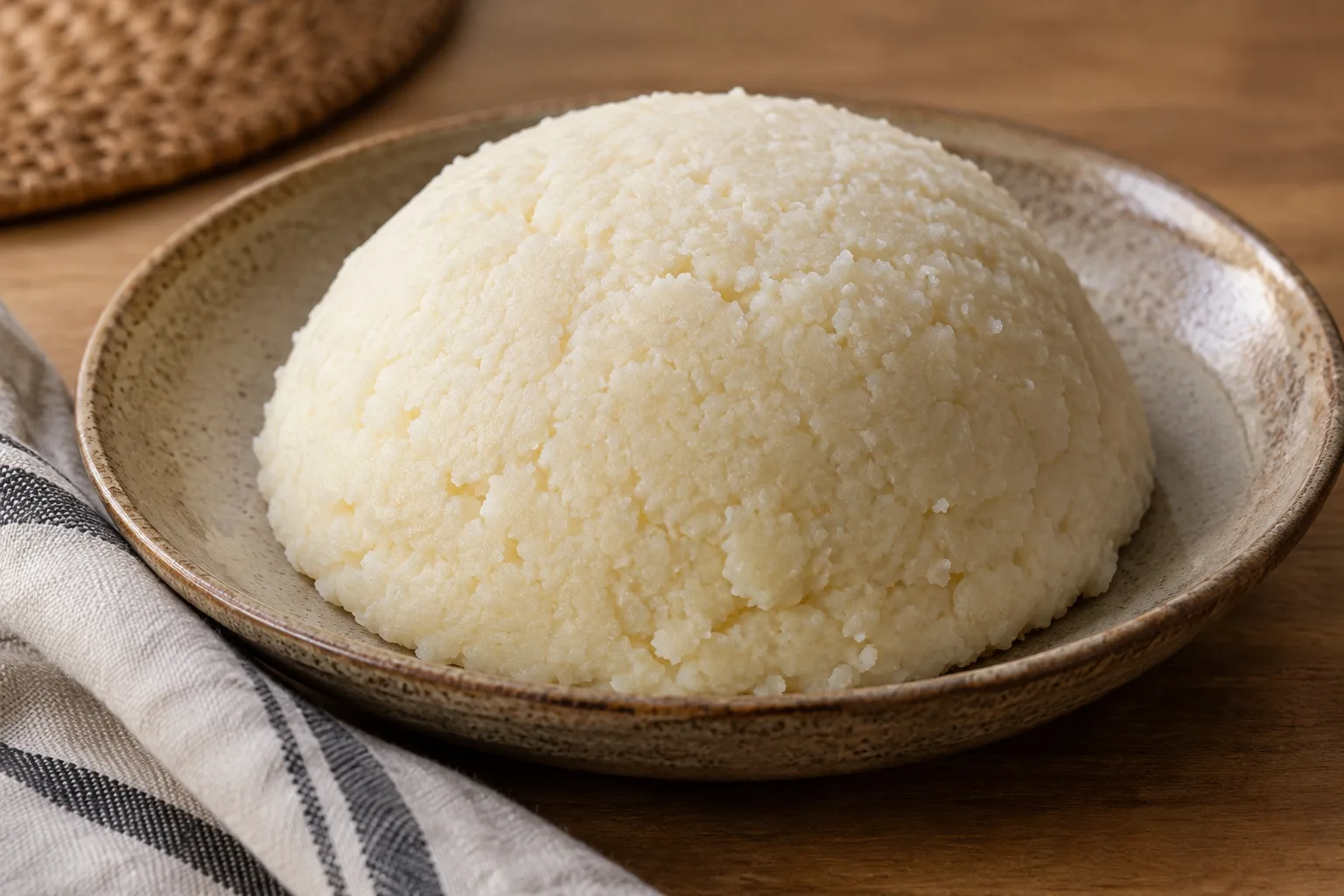
Rather than one dish standing for every household, meals draw on combinations of substantial staples, vegetables, and stews. A dense maize preparation such as ugali can accompany greens or a saucy dish; beans may be served with rice or another staple. Isombe, made from pounded cassava leaves, and igisafuliya, a one-pot chicken, plantain, and vegetable stew, show distinct ways of preparing ingredients found in the country’s food repertoire. These dishes also sit within a wider East African culinary landscape, where some ingredients and staple preparations are shared across borders. Local availability, household preferences, and the occasion all shape what is cooked and served.
Agricultural continuity and regional exchange
Agriculture provides an important historical and practical frame for Rwandan food. Accounts of the country’s cuisine emphasize crops such as beans, bananas, cassava, maize, millet, and sweet potatoes, transformed into filling dishes for daily eating. Food traditions also connect Rwanda to neighbouring countries: ugali, for example, is found across East Africa, though the flour used and the local name can vary. In Kinyarwanda, kaunga is another name recorded for this stiff maize porridge.
The country’s political history includes the Kingdom of Rwanda and periods of German and Belgian colonial rule. One food-related change documented in accounts of the cuisine is the introduction of the potato during the colonial period; potatoes are now widely used and are associated with growing areas including Gitarama and Butare. That history offers context for a crop’s arrival, not a basis for assigning the origin of particular dishes to a ruler, community, or period. The food landscape is better understood through both continuity in local crops and exchange within the Great Lakes and East African region. Shared staples do not erase household variation, nor do they establish exclusive origins for dishes that are eaten across national borders.
Beans, roots, grains, leaves, and plantains
A Rwandan pantry draws on several kinds of agricultural staples. Beans are cooked until tender and may be prepared with onion, tomato, bell pepper, and garlic. Cassava appears as both root and leaf: the root can be boiled or fried, while the leaves are pounded and cooked for isombe. Maize flour is used for ugali, and maize combined with cassava flour forms umutsima. Plantains and bananas can be cooked as savoury food, while sweet potatoes and pumpkin add further substantial ingredients.
Vegetables shape the character of many dishes. In isombe, cassava leaves may be cooked with onion, eggplant, spinach, and green pepper. Peanut paste and palm oil are among the additions that can make the mixture thicker and creamier. Igisafuliya brings chicken together with plantain, tomato, onion, leek, celery, and spinach, although ingredient combinations can differ. Fish is part of the pantry near lakes, especially tilapia and sambaza. Potatoes, introduced during colonial rule and now widely used, offer another cultivated staple.
- Beans: a cooked staple often served with vegetables, rice, or a firm flour-based accompaniment.
- Cassava: a root eaten boiled or fried; its leaves are pounded and cooked for isombe.
- Maize: ground into flour for ugali and combined with cassava flour in umutsima.
- Plantain: cooked green in stews such as igisafuliya or prepared in other savoury forms.
Earthy greens, creamy stews, and firm staples
Texture is a defining feature of several familiar preparations. Ugali is cooked into a firm, dough-like mass rather than a loose porridge, and is generally eaten with another dish. It provides a mild, substantial base for vegetables and stews. Isombe has a different consistency: cassava leaves are pounded and cooked into a thick green preparation. Peanut paste and palm oil can lend it a creamy, rounded quality, while the leaves give it an earthy, vegetal character.
In igisafuliya, chicken, plantain, and vegetables cook together with liquid, creating a stew with a sauce and a substantial body. Plantain contributes texture as it softens, while the vegetables and cooking liquid bring their flavours together. Beans likewise make a hearty dish, with onion, tomato, garlic, or bell pepper among ingredients used to build flavour. These examples do not imply that every meal relies on a complex spice mixture: simple combinations of vegetables and staples are prominent in the documented dishes, and optional chilli or other seasoning may vary by preparation.
The broader repertoire includes fried or grilled foods as well as soft stews and dense flour dishes. Around lakes, fish such as tilapia and sambaza provide a different flavour from the bean and vegetable preparations that feature elsewhere. The result is not a single fixed profile but a range of earthy, savoury, mild, and creamy foods, with texture often as important as seasoning.
Learning, preparing, and sharing food
Knowledge of food is carried through practical work with ingredients and cooking methods. Preparing isombe involves pounding cassava leaves and then cooking them until tender; it is not simply a matter of chopping the leaves and serving them. Accounts of this dish stress thorough cooking, and cassava leaves should not be eaten raw. The preparation of a one-pot stew such as igisafuliya also teaches how ingredients can be layered and cooked together until the plantain and vegetables soften.
Some accounts describe cooking, learning, and eating together as communal activities. A documented culinary programme in Rwanda, for instance, presents participants working with local crops and preparing food alongside local staff. This is evidence of a particular shared cooking experience, not proof that every household follows the same practice or that a specific dish belongs to a single celebration. Household routines and the crops available provide a more grounded picture of everyday food transmission.
Drinks are part of the documented repertoire too. Urwagwa is made by fermenting banana juice, while ikigage is an alcoholic drink prepared from dried sorghum. Their mention broadens the picture of what may be shared, but drinking customs and occasions can vary. No single festival or ritual needs to be attached to these foods to recognize their place in Rwanda’s culinary life: preparing staples, cooking greens, and passing on ways of handling ingredients are meaningful practices in their own right.
Pounding, simmering, and cooking in one pot
Several documented techniques transform familiar crops into dishes with distinctive textures. For isombe, cassava leaves are pounded or ground and then simmered in water or stock with vegetables. Peanut paste and palm oil may be added to thicken the mixture. The leaves must be cooked thoroughly; pounding and cooking are central steps in the dish’s preparation. The combination of those steps turns tough leaves into a cohesive stew rather than a raw salad or garnish.
Igisafuliya is a one-pot preparation. A documented version begins by browning chicken, then adds onion, leek, and pepper, followed by tomato and celery. Liquid is added and the mixture simmers; plantain and spinach are incorporated so that they cook with the chicken. Ingredient order and exact contents can differ, but the defining idea is the shared pot and the resulting sauce.
For ugali, maize flour is gradually stirred into boiling water until the mixture thickens into a firm mass. A flat wooden spoon is recorded as a useful utensil for stirring. Other straightforward methods include boiling beans until tender and boiling or frying cassava root. These are not interchangeable techniques: pounding, slow simmering, stirring a thickening flour mixture, and frying each produce different textures and uses at the table. The preparations show how technique works with the ingredient, rather than relying on elaborate seasoning alone.
Staples with stews, greens, and fish
A meal may be organized around a substantial staple alongside vegetables or a stew. Ugali is paired with greens, sauces, or other main dishes; isombe may be served with ugali or rice. Beans can accompany rice, sweet potatoes, or plantains. These combinations are practical ways of bringing different cultivated foods together, rather than a fixed menu that applies across the country. Igisafuliya, by contrast, gathers chicken, plantain, and vegetables in the same pot and can function as a complete stew.
The recorded food repertoire includes both plant-based dishes and preparations with meat. Chicken, beef, goat, and pork are all mentioned in descriptions of foods eaten in Rwanda, alongside fish from lake areas. Brochettes are skewered pieces of meat cooked over a grill or charcoal fire, and are described with potato or other starchy accompaniments. Such examples point to variety, not to meat as the defining element of every meal.
Geography also affects what appears on the table. Tilapia and sambaza are associated with lakes, including Lake Kivu, while cultivated staples and vegetables feature throughout broader descriptions of the cuisine. Fruit, tea, juice, and fermented drinks are among the beverages or foods mentioned in the country’s culinary repertoire. The sources do not support a single universal table ritual; they do show how firm staples, saucy dishes, greens, and locally available foods can be combined for everyday eating and sharing.
Names for dishes, staples, and drinks
Local food names can appear with variant spellings, and the descriptions below refer to documented preparations rather than one unchanging recipe. The same dish may be made with different ingredients or served alongside different staples according to availability and household preference.
- Isombe: a cooked dish of pounded cassava leaves. It may include vegetables such as eggplant and spinach, with peanut paste and palm oil used in some preparations. It is served with foods such as rice or ugali.
- Igisafuliya: a one-pot stew combining chicken, plantain, and vegetables. The name is also written igisafuria or igisafrya in descriptions of the dish.
- Ugali: a firm mass made by stirring maize flour into water as it cooks; cassava flour is also recorded in descriptions of regional versions. It is eaten with stews, vegetables, or other dishes. Kaunga is another name associated with this preparation in Kinyarwanda.
- Ibishyimbo: beans, commonly cooked as a substantial dish and served with accompaniments such as rice or greens.
- Umutsima: a thick preparation made from cassava and maize flour, described as having a porridge-like consistency.
- Urwagwa: a fermented drink made from banana juice.
- Sambaza: a fish eaten in the lake region, including around Lake Kivu.
One country, many cuisines
Lake Kivu surroundings
The Lake Kivu area is associated with fish such as sambaza, while tilapia is also recorded among fish eaten near Rwanda’s lakes. These foods add a lake-based element to a wider repertoire that includes beans, cassava, plantain, maize, and vegetables. The available descriptions document the presence of these fish but do not establish one recipe or a uniform preparation practice for everyone living around the lake.
Cook