- Category
- Fruit
- State
- Fresh
- Usual unit
- unit
What it is
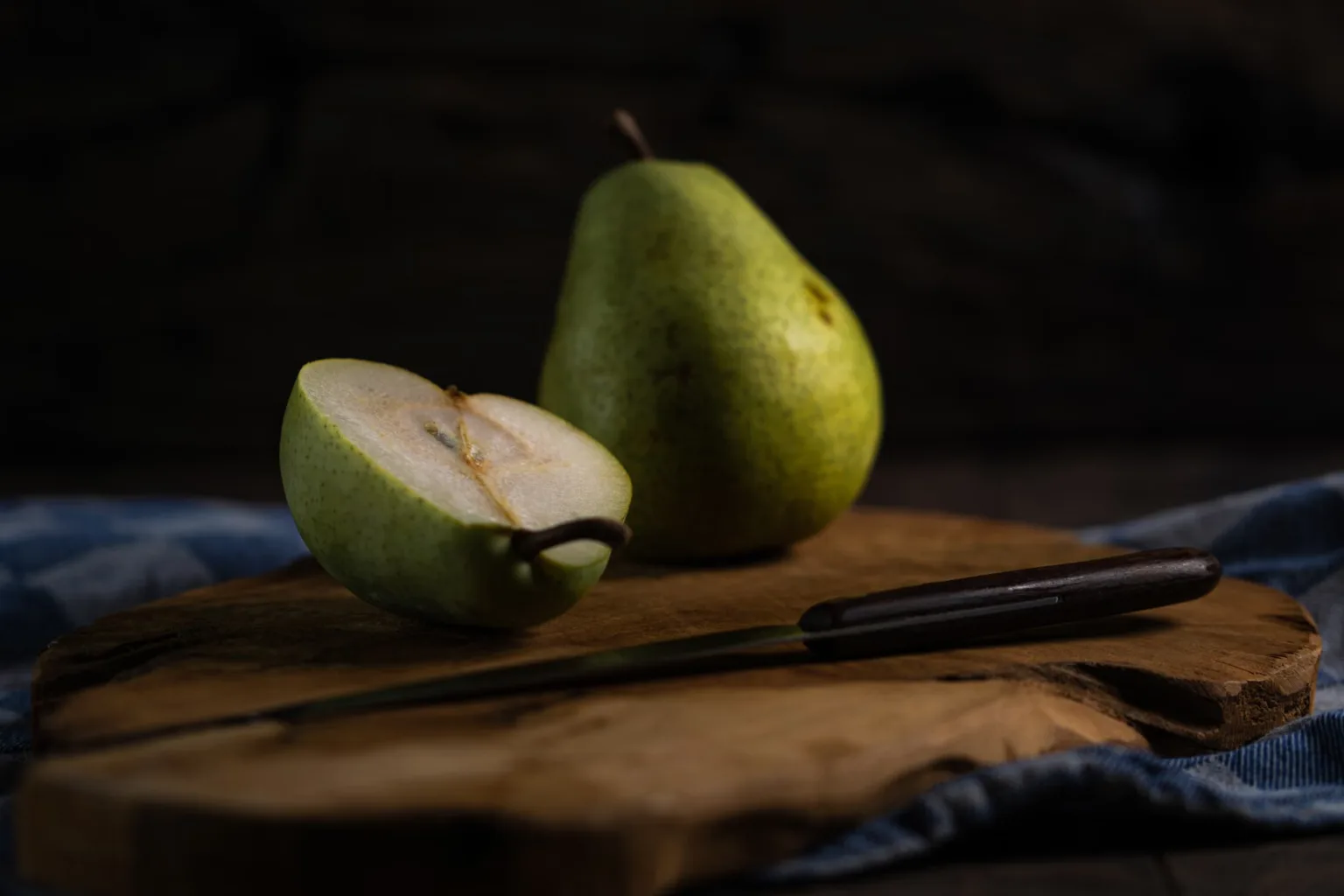
Asian pear, often called nashi, is a pear fruit that is commonly recognized by its rounded, apple-like shape. Its pale flesh is firm, crisp and very juicy. The flavor is usually mild, lightly sweet and refreshing, with a pear-like character; some varieties can also suggest apple. Varieties differ in skin color and surface: the skin may be smooth or somewhat rough and range from yellow-green to brown. Appearance and flavor vary, so individual fruits are not identical. Asian pear can be eaten raw or cooked. Its firm flesh makes it useful in dishes where you want the fruit to retain its shape, although cooking results can vary with the variety and the way it is cut.
When to use it
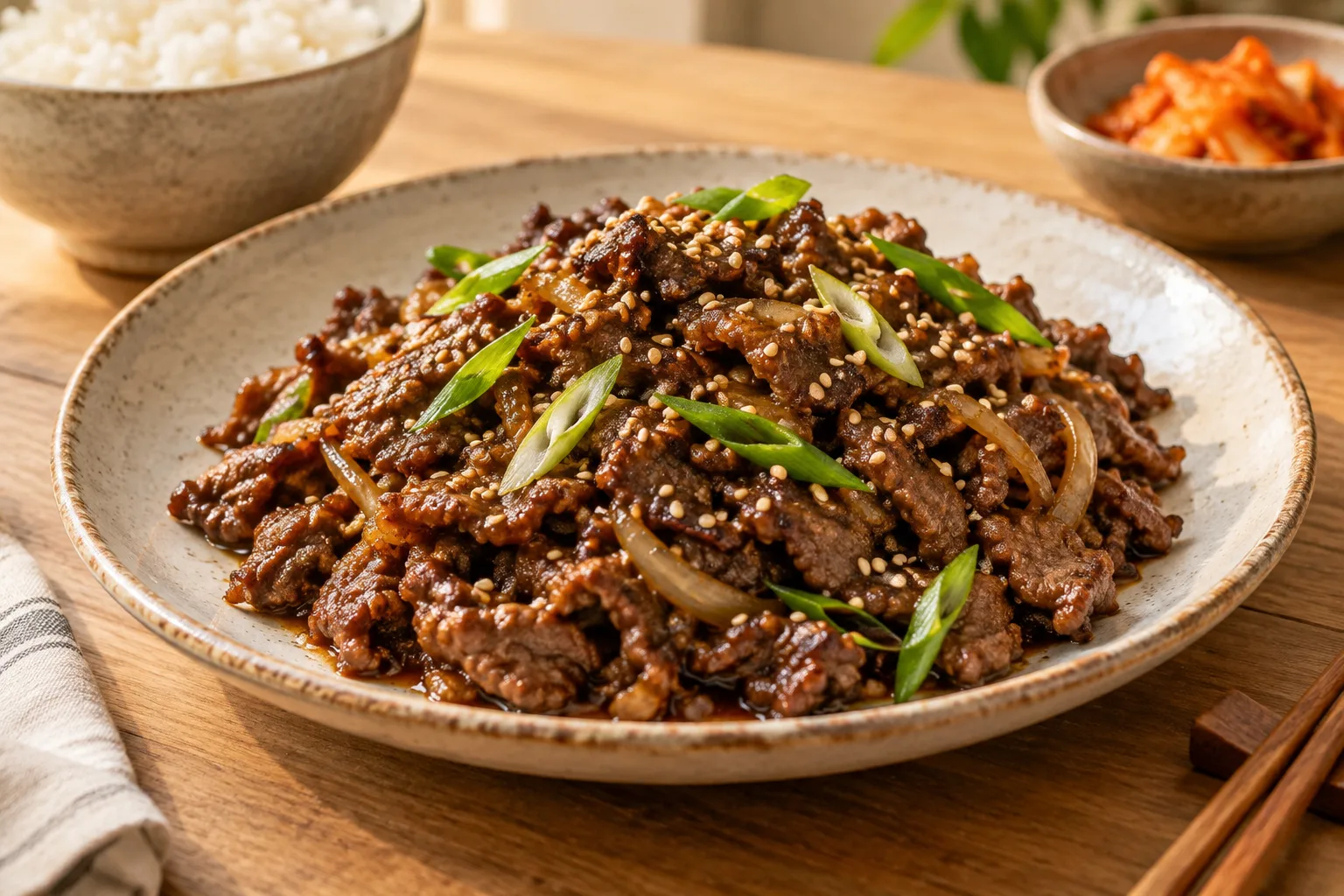
Choose Asian pear when you want fresh fruit that adds juiciness and a distinct crunch. Serve it raw on its own, cut it into a fruit or green salad, or add slices to a sandwich. It also works in sweet dishes such as tarts and in skewers where pieces should keep their shape. In savory cooking, its gentle sweetness can balance stronger flavors: it pairs, for example, with soy sauce and beef. Its firm flesh also suits cooked preparations, though the result depends on the variety and the size of the pieces. If you want a pear that becomes very soft as it ripens, Asian pear may not give you the texture you expect.
How to use it
Wash and dry the pear before preparing it. Cut it into wedges or slices to serve raw; enjoy it on its own or add it to fruit salads, green salads and sandwiches for a crisp, juicy contrast. It can also be served with yogurt, creamy cheeses or cream. For cooked dishes, cut it into evenly sized pieces and use it in a tart or on skewers; its firm flesh helps it hold its shape during cooking. In savory dishes, try pairing it with soy sauce and beef for a sweet, fresh contrast. Choose a cut that suits the dish and check the texture as it cooks, since varieties and individual fruits may behave differently.
Flavour and texture
Asian pear is usually mild, lightly sweet and refreshing, with a flavor reminiscent of a European pear. Its flesh is firm, crisp and very juicy, including when ripe. The skin may be smooth or slightly rough, and its color varies by variety. Sweetness and aroma can also differ from fruit to fruit.
How to choose it
Look for firm fruit without obvious blemishes that feels heavy for its size; this can help you select a juicy pear. Skin color and texture differ among varieties, so darker or rougher skin alone does not mean the fruit is spoiled. Do not rely on shape alone: Asian pear can resemble an apple.
Storage
Asian pear can be kept at room temperature for a few days and refrigerated for longer storage. To help preserve freshness, keep it chilled and avoid crushing it. Once cut, refrigerate it in a covered container and use it soon; the exact keeping time depends on the fruit’s ripeness and condition.
Substitutions
A European pear can provide a similar pear flavor, although its texture may be softer and some varieties break down more during cooking. Apple is another approximate option when firmness and crunch matter, but its flavor is different. Neither reproduces Asian pear’s exact juiciness and flavor; adjust the cut and cooking time to suit the substitute.
Common mistakes
Do not assume Asian pear tastes or behaves exactly like a European pear: it is usually firmer and crisper. Skin color also varies among varieties, so do not judge quality by color alone. When cooking it, avoid assuming every fruit needs the same time; check the texture to suit the dish.
Safety and allergens
Handle it as fresh fruit: wash the pear before cutting and follow routine food-hygiene practices. Refrigerate cut fruit.
Culinary uses
- Fruta fresca para comer sola o añadir crujiente y jugosidad a ensaladas.
- Fruta firme para postres horneados y preparaciones cocinadas en las que interesa que conserve la forma.
Recommended techniques
- Lavar, cortar en gajos o láminas y servir cruda.
- Hornear o cocinar en preparaciones como tartas y brochetas.
Pairs well with
- Quesos cremosos, yogur y nata.
- Salsa de soja y carne de vacuno.
Frequently asked questions
Can you eat Asian pear with the skin on?
It can be served raw in wedges or slices. The skin ranges from smooth to somewhat rough; peel it if you prefer a different texture.
Can Asian pear be cooked?
Yes. It is used in dishes such as tarts and skewers, and its firm flesh helps it keep its shape during cooking.
What goes well with Asian pear?
For sweet dishes, try it with yogurt, creamy cheeses or cream. In savory dishes, it can pair with soy sauce and beef.
Ingredient allergens
Allergen listThere are no verified associations for these ingredients yet.
Estimated nutrition
- Fat
- 0.23 g
- Saturates
- 0.01 g
- Carbohydrate
- 10.6 g
- Sugars
- 7.05 g
- Fibre
- 3.6 g
- Protein
- 0.5 g
- Salt
- 0 g
Sources and review
Automatically researched, cross-checked and validated content. Sources consulted:
- Alérgenos alimentarios | EFSA www.efsa.europa.eu/es/safe2eat/food-allergens
- Client Challenge doi.org/10.2307/jj.27939689.16
- Gastronomía de México - Wikipedia, la enciclopedia libre es.wikipedia.org/wiki/Gastronom%C3%ADa_de_M%C3%A9xico
- Agencia Española de Seguridad Alimentaria y Nutrición www.aesan.gob.es/
- Elaboración de pastas artesanales con ocho tipos de harinas y su aplicación en nuevas recetas | OpenAlex openalex.org/W2197804739
- Nashi o pera asiática | Gastronomía & Cía www.gastronomiaycia.com/nashi-o-pera-asiatica/
- ¿Conoces la pera Nashi? Características y usos en la cocina www.directoalpaladar.com/ingredientes-y-alimentos/conoces-la-pera-nashi-caracteristicas-y-us…
- Pera Nashi, cruda (¿orgánica?) | Fundación G+E www.diet-health.info/es/recetas/ingredientes/in/ug2631-pera-nashi-cruda
- Pera asiática: análisis, variedades y las mejores opciones para disfrutar en casa sukimotril.es/pera-asiatica/
- ¿Puedes cultivar Pera asiática? Zonas 4-9, fruta en ~2 años plotmygarden.com/es/plants/pear-asian
- - YouTube www.youtube.com/watch?v=hO531hXHtGI
- Nashi, la pera que vino de Asia. blog.plantamus.com/nashi-pera-asiatica/
- Descubre la exquisita pera Nashi fruta - MERCADO VALLEHERMOSO mercadovallehermoso.es/descubre-la-exquisita-pera-nashi-fruta-una-fruta-oriental-llena-de-sa…
- Cómo comer peras asiáticas - wikiHow es.wikihow.com/comer-peras-asi%C3%A1ticas
- Etiquetado de alimentos que contienen cereales con gluten - Higiene ambiental higieneambiental.com/gluten-aesan-guia-etiquetado