- Category
- Meat
- State
- Fresh
- Usual unit
- g
What it is
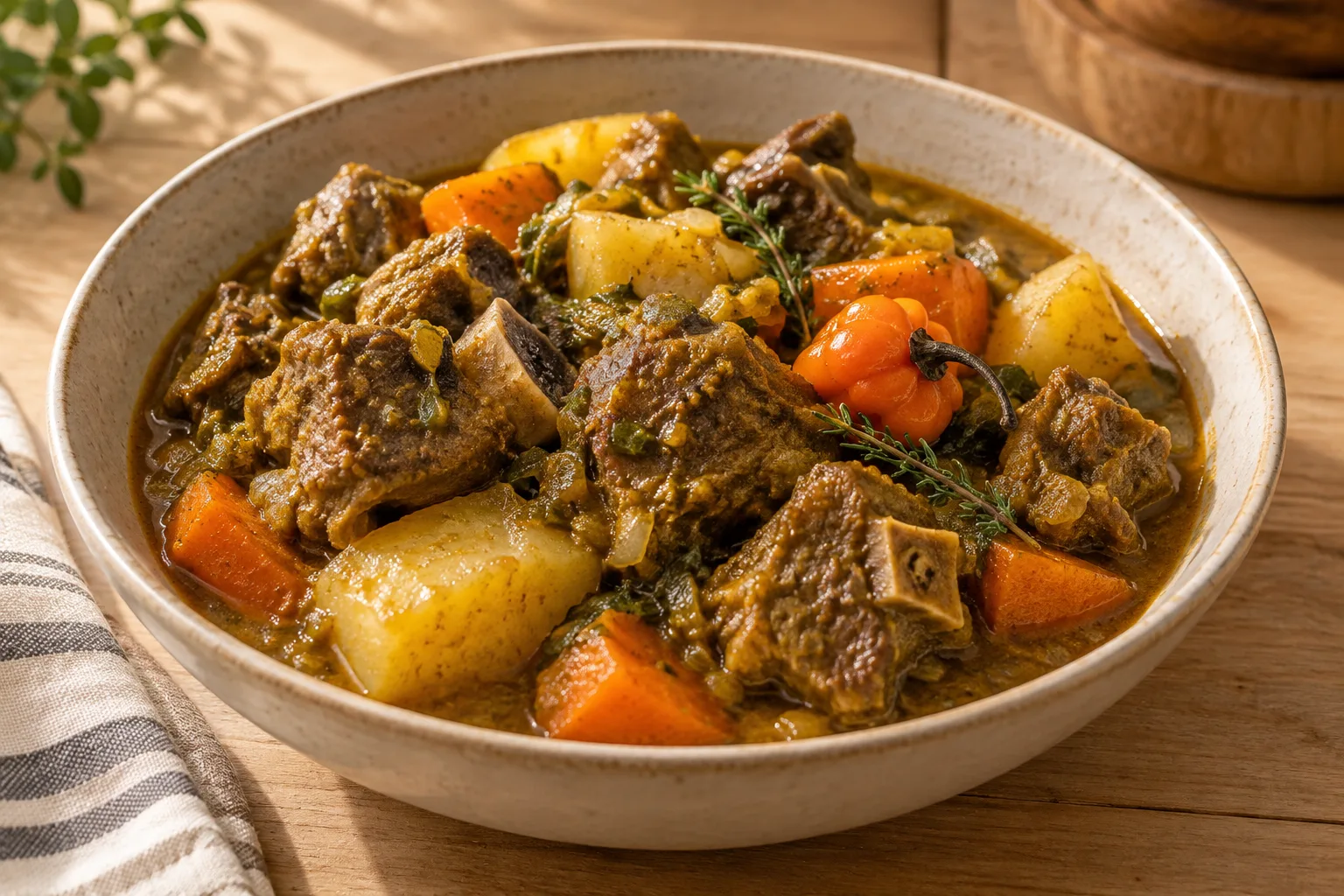
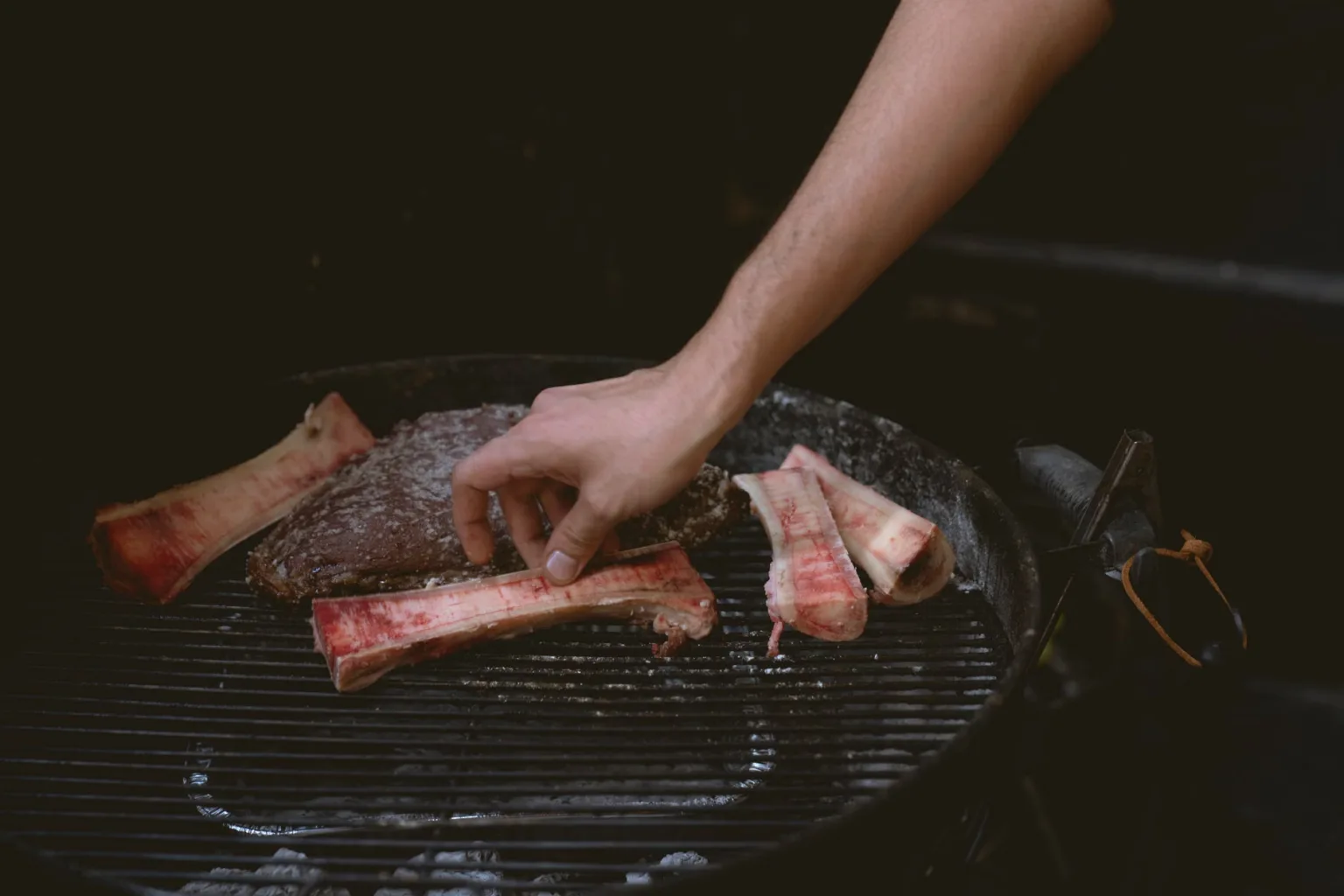
Bone-in goat is goat meat prepared or sold in pieces with some bone still attached. This profile refers to fresh meat, not a cured, dried or canned product. The term does not identify the animal’s particular cut or the size of the piece, so check what is being sold before choosing a cooking method. Goat meat is used in different cuisines for roasts and slow-cooked dishes; with bone-in pieces, the shape of the cut affects how it fits in a pot or roasting pan. This presentation alone does not establish a season when the ingredient is available.
When to use it
Choose bone-in goat when you want to make a stew, braise or roast and the particular cut suits that method. Cuts intended for longer cooking can be used in pot dishes; pieces suitable for oven or grill cooking can be roasted. Ask the seller which cut it is, how the pieces have been divided and whether they need any further preparation, because “bone-in” does not name a specific part. For a particular recipe, compare the size and shape of your pieces with its instructions rather than assuming there is one universal cooking time.
How to use it
Check the cut, the size of the pieces and the package’s storage directions before cooking. For a stew or braise, the meat can be combined with a base of onion, garlic, pepper and carrot, and seasoned with herbs such as thyme, rosemary or bay. Goat meat can also be roasted, fried in small pieces or cooked slowly. Match the method to the cut and follow a reliable recipe for cooking time and doneness: the available evidence does not establish one time or temperature for every piece. Handle and cook the meat in line with its label and official food-safety guidance where you live.
Flavour and texture
Goat meat’s flavour and texture vary with factors such as the animal’s age and the cut. Some preparations are described as having an intense flavour, but that does not mean every product tastes the same. The cut, amount of fat and cooking method also affect the result.
How to choose it
Ask which cut you are buying and how it has been divided; “bone-in” does not specify the animal’s part or the size of the pieces. Choose a product whose label or seller clearly states its condition and storage requirements. If you are planning a roast or stew, check that the pieces’ shape and size suit the recipe.
Storage
Store the meat according to its label and the official food-safety guidance that applies where you live. If you will not cook it promptly, check the product’s stated storage conditions rather than assuming fresh meat can be kept at room temperature. The available evidence does not establish a specific storage period for this product.
Substitutions
Lamb may work in some stews or roasts, while beef can be used in pot dishes. Neither is an exact equivalent: flavour, cut and cooking behaviour can differ. Adjust the method and timing to the chosen piece and a reliable recipe.
Common mistakes
Do not treat “bone-in goat” as the name of one specific cut: identify the piece before choosing a technique. Another mistake is applying one fixed cooking time to different-sized pieces or assuming all goat meat has the same flavour.
Safety and allergens
Store and prepare the meat according to its label and the official food-safety guidance for your area. The supplied evidence does not establish safe times or temperatures for each cut; do not infer them from this profile.
Culinary uses
- Carne para guisos y estofados
- Carne para asar
Recommended techniques
- Estofar o guisar lentamente
- Asar al horno o a la parrilla
- Freír en trozos pequeños
Pairs well with
- Cebolla, ajo, pimiento y zanahoria
- Tomillo, romero, laurel y orégano
- Patatas y garbanzos
Frequently asked questions
What does bone-in goat mean?
It means goat meat sold in pieces that retain bone. The name alone does not identify the cut or piece size.
What dishes can I make with it?
It can be used in stews, braises and roasts. Choose a method suited to the particular cut.
Can I substitute lamb?
Lamb can work in some preparations, but it is not an exact equivalent; flavour and cooking behaviour may differ.
Ingredient allergens
Allergen listThere are no verified associations for these ingredients yet.
Estimated nutrition
- Fat
- 7.27 g
- Saturates
- 2.78 g
- Carbohydrate
- 0 g
- Sugars
- 0 g
- Fibre
- 0 g
- Protein
- 22.1 g
- Salt
- 0.09 g
Sources and review
Automatically researched, cross-checked and validated content. Sources consulted:
- Alérgenos alimentarios | EFSA www.efsa.europa.eu/es/safe2eat/food-allergens
- Client Challenge doi.org/10.2307/jj.27939689.16
- Agencia Española de Seguridad Alimentaria y Nutrición www.aesan.gob.es/
- La magia de la carne de cabra: Un tesoro culinario de Tenerife : Jovencasa jovencasa.com/la-magia-de-la-carne-de-cabra-un-tesoro-culinario-de-tenerife/
- Carne de cabra - Wikipedia, la enciclopedia libre es.wikipedia.org/wiki/Carne_de_cabra
- - YouTube www.youtube.com/watch?v=l4GQM2Fm_vU
- Carne de cabra madurada: un manjar cargado de futuro - 7 Caníbales www.7canibales.com/mundo-canibal/carne-de-cabra-madurada-un-manjar-cargado-de-futuro/
- Allergies - Food Safety - European Commission food.ec.europa.eu/food-safety/campaign-2026/allergies_en
- Food Allergies | FDA www.fda.gov/food/nutrition-food-labeling-and-critical-foods/food-allergies
- Food allergens | Food Safety and Quality | FAO www.fao.org/food-safety/scientific-advice/food-allergens/en
- Food allergen labelling and information requirements technical guidance - GOV.UK www.gov.uk/government/publications/food-allergen-labelling-and-information-requirements-tech…
- Los beneficios del queso de cabra, oveja y vaca: Un tesoro nutricional y gastronómico | Gastronomía & Cía www.gastronomiaycia.com/los-beneficios-del-queso-de-cabra-oveja-y-vaca-un-tesoro-nutricional…
- Qué comer en Cabra: sabores y gastronomía egabrense www.pueblosmagicos.es/que-comer-en-cabra/
- ¡Una de “carne cabra”! entre7calderos.com/una-de-carne-cabra-ctc/